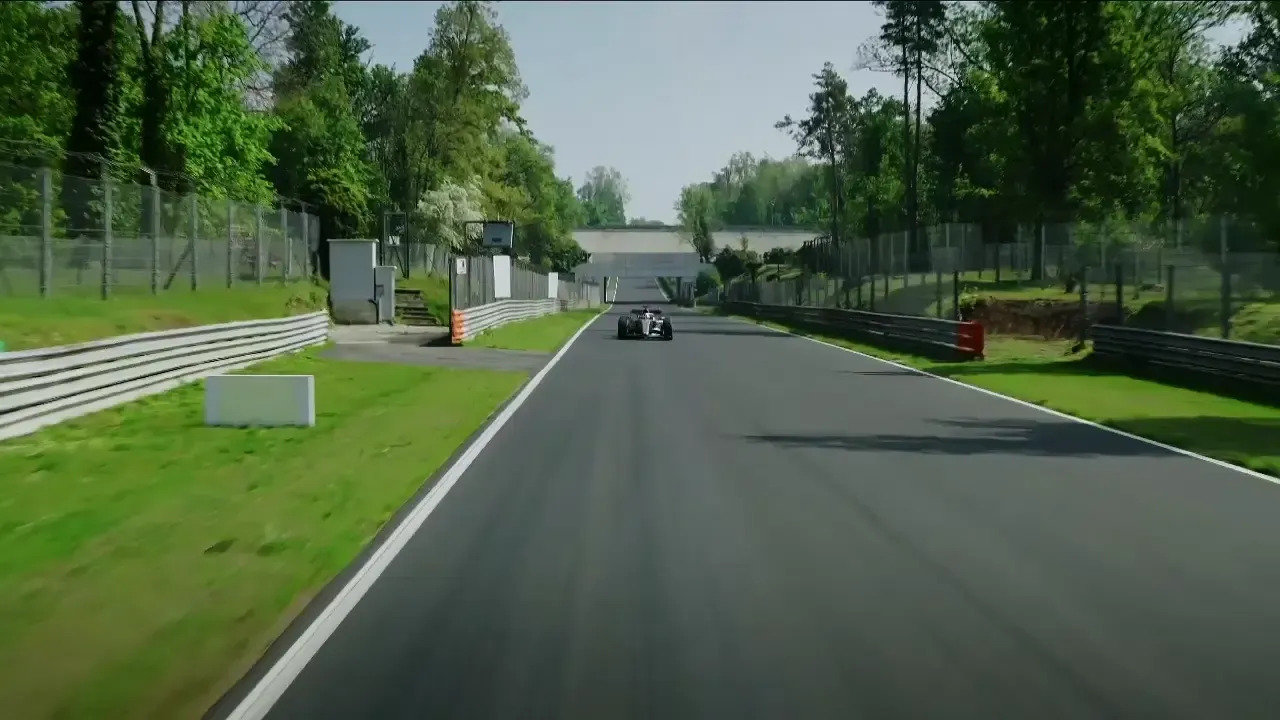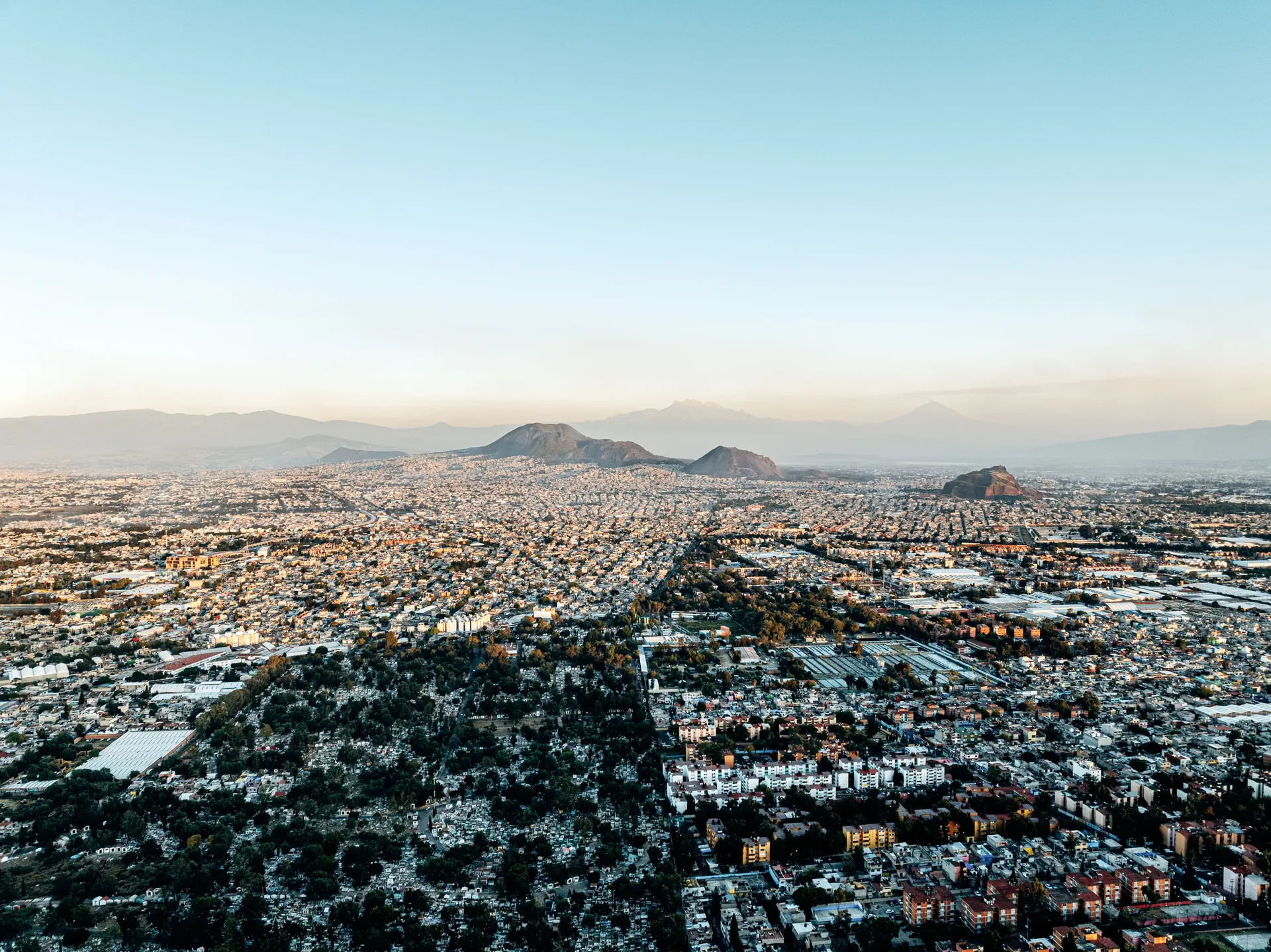
Mexico City GP
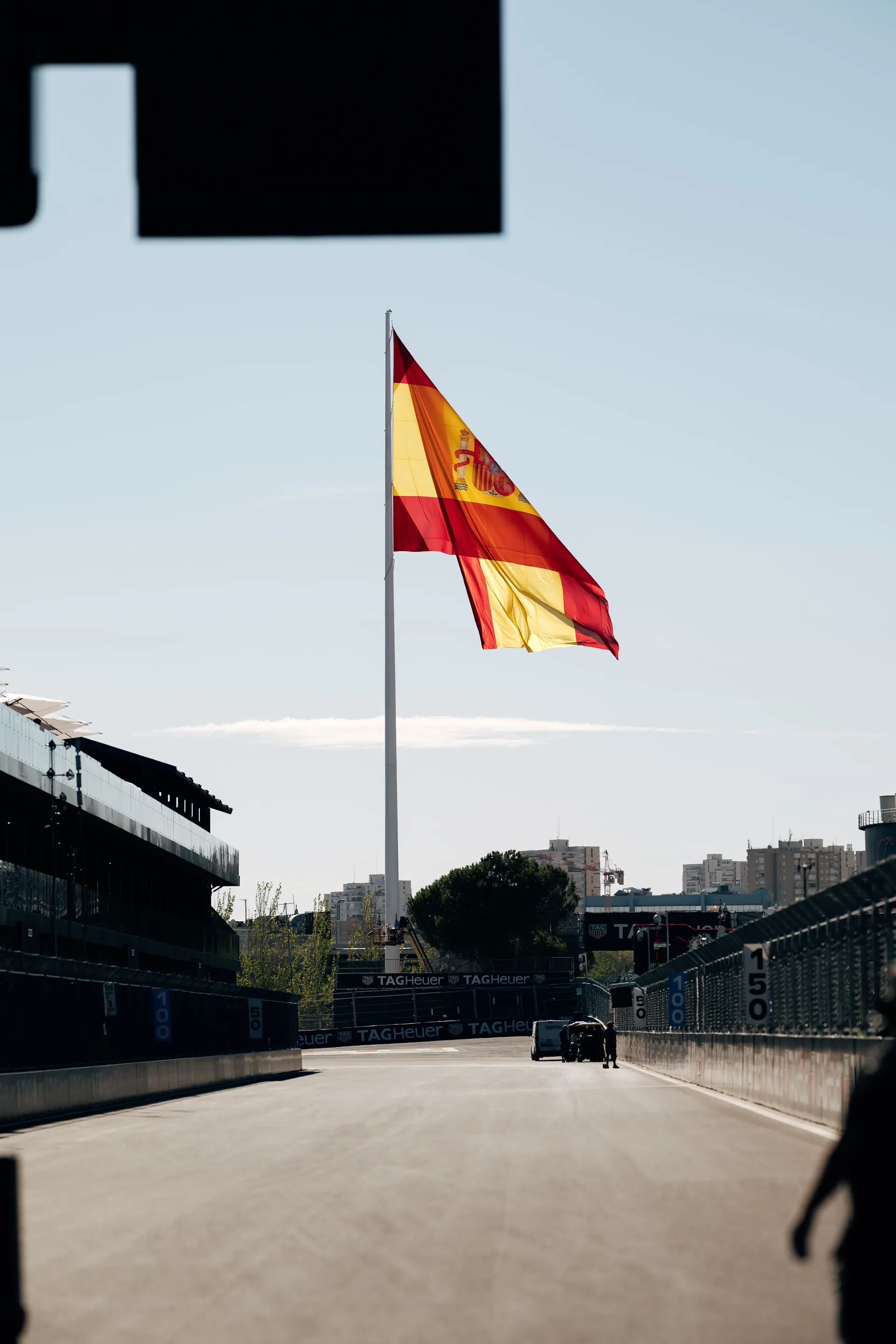
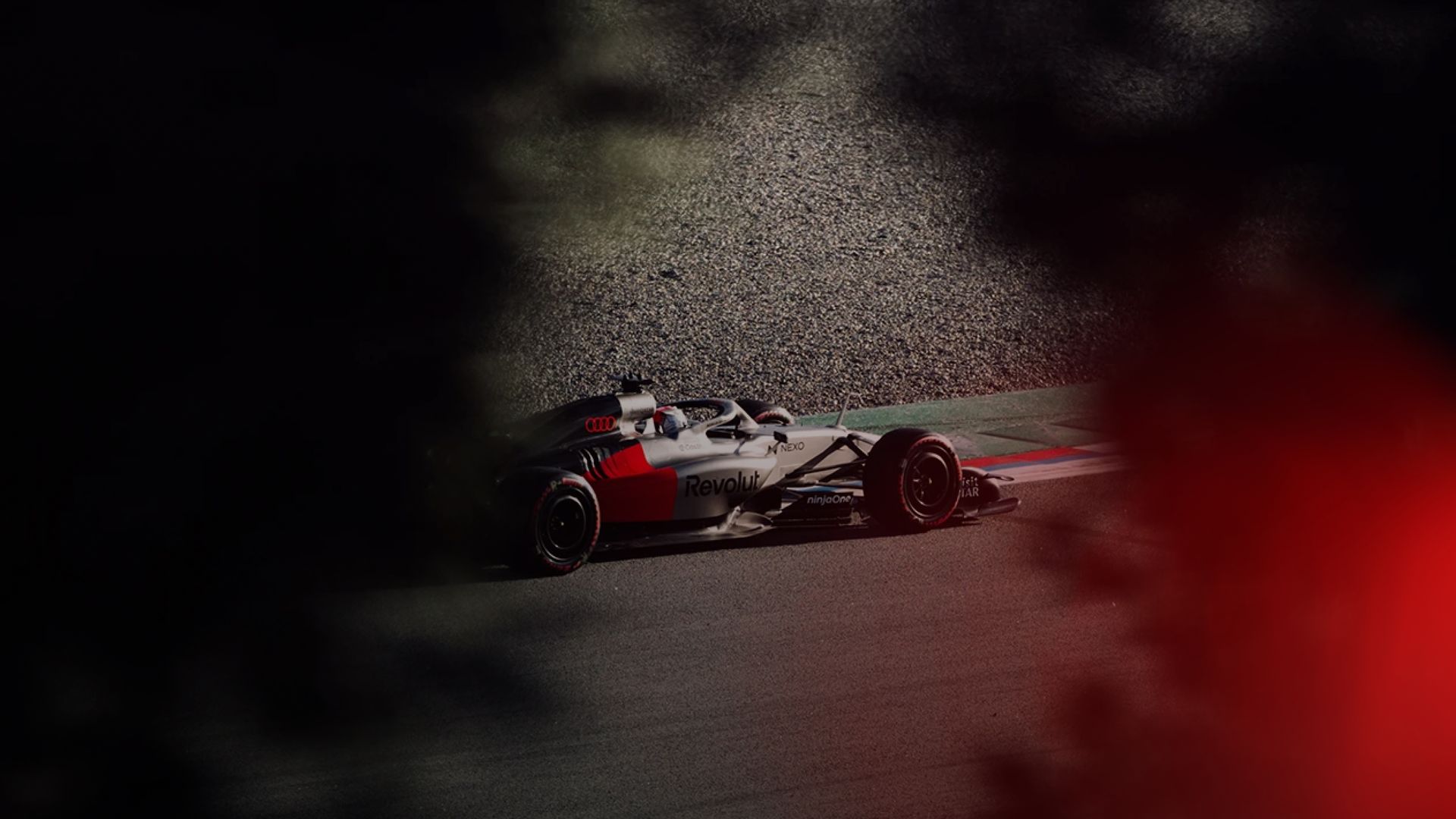
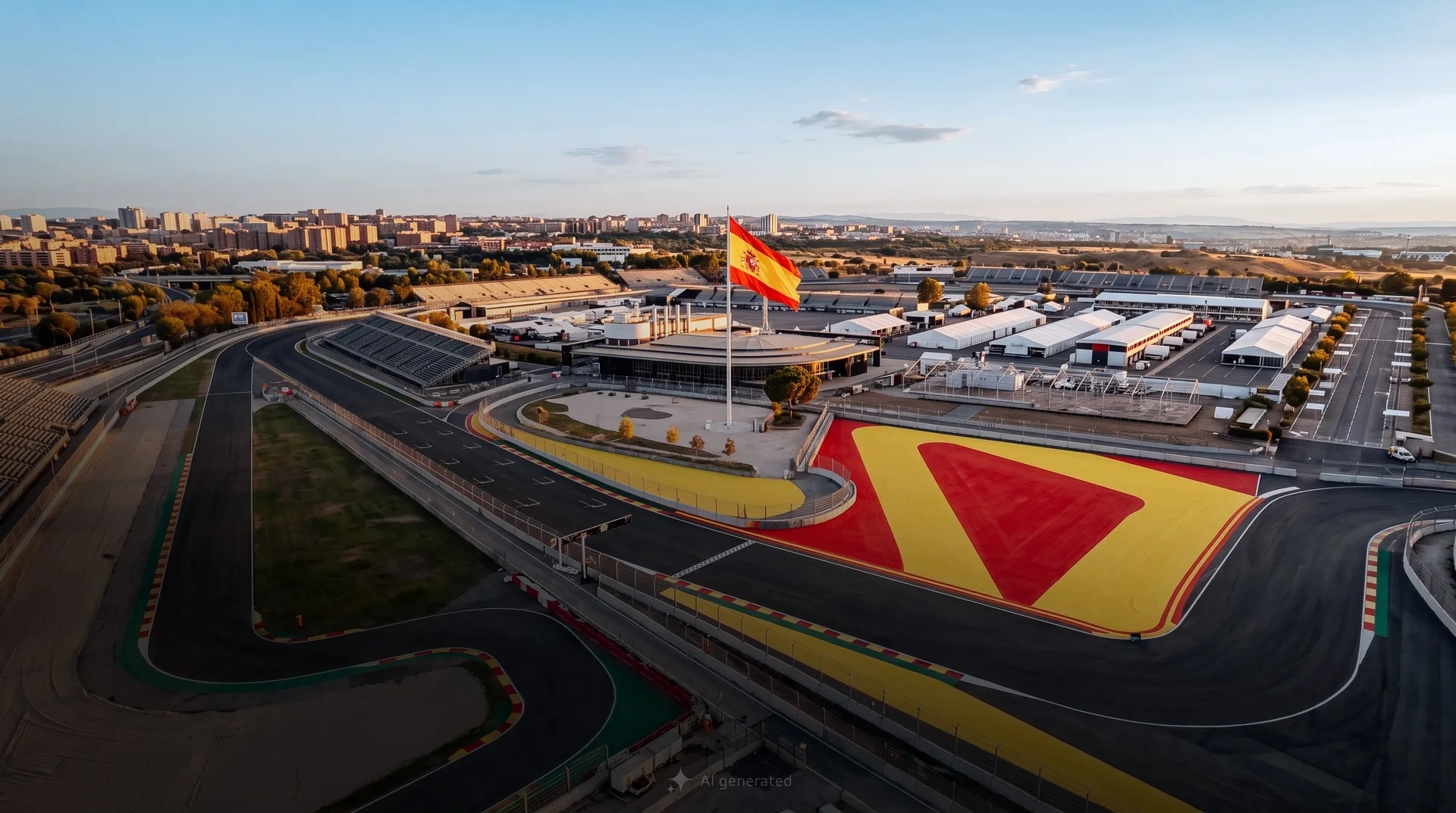
Audi Revolut F1® Team will be on the starting grid for the first Spanish Grand Prix to be held at the Madring. This is the seventh Spanish venue to have appeared on the Formula 1® calendar.
The Spanish Grand Prix is one of the oldest motor races in the world, having first been staged well over a century ago in 1913. Although Spain had relatively few homegrown Formula 1® stars until the turn of the millennium, the country has hosted no fewer than 63 World Championship races to date, across six different venues. The arrival of the Madring this weekend will make it seven.
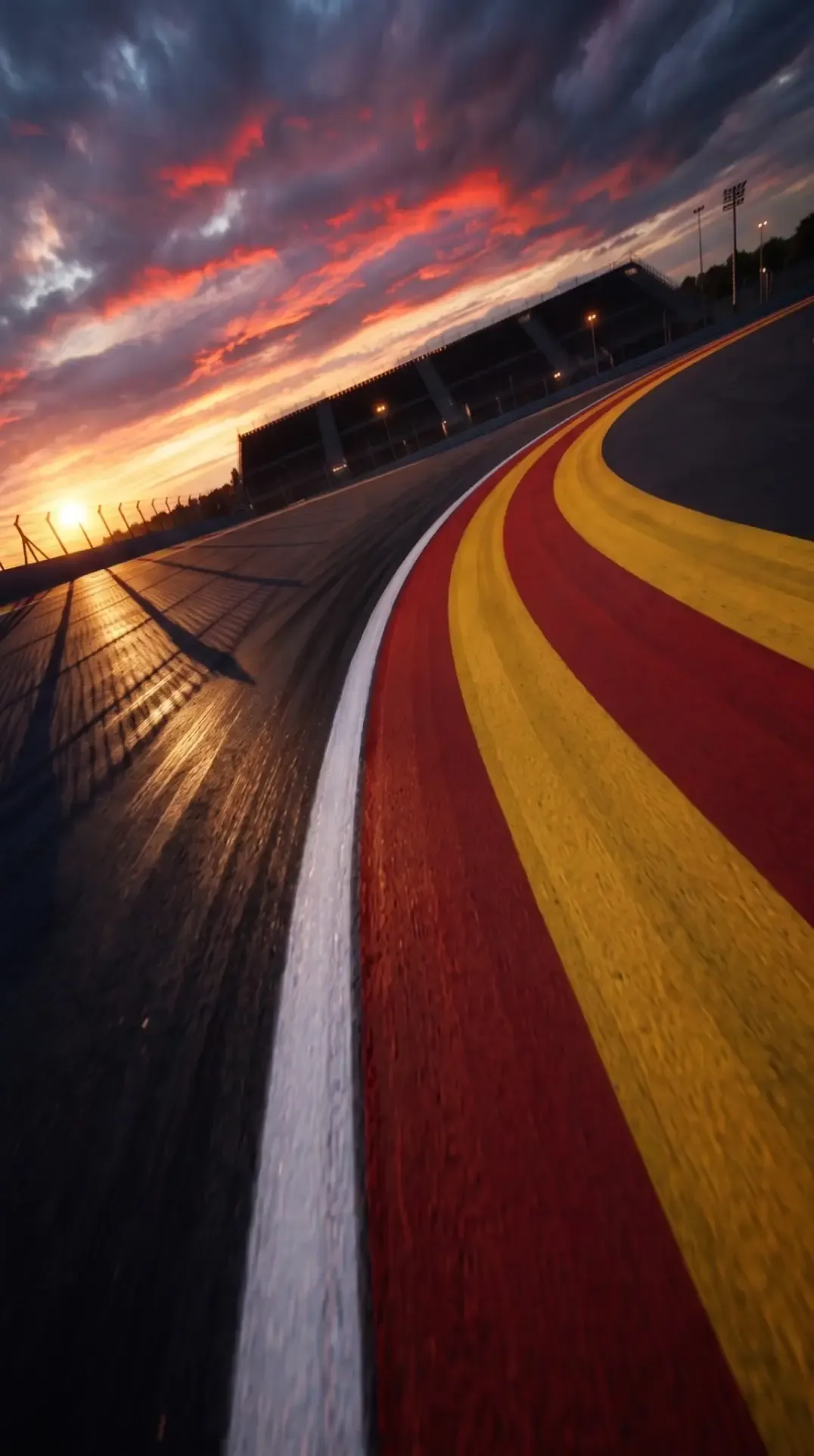
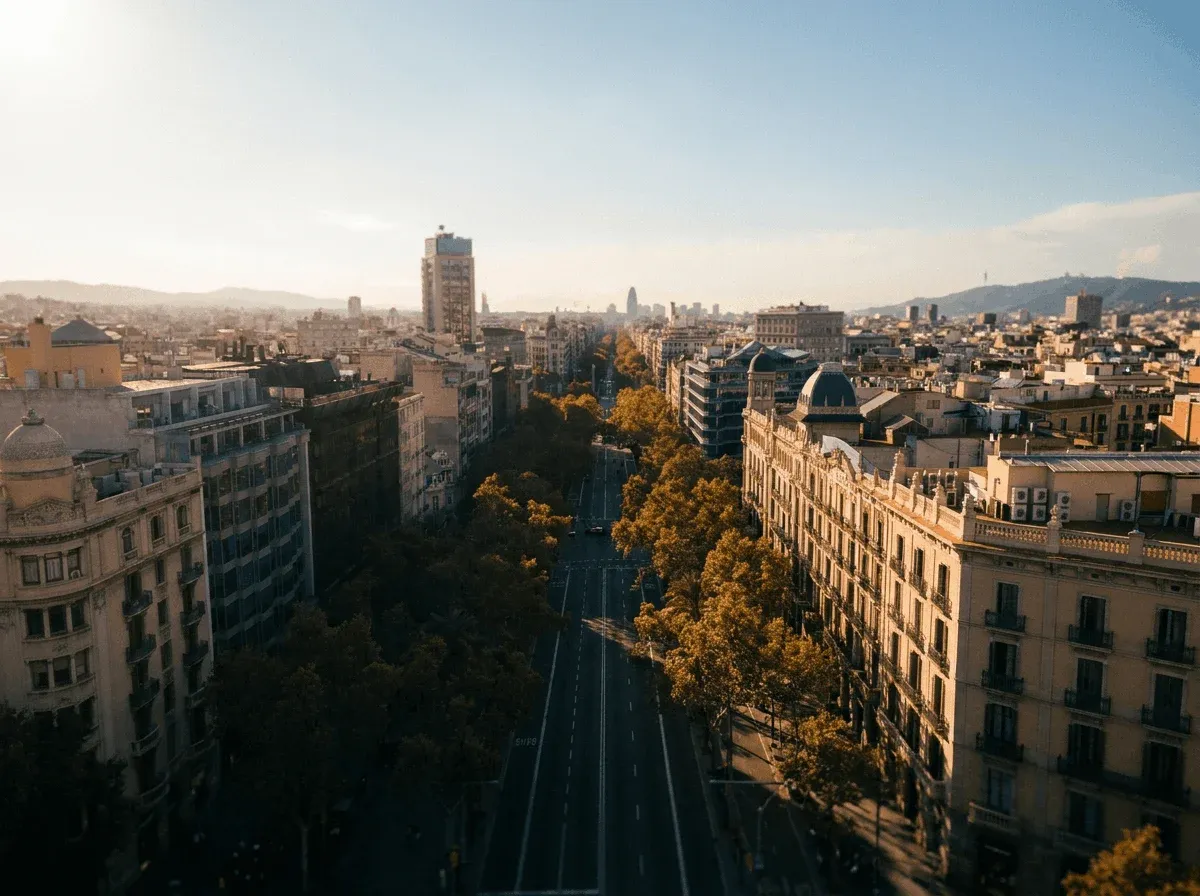
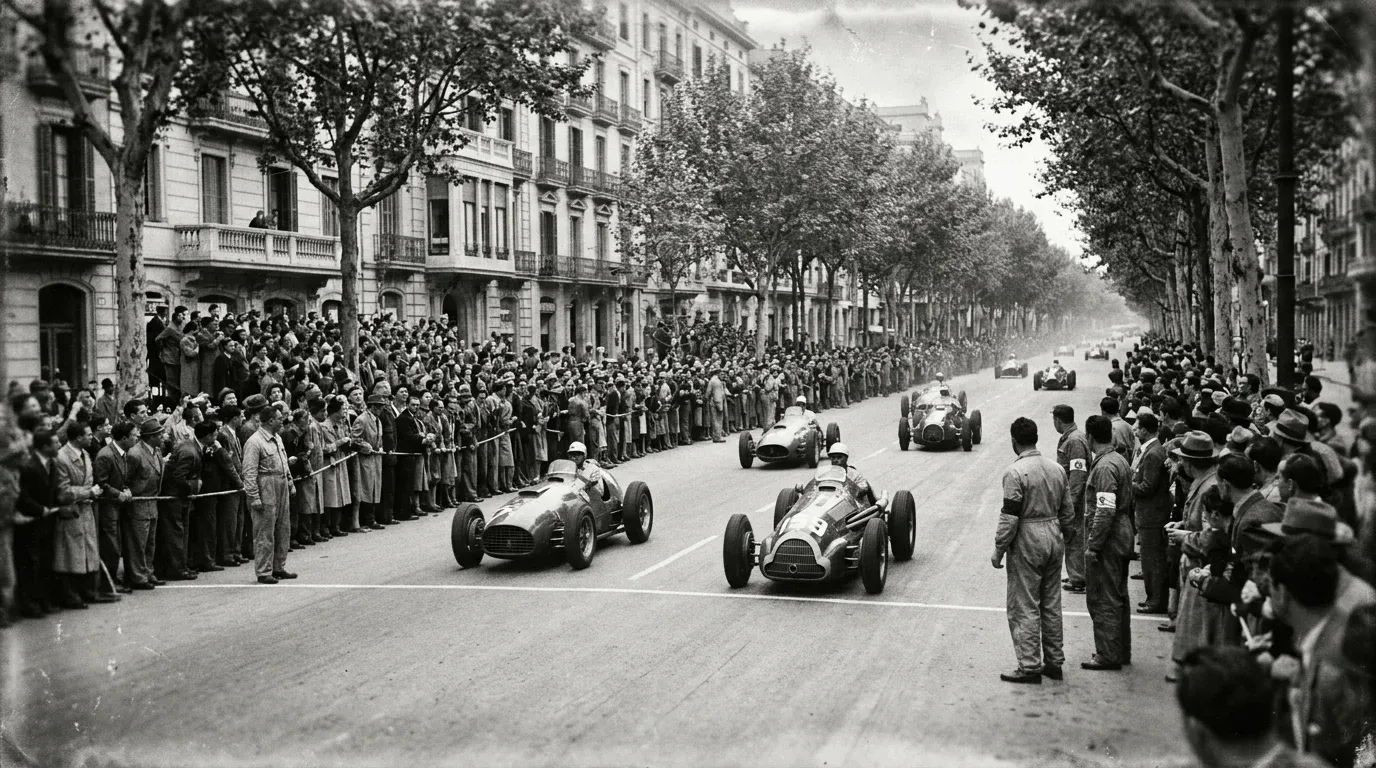
Formula 1®'s history in Spain began at Pedralbes – a neighbourhood on the outskirts of Barcelona. This street circuit, which made the most of the area's wide streets and sweeping bends, hosted F1® twice, in 1951 and 1954. On both occasions, it hosted the final round of the season. In 1951, Juan Manuel Fangio claimed his first title here, while three years later the great Argentine had already wrapped up his second championship success before the Spanish round.
Pedralbes was fast, spectacular and very popular – but the safety of racing on the spectator-lined streets was called into question following the Le Mans disaster in 1955. Although F1® had been expected to return at the end of that season, the tragic events at Le Mans resulted in the cancellation of multiple races – the Spanish Grand Prix included.
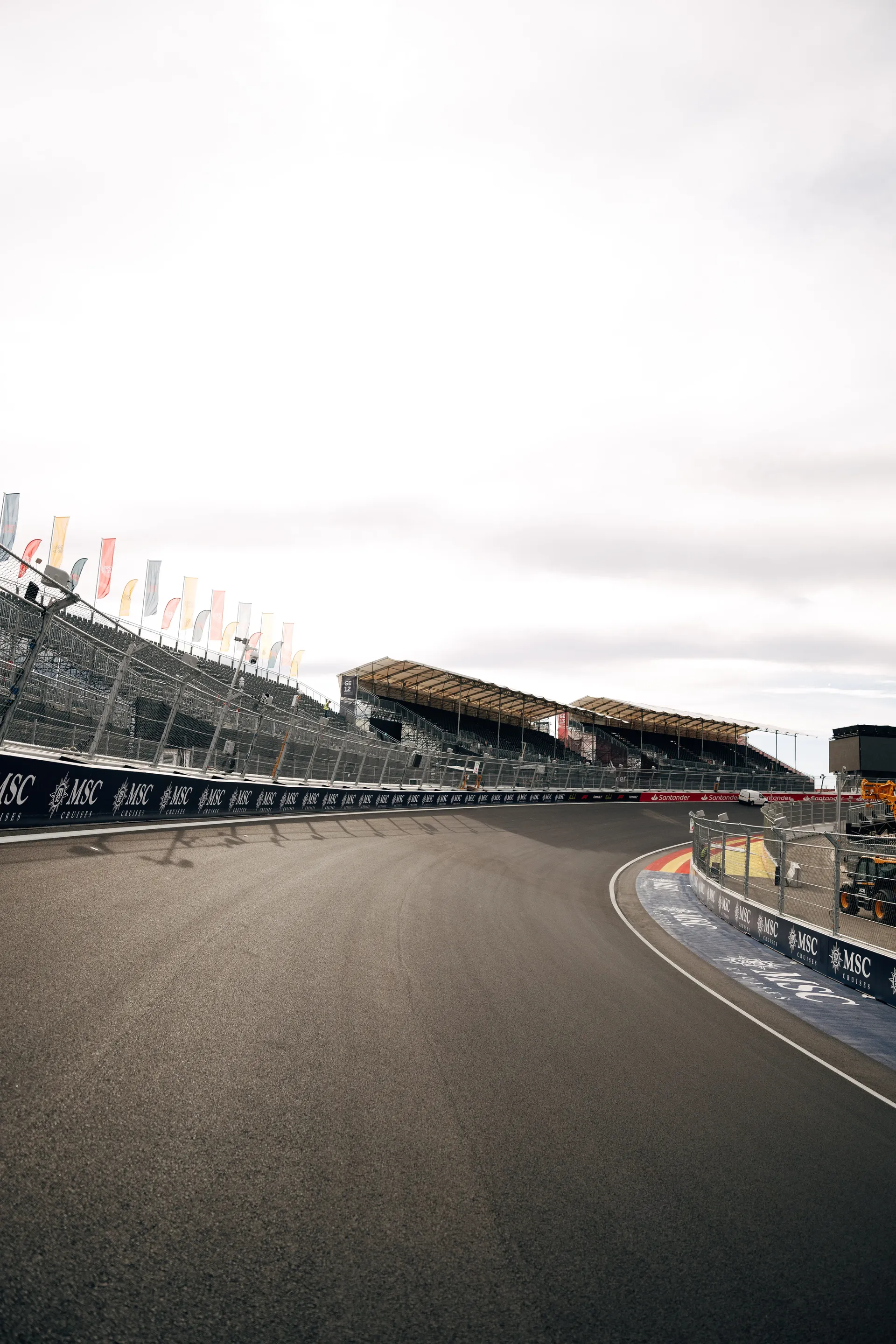
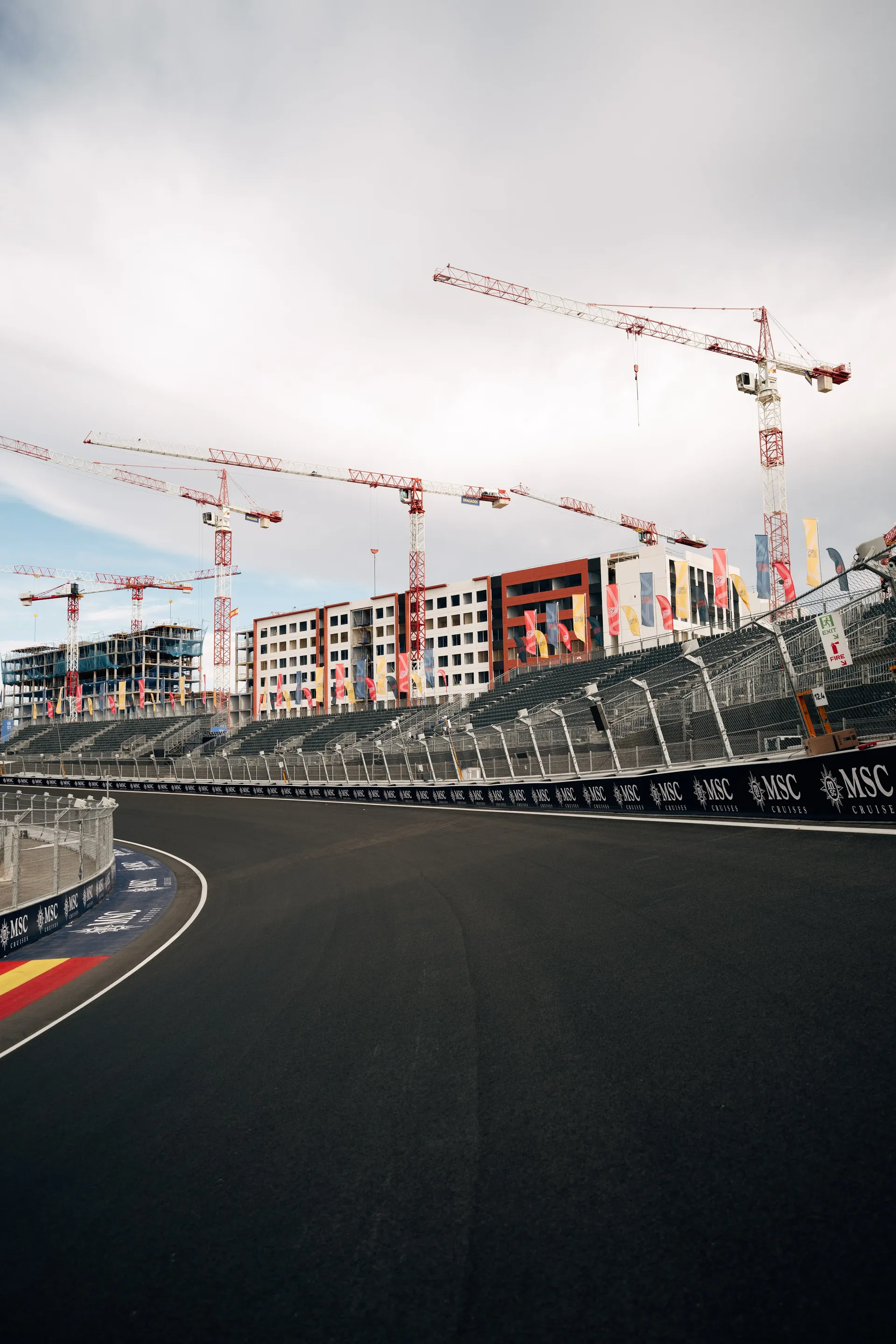
Turn 12 presents a unique challenge on the Formula 1® calendar – and it is one that could soon sit alongside iconic sections of track on the list of the sport's most impressive corners. Known as La Monumental, this is the longest banked corner that F1® will race on. Sustaining significant G-forces for around five seconds, La Monumental will test the drivers, the cars and the tyres in a way unseen anywhere else.
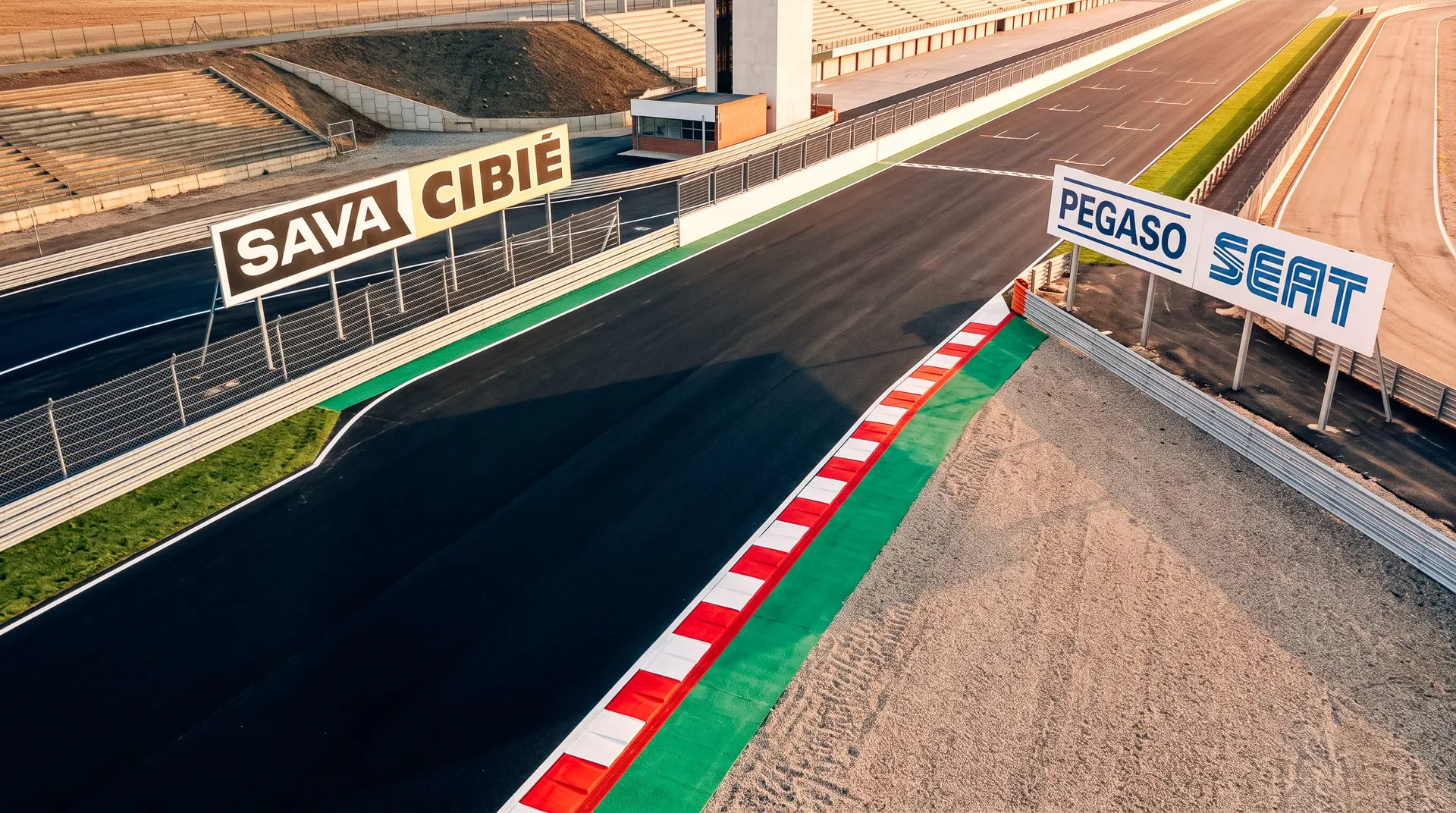
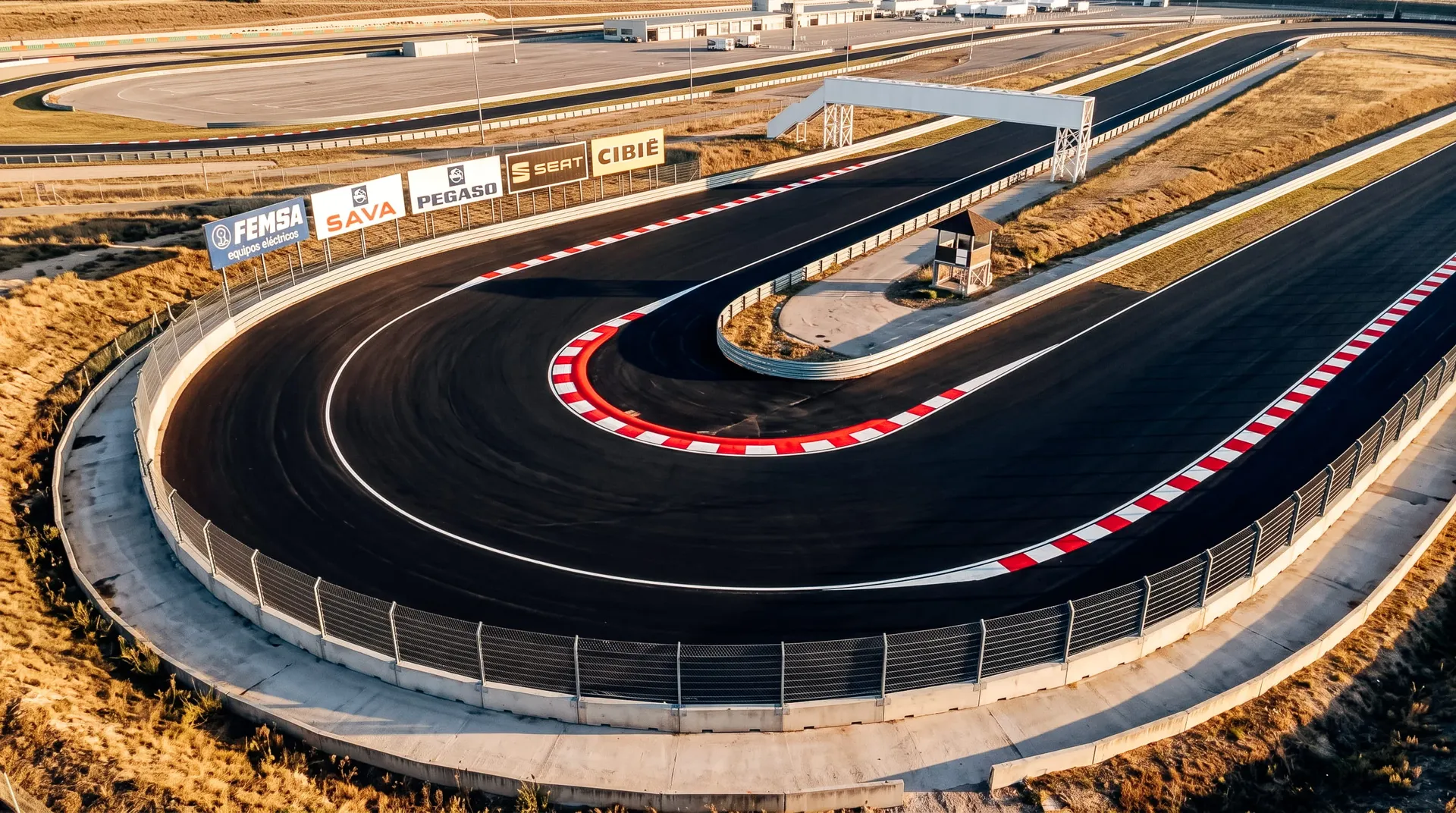
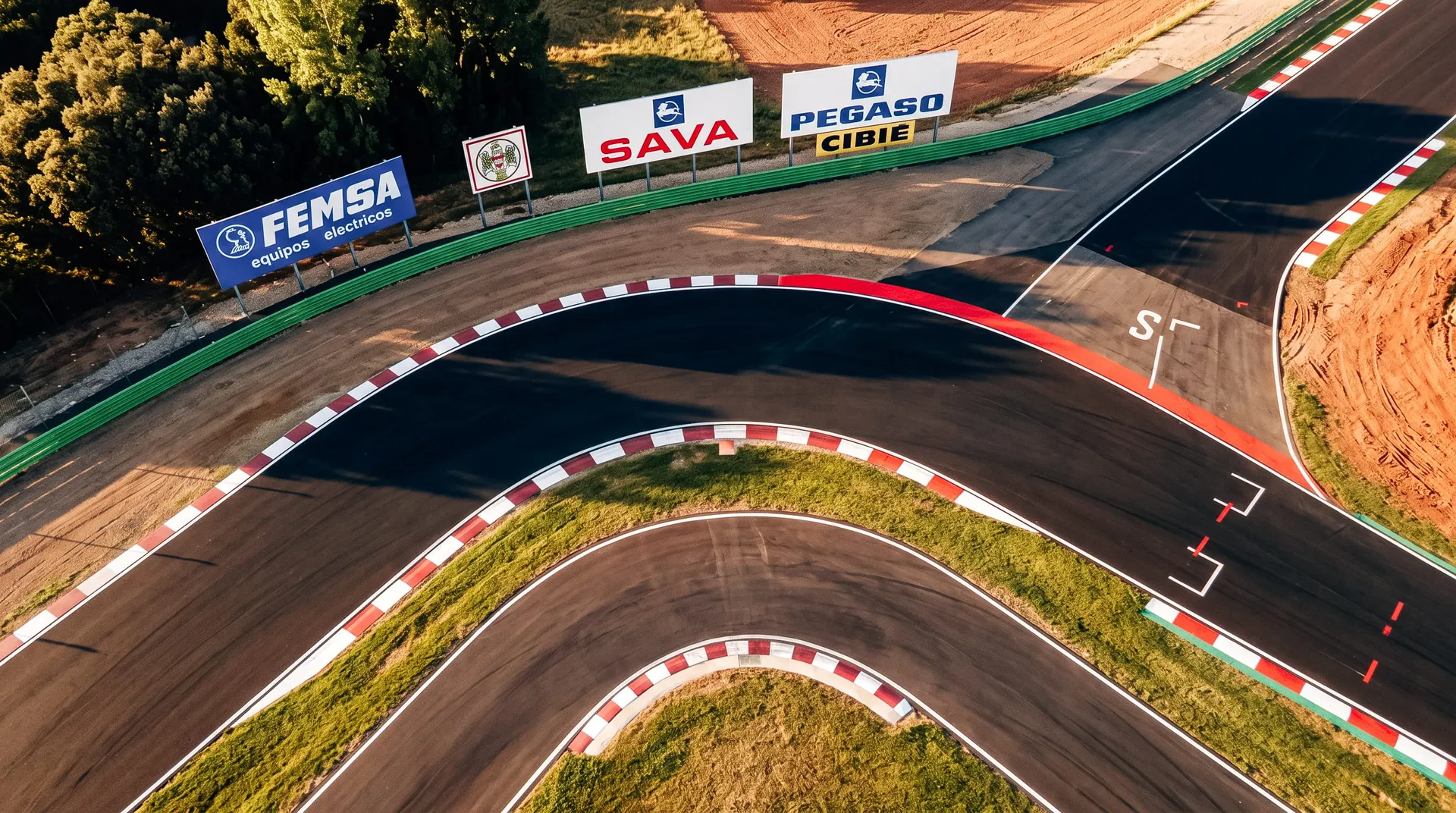
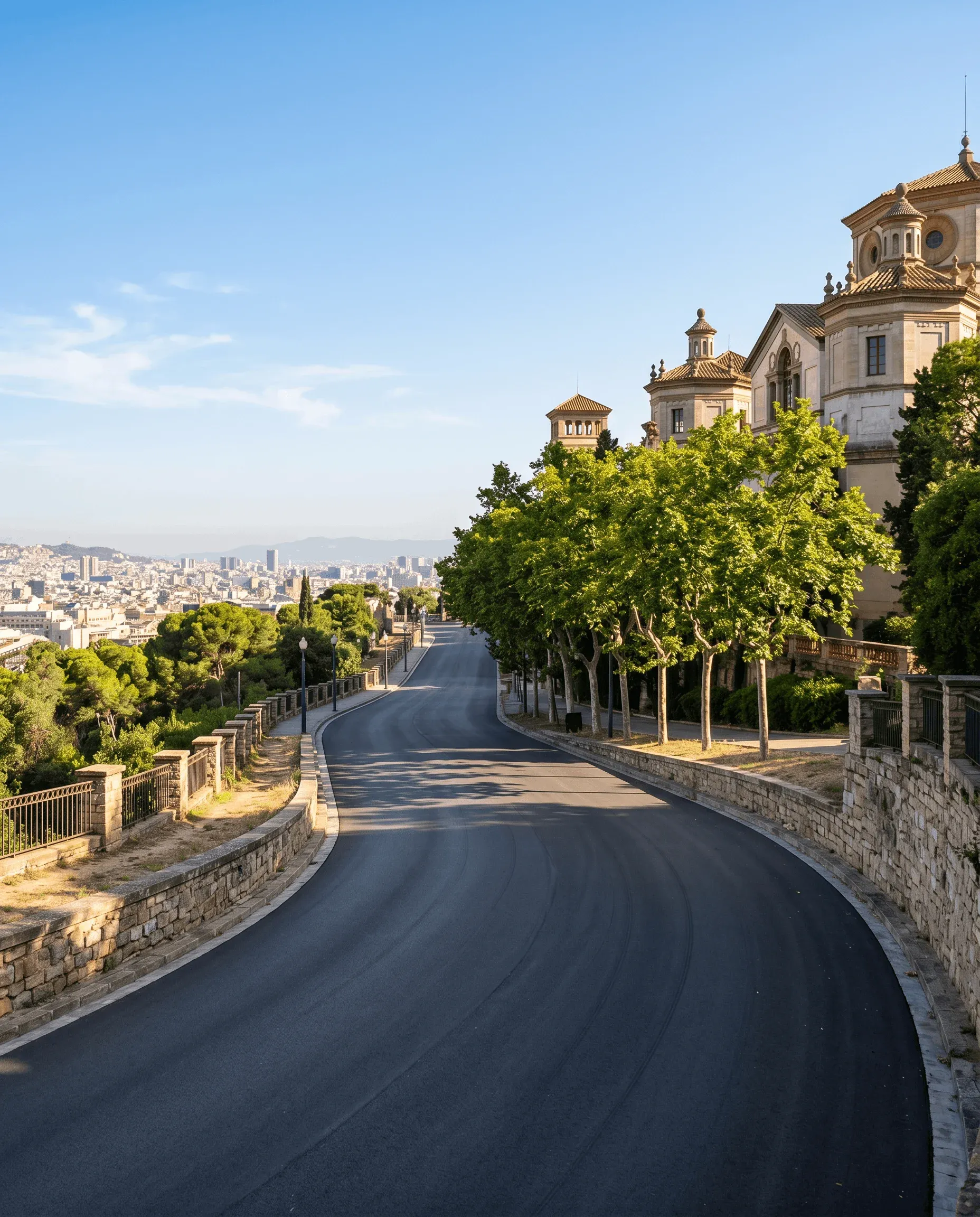
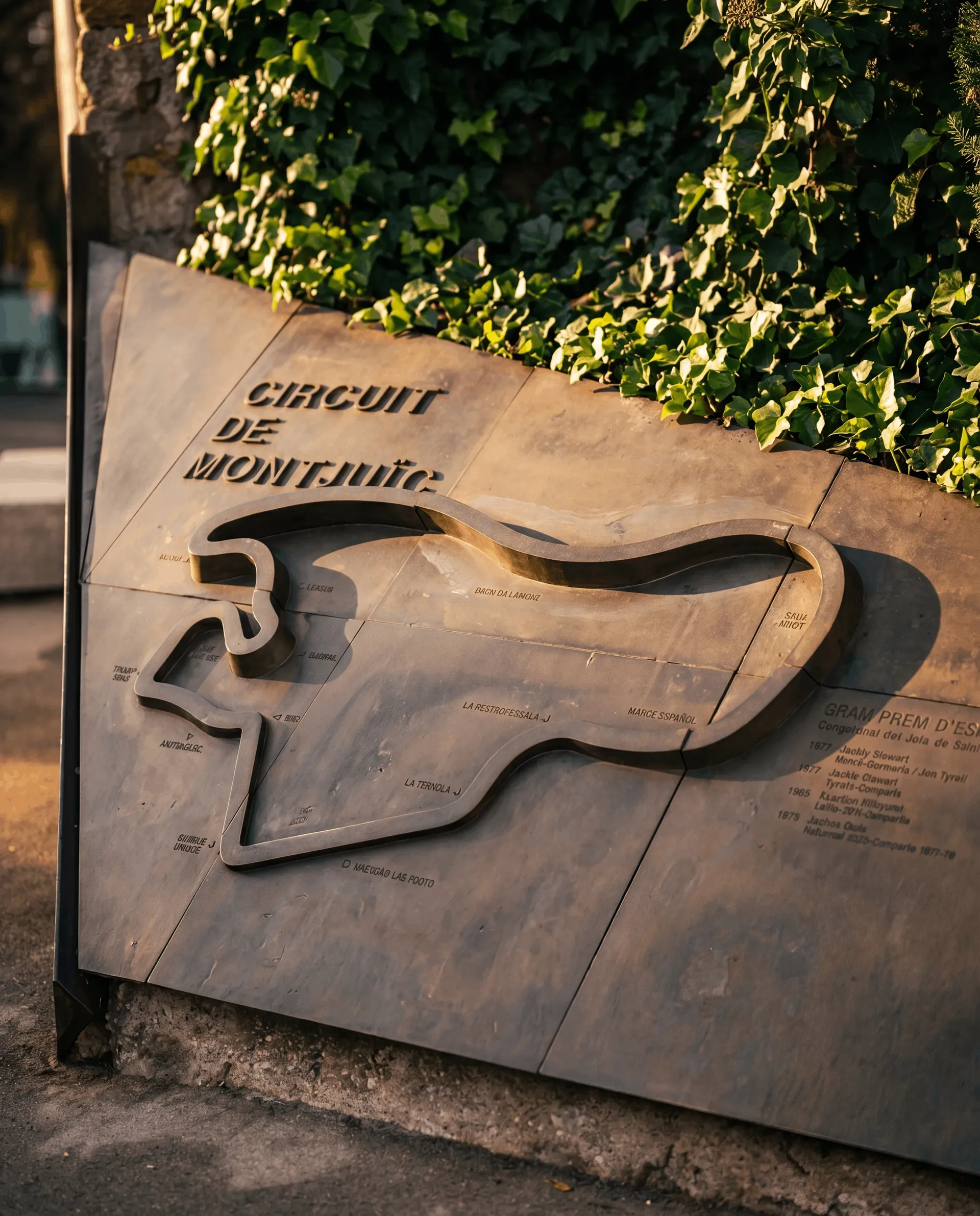
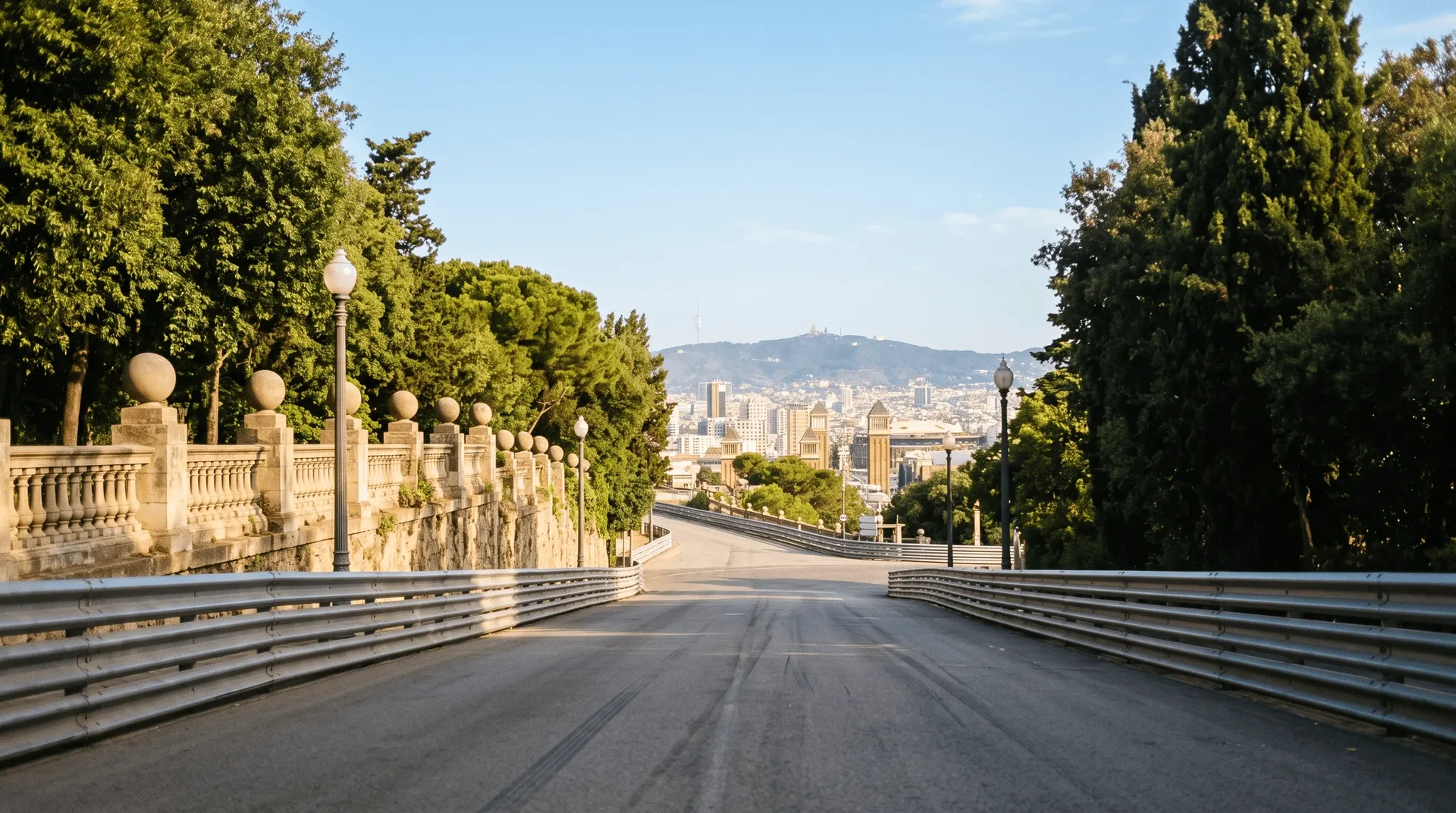
Montjuïc was a street track, on the side of the Montjuïc mountain which overlooked Barcelona from the south. A circuit of two halves, with a slow opening section and faster bends in the second half, Montjuïc proved a real challenge for drivers and engineers to perfect. Though little tangible evidence remains that F1® raced here four times between 1969 and 1975, eagle-eyed fans can spot a few clues if ever they're in the area.
At a time when safety standards were progressing in Formula 1®, Montjuïc would sadly prove how much progress the sport still needed to make. At the 1975 Spanish Grand Prix, the drivers raised concerns about track safety with members of the paddock coming together to fix the track's ill-prepared guardrails. In the race, Rolf Stommelen's car mounted one of the barriers and somersaulted into the crowd. The incident caused four fatalities and understandably brought an end to racing at the circuit.
Opening in 1985, the newly built Jerez circuit hosted the return of the Spanish Grand Prix after a five-year absence in 1986. Ayrton Senna, Alain Prost and Nigel Mansell – the standout names of their era – all claimed wins at Jerez, but the Spanish Grand Prix's tenure at the circuit would last only until 1990. After that, Jerez returned twice more as host of the European Grand Prix, in 1994 and 1997.
It was in this period that Jerez hosted its most famous race: the 1997 European Grand Prix. The final round of the year saw Michael Schumacher and Jacques Villeneuve go wheel-to-wheel for the title, with the Canadian coming out on top after a highly dramatic title-deciding clash which resulted in Schumacher being excluded from the Drivers' Championship standings.
Jerez fell off the F1® calendar in somewhat unusual circumstances. At the conclusion of the 1997 race, Jerez's mayor disrupted the podium ceremony and presented a trophy which he was not assigned to present. The FIA initially ruled that the circuit could not host another Grand Prix, although that decision was later rescinded. Nevertheless, 1997 remains the final time the track hosted a Grand Prix – though teams have returned to the venue for winter testing.
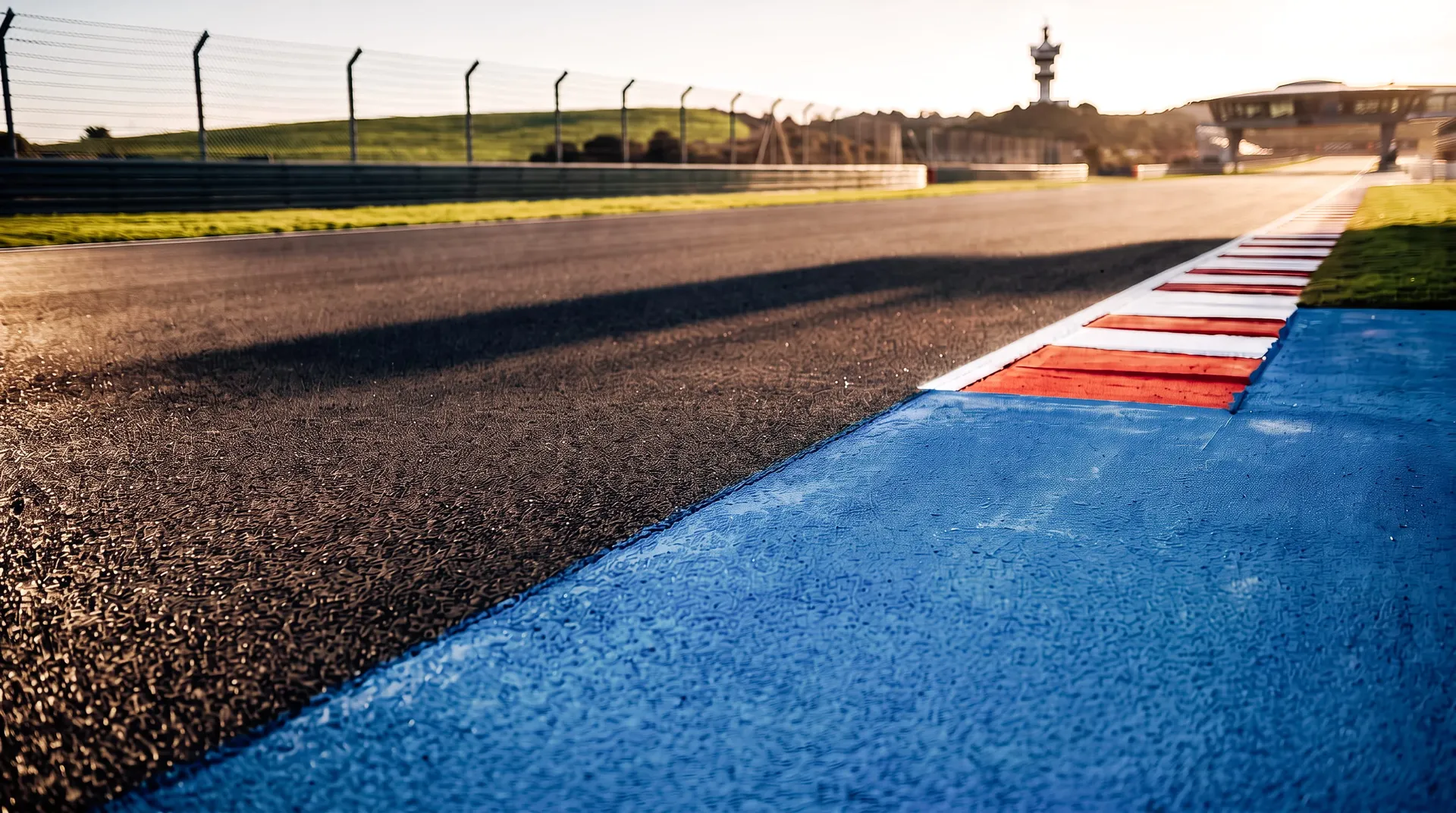
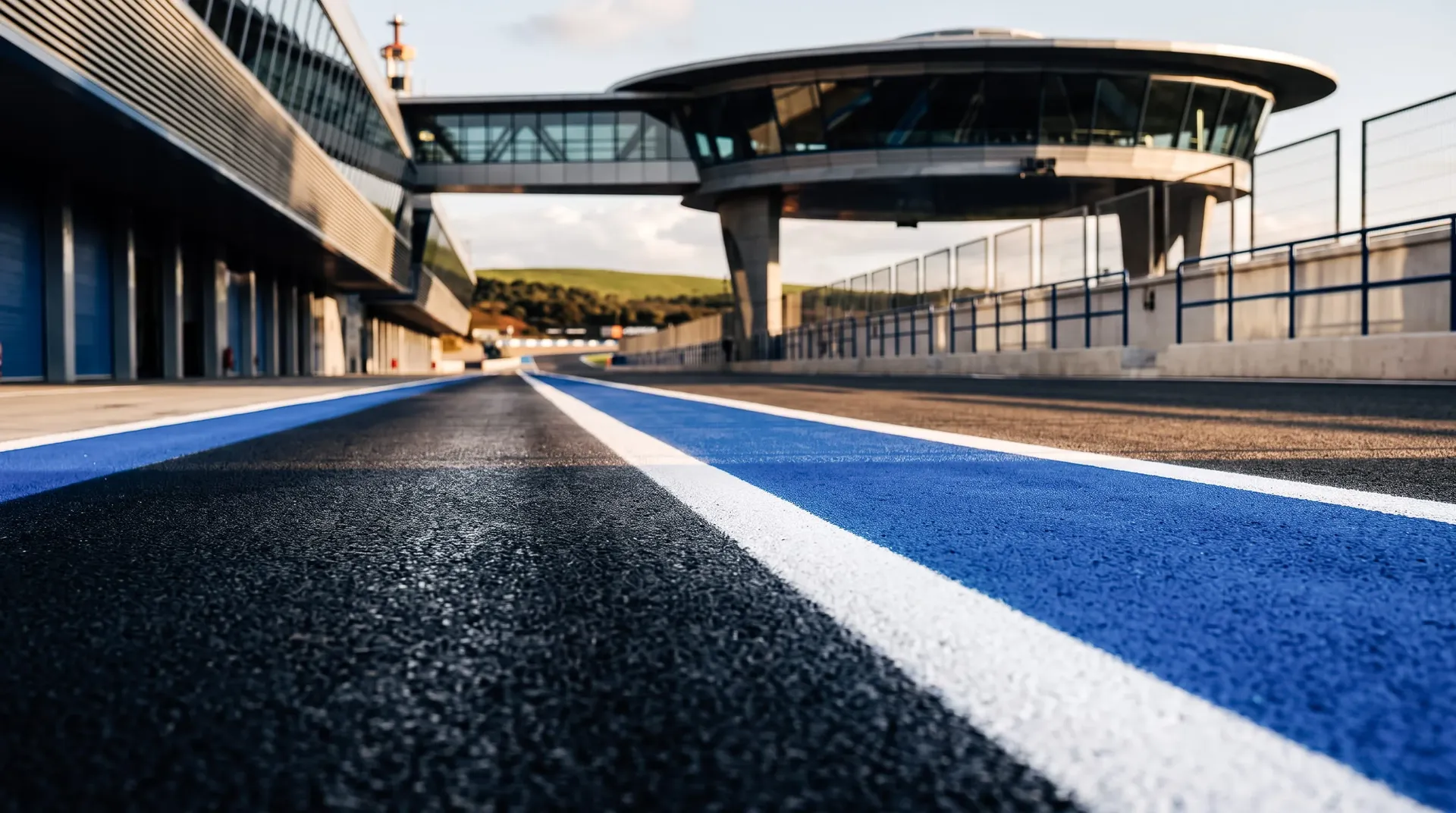
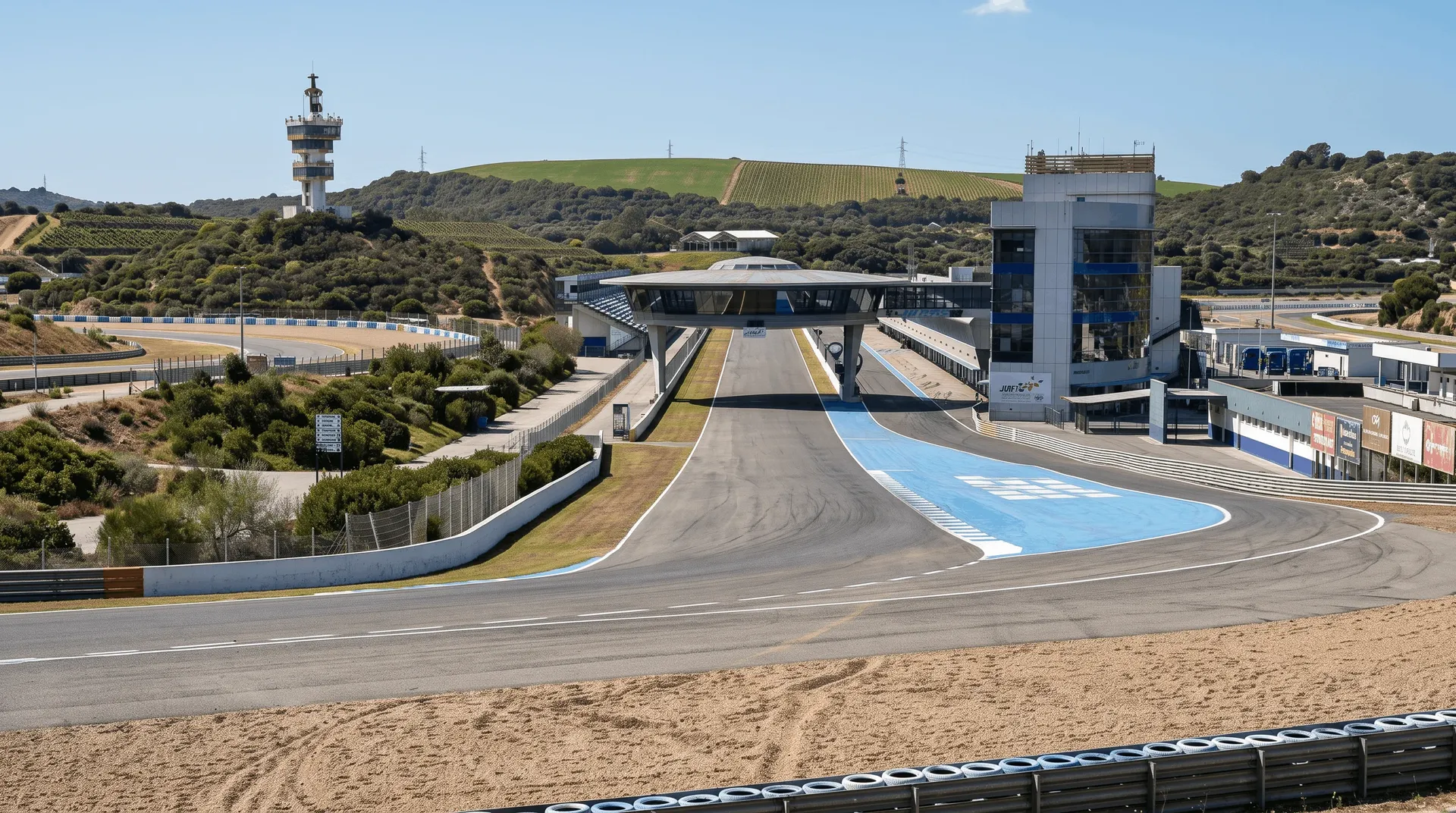
In 1991, ahead of Barcelona hosting the Summer Olympics the following year, the city had a new racing circuit. Circuit de Catalunya, located near Montmeló, 30km north of the city centre, took over as host of the Spanish Grand Prix from Jerez in 1991, after it was deemed that the Barcelona track would attract more spectators than the former host venue.
Catalunya is by far the most enduring of Spain's F1® circuits to date, having hosted the Spanish Grand Prix in every year from 1991 to 2025. In that time, the circuit saw a range of different winners, including a streak of 11 successive different victors from 2006 to 2016.
Barcelona will continue to appear on the calendar biennially – in 2028, 2030 and 2032 – as host of the newly-titled Barcelona Grand Prix, following the signing of a new contract earlier this year.
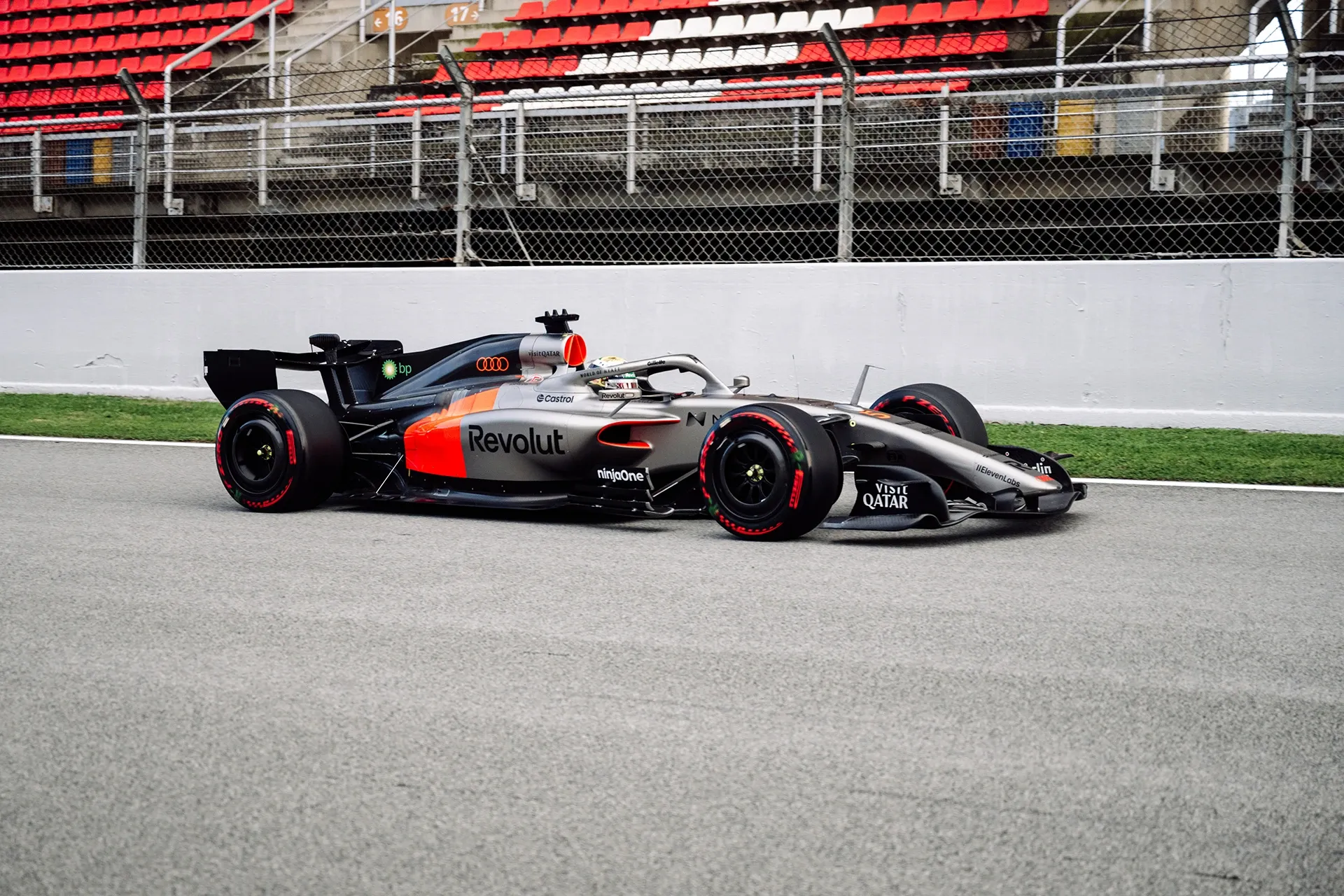
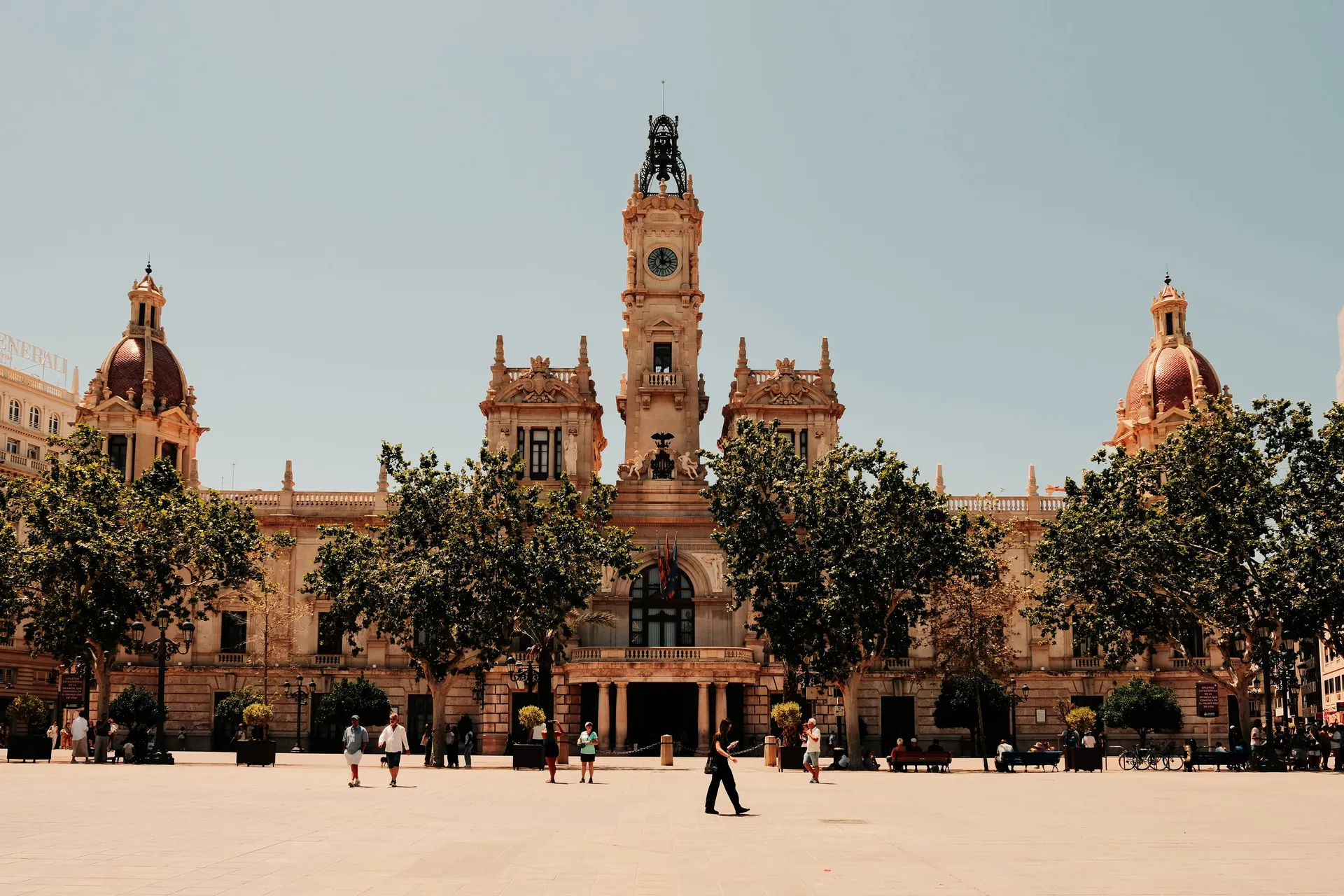
There is one venue in Spain which appeared on the F1® calendar but never hosted the Spanish Grand Prix. Step forward, Valencia Street Circuit. The track, in the city's harbourside, hosted the European Grand Prix from 2008 to 2012. Its layout featured a mammoth 25 corners and a section of track which raced over a swing bridge.
Remembered for an airborne crash for Mark Webber in 2010, as well as the final podium of Michael Schumacher's illustrious career in 2012, Valencia Street Circuit's tenure on the calendar was short and sweet.
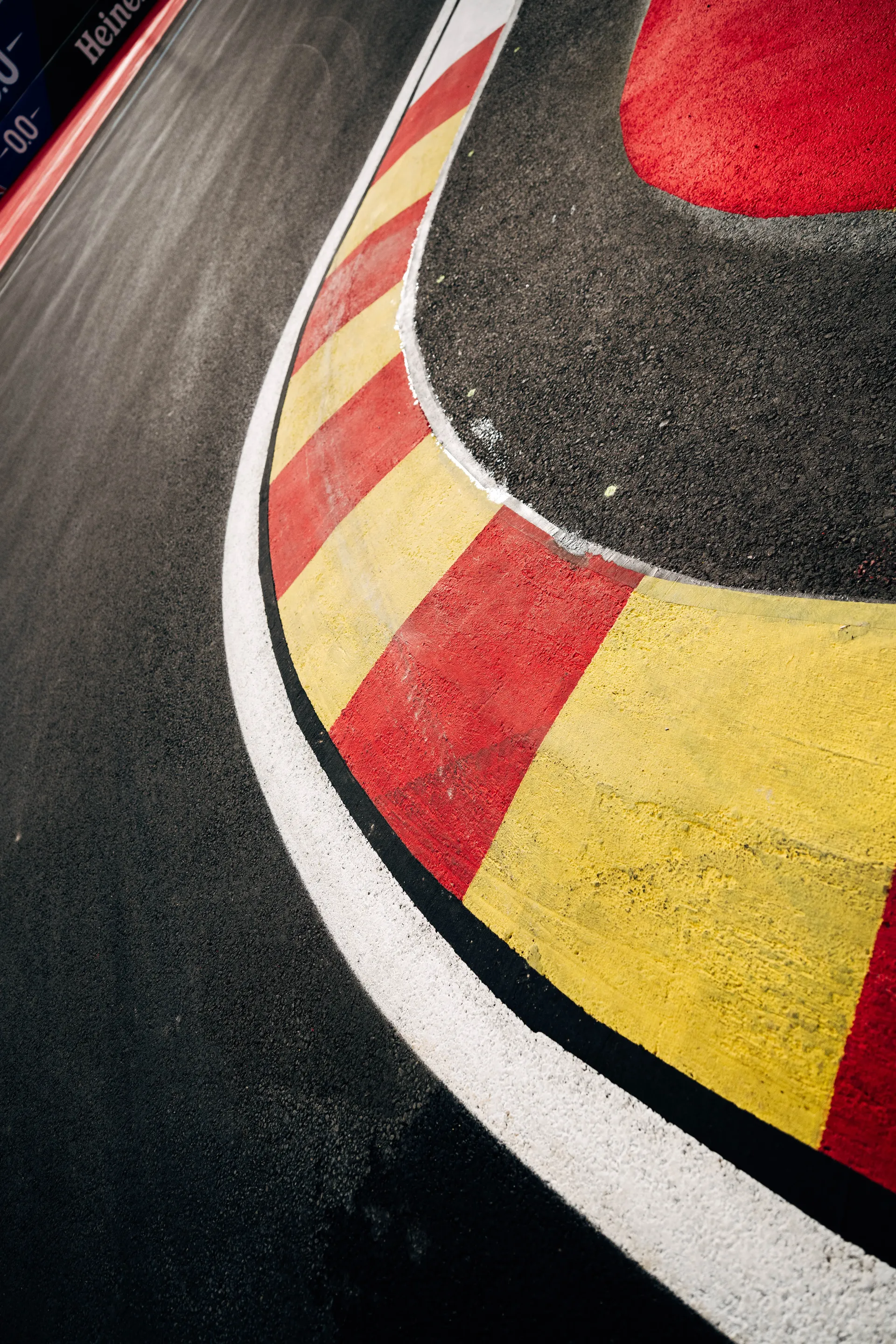
Despite plans to host the Spanish Grand Prix alternately with Catalunya from 2013 onwards, the 2012 European Grand Prix would be the last race to take place at this track. It now sits largely abandoned, with painted kerbs, deteriorating safety barriers and faded sponsorship logos all still in situ.
In January 2024, it was announced that Formula 1® would return to Madrid in 2026, with a hybrid street circuit running around the IFEMA Madrid exhibition centre set to become the latest host of the Spanish Grand Prix.
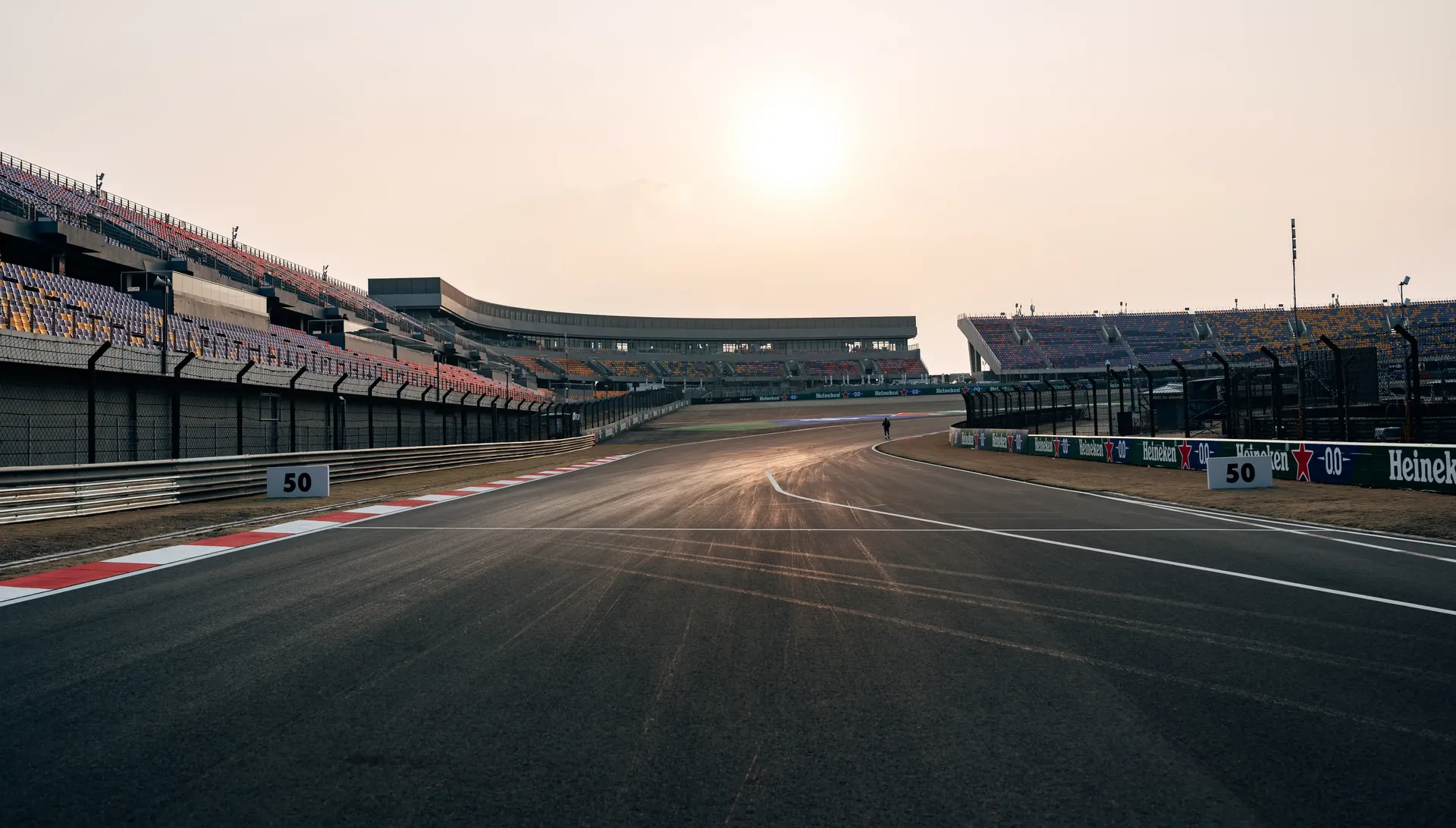
In the two and a half years since, race organisers have worked around the clock to prepare the venue for its Formula 1® debut. Now, just days before the first competitive action, the track – including its epic banked turn, La Monumental – is ready for racing.
Madrid can list the likes of Gilles Villeneuve, Mario Andretti and James Hunt among its most recent winners. But this weekend, a new chapter dawns in the Spanish capital – and Audi Revolut F1® Team will be on the starting grid.
Mexico City GP
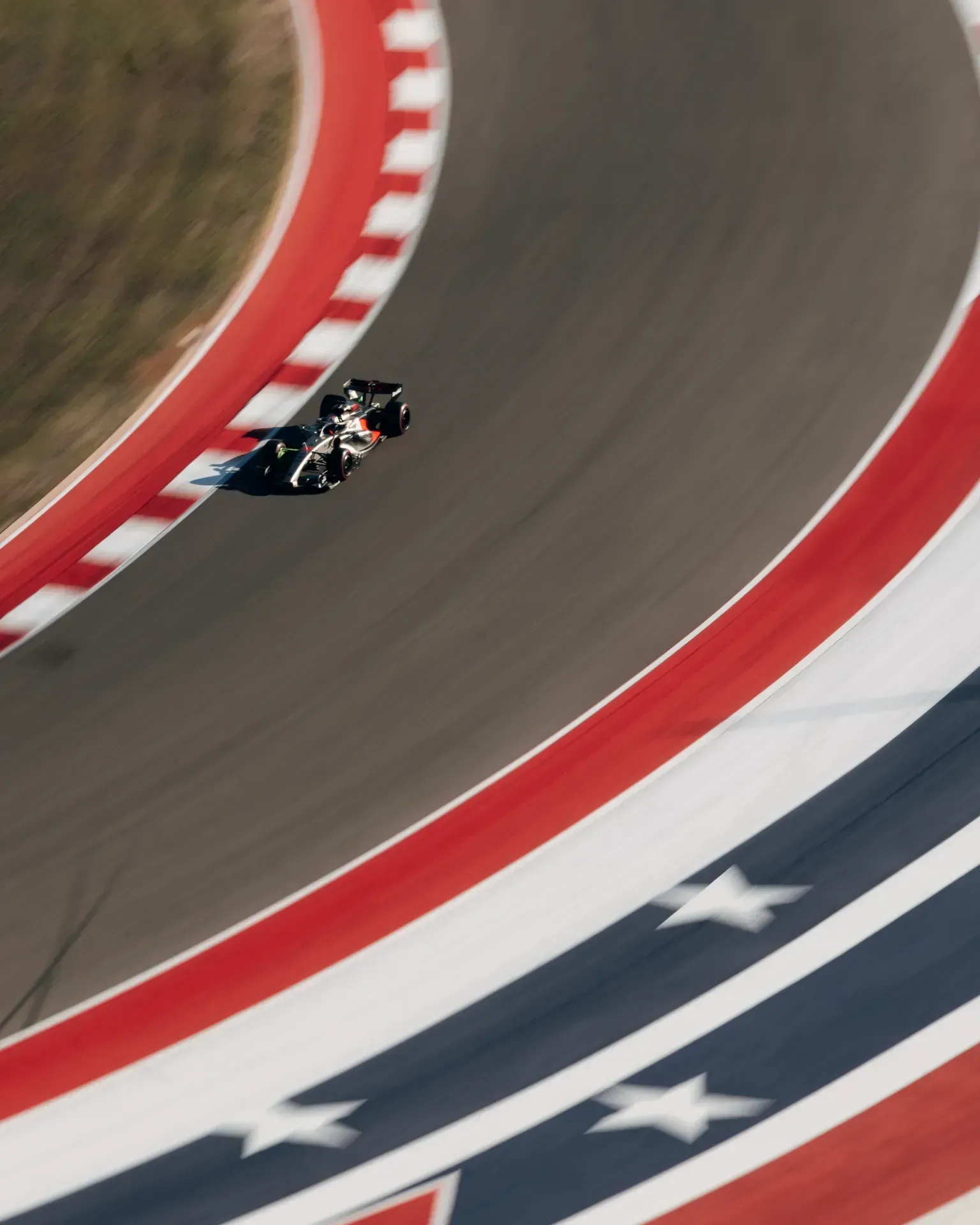
United States GP
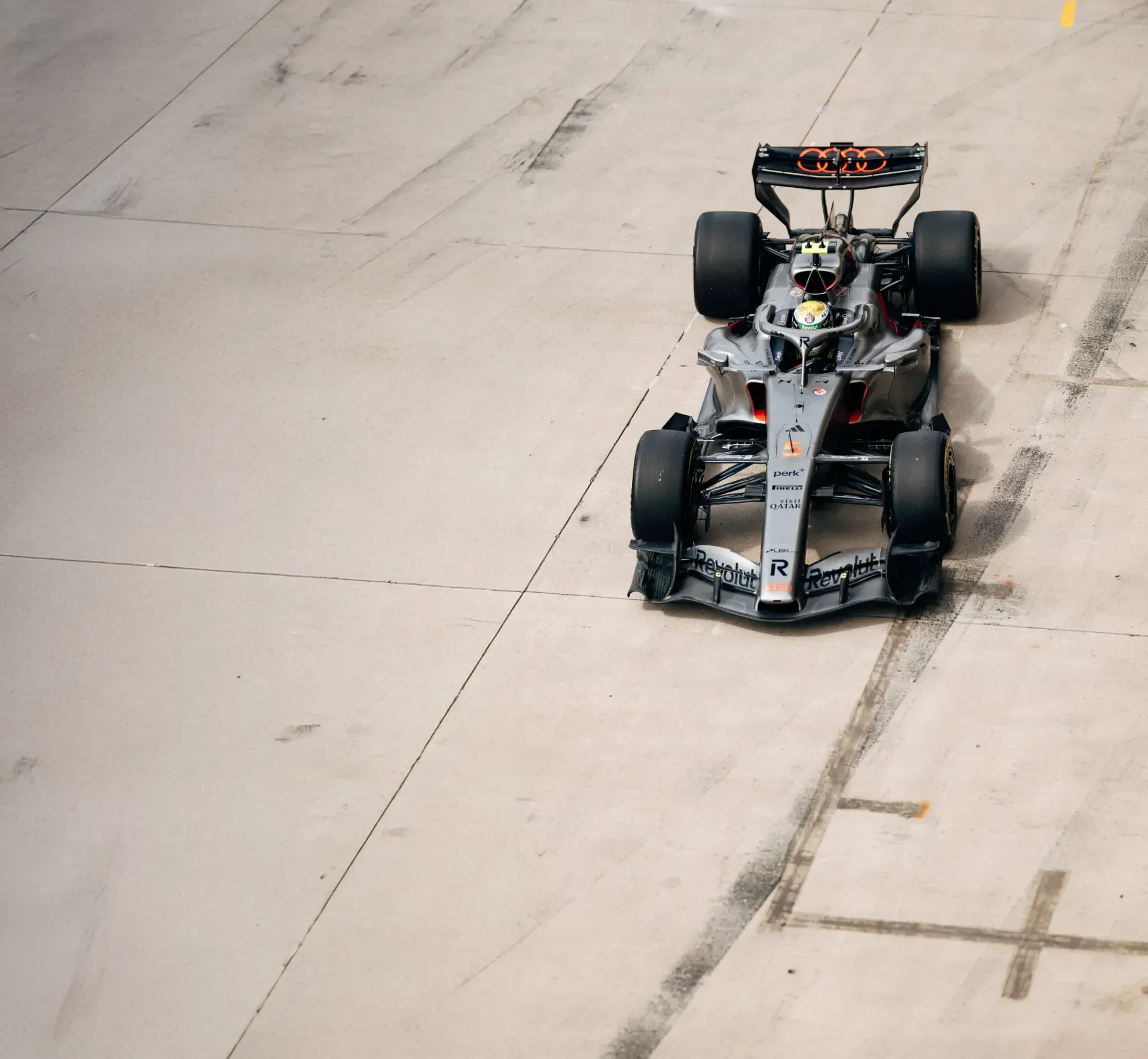
United States GP
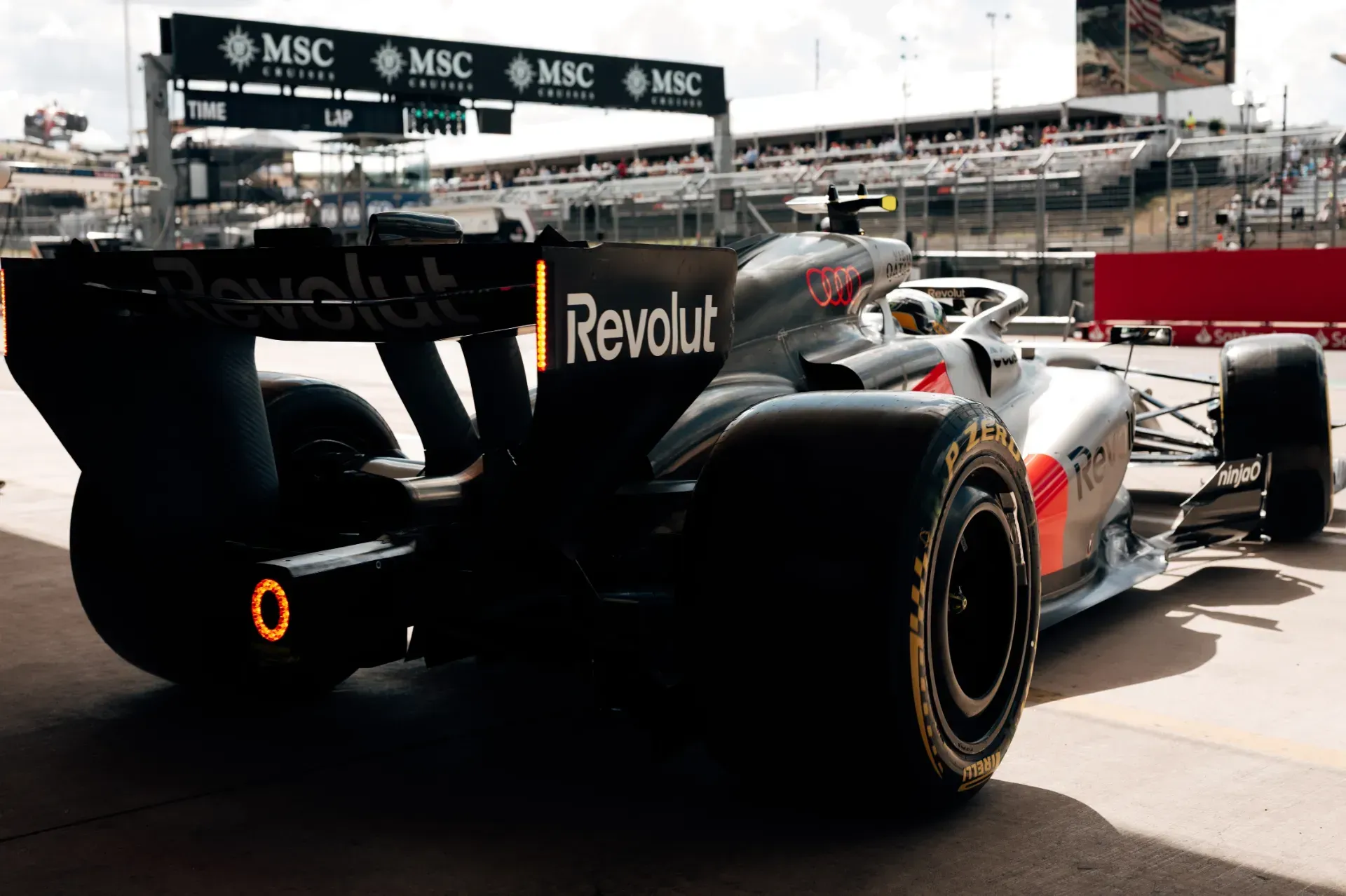
United States GP
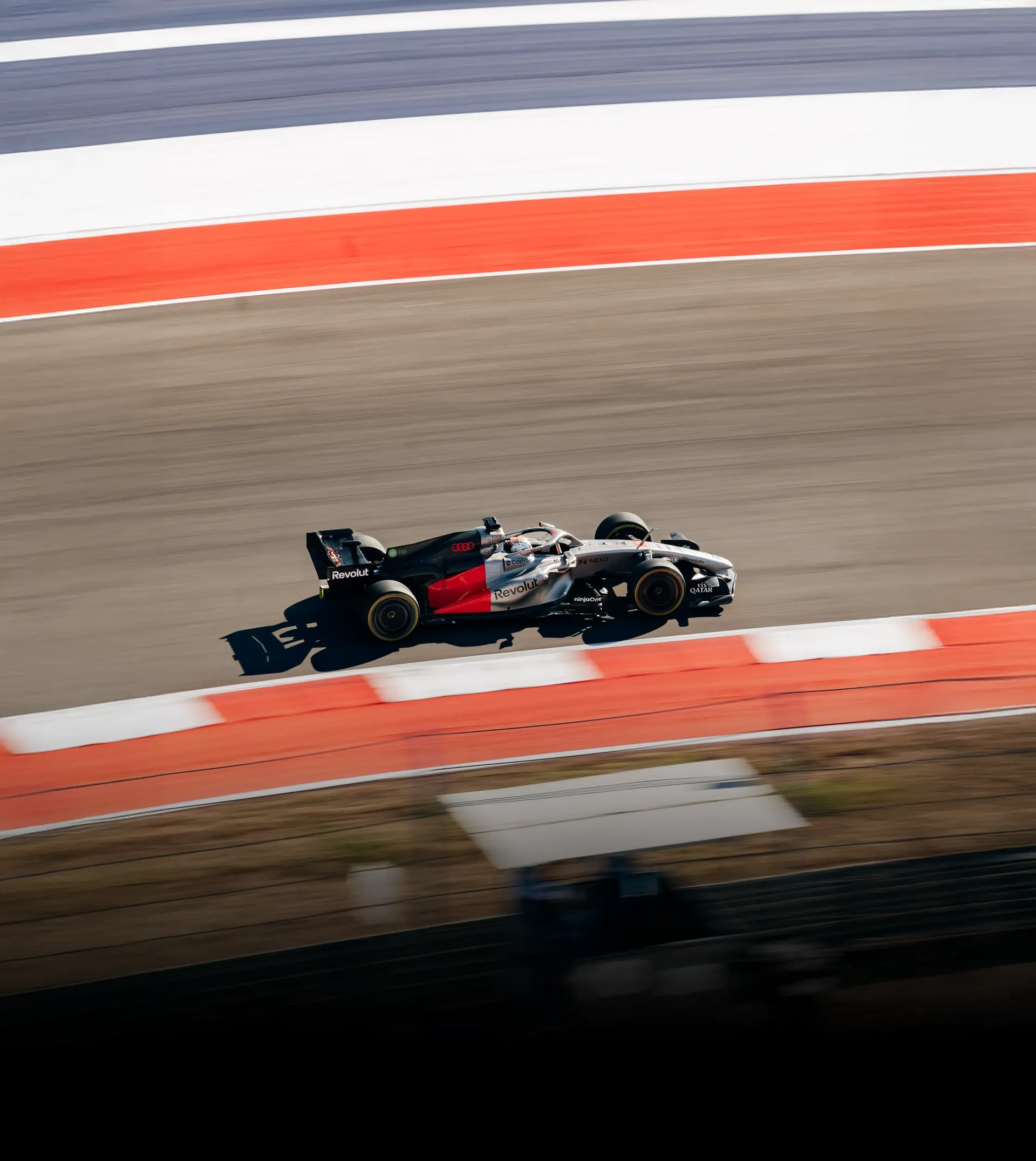
United States GP
DDP
United States GP
United States GP
United States GP

All for One
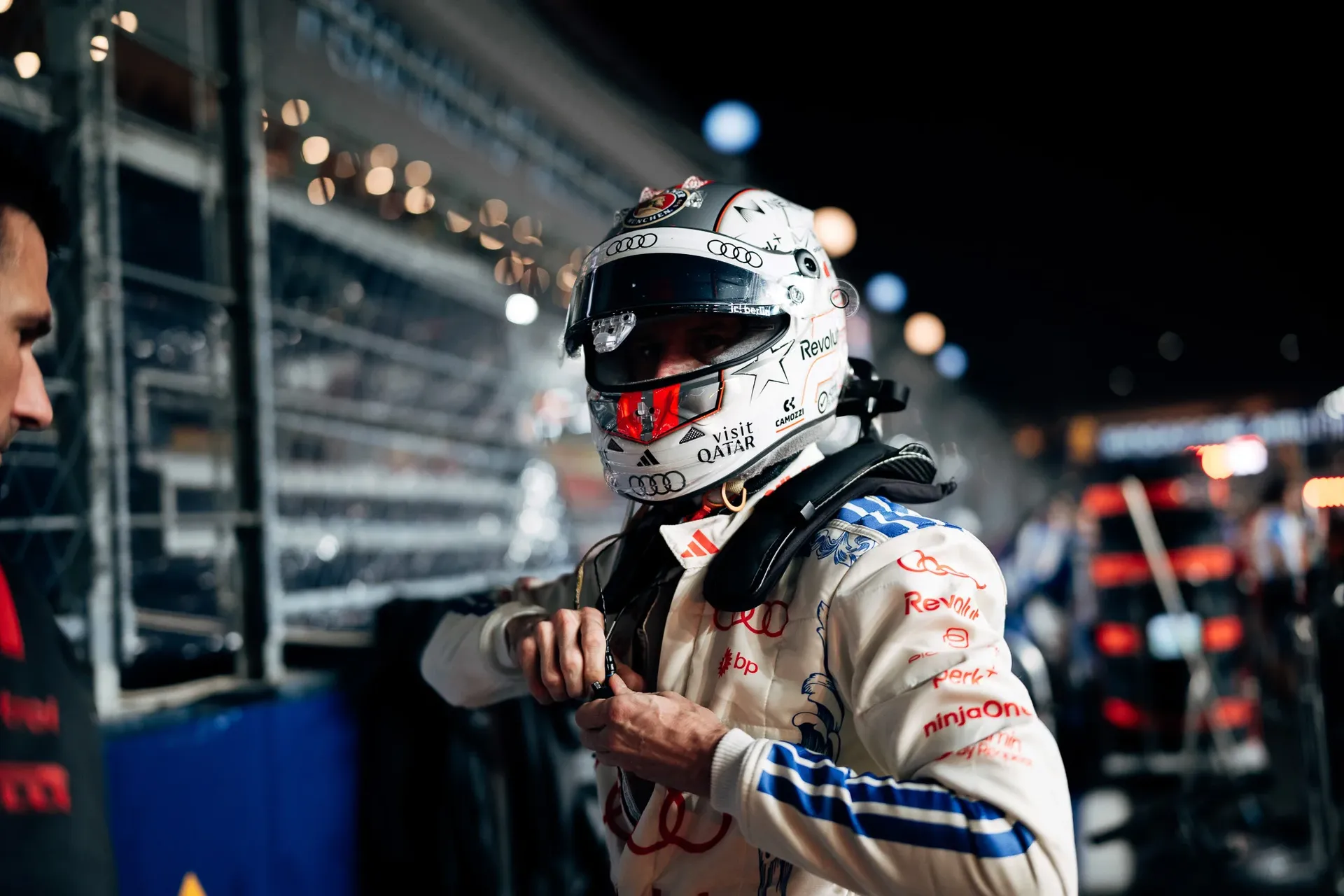
Singapore GP
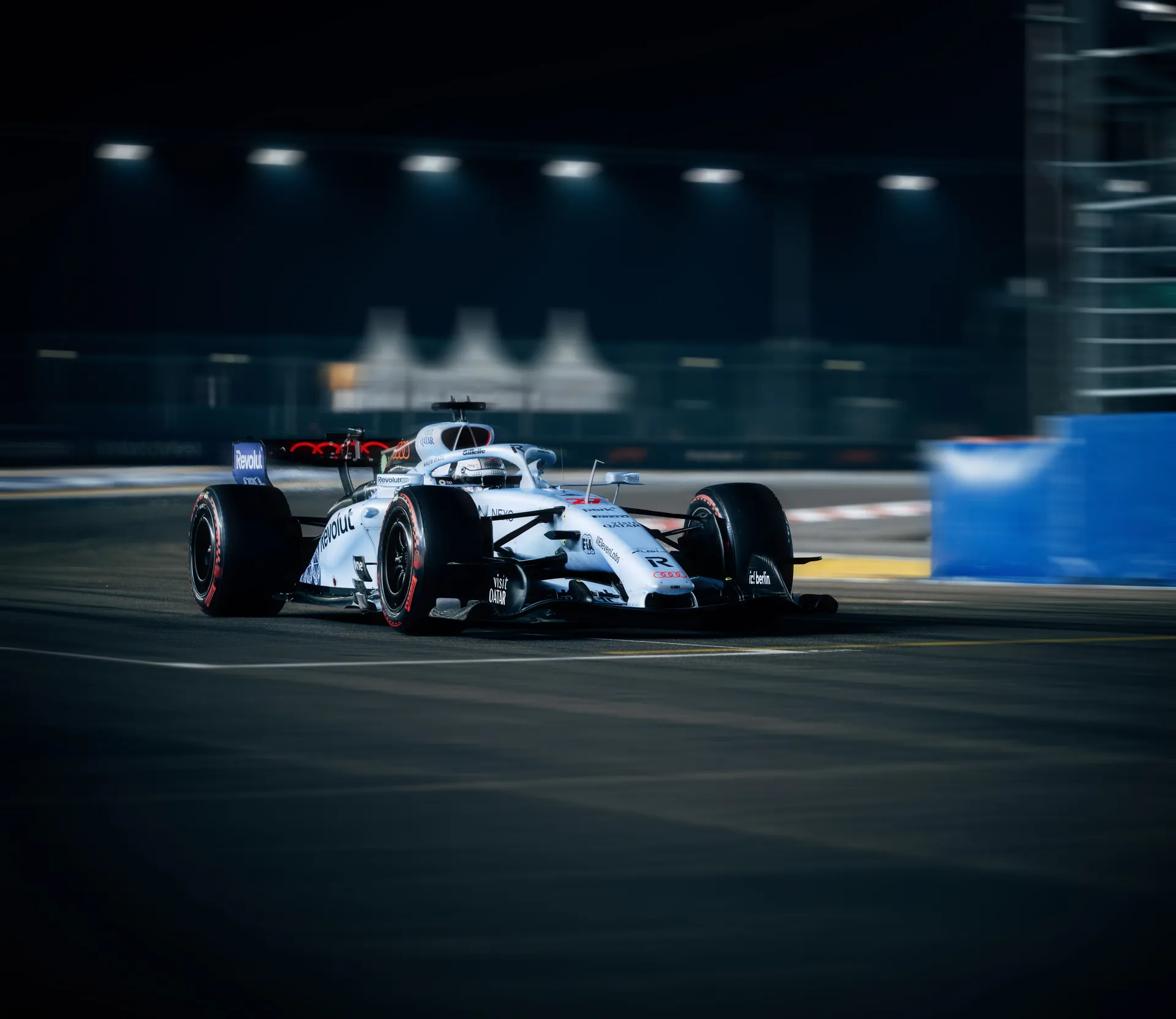
Singapore GP

Singapore GP
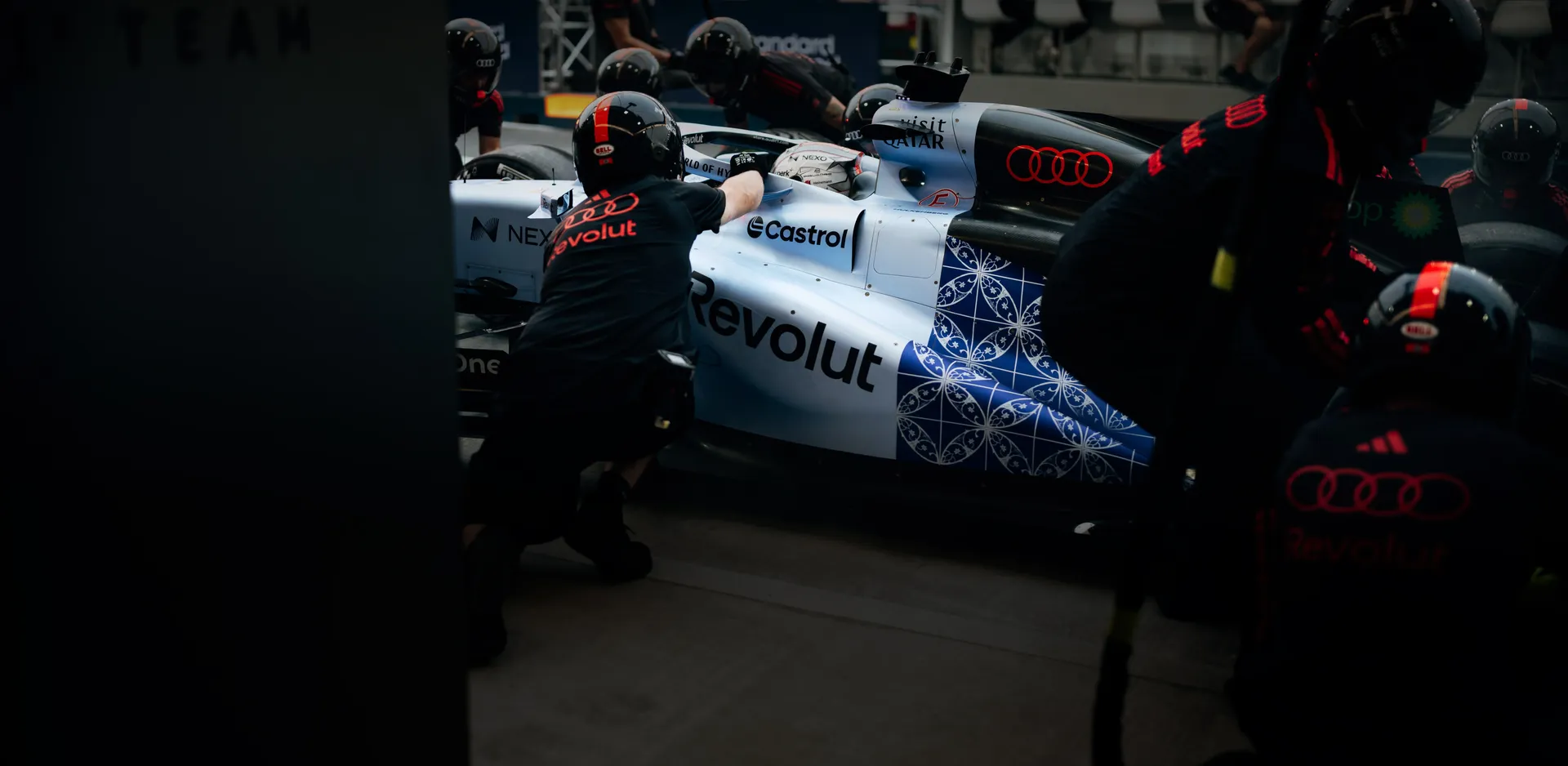
Singapore GP
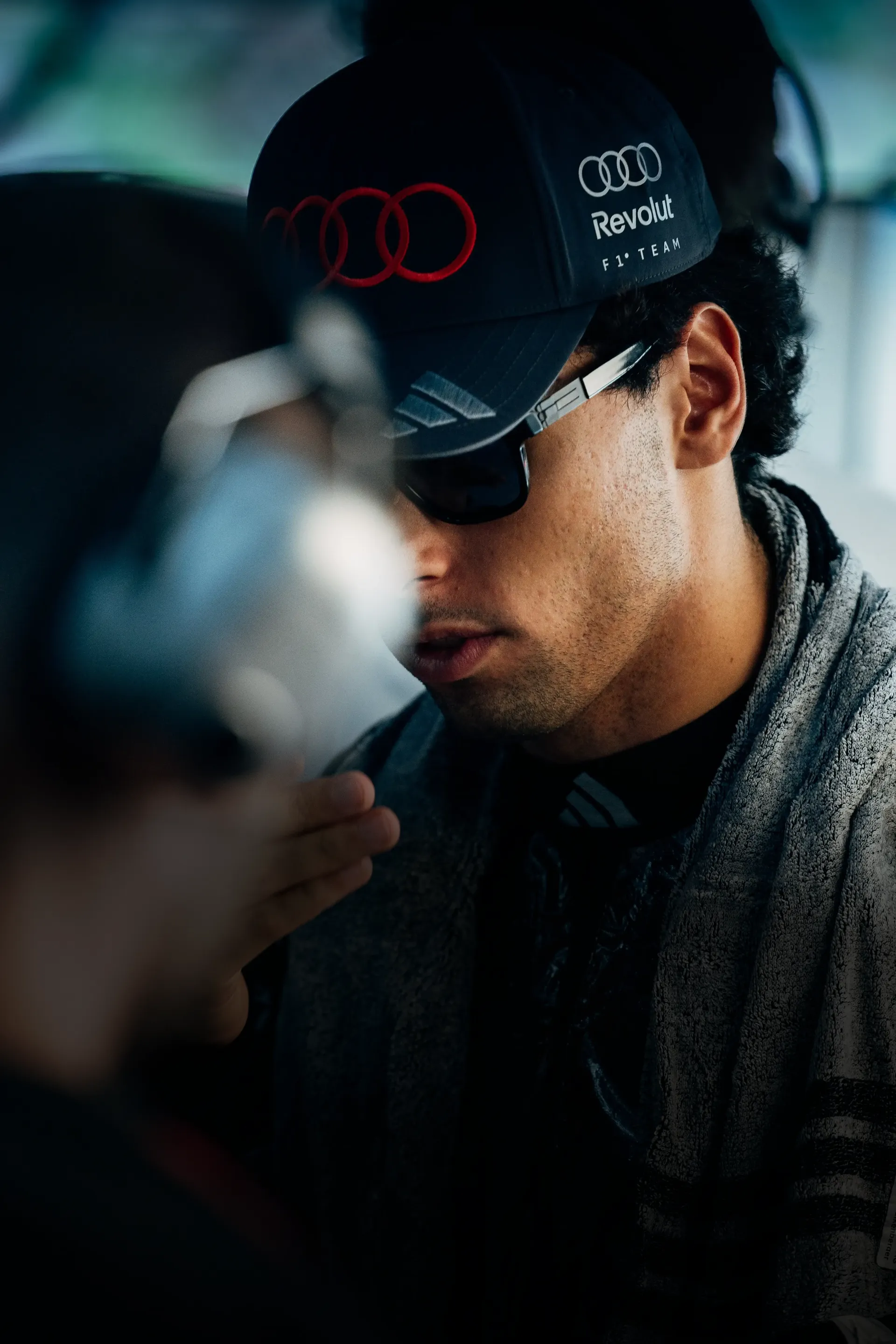
Singapore GP
Singapore GP
Singapore GP
Bahrain GP
Bahrain GP
Bahrain GP
Bahrain GP
Bahrain GP
Bahrain GP
Bahrain GP
Azerbaijan GP
Azerbaijan GP
Azerbaijan GP
Azerbaijan GP
Azerbaijan GP
Azerbaijan GP
Azerbaijan GP
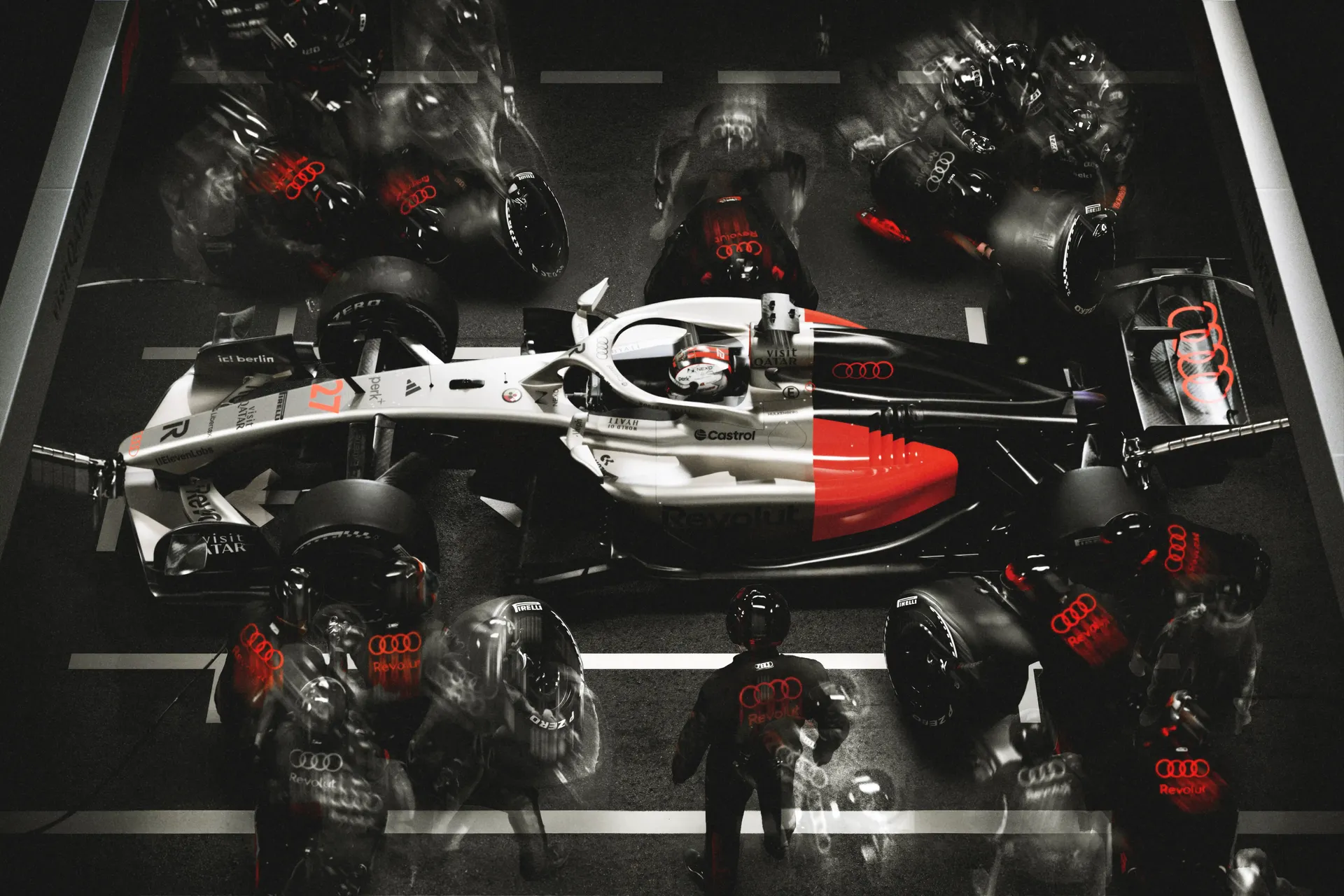
2027 Season
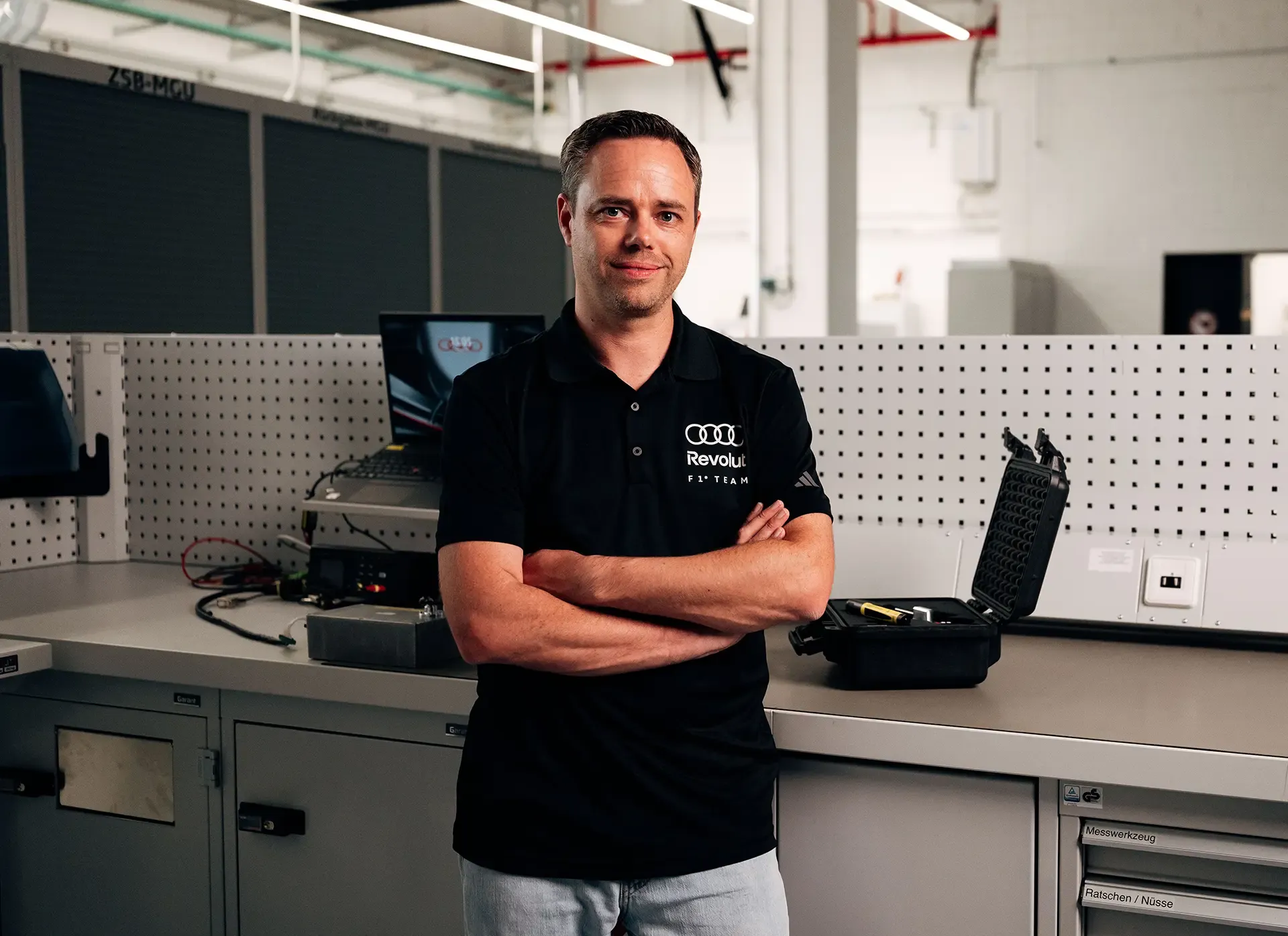
All for One
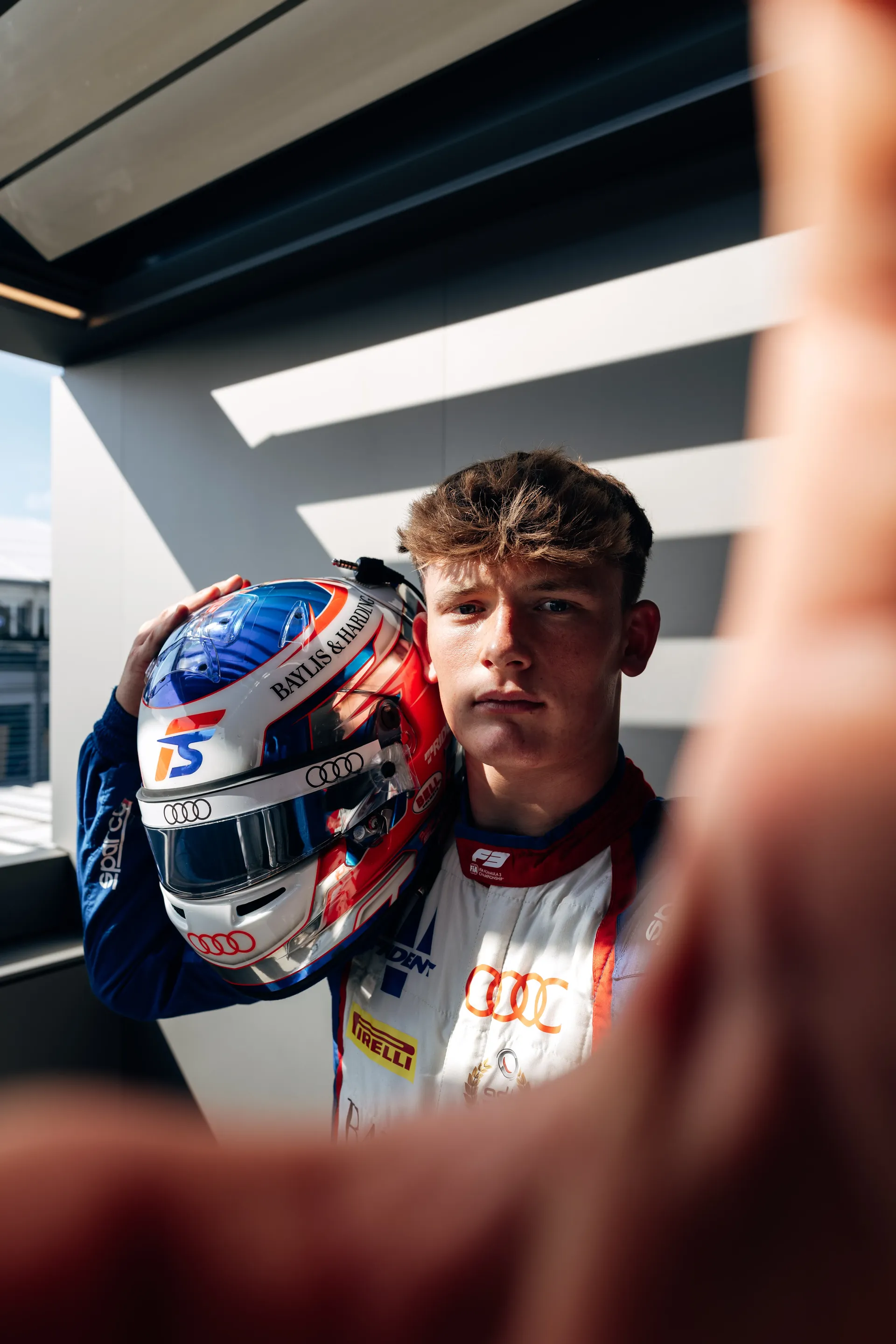
DDP
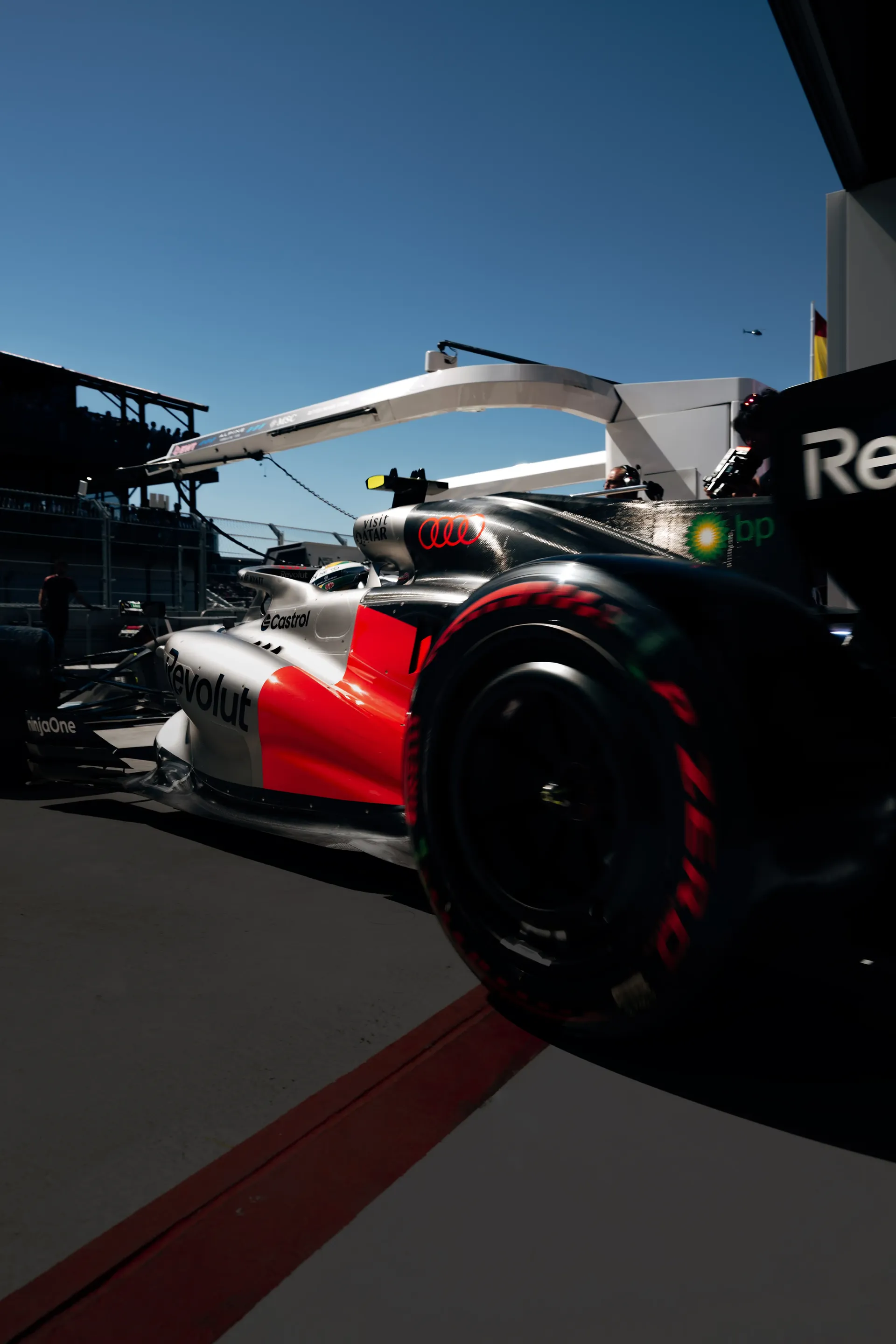
Spanish GP
Spanish GP
Spanish GP
Spanish GP

Spanish GP
Audi(o)
Spanish GP
Spanish GP
Italian GP
Italian GP
Italian GP
Italian GP
2026 season
Italian GP
Italian GP
All for One
Dutch GP
Dutch GP
Dutch GP
Dutch GP
Dutch GP
Dutch GP
2026 Season
F1® Insights
DDP
Season review
Interview

All for One
Breaking News
Hungarian GP
Hungarian GP
Hungarian GP
Hungarian GP

Challenge
Hungarian GP
Hungarian GP
Belgian GP
Belgian GP
Belgian GP
Belgian GP
Belgian GP
Belgian GP
Belgian GP
All In
Nico vs. Gabi
View on the season
British GP
British GP
British GP
British GP
British GP
British GP
British GP
British GP
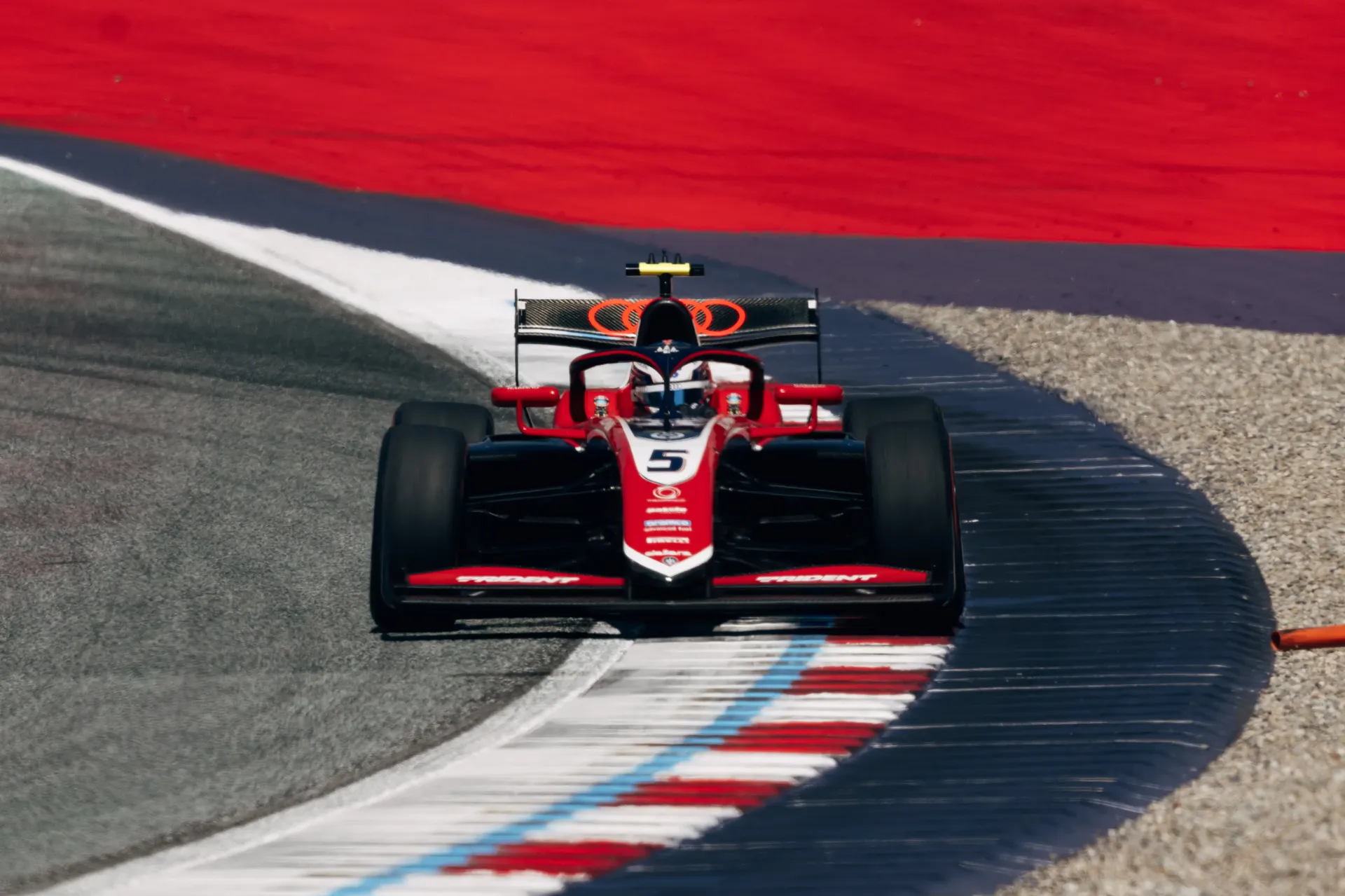
Austrian GP
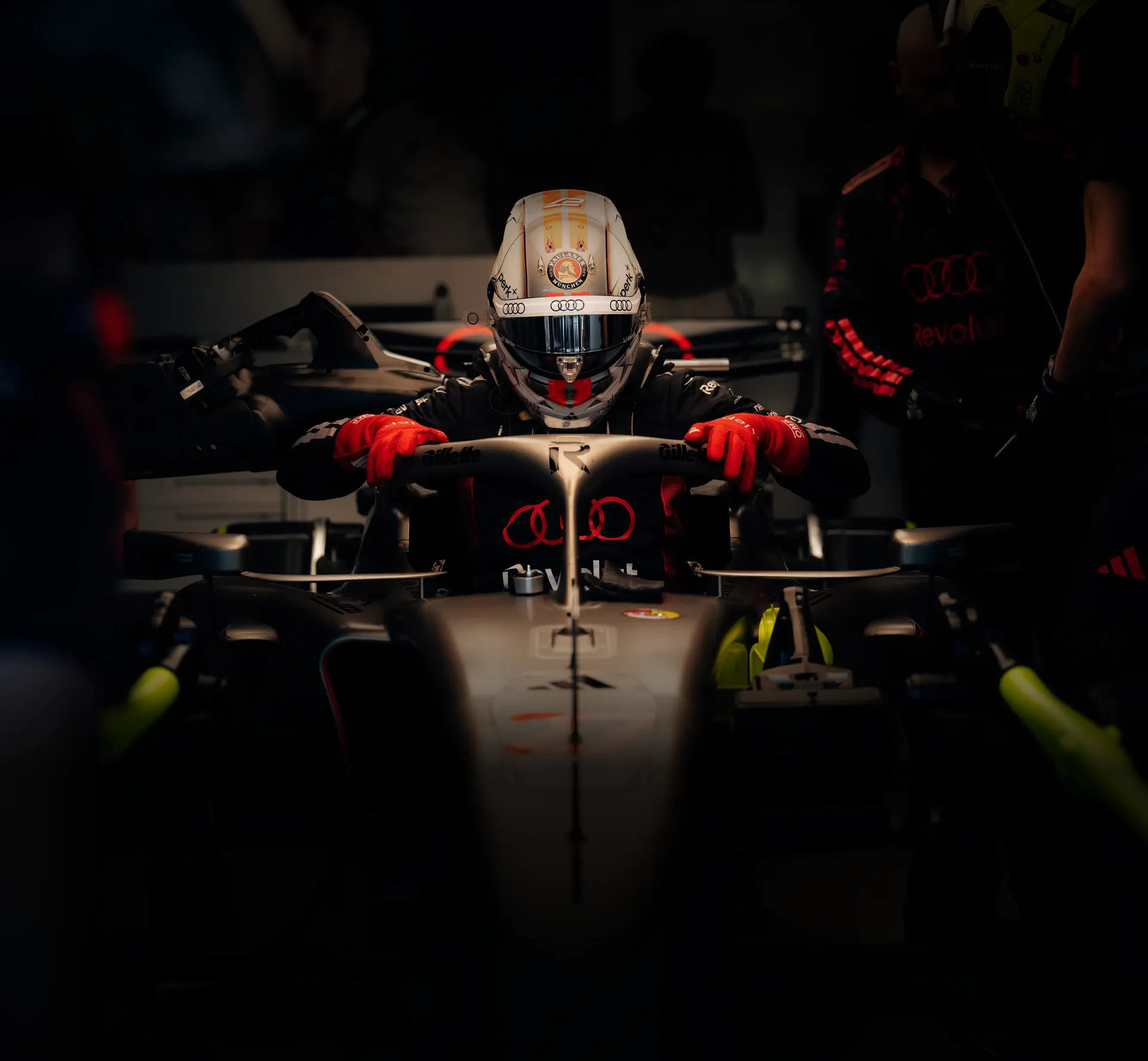
Austrian GP

Austrian GP
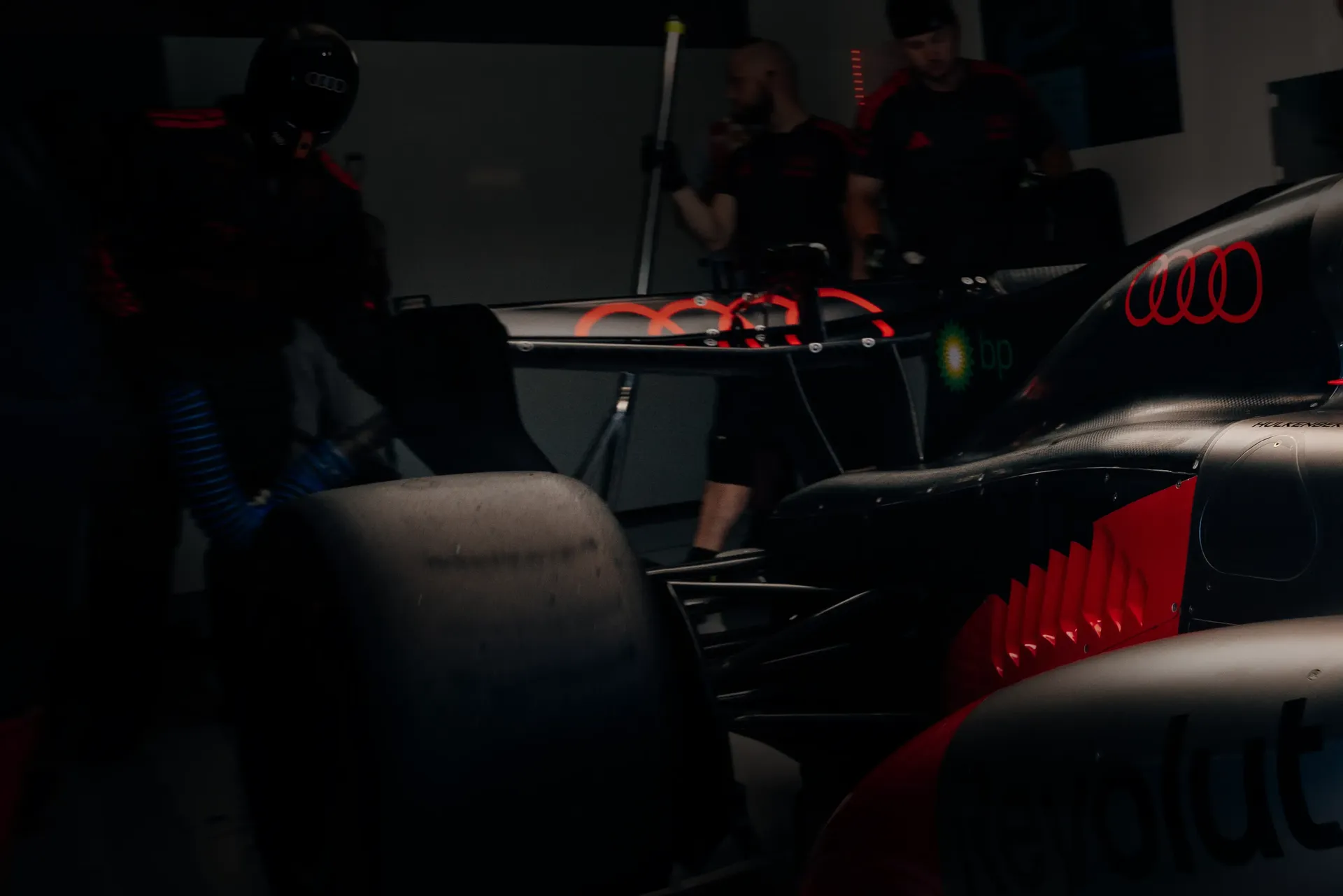
Austrian GP
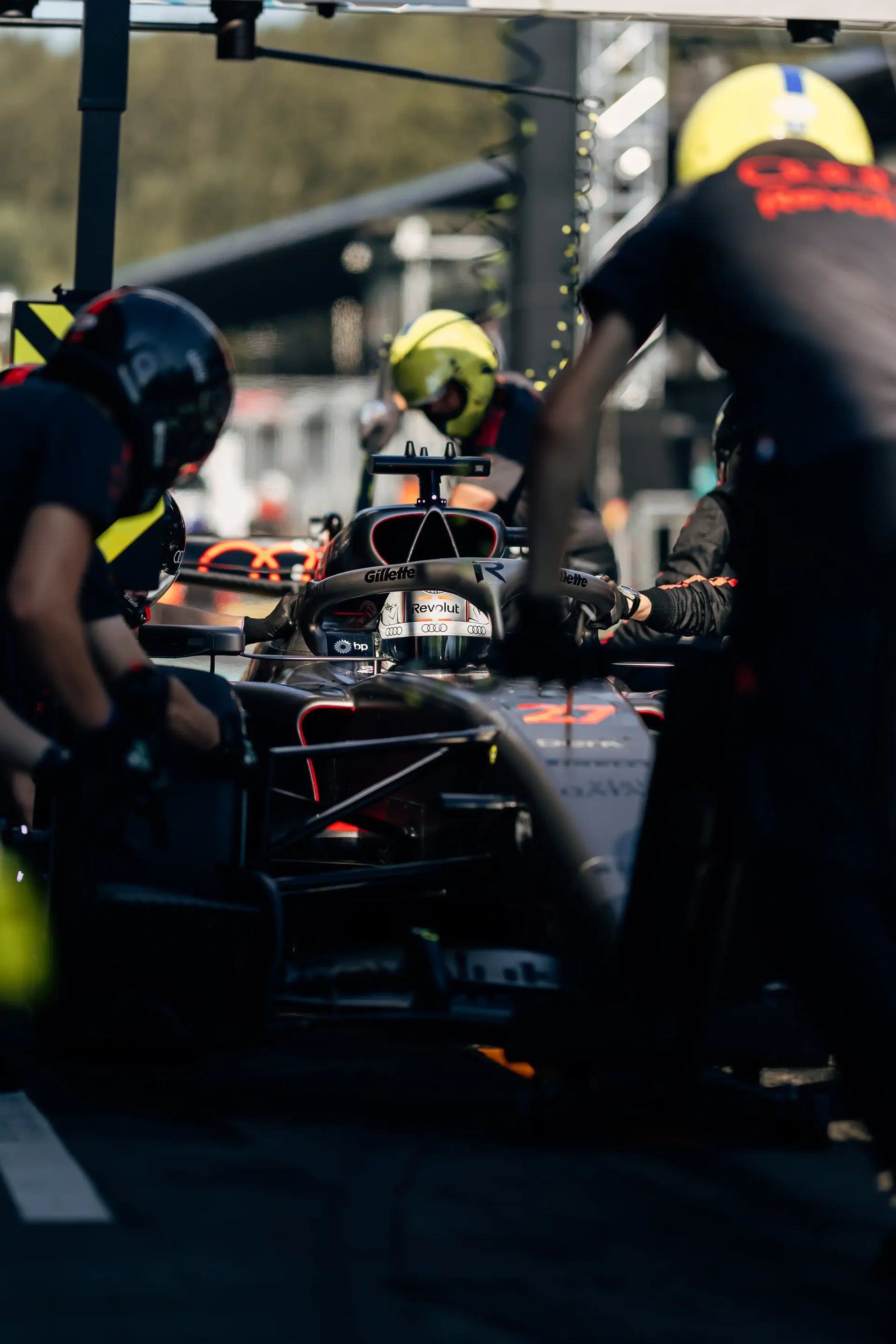
Austrian GP
Austrian GP

Community excklusive
Austrian GP
Austrian GP
Monaco GP
All for One
Barcelona GP
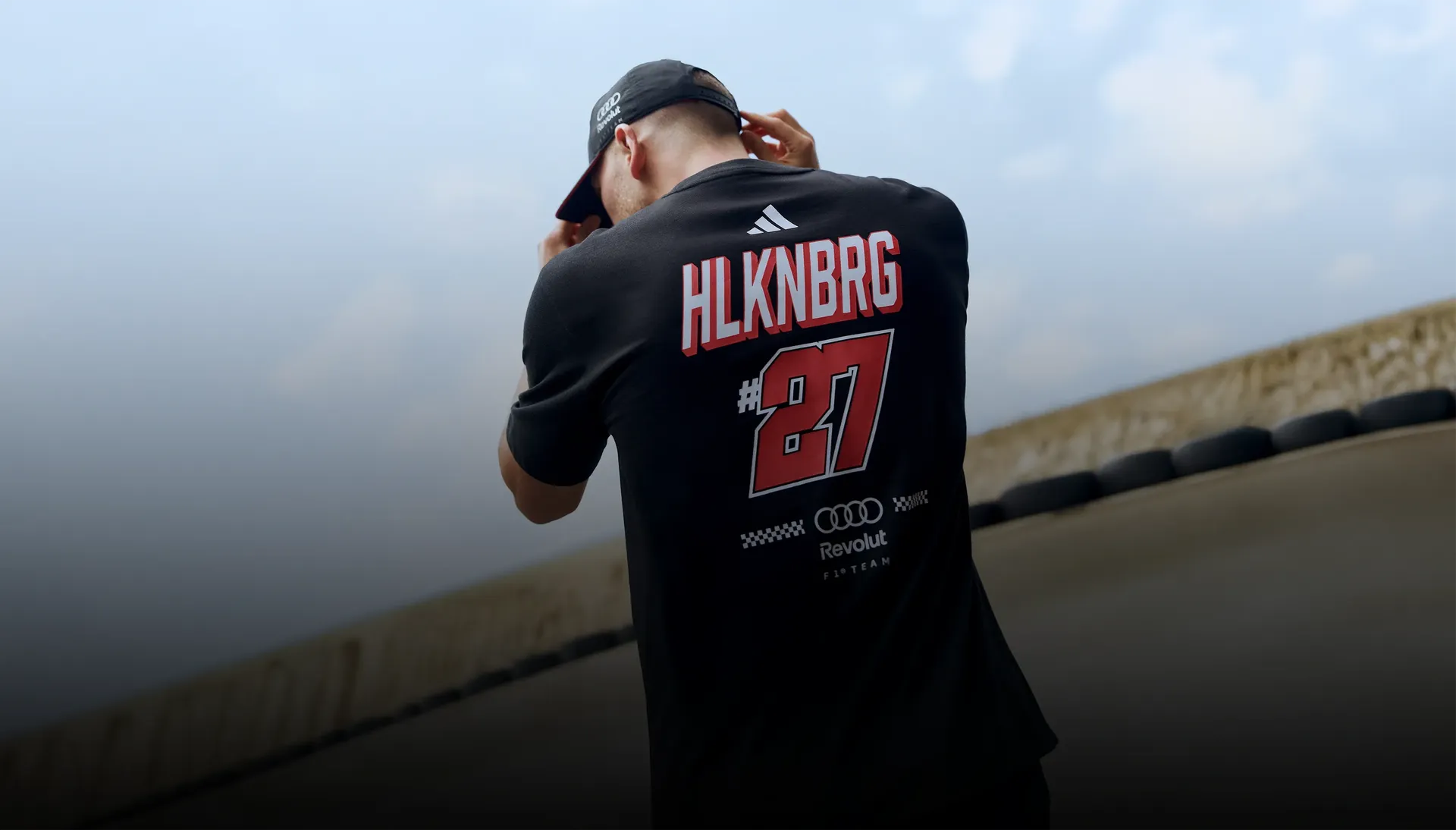
Get behind Nico and Gabi with the adidas x Audi Revolut F1® Team Graphics Pack.
Pick your favourite from the adidas x Audi Revolut F1® Team Graphics Pack.