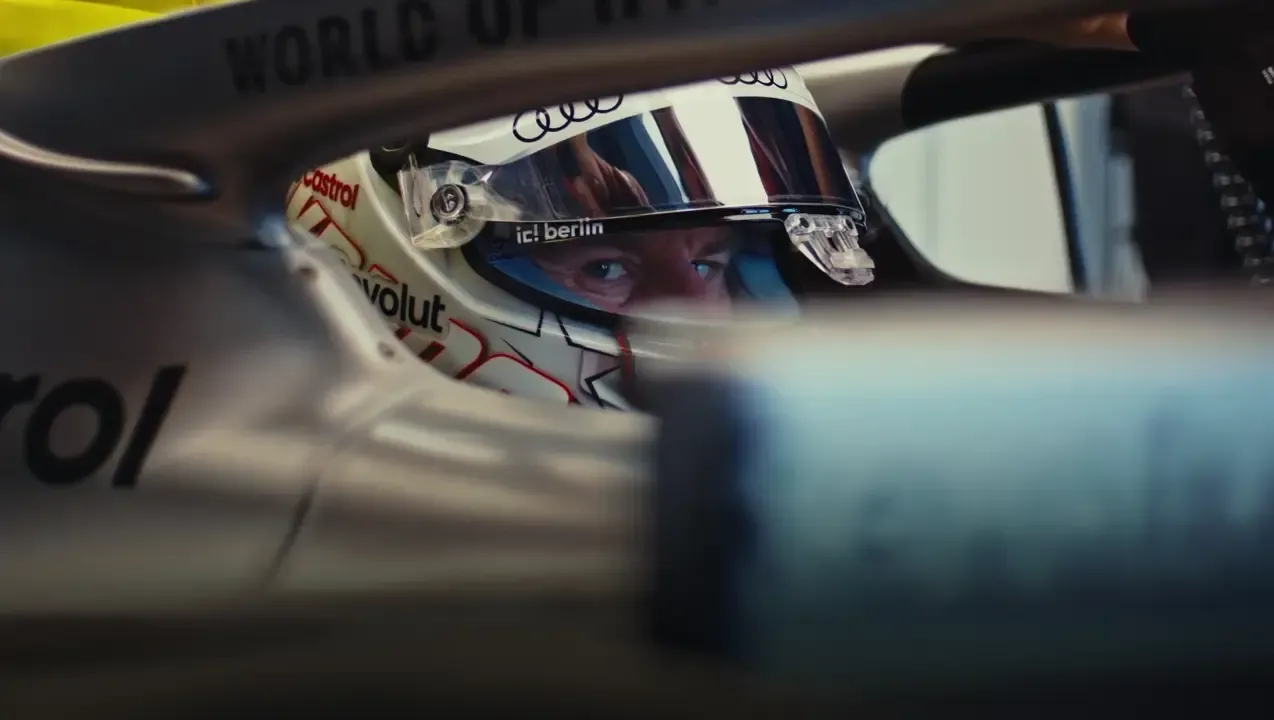
60°C
The temperature inside an F1® cockpit can exceed 60 degrees Celsius during the Singapore Grand Prix. It’s sauna-like conditions, but experienced while wearing a race suit and helmet.
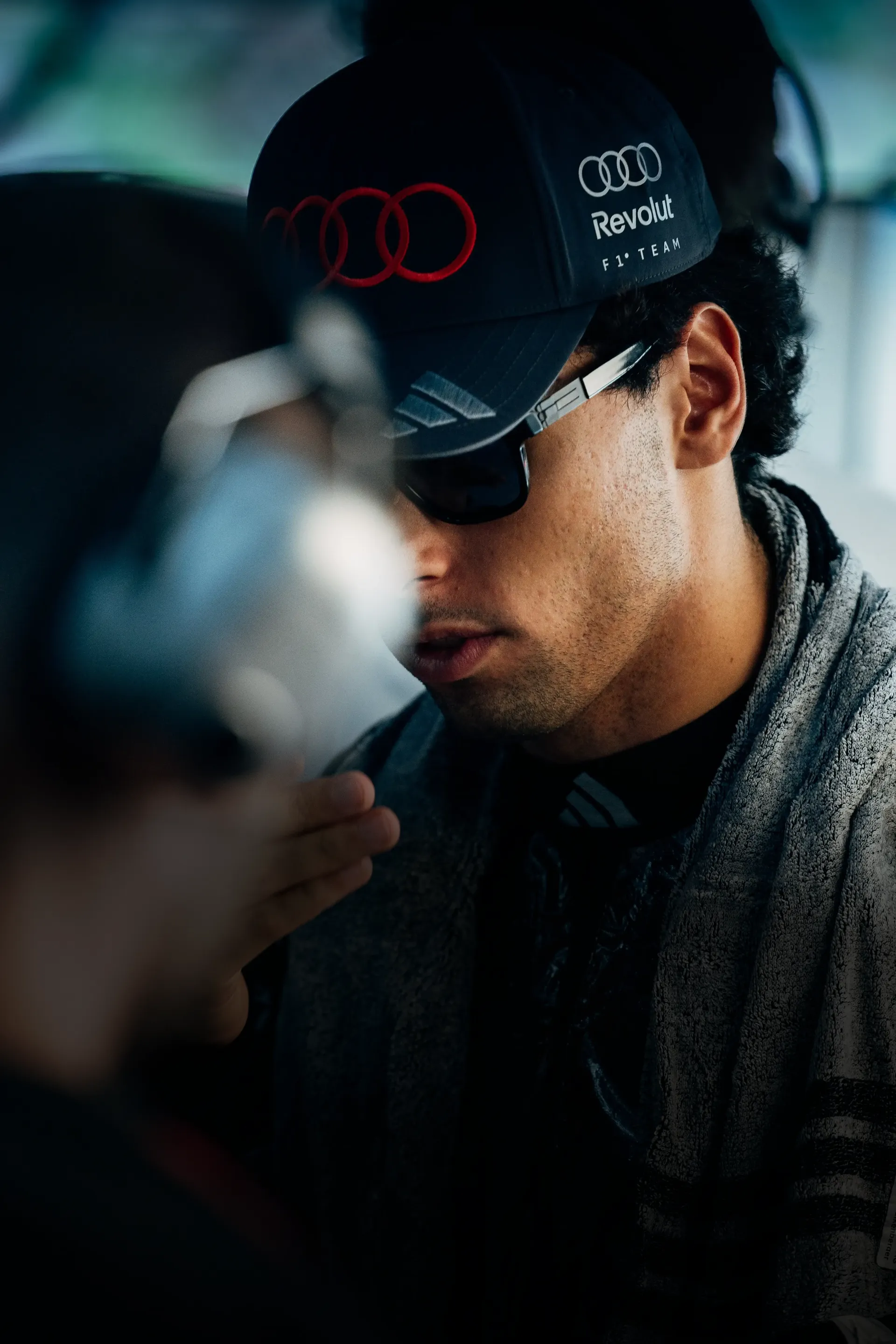
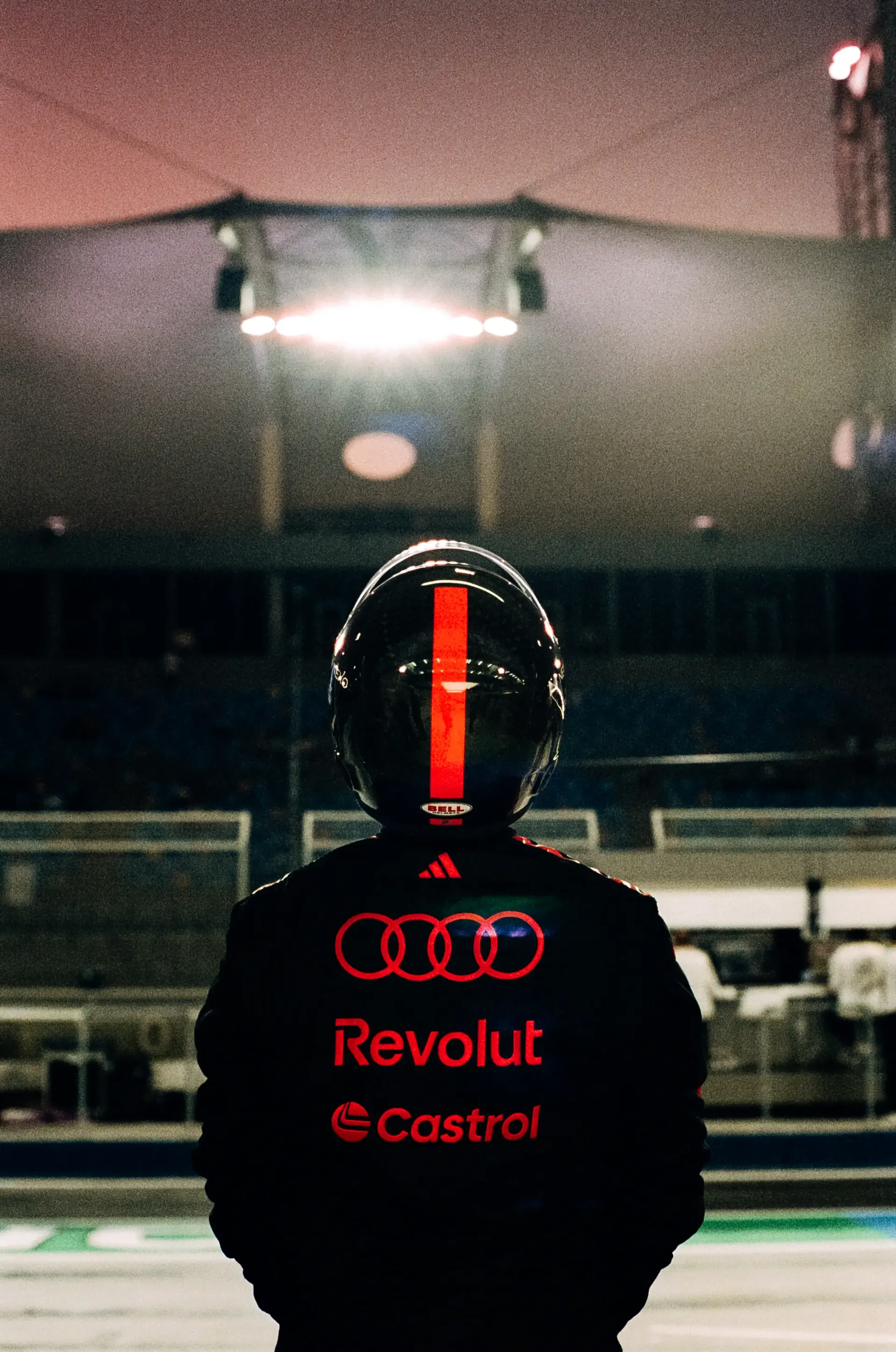
The Singapore Grand Prix is the toughest test of the year for driver fitness. But how do Audi Revolut F1® Team’s drivers prepare for race weekend?
The Singapore Grand Prix is the most brutal test of driver fitness during the Formula 1 season. The sport’s original night race takes place under floodlights – but the night-time conditions certainly do not make the experience any easier for the drivers.
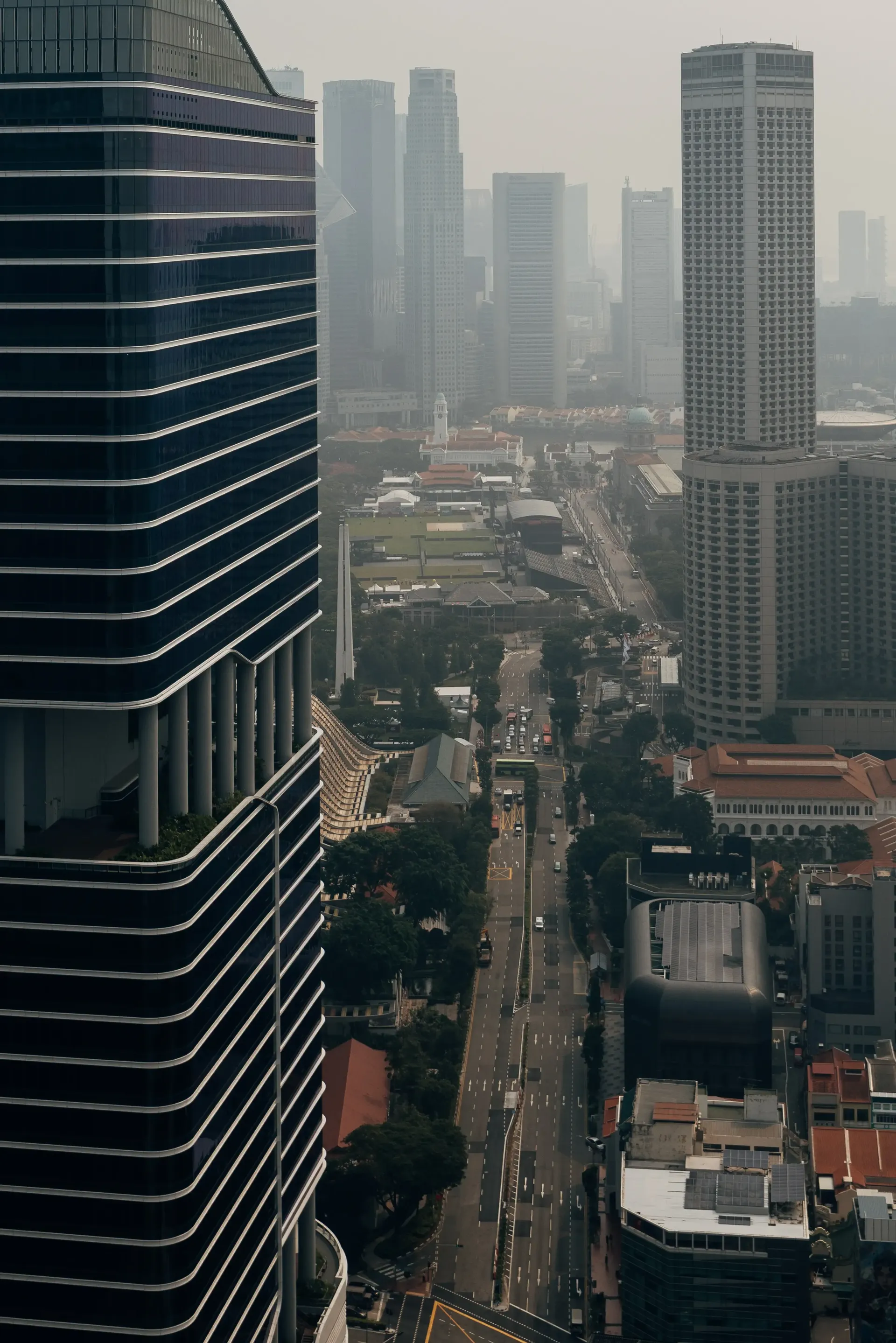
Marina Bay Street Circuit’s stop-and-start nature, paired with corners that demand maximum precision and braking points on bumpy surfaces that are more used to encountering local traffic than Formula 1 cars, makes the Singapore Grand Prix a relentless challenge.
Away from the layout, the tropical conditions in which the race takes place – in high humidity, with soaring cockpit temperatures and little in the way of cooling – make the challenge all the more difficult.
The Singapore Grand Prix is a real test of endurance, too. With frequent Safety Car periods and a relatively slow average speed, races here often sail close to the two-hour time limit. Last year’s race here was the shortest to date, but even that lasted an hour and forty minutes – longer than the majority of Grands Prix held so far this year.

Ask any F1® driver and they’ll tell you that the Singapore Grand Prix is the one that requires the most training. If you can master the conditions in Singapore, both mentally and physically, you can likely survive a Grand Prix distance anywhere in the world.
Specialised pre-season training in endurance and stamina is essential for laying the groundwork for what is to come later in the year. Over the summer break, drivers will often intensify their training exercises to help acclimatise to Singapore’s punishing conditions.
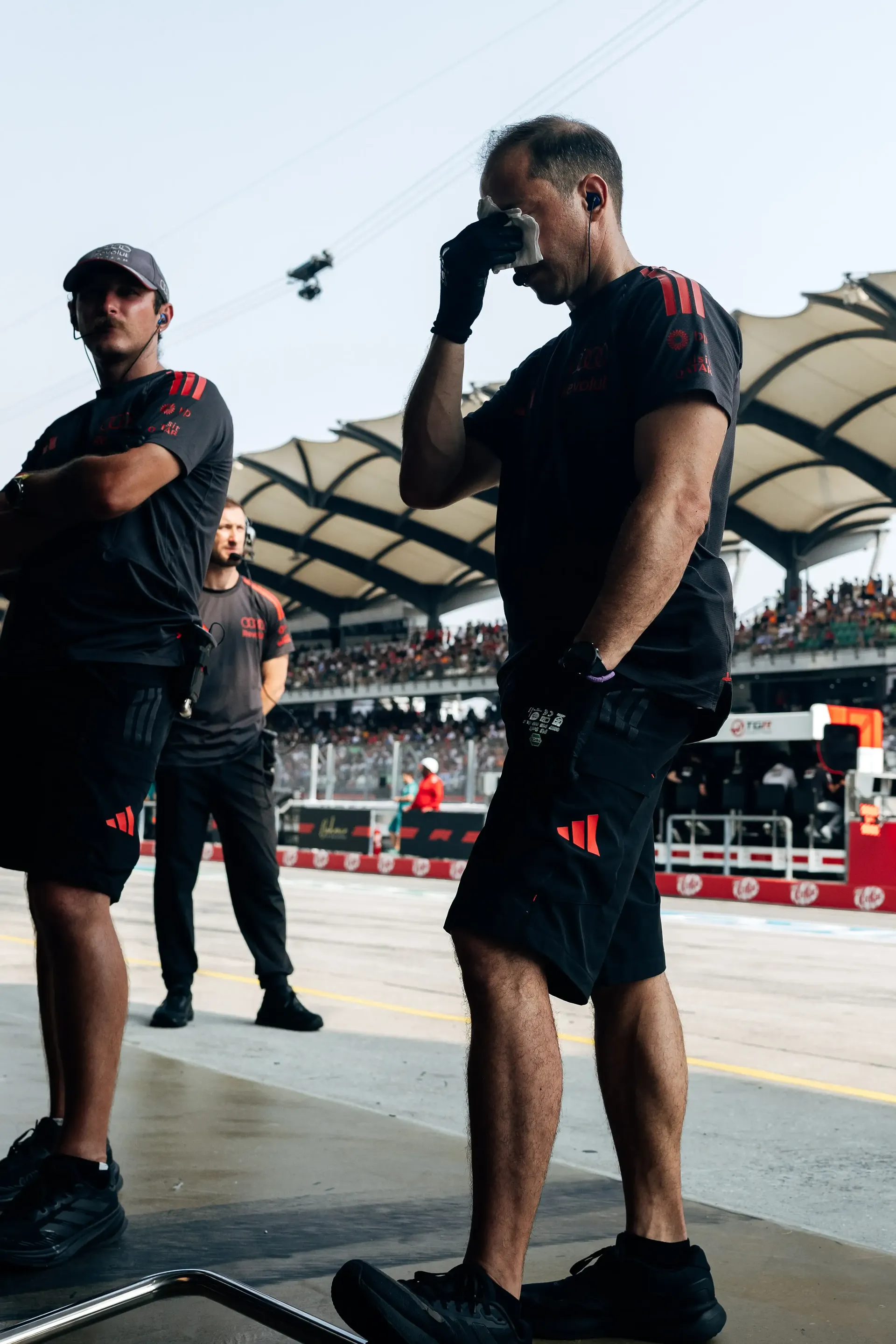

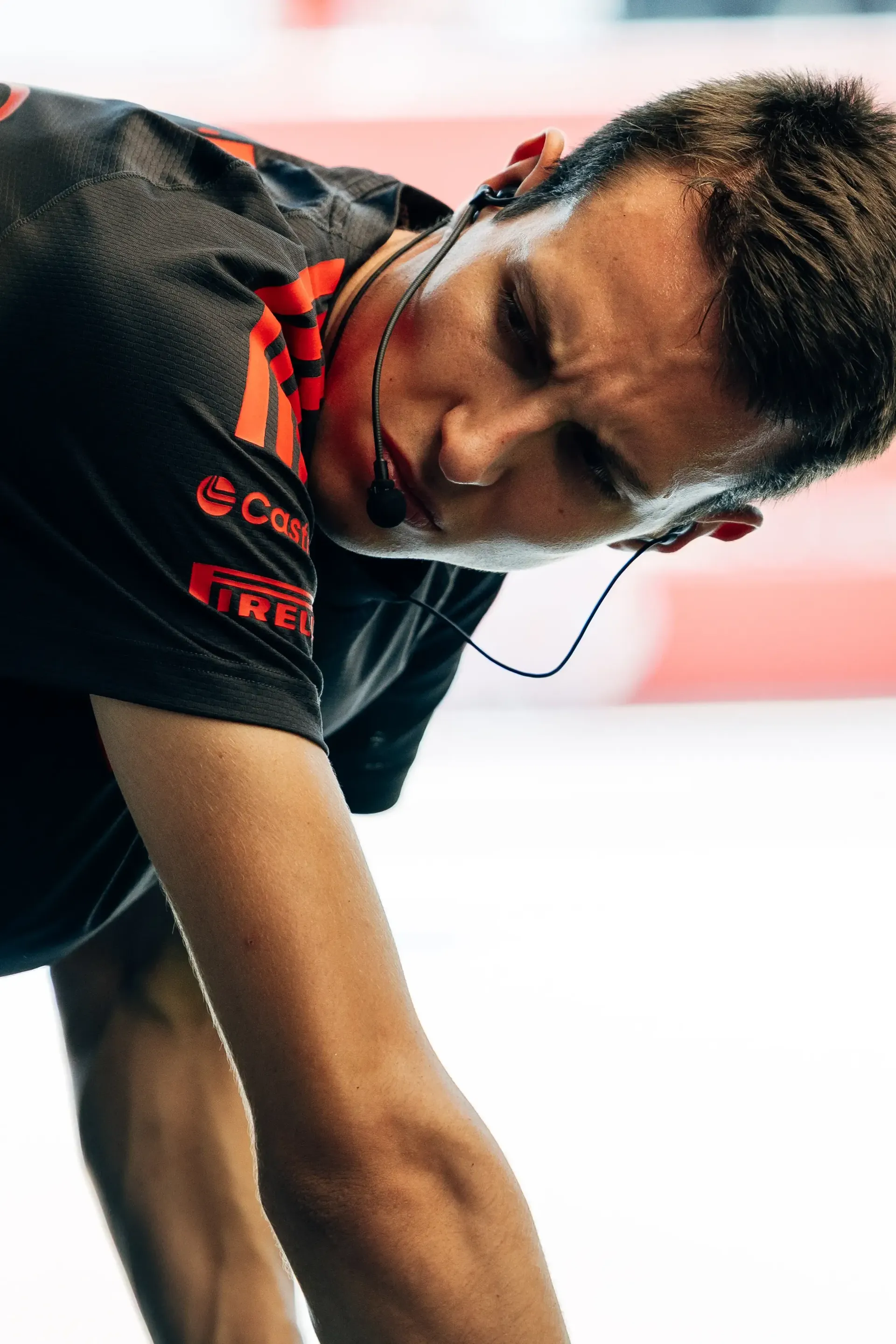
Singapore’s night-time race schedule poses another logistical challenge. Teams will stay on European time so that they are as awake and alert as possible by the time the Singapore evening rolls in.
Drivers will sleep through the morning, wake after lunchtime, head to the track mid-afternoon and end their day at around 4am. This approach, when teams have flown over from Europe, would usually help to negate the effect of jet lag – but the fact that a daytime race in Malaysia, which shares the same time zone as Singapore, preceded the Singapore Grand Prix this year means that some adjustment still needs to take place in the lead-up to the Singapore race weekend.

A lap of Marina Bay Street Circuit is demanding. With walls just centimetres away and all the bumps of roads which are used to everyday city life, mastering this track requires traction, bravery on the brakes and a cool head.
The temperature inside an F1® cockpit can exceed 60 degrees Celsius during the Singapore Grand Prix. It’s sauna-like conditions, but experienced while wearing a race suit and helmet.
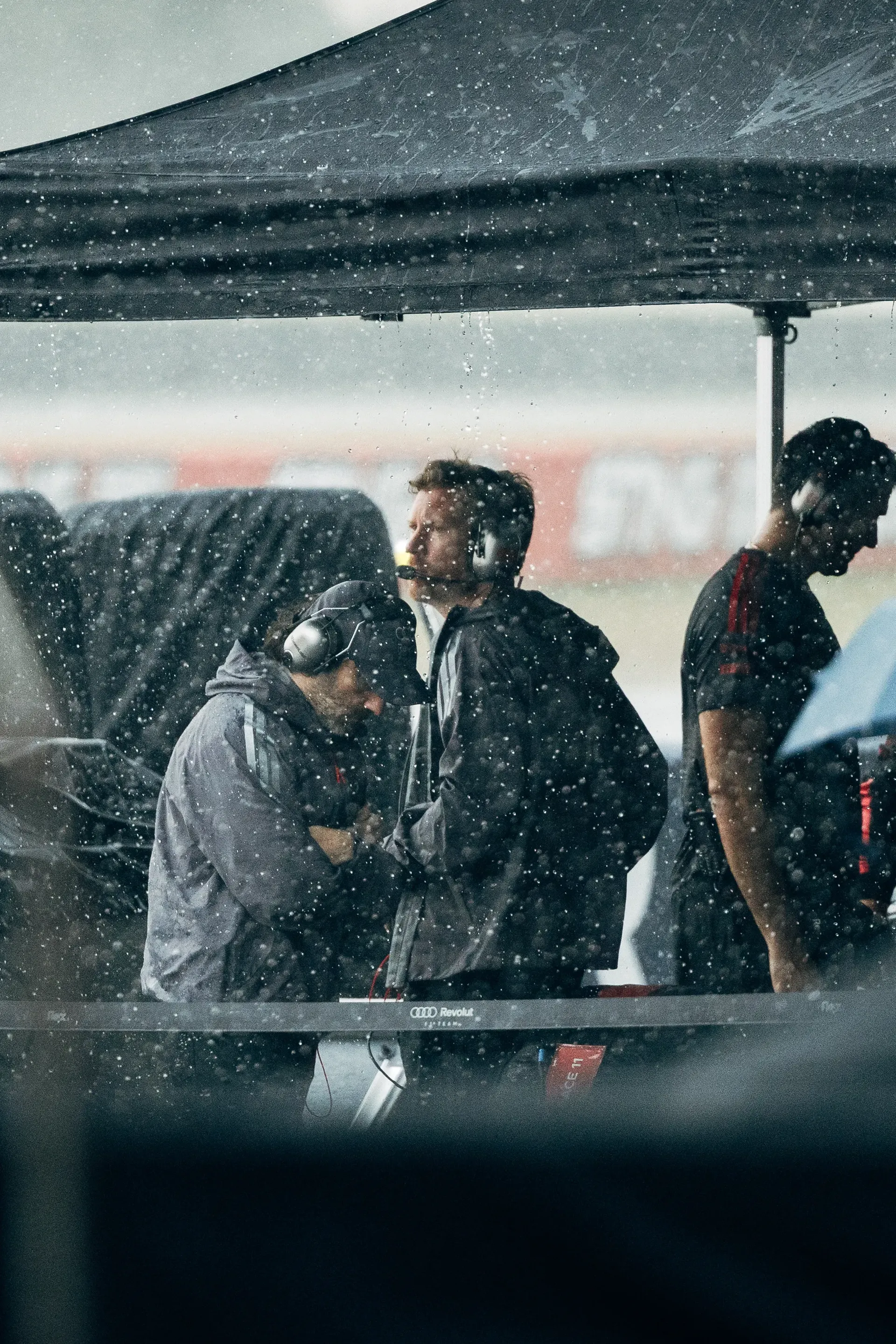
Being close to the equator, Singapore has very high humidity levels year-round. Humidity of 80% isn’t unusual on race night, which can make the temperature feel even higher.
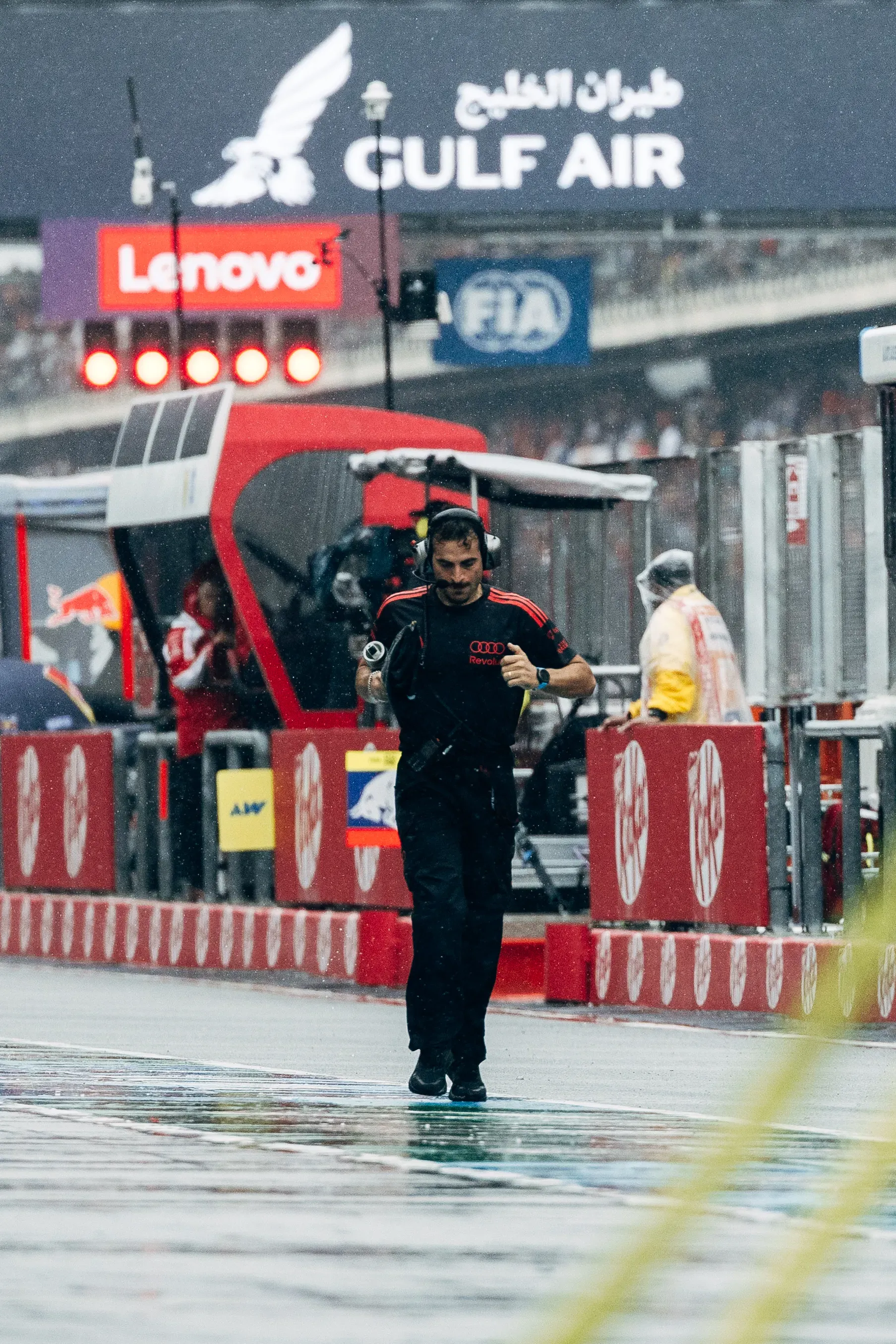
The total number of Safety Car and Virtual Safety Car periods in the 16 Singapore Grands Prix held to date. The 2024 and 2025 races were the first to feature no Safety Car interruptions.

During the Singapore Grand Prix, drivers can lose up to 4kg in body weight.
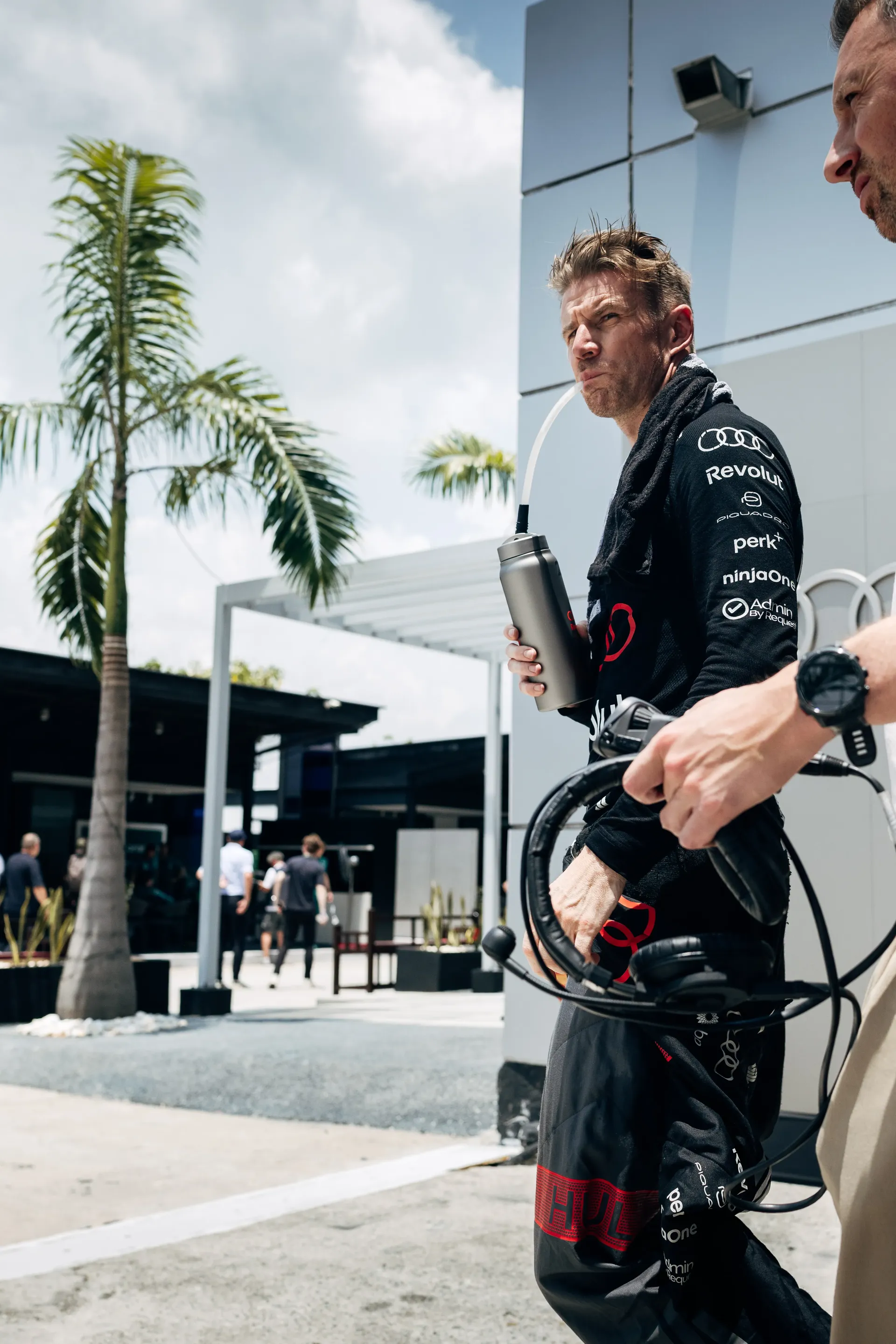
The capacity of the hydration system in an F1® car typically holds 1.5 litres - it’s a helpful tool for managing hydration – but not enough to completely replace the amount of fluid lost over the course of a Singapore race.
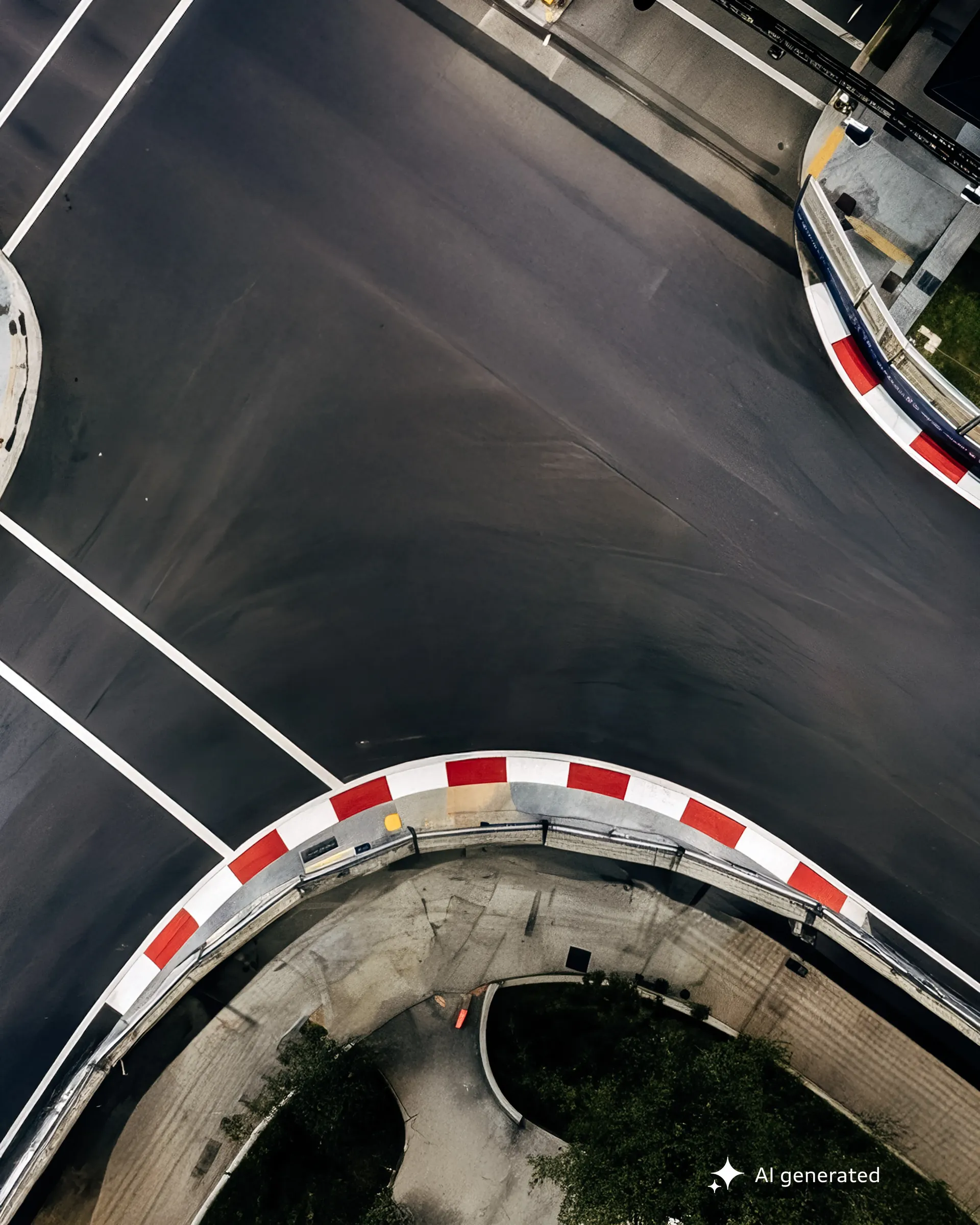
The longest section of track at Marina Bay Street Circuit between braking points is under 650m, adding to the track’s relentless feel.
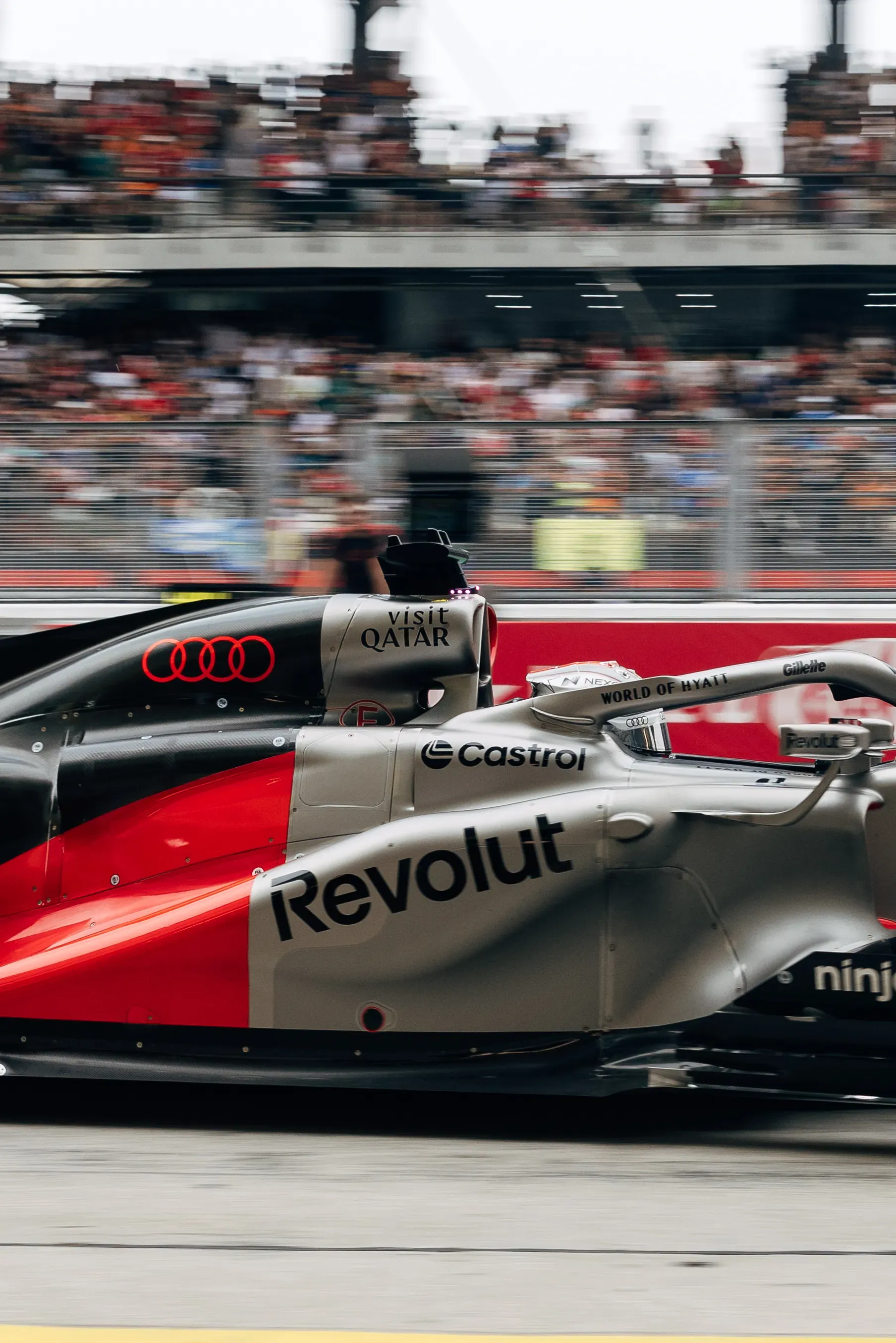
F1® races have a two-hour time limit. The Singapore Grand Prix has reached that limit on five occasions.
Last year’s Singapore Grand Prix was the first to be declared a “heat hazard” by the FIA. A new ruling introduced at the start of the 2025 season meant that special measures can now be taken if weather forecasts predict temperatures of 31°C or above on race weekend. Under heat hazard conditions, a special driver cooling system can be used by teams to help to ease the physical strain on drivers during races.
The driver cooling system, consisting of a pump, plumbing and a thermal store, generates cold fluid into tubes inside a specially adapted fireproof vest to cool the drivers’ bodies. While drivers can choose whether or not they actually use the system, under heat hazard conditions, all of the components must be fitted to every car, so that no one gains a weight advantage by not carrying the extra equipment.
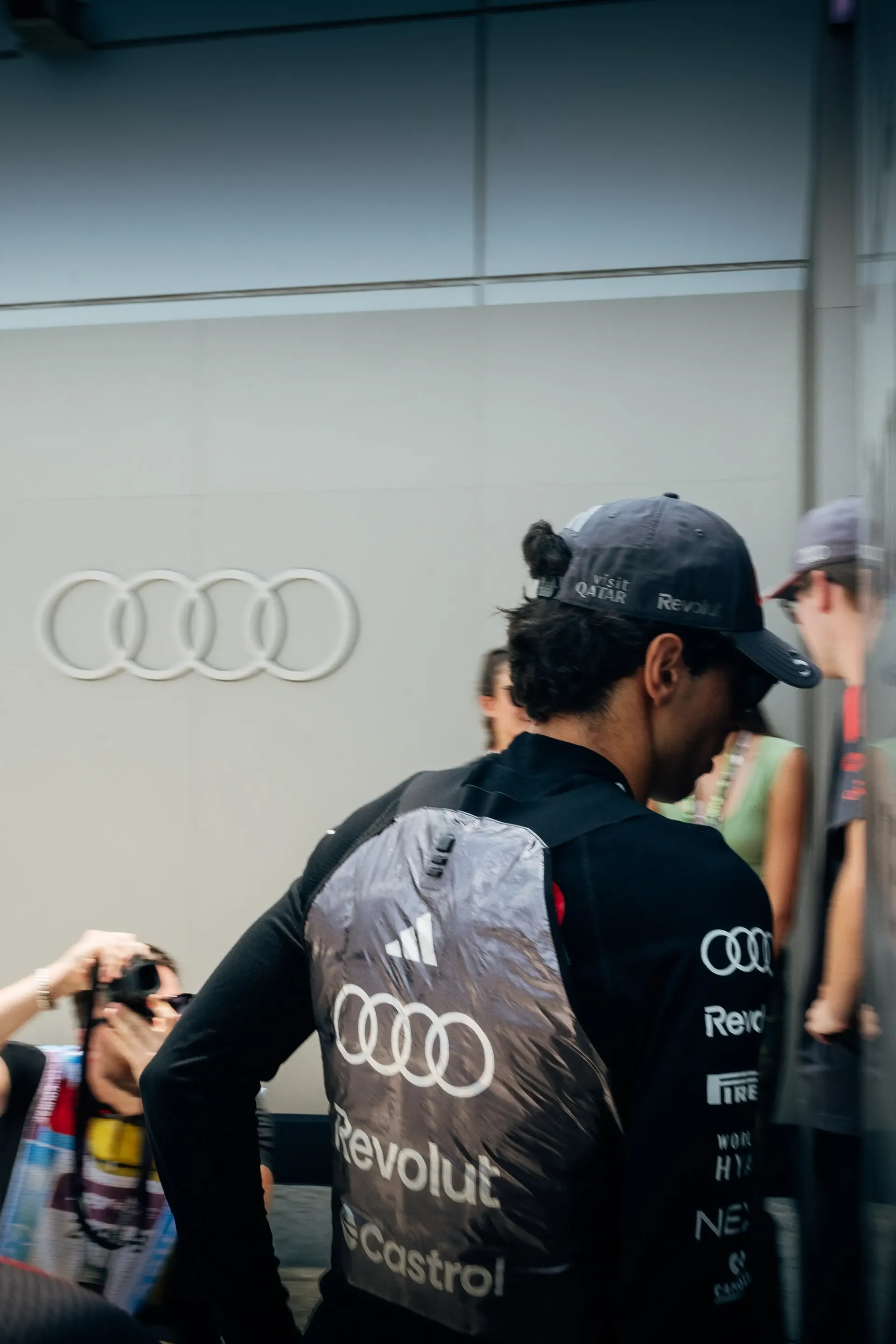
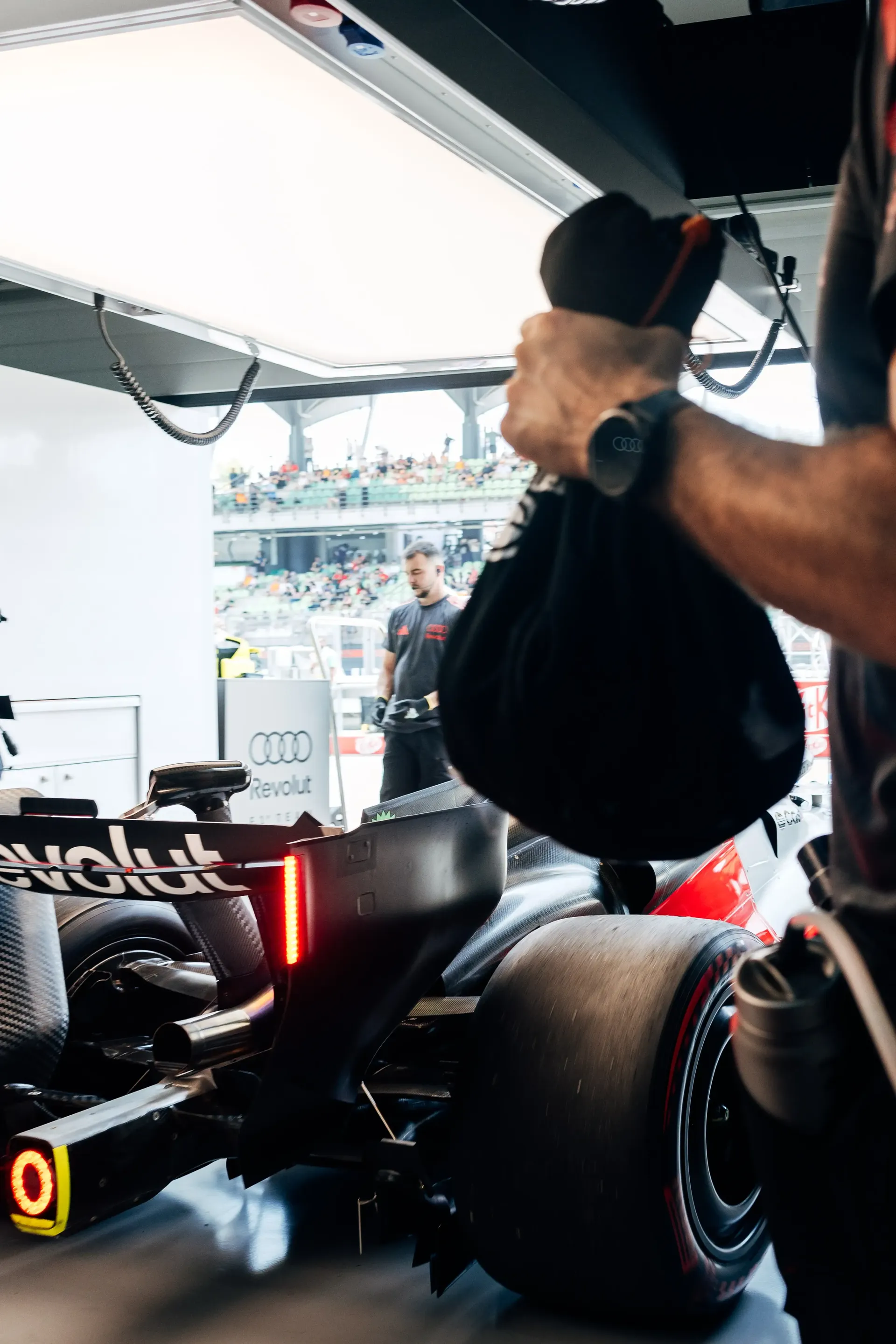
The 2026 Singapore Grand Prix is likely to be declared a heat hazard by the FIA, just like last weekend's Bahrain Grand Prix in Malaysia. But the special measures won’t entirely counter the conditions: the Singapore Grand Prix remains the toughest test of the year and the pre-race training remains essential.
The team will make a number of changes across its garages and hospitality to make the race weekend as comfortable as possible. That includes an increased number of fans and ice lollies, plus the presence of ice baths around the back of the garages, where drivers can jump in and bring down their core temperature after sessions throughout the weekend.
After months of training and preparation, Audi Revolut F1® Team is ready to perform in one of the most physically demanding environments on the calendar.
Singapore GP
Singapore GP
Singapore GP
Bahrain GP
Bahrain GP
Bahrain GP
Bahrain GP

Bahrain GP
Bahrain GP
Bahrain GP
Azerbaijan GP
Azerbaijan GP
Azerbaijan GP
Azerbaijan GP

Azerbaijan GP
Azerbaijan GP
Azerbaijan GP
2027 Season
All for One

DDP
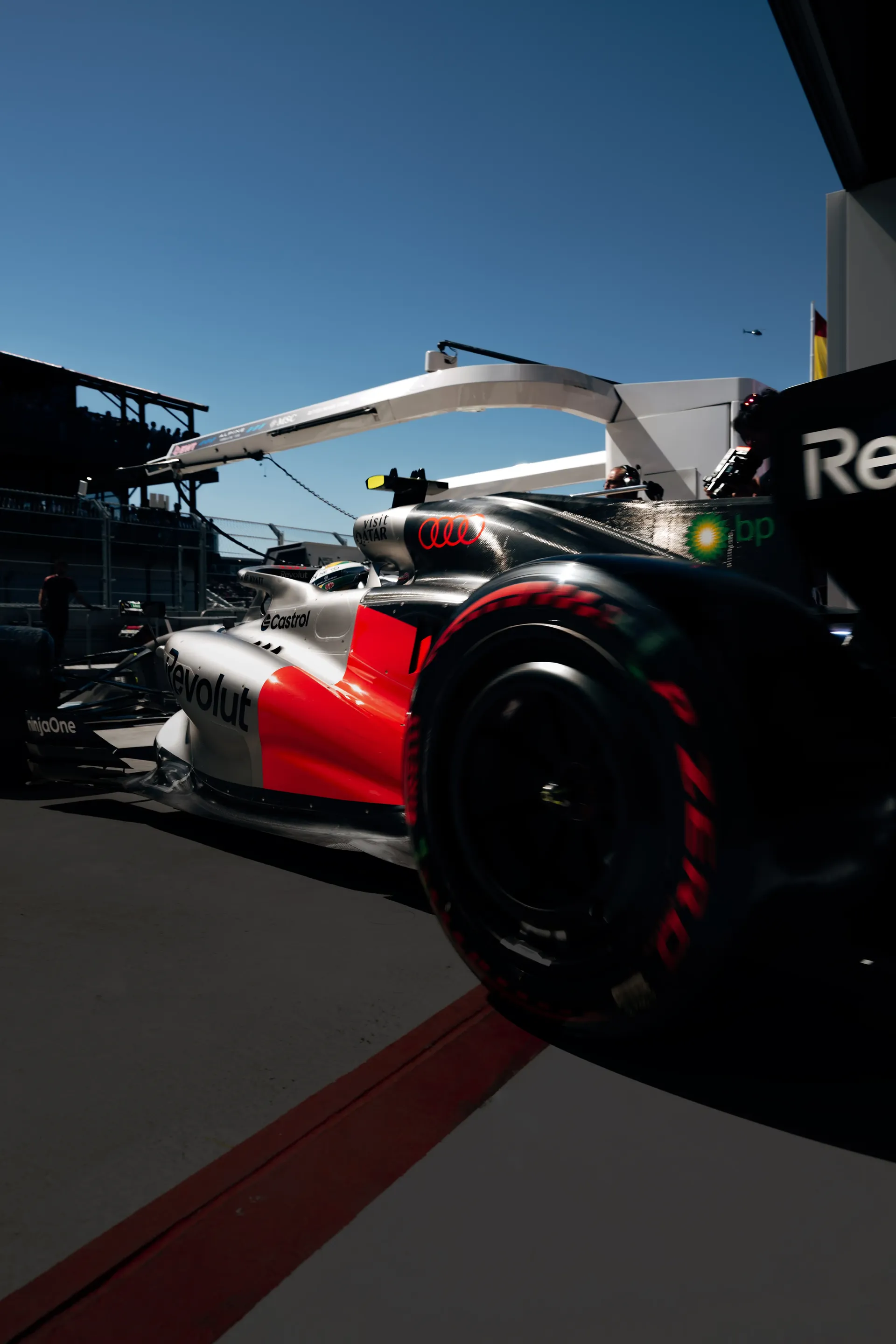
Spanish GP
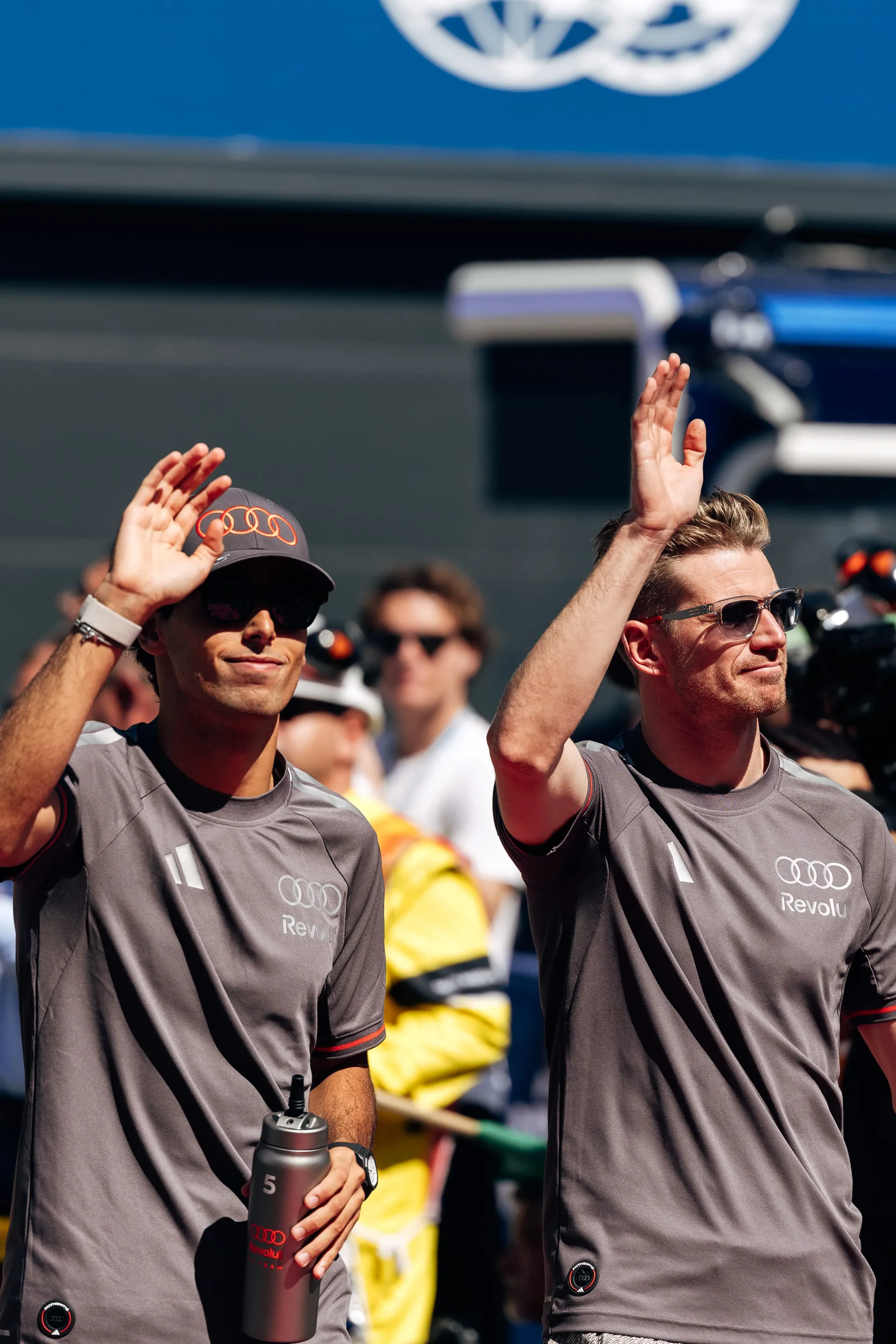
Spanish GP
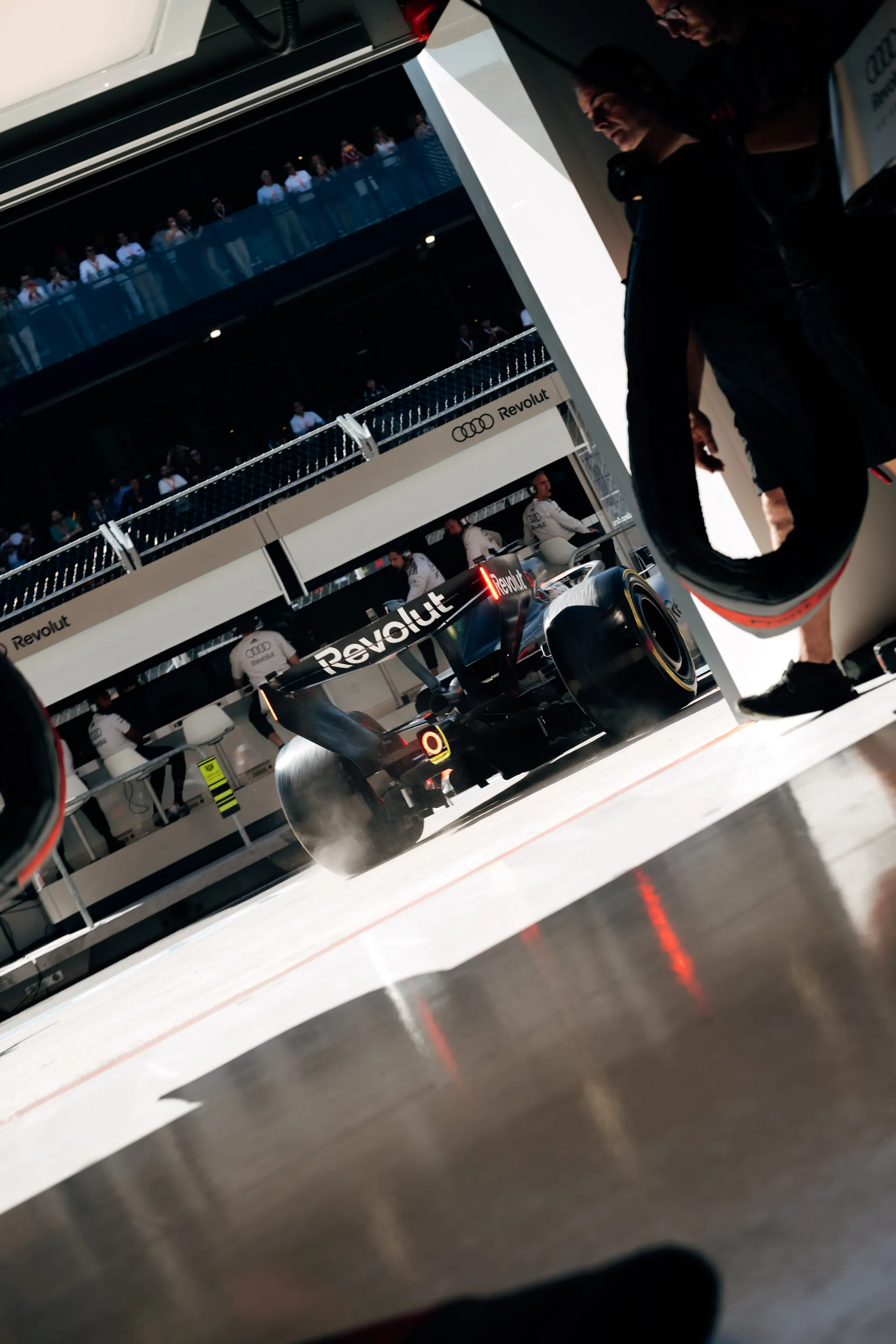
Spanish GP
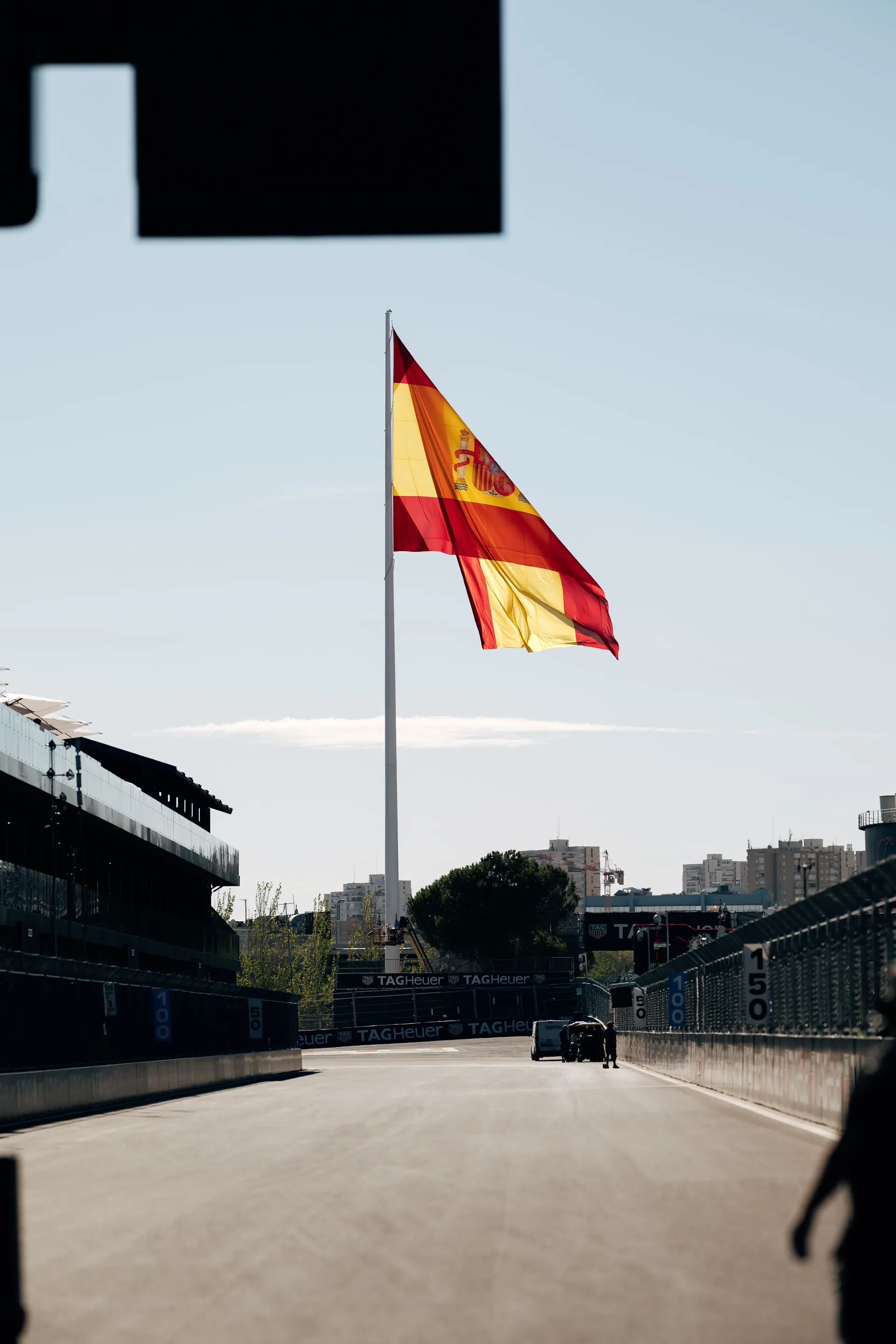
Spanish GP

Spanish GP
Audi(o)
Spanish GP
Spanish GP
Italian GP
Italian GP
Italian GP
Italian GP
2026 season
Italian GP
Italian GP
All for One
Dutch GP
Dutch GP
Dutch GP
Dutch GP

Dutch GP
Dutch GP
2026 Season
F1® Insights
DDP

Season review

Interview

All for One
Breaking News
Hungarian GP
Hungarian GP
Hungarian GP
Hungarian GP

Challenge

Hungarian GP
Hungarian GP
Belgian GP
Belgian GP
Belgian GP
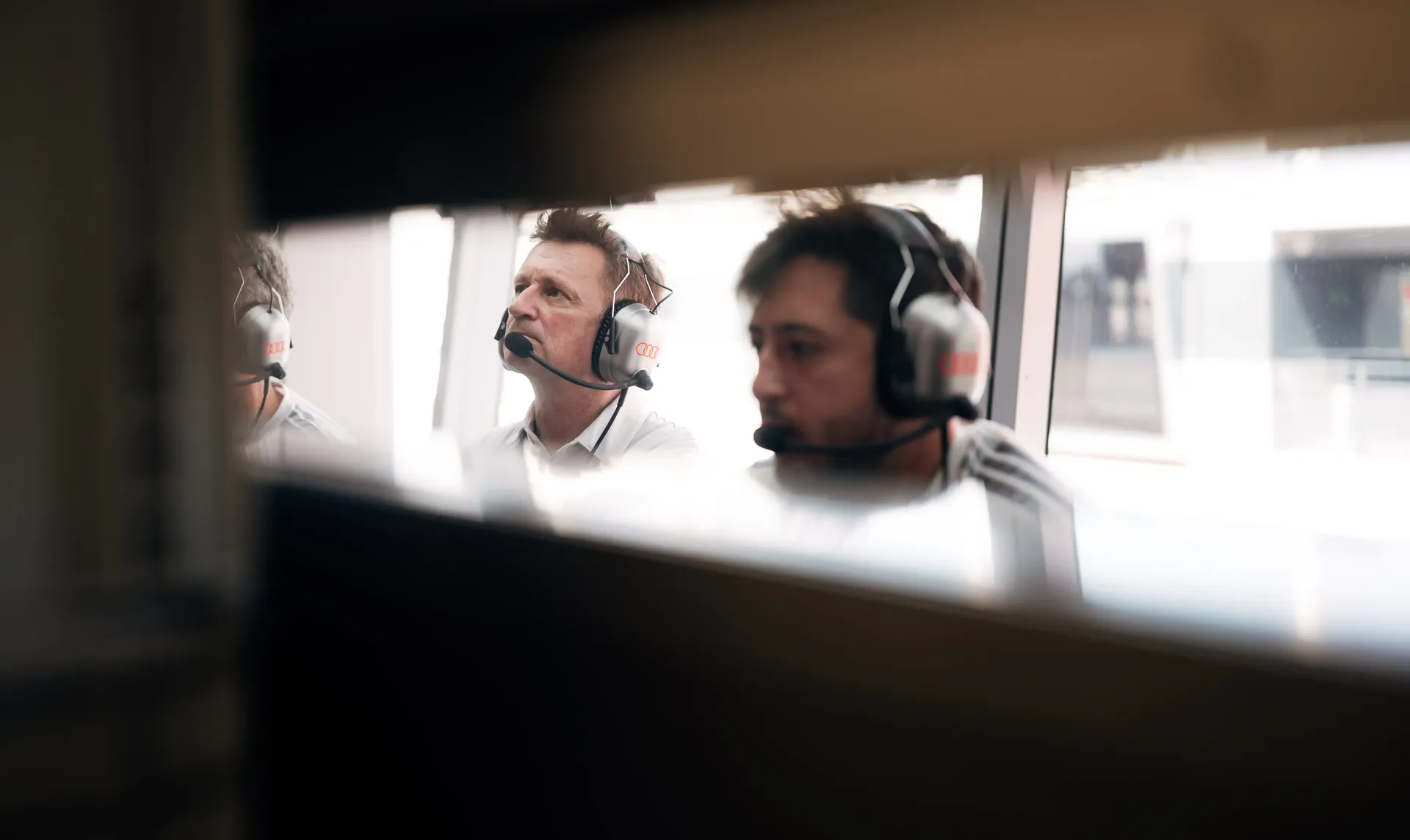
Belgian GP
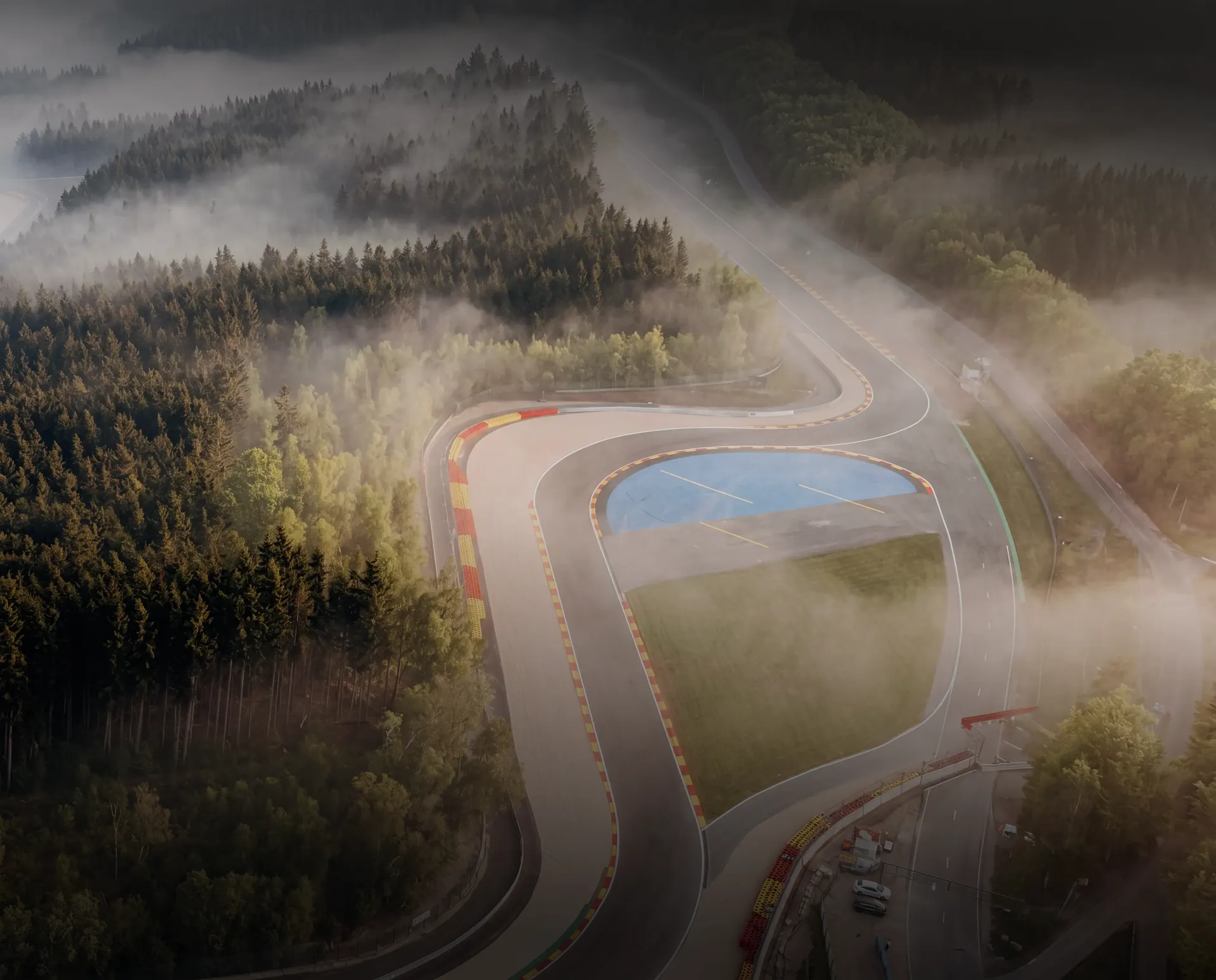
Belgian GP

Belgian GP
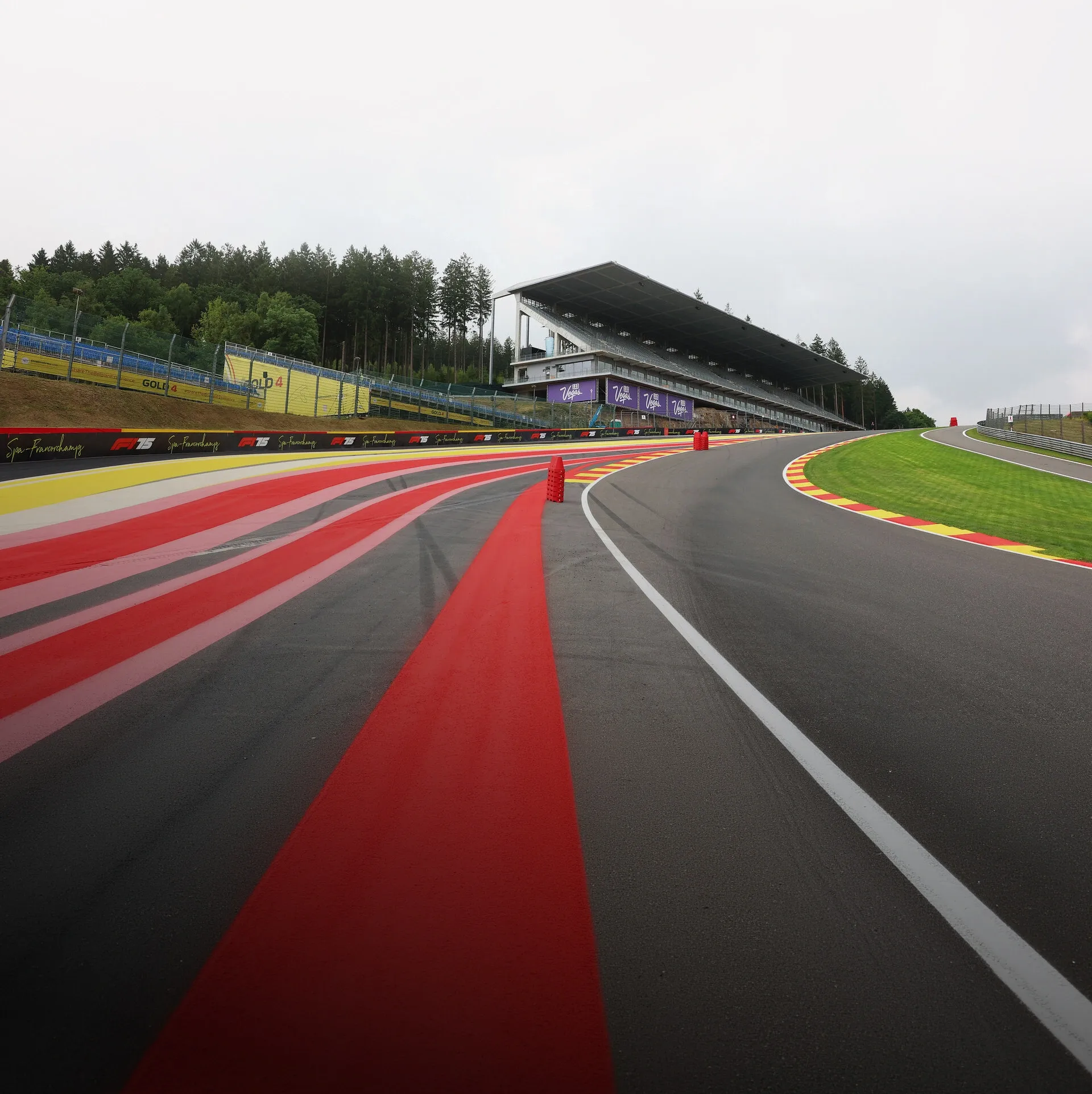
Belgian GP

All In

Nico vs. Gabi
View on the season
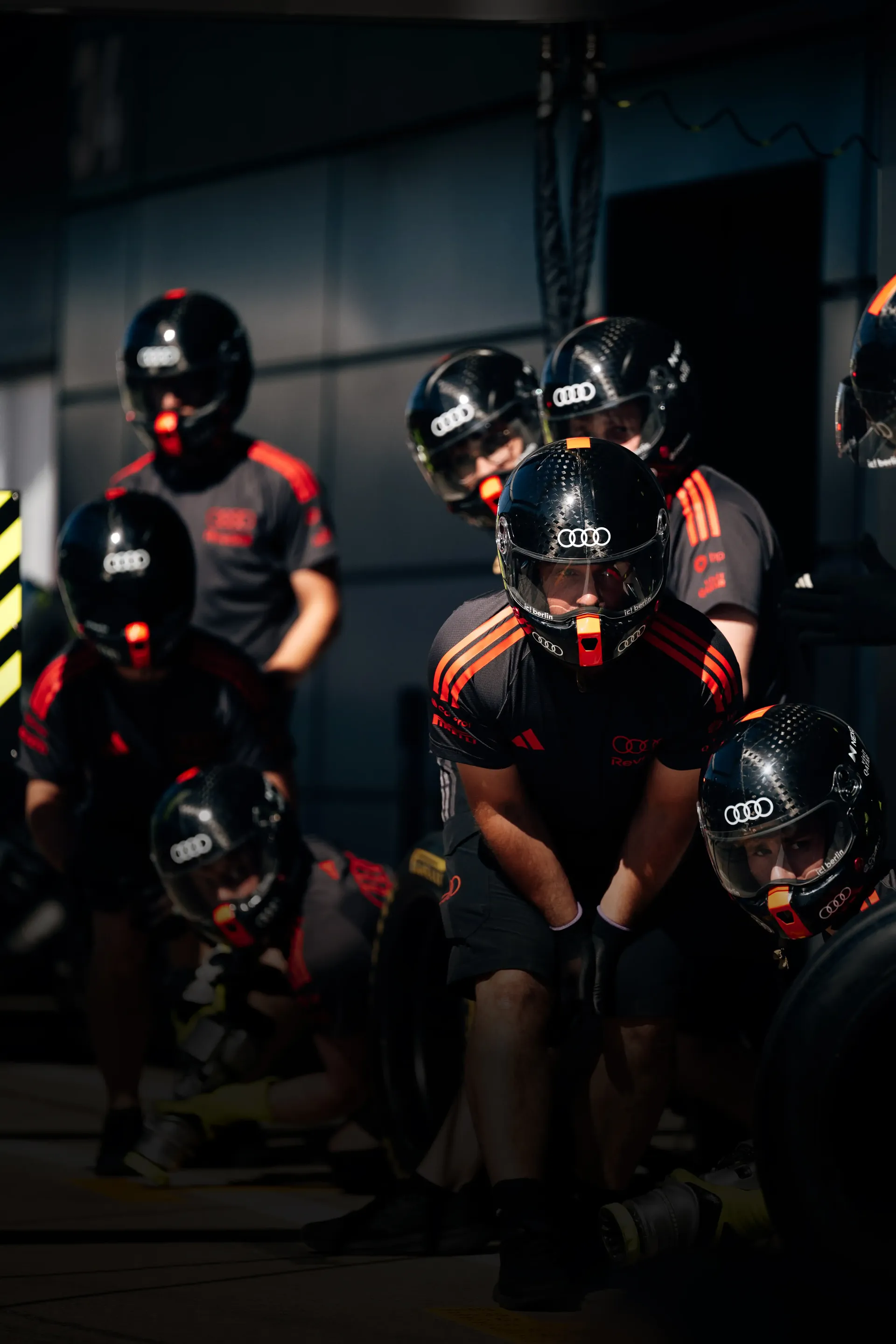
British GP
British GP

British GP
British GP
British GP

British GP
British GP
British GP
Austrian GP
Austrian GP

Austrian GP
Austrian GP
Austrian GP
Austrian GP

Community exklusive
Austrian GP
Austrian GP
Monaco GP
All for One
Barcelona GP

Barcelona GP
Barcelona GP
Barcelona GP
Barcelona GP
Barcelona GP

Barcelona GP

Barcelona GP
Barcelona GP

Barcelona GP
Monaco GP
Monaco GP
Monaco GP

Audi

The Flying Mantuan

The adidas x Singapore Collection: A city shaped by different cultures, contrasts and constant movement.
At the core of the design is a lion graphic inspired by the guardian lions found at the entrances of many temples and pagodas across the city, symbols of protection and strength.