1955
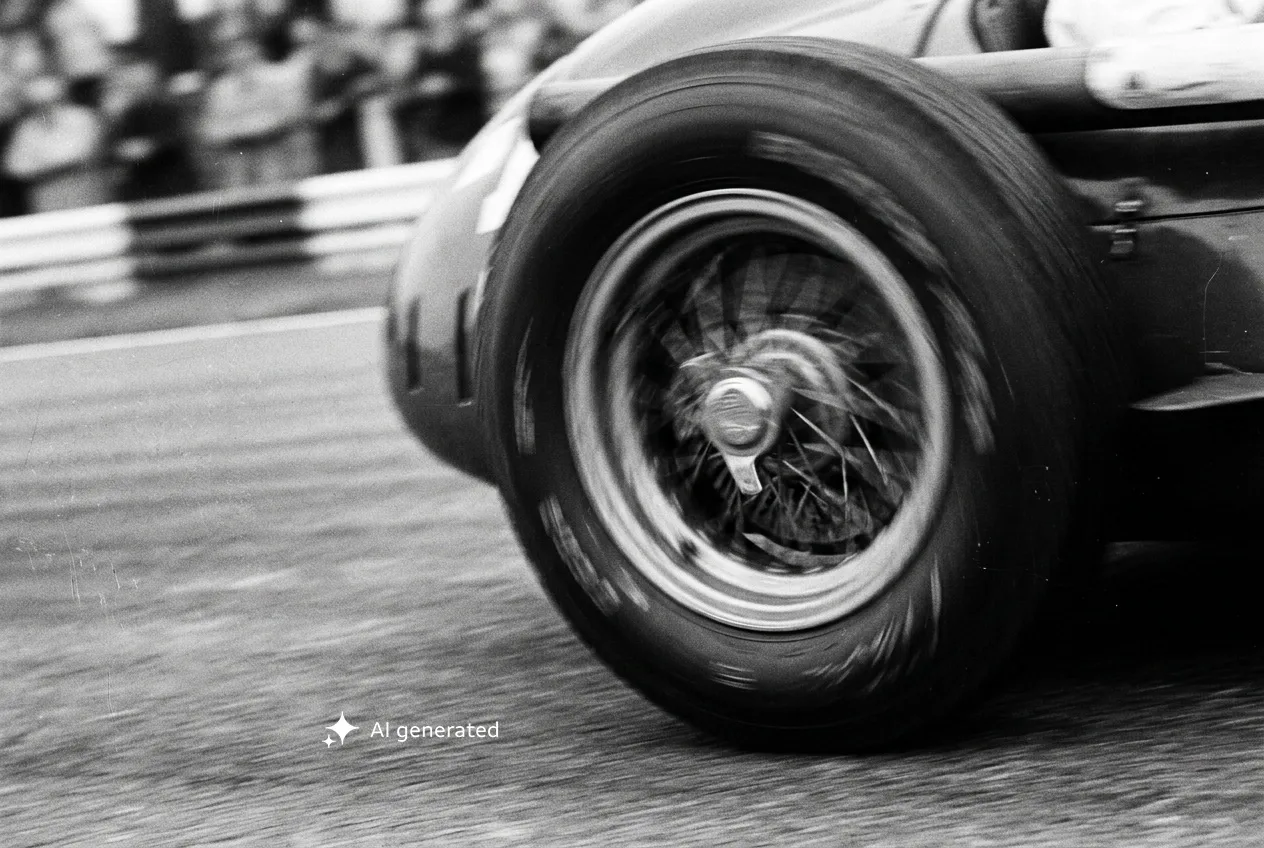
Juan Manuel Fangio led home team-mate Piero Taruffi at the 1955 Italian Grand Prix in what was the final victory for a closed-wheel car in Formula 1. Fangio clinched his third title as a result of the race.
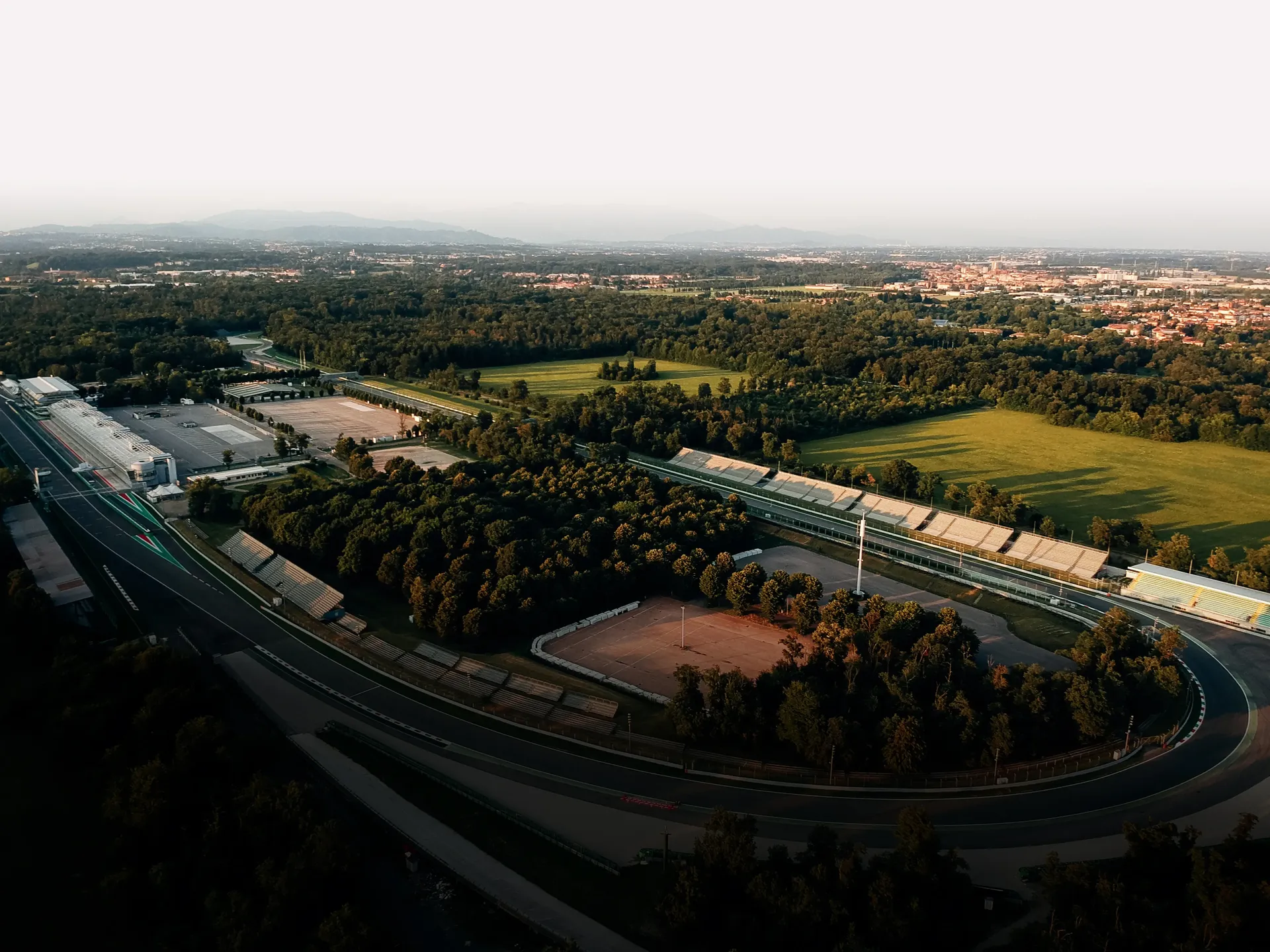
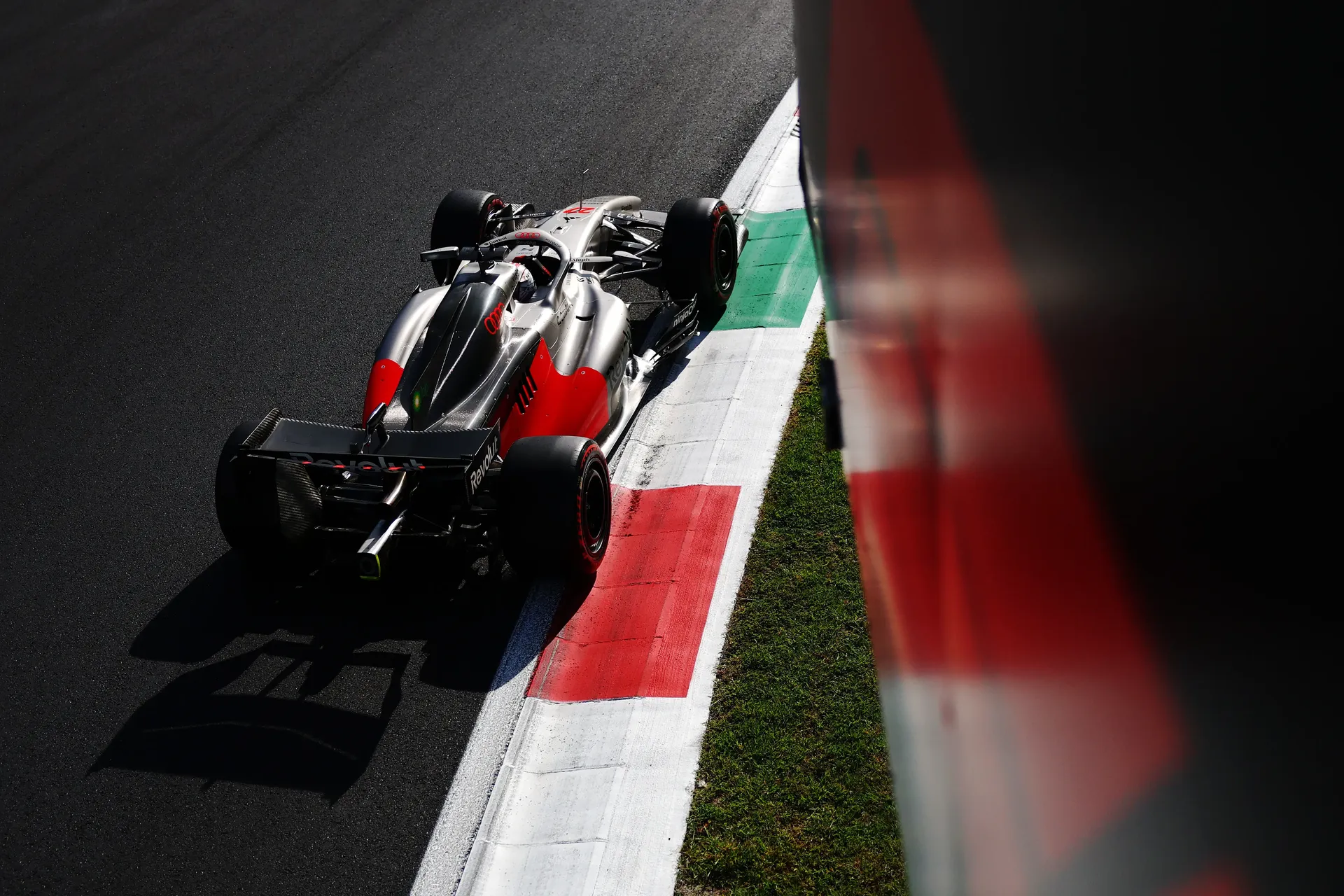
Audi Revolut F1® Team makes its first appearance at Monza this weekend, racing in the shadow of the track’s iconic banking.
When it was constructed in 1922, Monza was only the third purpose-built racing circuit in the world. Following in the footsteps of Brooklands and Indianapolis Motor Speedway, the circuit featured a high-speed banked loop alongside its road course. Now, over a century later, Monza’s historic banking still stands, despite being disused for decades and surviving several demolition plans in the latter part of the 20th century. Here, within the peace of the largest walled park in Europe, still sits a piece of motorsport history which was once loud, daring and brutal.


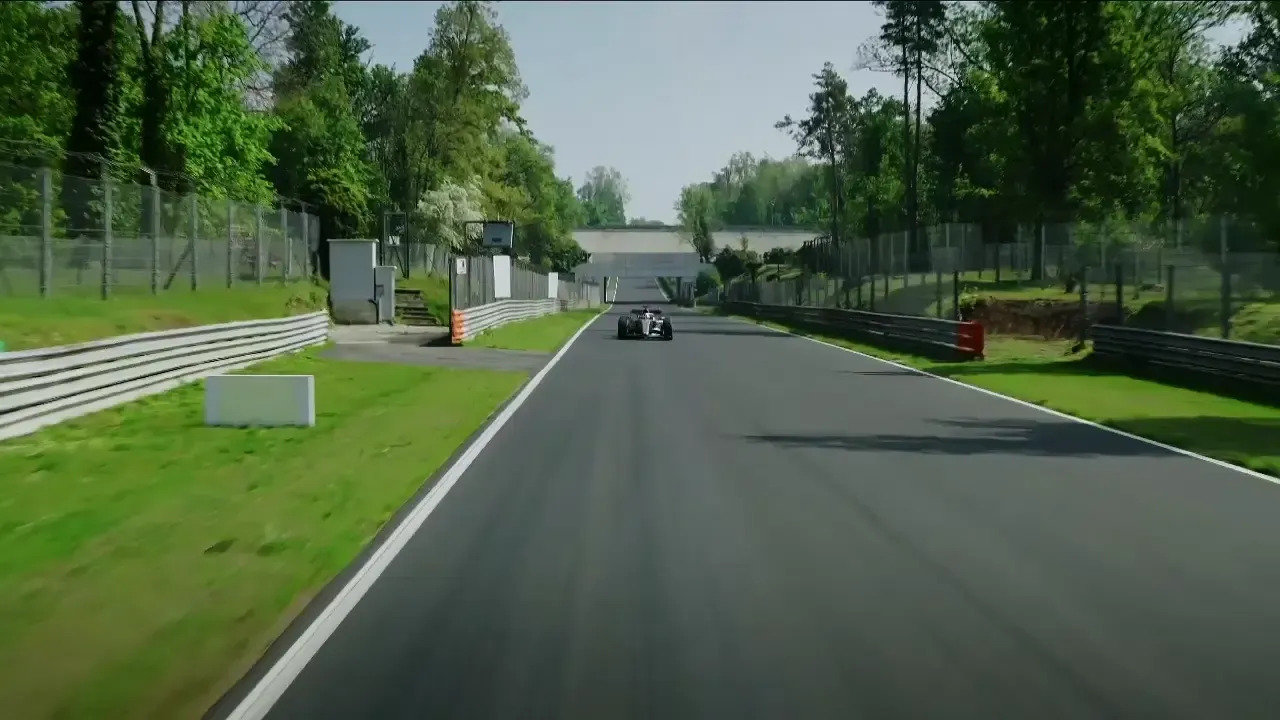
This weekend, Audi Revolut F1® Team will race, literally, in the shadow of the banking. It can be seen above the circuit, atop the bridge which sits over the track on the approach to the Ascari chicane, before linking up with the modern-day track adjacent to the exit of the Parabolica corner. It stands as a reminder of F1®’s history – and the advances in safety since the sport’s early era.
Constructed by a workforce of well over 3,000 and completed in just three months, Monza first opened on September 3rd, 1922 – almost exactly 104 years ago. Well before the Formula 1 World Championship was established in 1950, the opening chapters of Monza’s long racing history had already been written.
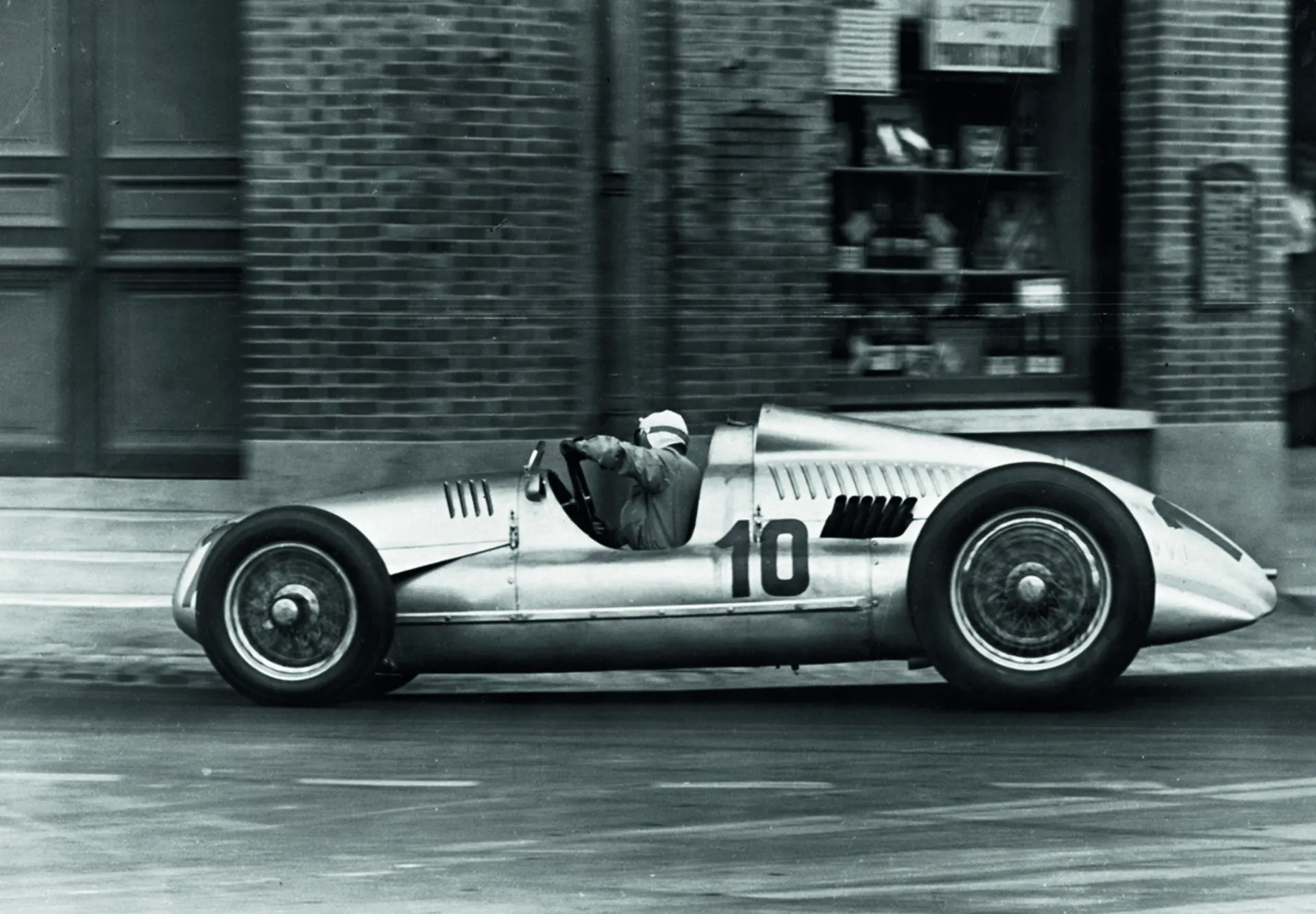
One of the world’s oldest national Grands Prix, the Italian Grand Prix – first held in Montichiari in 1921 – moved to Monza in 1922. The early years produced victories for the likes of Tazio Nuvolari and Rudolf Caracciola, both legends of their era. But the circuit’s high-speed layout also proved to be deadly in the track’s formative years, with a number of races marred by the deaths of both drivers and spectators.
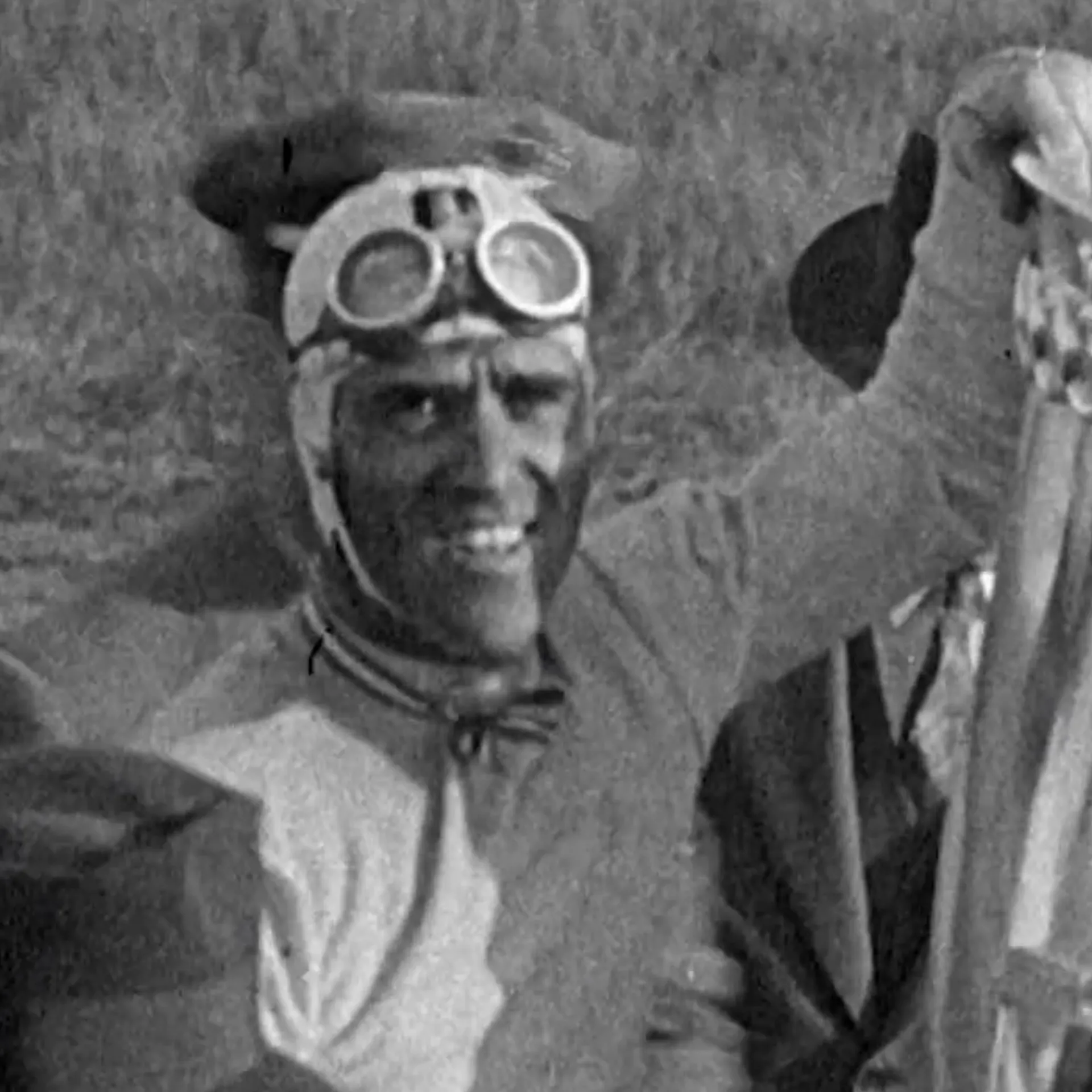
After a period where the event was suspended due to safety concerns, ongoing improvements and modifications continually made the track somewhat safer, albeit by the rudimentary standards of the time. After the Second World War, a series of necessary renovations enabled the Italian Grand Prix to return to Monza in 1949.
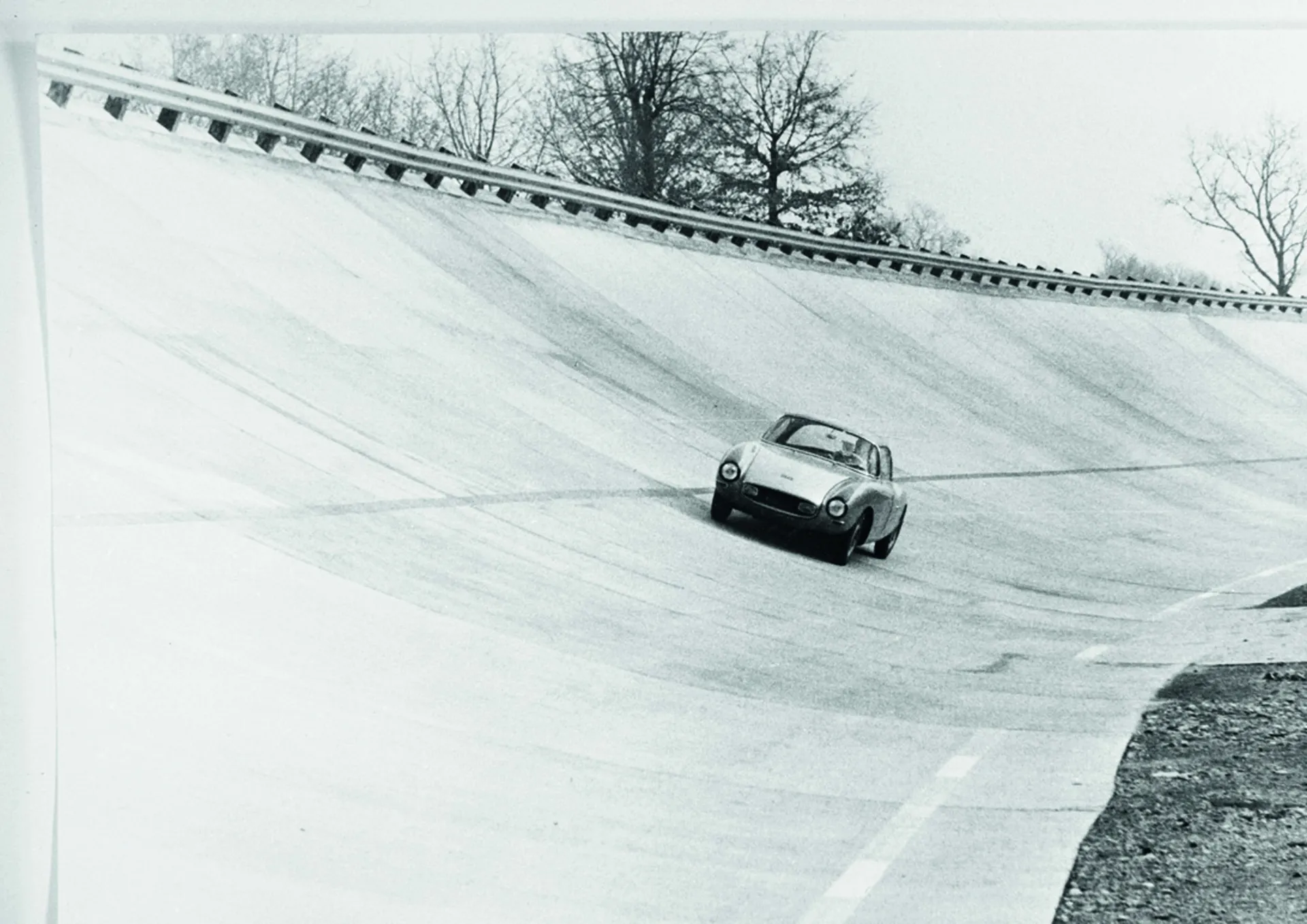
At the dawn of the World Championship era, the Italian Grand Prix took place on a layout which largely resembled the modern day circuit. A revamping of the venue which began in 1954 saw new concrete banking constructed – and the upgrades meant that the 1955 Italian Grand Prix took place on a 10km layout which combined the banked oval with the classic layout. In total, Formula 1 raced four times on Monza’s banked oval.
Juan Manuel Fangio led home team-mate Piero Taruffi at the 1955 Italian Grand Prix in what was the final victory for a closed-wheel car in Formula 1. Fangio clinched his third title as a result of the race.
Another title was decided in favour of Fangio at the 1956 Italian Grand Prix. He originally retired from the race with a broken steering arm, but in the days of car sharing, Fangio was given another shot at securing a third successive title. While Luigi Musso refused to give up his car for the Argentine, Peter Collins was more sporting and handed his car over to his team-mate, despite he himself still being in title contention.
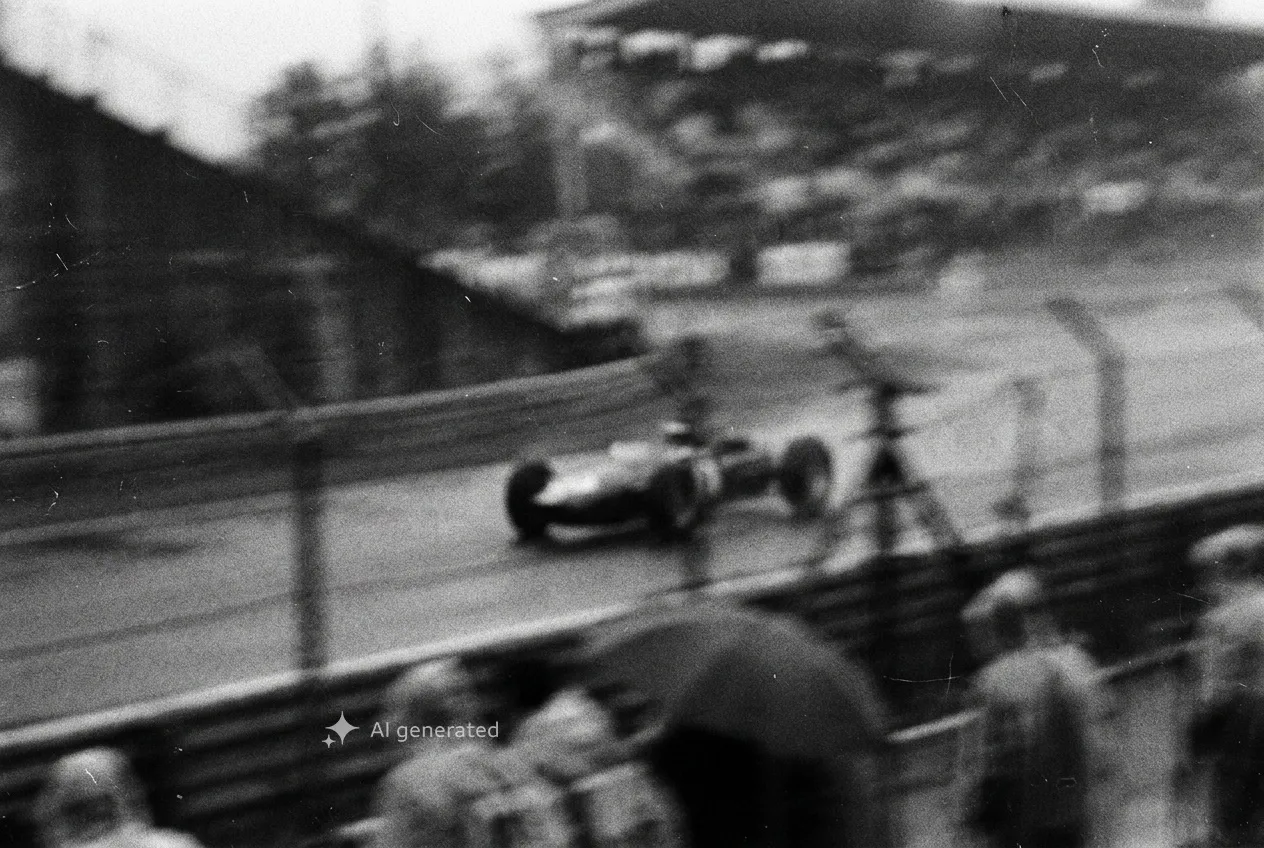
The majority of the British teams boycotted the 1960 Italian Grand Prix over concerns about the fragility of their cars and the dangers posed by the banking. The boycott left a depleted field which featured no previous Grand Prix winners. Less powerful F2 cars were invited to compete alongside the F1® machinery, leading to an unchallenged podium lock-out for Ferrari.
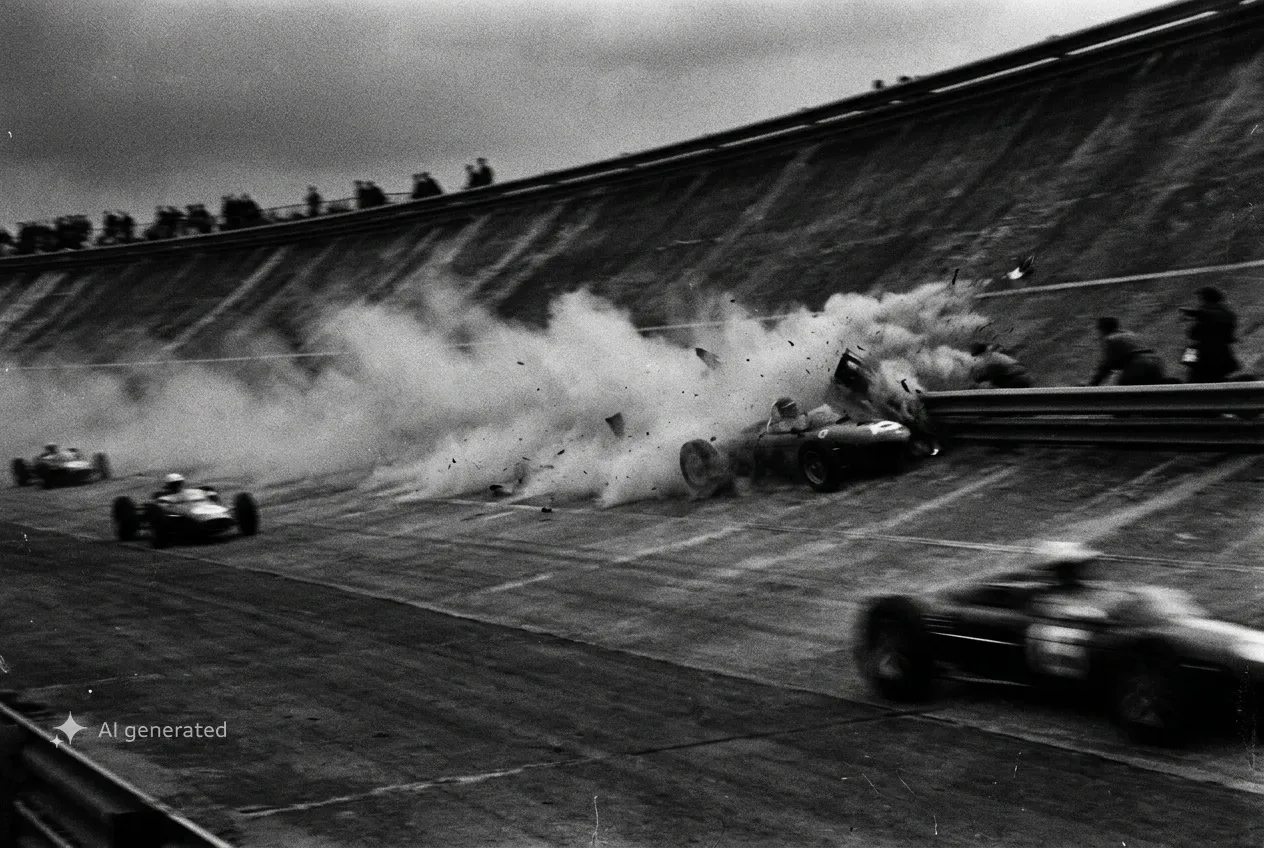
Formula 1®’s darkest day came at the 1961 Italian Grand Prix, when Wolfgang von Trips suffered a fatal accident on the second lap, which also led to the death of 15 spectators. Although the crash occurred at the Parabolica rather than on the banking, the tragedy cast a long shadow over the use of Monza’s high-speed oval. Phil Hill won both the race and the 1961 title – but the mood was far from celebratory. F1®’s era of racing on Monza’s banked oval was over.
Monza’s banked sections continued to be used in other motor racing series, and even featured in the film Grand Prix, five years after they had last hosted an actual F1® race. It wasn’t until 1969, when the 1000km of Monza was run on the layout for the final time, that the banking was finally abandoned for good. There were multiple plans to demolish the banking throughout the 1980s and 1990s. One proposal sought to reclaim the land to make way for an observatory, while later plans to tear it down came as a result of concerns over its structural condition.
A ‘Save The Monza Banking’ campaign was launched before the turn of the millennium with a petition, signed by the likes of motorsport heavyweights Stirling Moss and John Surtees, receiving overwhelming support to save this piece of motorsport history.
And so it still stands. Rough. Bumpy. Totally unsuitable for modern day racing. But a powerful reminder of a bygone era. Investment in 2014 and efforts to resurface the banking means that the structure has continued to withstand the test of time. The banking remains tightly guarded over race weekend. With an inclination of up to 80%, it is nearly impossible to climb to the top of the slope on foot, let alone imagine how the most advanced racing machines of yesteryear were able to tackle it at speed.
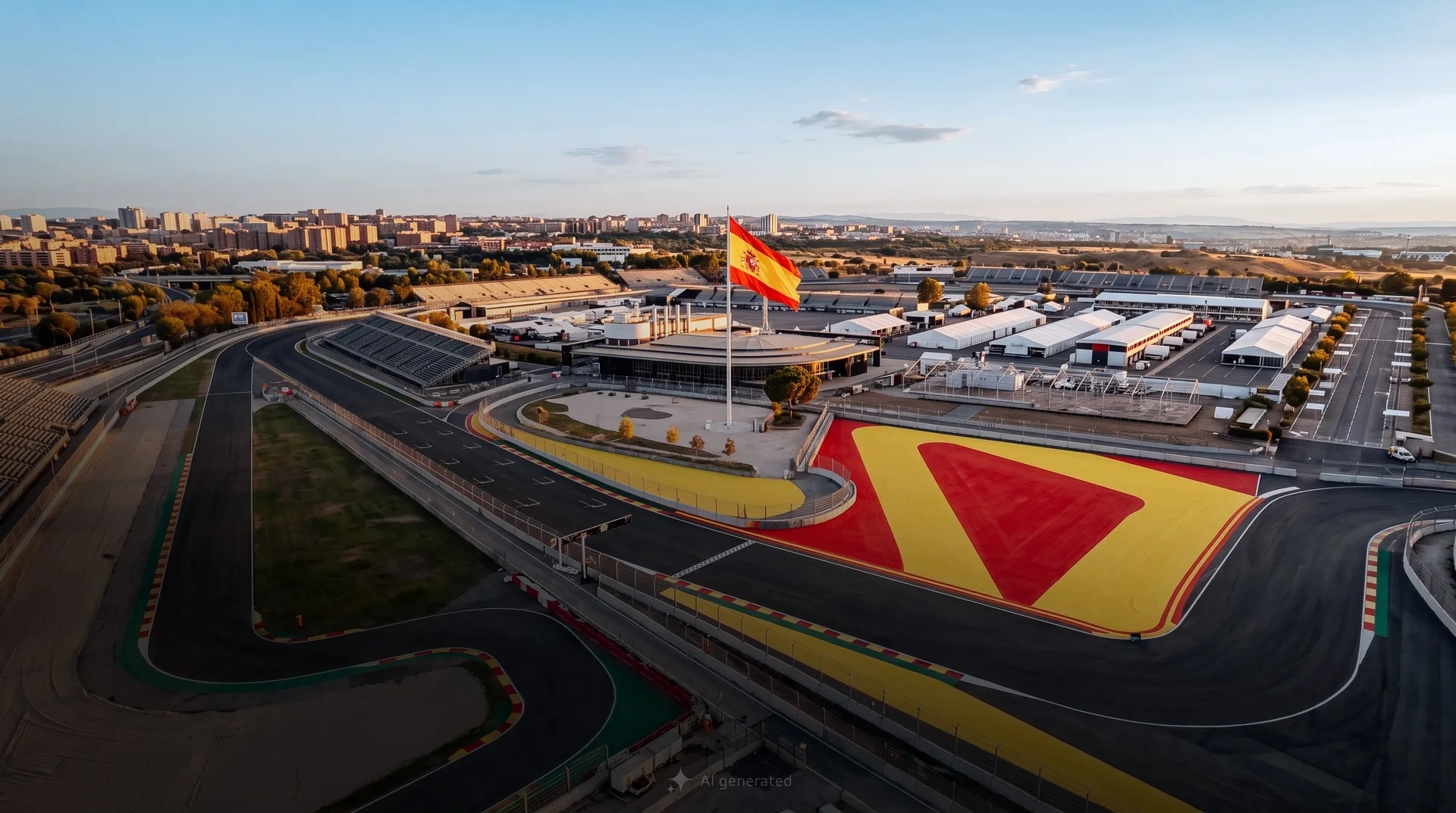
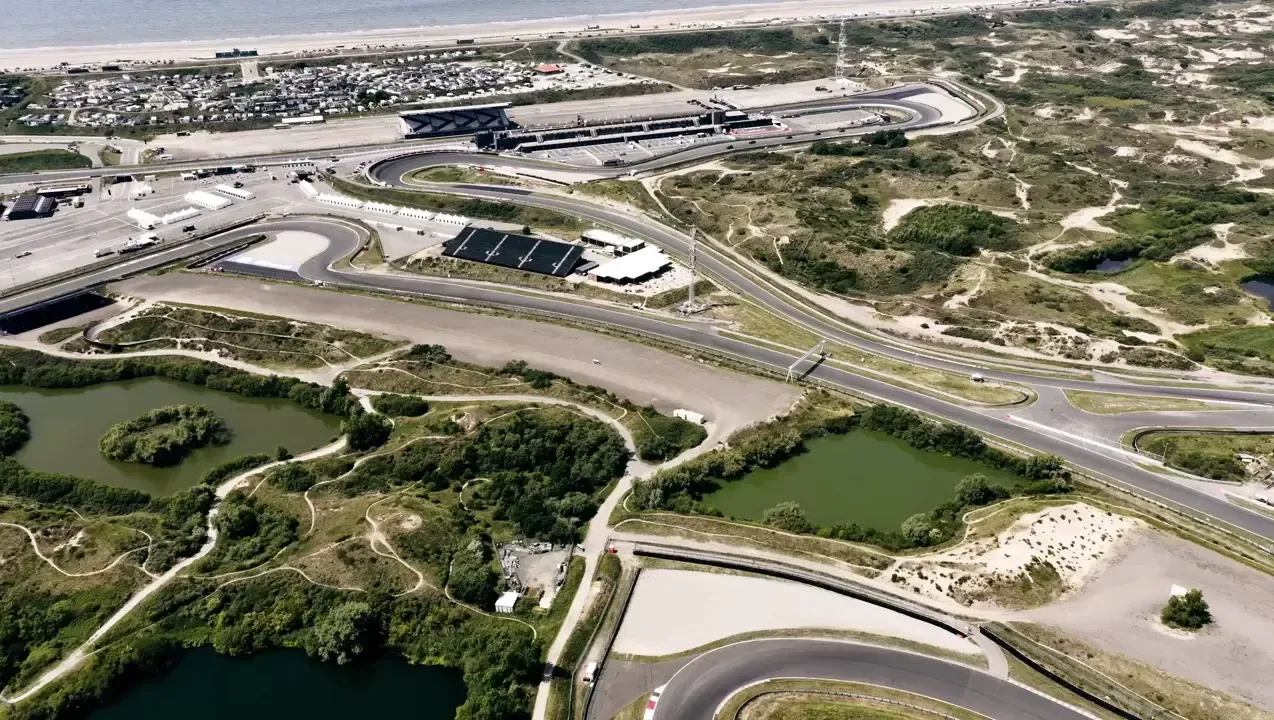
Although not to the extremes of Monza – banking has returned to Formula 1 in recent years. When F1® raced at Indianapolis in the early 2000s, for example, its track layout utilised part of the most famous banked oval track in the world. Most recently, Zandvoort – which hosted its final F1® race just days ago – features a number of banked turns. And the all-new MADRING in Madrid, which is gearing up to host its first Grand Prix next week, will feature the longest banked turn on the F1® calendar at La Monumental - a corner with unique geometry which will provide a challenge unlike any other.
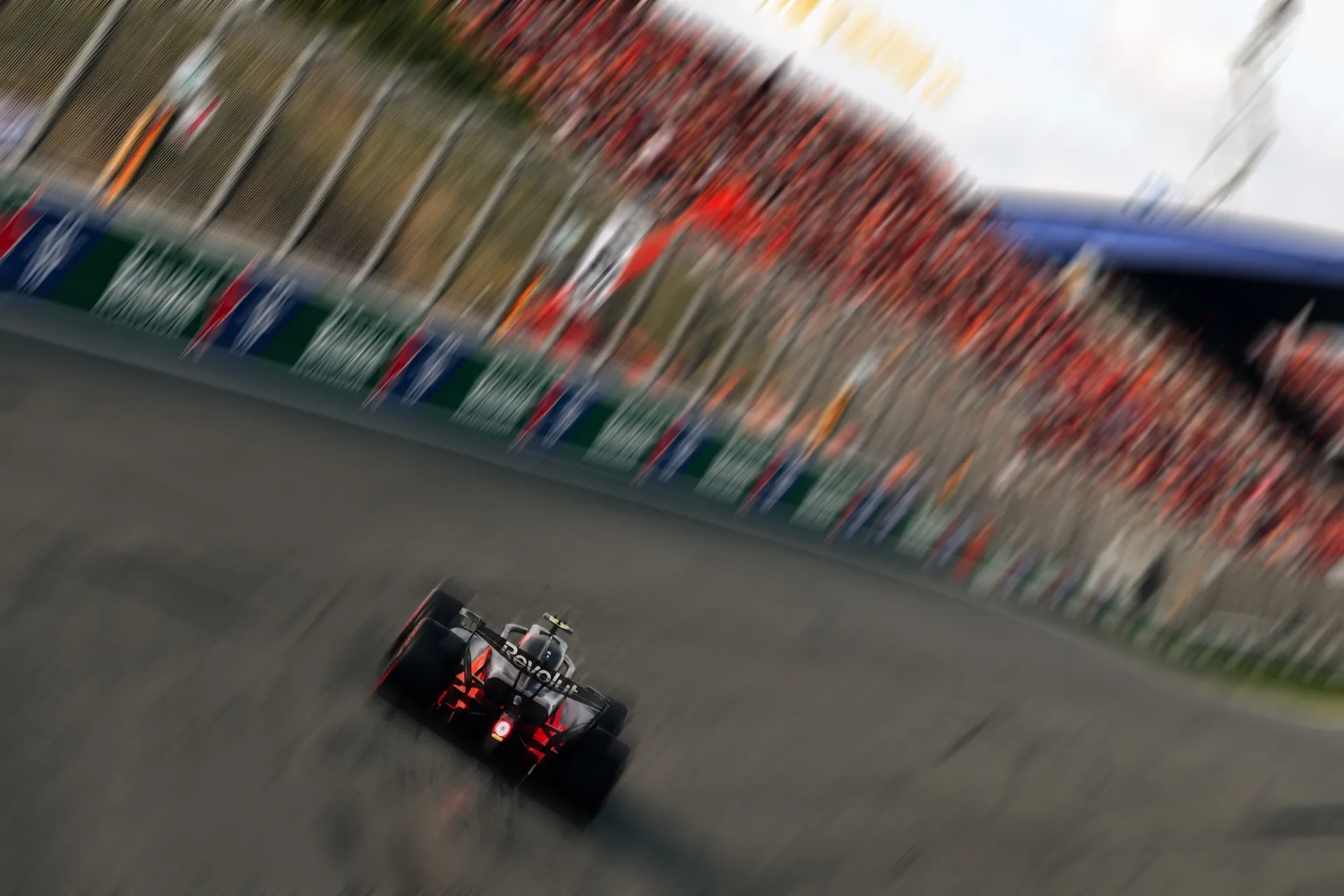
More than a century since first opening its gates, Monza’s banking serves as a tangible glimpse into the circuit’s near-mythical history. An integral part of one of the world’s fastest circuits is now a monument to a different era of racing. Audi Revolut F1® Team will feel the history as it competes at majestic Monza for the first time.


All for One
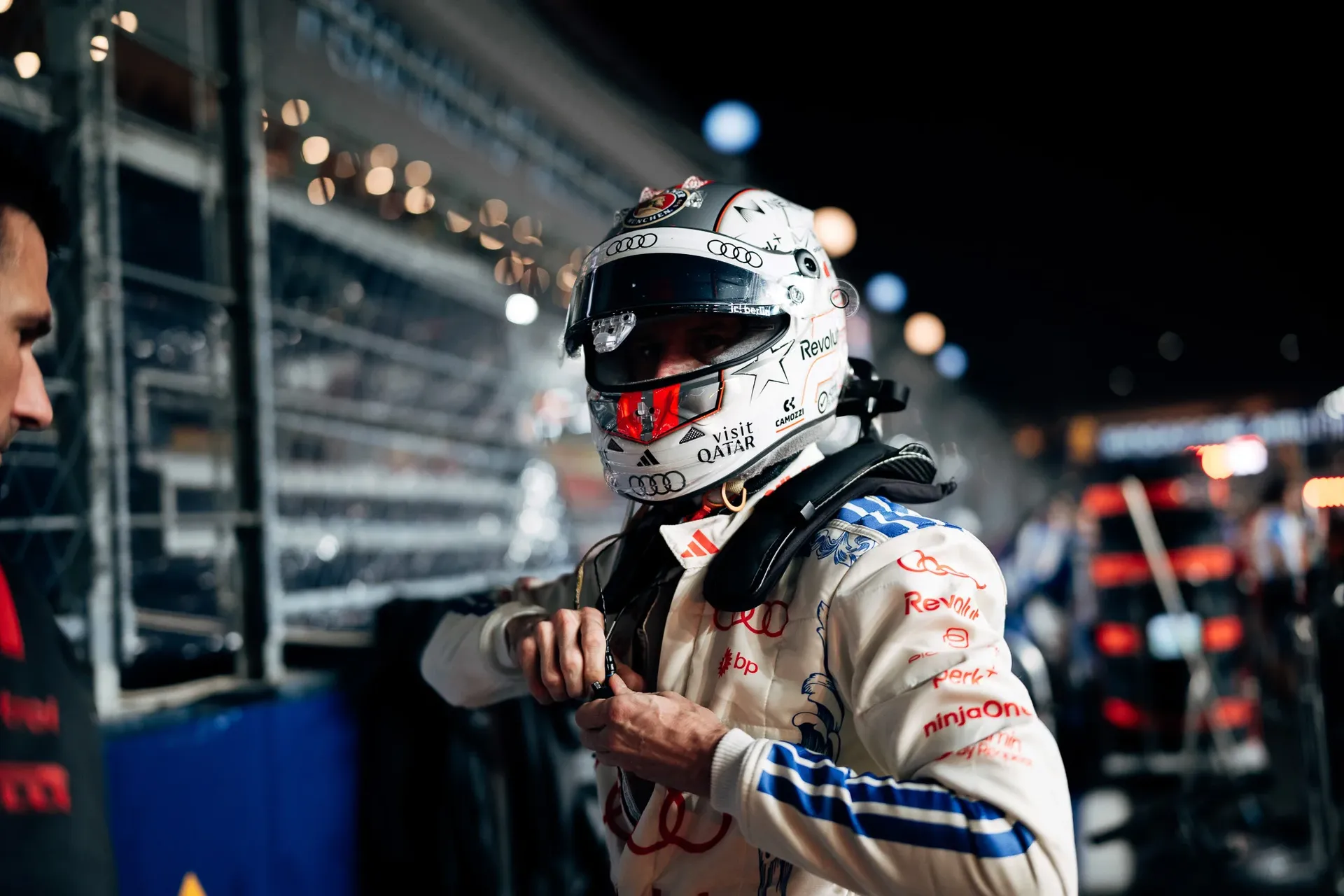
Singapore GP
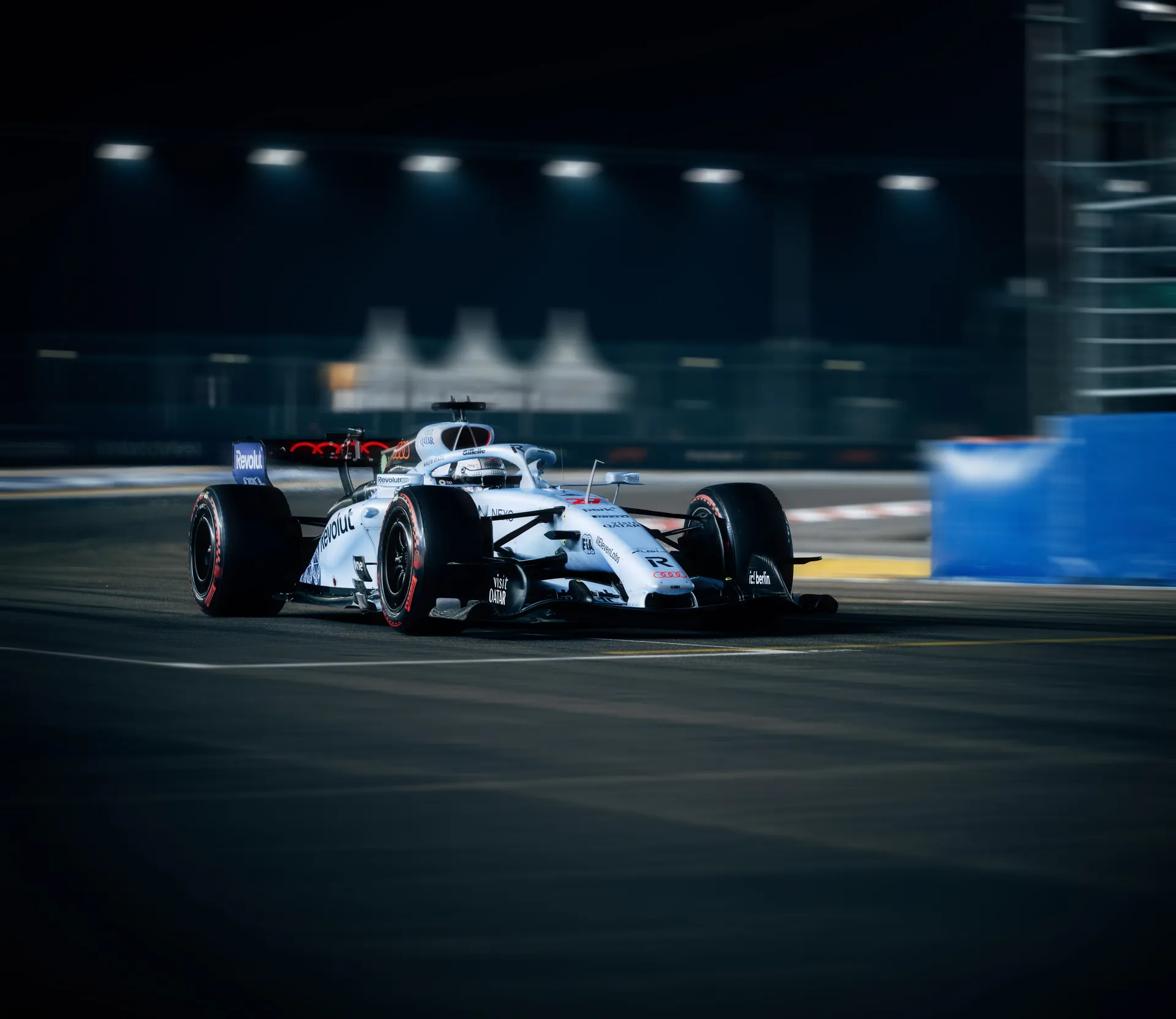
Singapore GP

Singapore GP
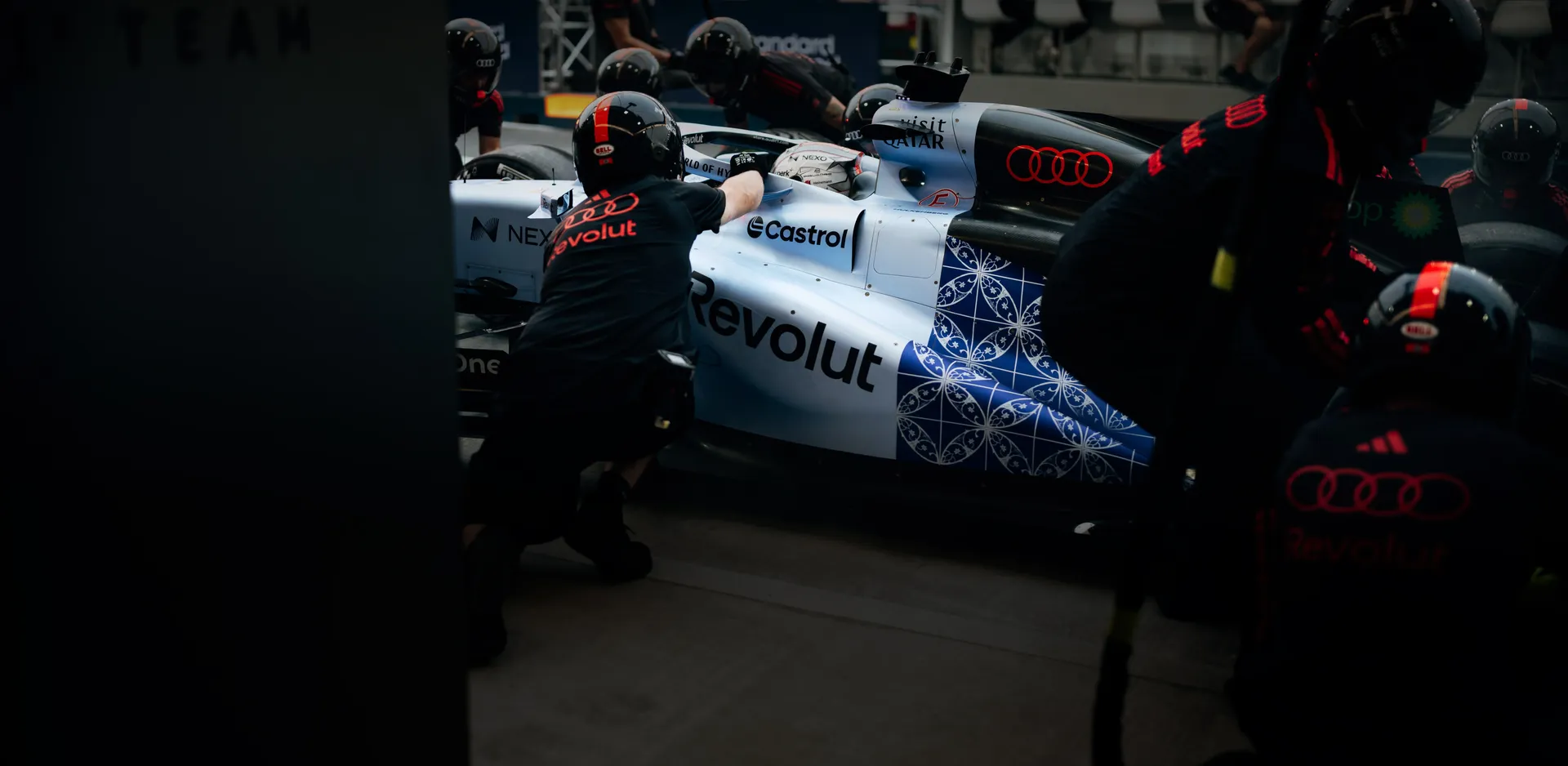
Singapore GP

Singapore GP
Singapore GP
Singapore GP
Bahrain GP
Bahrain GP
Bahrain GP
Bahrain GP

Bahrain GP
Bahrain GP
Bahrain GP
Azerbaijan GP
Azerbaijan GP
Azerbaijan GP
Azerbaijan GP
Azerbaijan GP
Azerbaijan GP
Azerbaijan GP
2027 Season
All for One

DDP
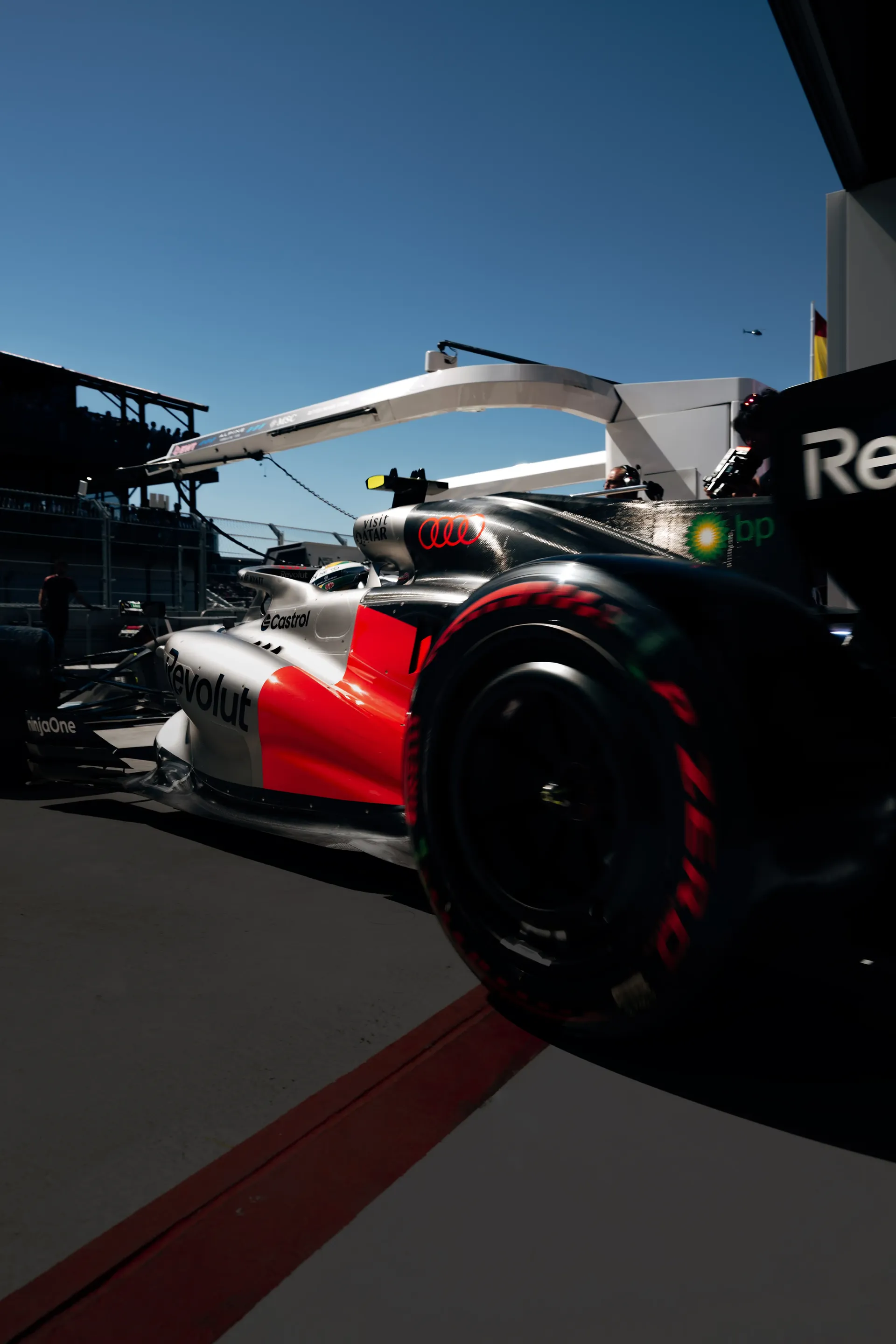
Spanish GP
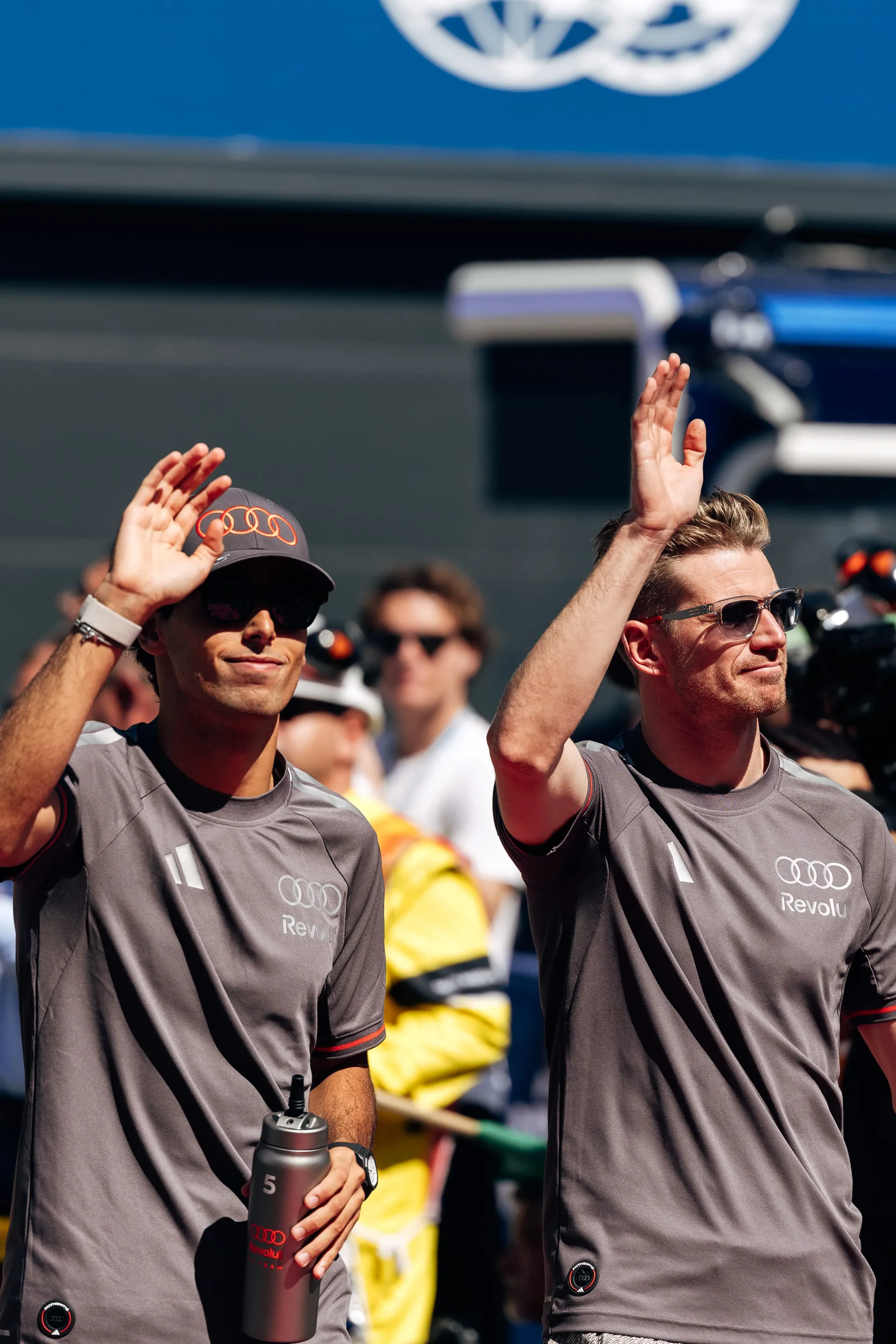
Spanish GP
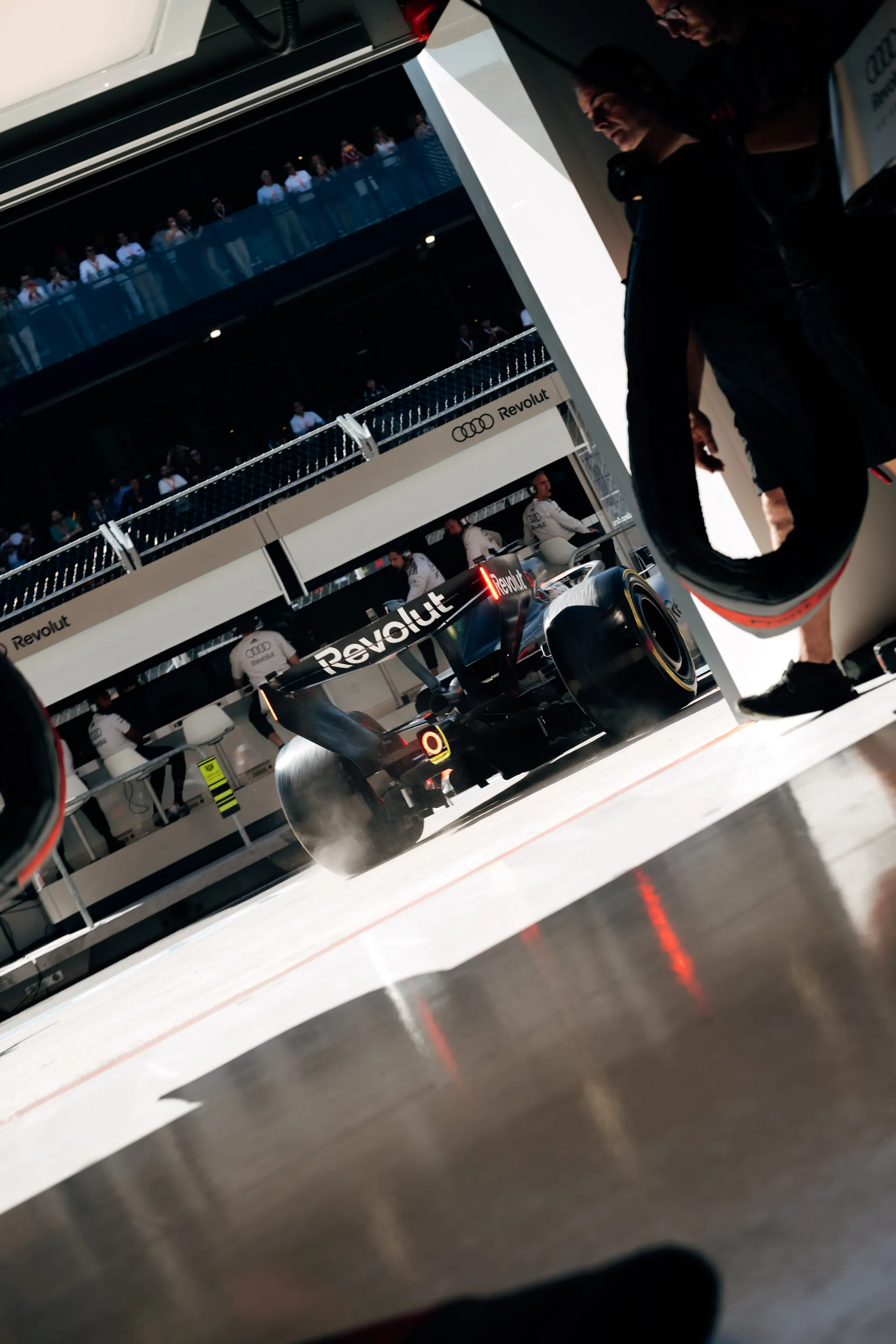
Spanish GP
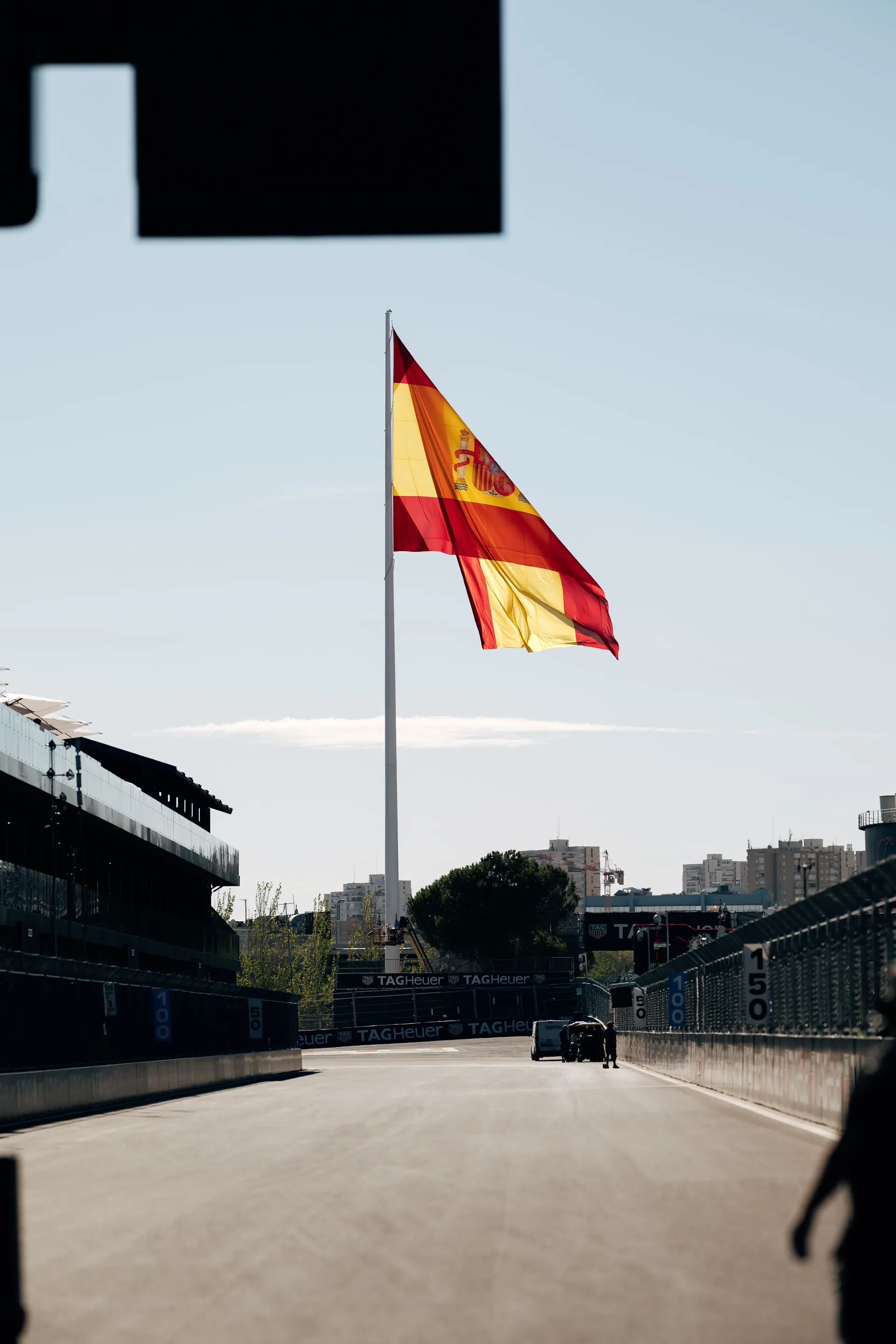
Spanish GP

Spanish GP
Audi(o)
Spanish GP
Spanish GP
Italian GP
Italian GP
Italian GP
Italian GP
2026 season
Italian GP
Italian GP
All for One
Dutch GP
Dutch GP
Dutch GP
Dutch GP

Dutch GP
Dutch GP
2026 Season
F1® Insights
DDP
Season review

Interview

All for One
Breaking News
Hungarian GP
Hungarian GP
Hungarian GP
Hungarian GP

Challenge
Hungarian GP
Hungarian GP
Belgian GP
Belgian GP
Belgian GP
Belgian GP
Belgian GP
Belgian GP
Belgian GP
All In

Nico vs. Gabi
View on the season
British GP
British GP

British GP
British GP
British GP
British GP
British GP
British GP
Austrian GP
Austrian GP

Austrian GP
Austrian GP
Austrian GP
Austrian GP

Community exklusive
Austrian GP
Austrian GP
Monaco GP
All for One
Barcelona GP
Barcelona GP
Barcelona GP
Barcelona GP
Barcelona GP
Barcelona GP
Barcelona GP
Barcelona GP
Barcelona GP
Barcelona GP