
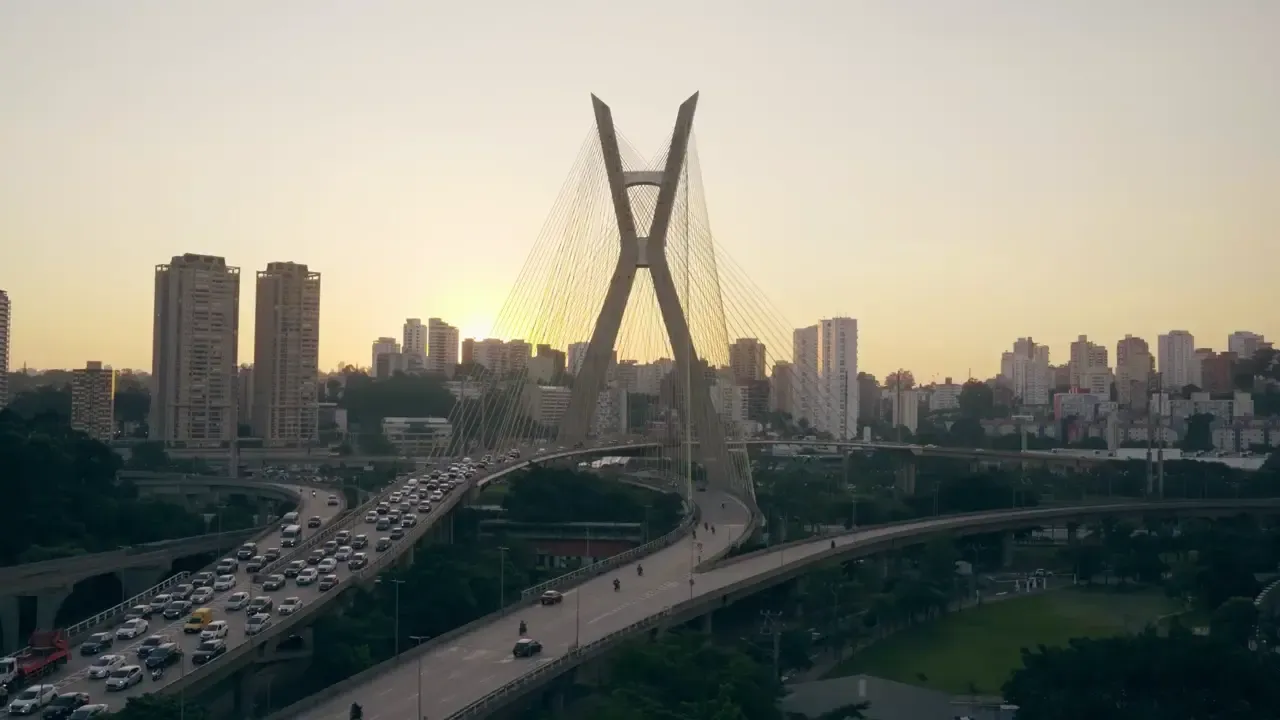
São Paulo GP
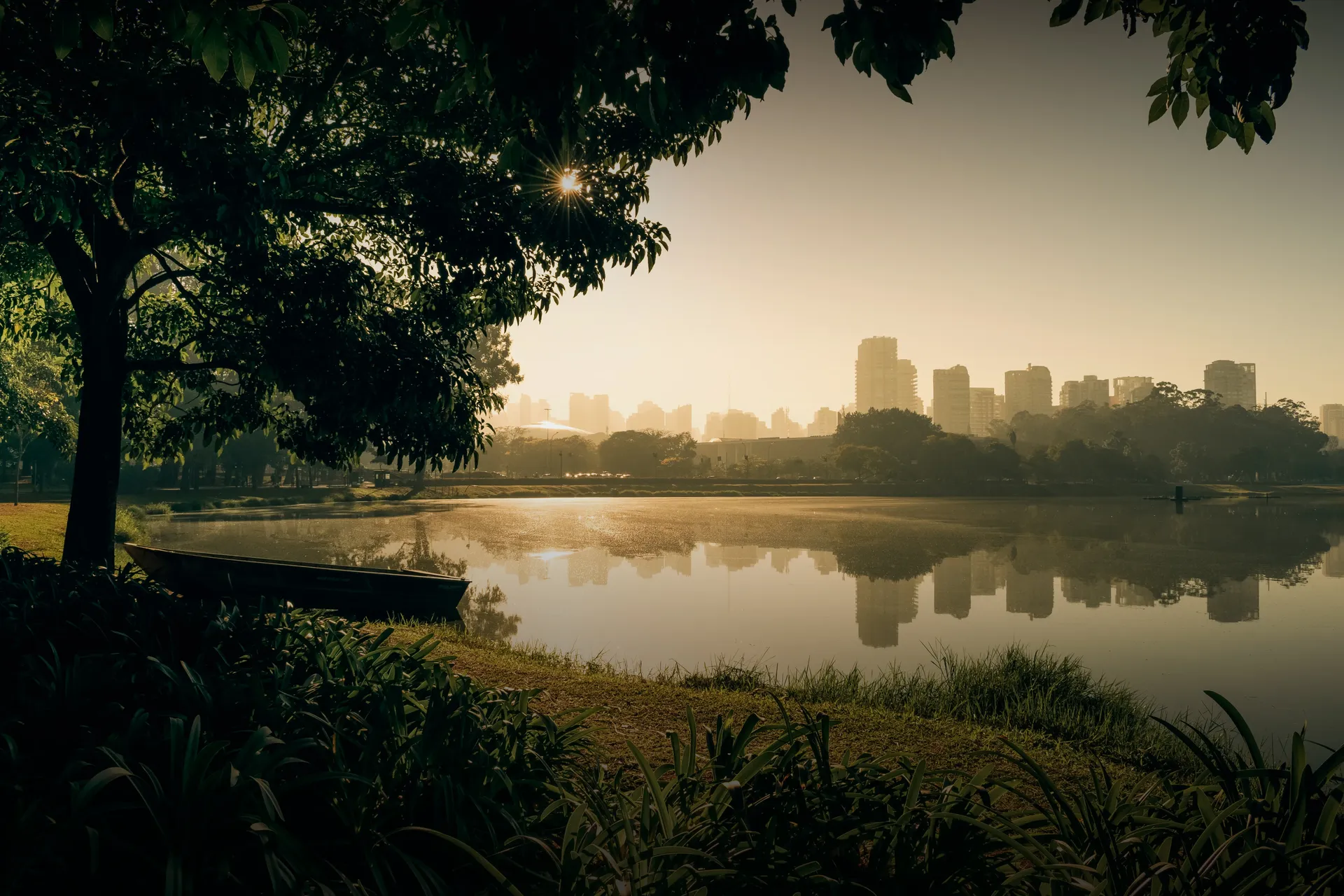
Interlagos rarely escapes the threat of rain. Here's why the circuit has a microclimate of its own – and how it has shaped race weekends in Brazil.
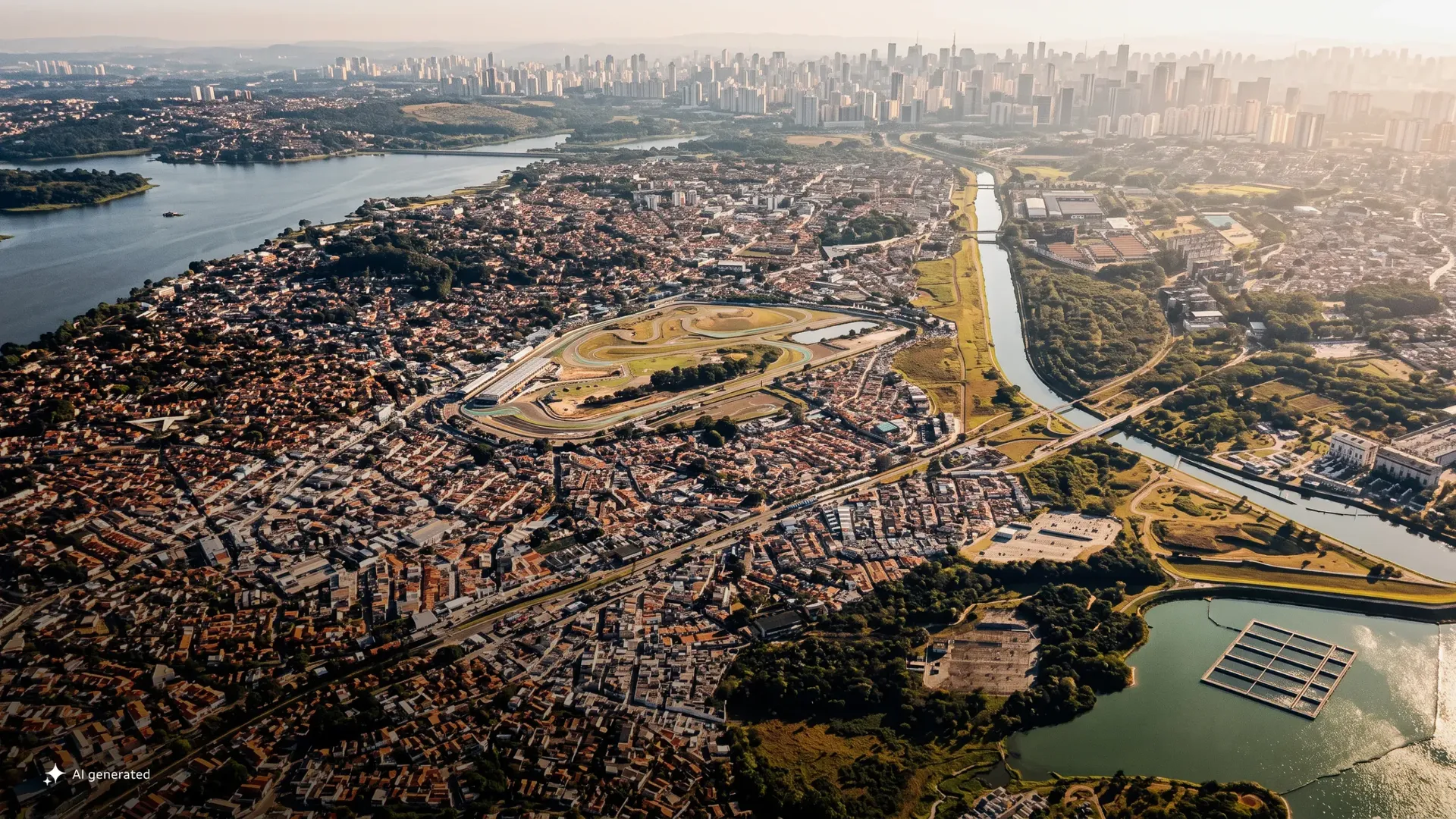
The Interlagos circuit sits in the neighbourhood of the same name in the south of São Paulo. Translated from Portuguese, Interlagos means "between lakes" – and that is exactly where track and neighbourhood are found: between two giant man-made reservoirs.
Guarapiranga lies to the west of the track, Billings to the east. Built in the early 20th century, they are two of the largest and most important reservoirs in the region, supplying the city's drinking water and generating power. They also shape the local climate.
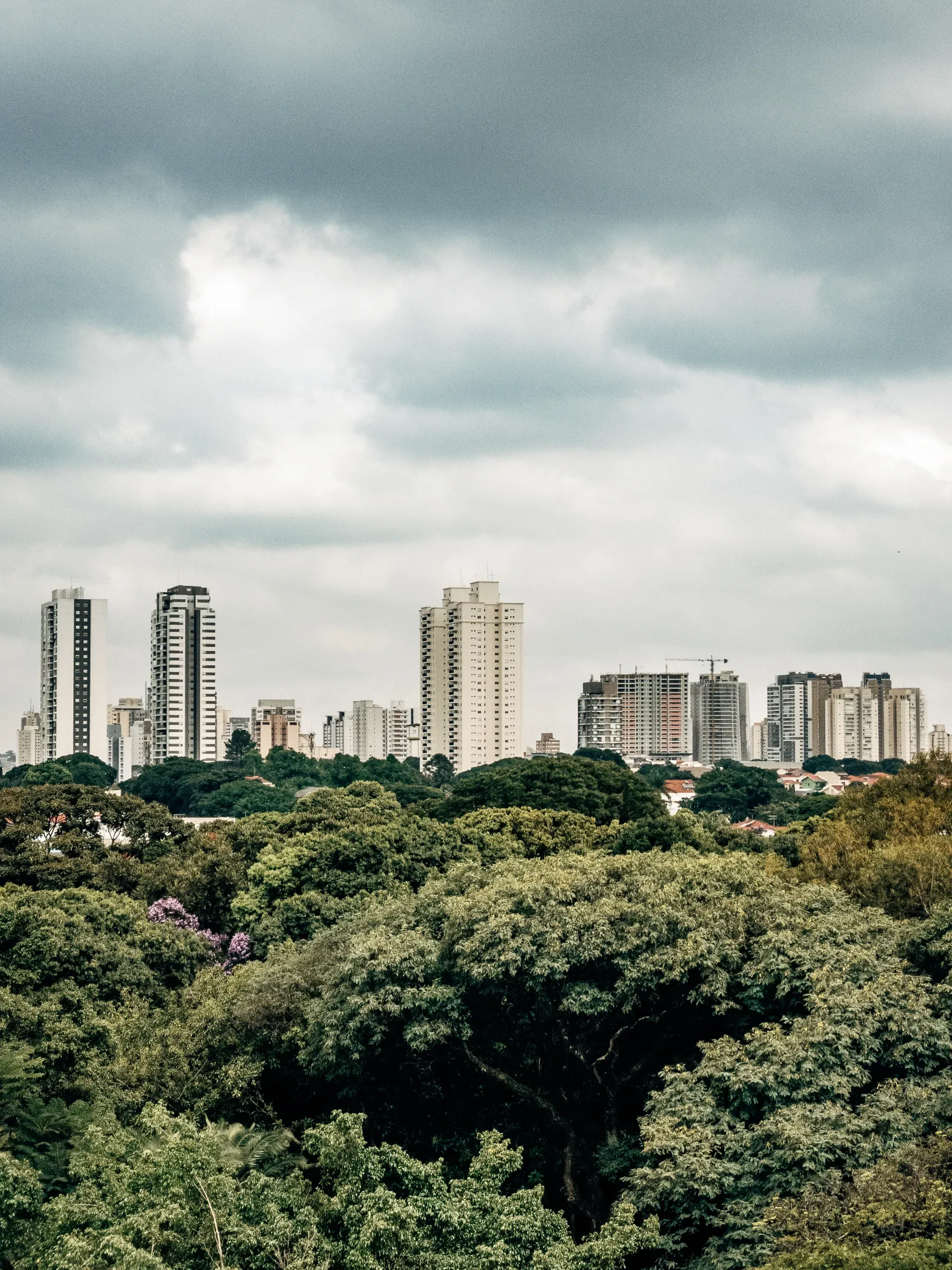
A microclimate is a localised area that can differ from the surrounding region in temperature, humidity, rainfall and wind. Many factors shape one – large bodies of water among them.
At Interlagos, the reservoirs on either side of the circuit release large amounts of moisture into the local atmosphere through evaporation. When temperatures shift suddenly, that moisture can help storms to form.
São Paulo is also an urban heat island. The sprawling metropolis absorbs solar radiation and holds on to vast amounts of thermal energy. Where warm city air meets the cooler countryside around it, the atmosphere can turn unstable. And with the Atlantic Ocean around 50 km away, cool, moist air fronts roll inland and collide with the hotter air of the city. The result: storms that can build and break directly over the circuit.
Last weekend in Mexico City, Audi Revolut F1® Team raced at more than 2,200 metres. São Paulo sits lower, yet at around 800 metres above sea level it is still one of the highest venues on the F1® calendar. The circuit itself lies on a hillside once considered too steep for housing. The slope forces humid air upward. It cools rapidly, its moisture condenses and eventually falls as rain – a process known as orographic lift.
Add the start of Brazil's summer wet season, and storms can roll in within minutes. Qualifying at the 2023 São Paulo Grand Prix is the perfect example. The hour-long session stayed dry until its closing minutes, when dark clouds suddenly formed ahead of Q3. The sky darkened as the drivers set their first laps, the wind picked up – and then the biblical rain arrived, plunging the circuit into mid-afternoon darkness.
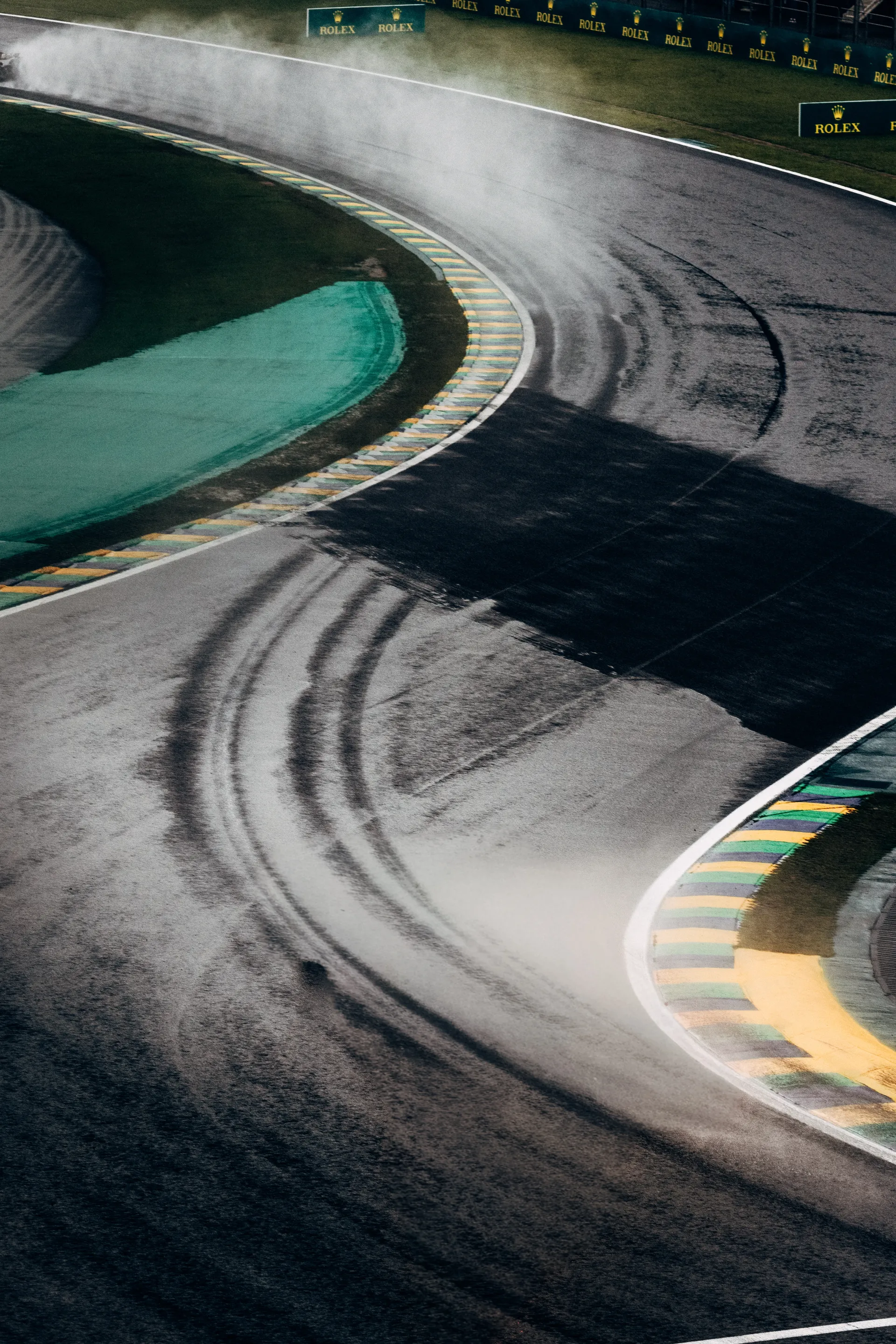
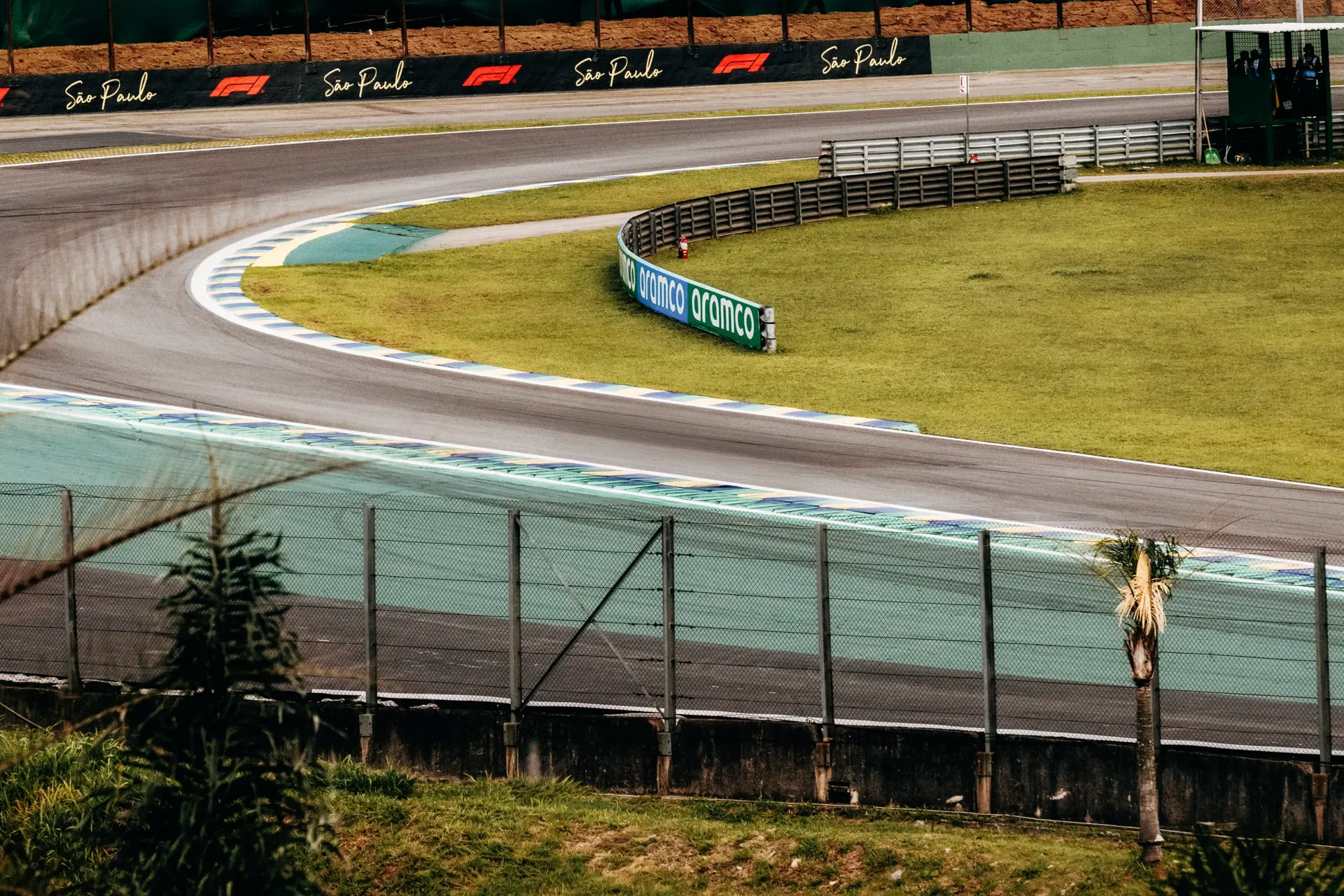
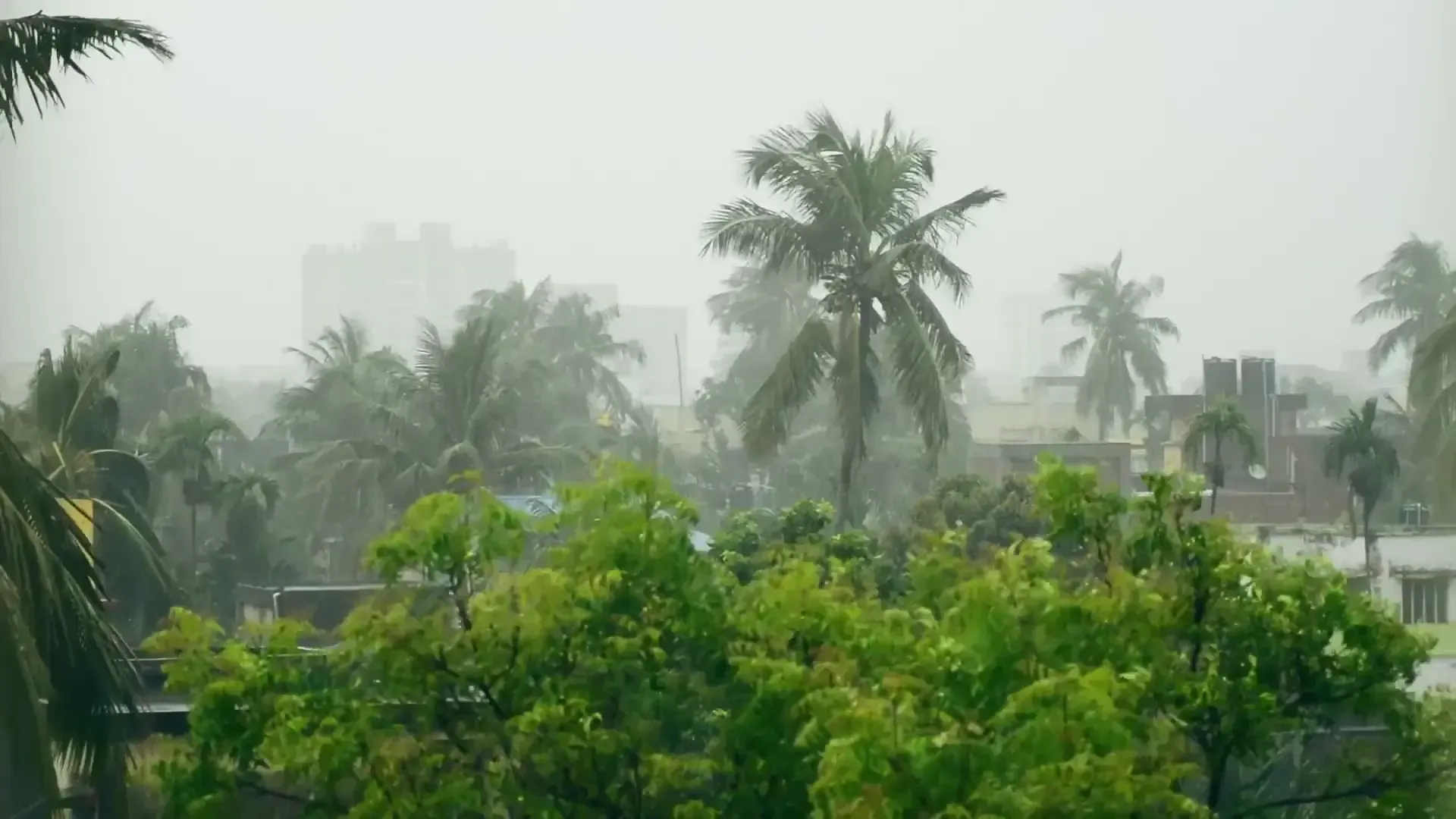
The list of wet races at Interlagos runs into double figures, and rain doesn't stop at the Grands Prix. In three of the last four seasons, wet weather has been a major factor in qualifying here.
With its elevation changes and its mix of high- and low-speed sections, Interlagos gets especially demanding once the rain arrives. Wet running has been rare so far this year: the Bahrain Grand Prix, held in Malaysia, is the only rain-affected race to date for the latest generation of F1® cars.
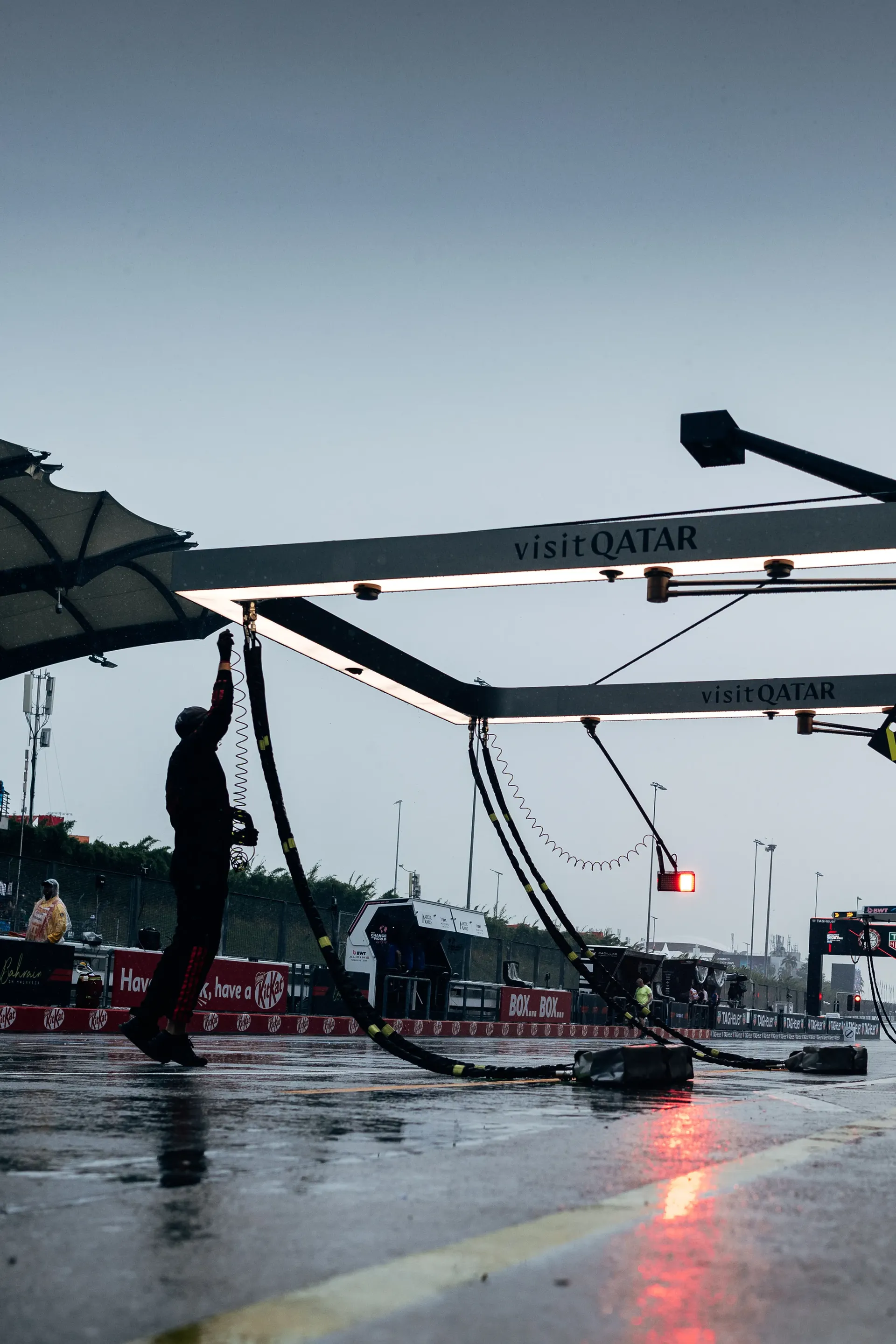
Rain at Interlagos can produce shock results. Just ask our very own Nico Hulkenberg, who stormed to a maiden pole position here in the most testing conditions in his debut season in 2010 – by more than a second.
From 2005 to 2009, Brazil hosted the title decider five seasons in a row, and the threat of bad weather always seemed to hang in the air. Afternoons when rain ruled Interlagos hold a special place in F1® folklore.
2003
Only ten cars were classified at the 2003 Brazilian Grand Prix, a race cut short by a red flag after a heavy crash. The conditions were so treacherous that even the reigning World Champion slid off the track.
2008
Title deciders don't come much more dramatic. In changeable conditions, a last-lap pass at the very last corner crowned a new World Champion at the 2008 Brazilian Grand Prix.
2012
The 2012 title decider in Brazil also ran in changeable conditions. The eventual champion fought back from a first-lap spin to claim a third consecutive title, in a race where Nico once again showed his wet-weather skills, leading almost half the laps.
2016
Lasting more than three hours with two red-flag periods, the 2016 Brazilian Grand Prix had it all: pre-race drama, unbelievable saves and a string of wet-weather incidents.
2024
A very wet weekend pushed qualifying for the 2024 São Paulo Grand Prix into Sunday morning. Five red flags later, the grid was set – and the eventual winner came through from 17th on the grid.
Will 2026 bring the next rain-affected weekend at Interlagos? The current forecast suggests it could, with unsettled conditions on the horizon.

São Paulo
Today 04.11.26
30°
Light rain
Feels like
32°
Wind
8km/h
Humidity
65%
Rain
20%
Hourly forecast
Track Time
4 pm
28°
5 pm
26°
6 pm
25°
7 pm
24°
8 pm
22°
9 pm
21°
10 pm
21°
11 pm
20°
Forecast
Today
30°
Rain:
20%
Thursday
24°
Rain:
75%
Friday
22°
Rain:
10%
Saturday
29°
Rain:
85%
Sunday
17°
Rain:
15%
Monday
16°
Rain:
15%
Tuesday
20°
Rain:
10%
The Track
Autódromo José Carlos Pace

Track details
| Race distance (F1): | 305.879km |
|---|---|
| First F1 race | 1973 |
| Length | 4.309km |
| Number of Laps | 71 |
| Race lap record | 1:10.540 |

São Paulo GP
Mexico City GP
Mexico City GP

Mexico City GP
Mexico City GP
United States GP
United States GP
United States GP
United States GP
DDP
United States GP
United States GP
United States GP

All for One
Singapore GP
Singapore GP

Singapore GP
Singapore GP
Singapore GP
Singapore GP
Singapore GP
Bahrain GP
Bahrain GP
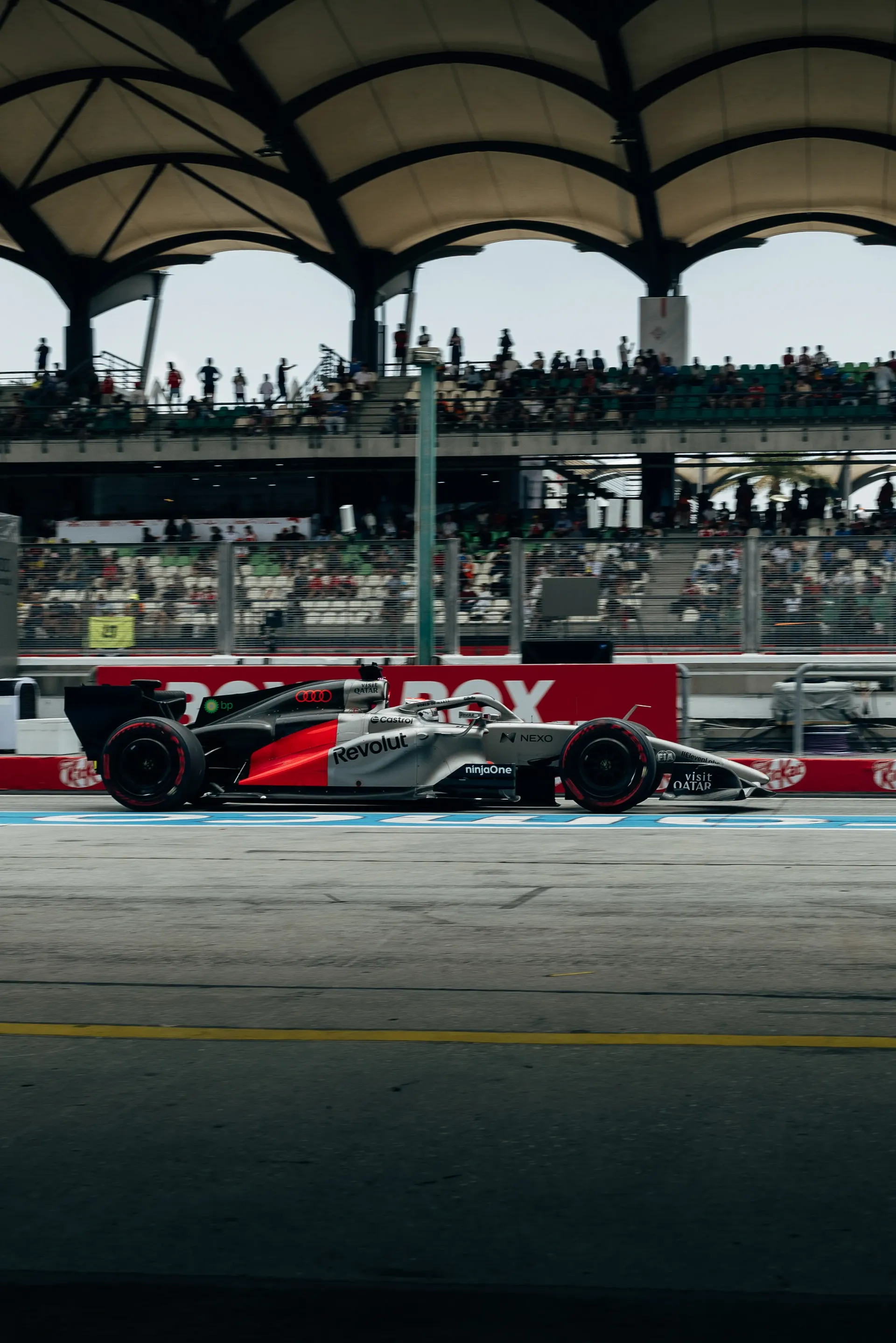
Bahrain GP
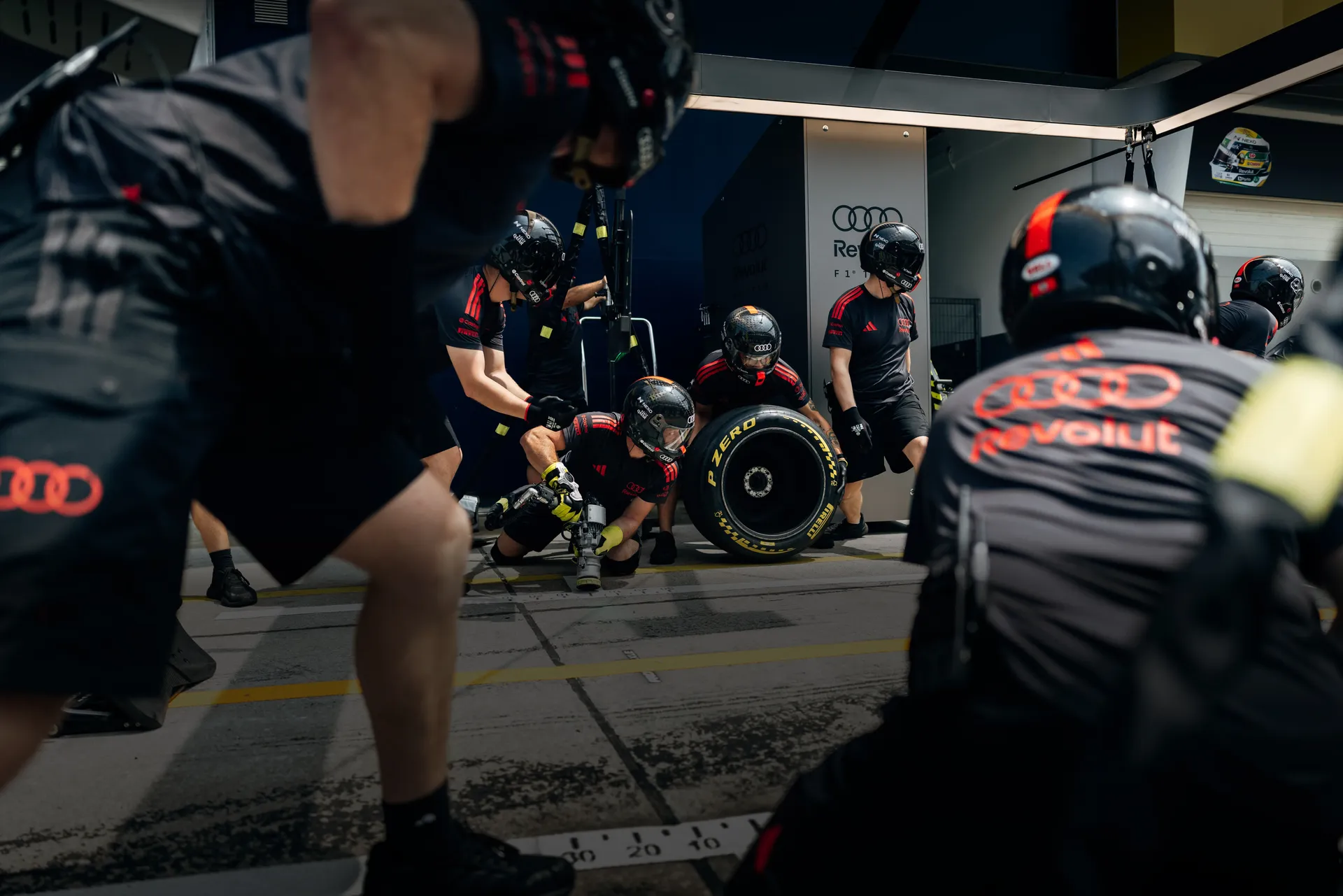
Bahrain GP
Bahrain GP
Bahrain GP
Bahrain GP
Azerbaijan GP
Azerbaijan GP
Azerbaijan GP
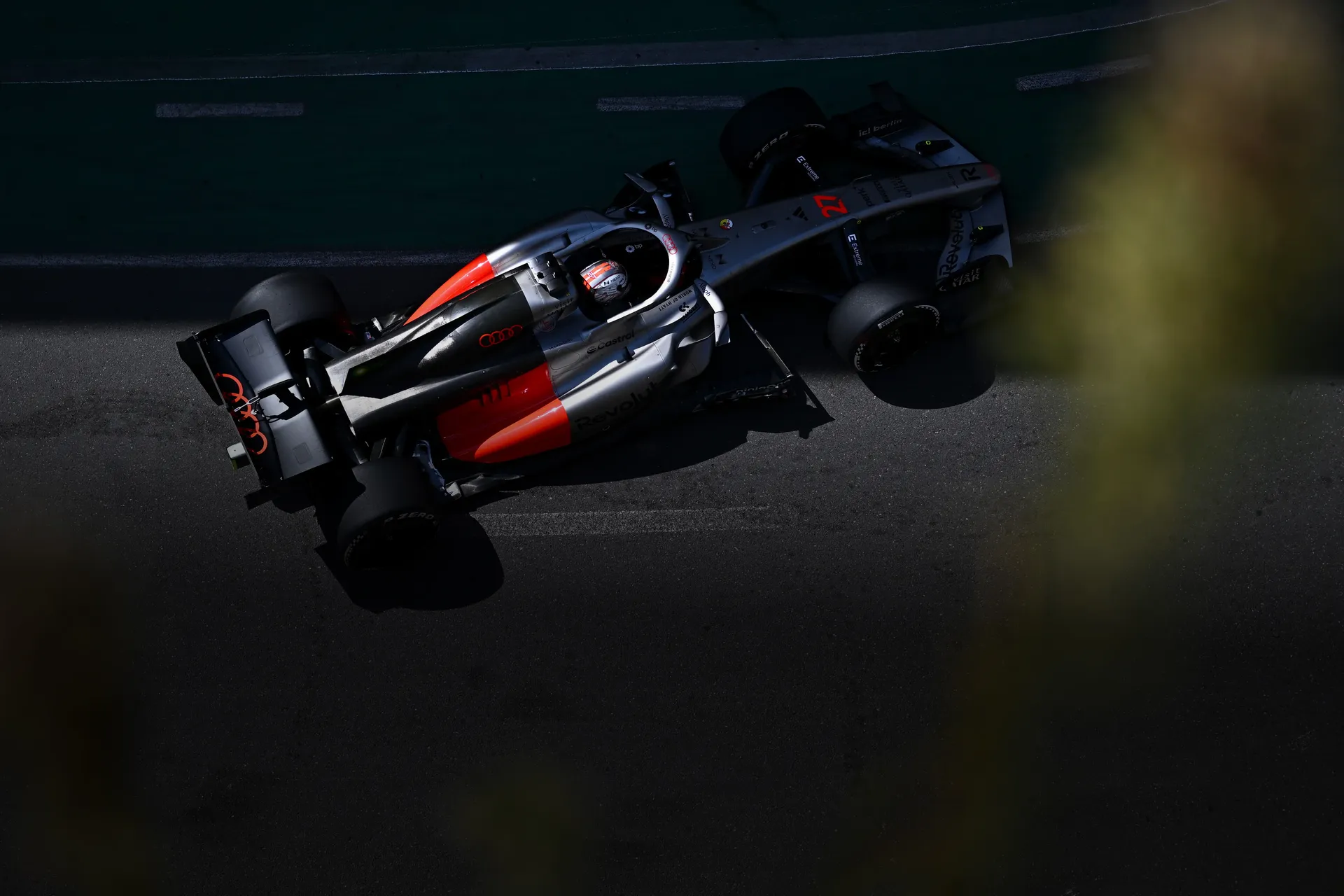
Azerbaijan GP
Azerbaijan GP
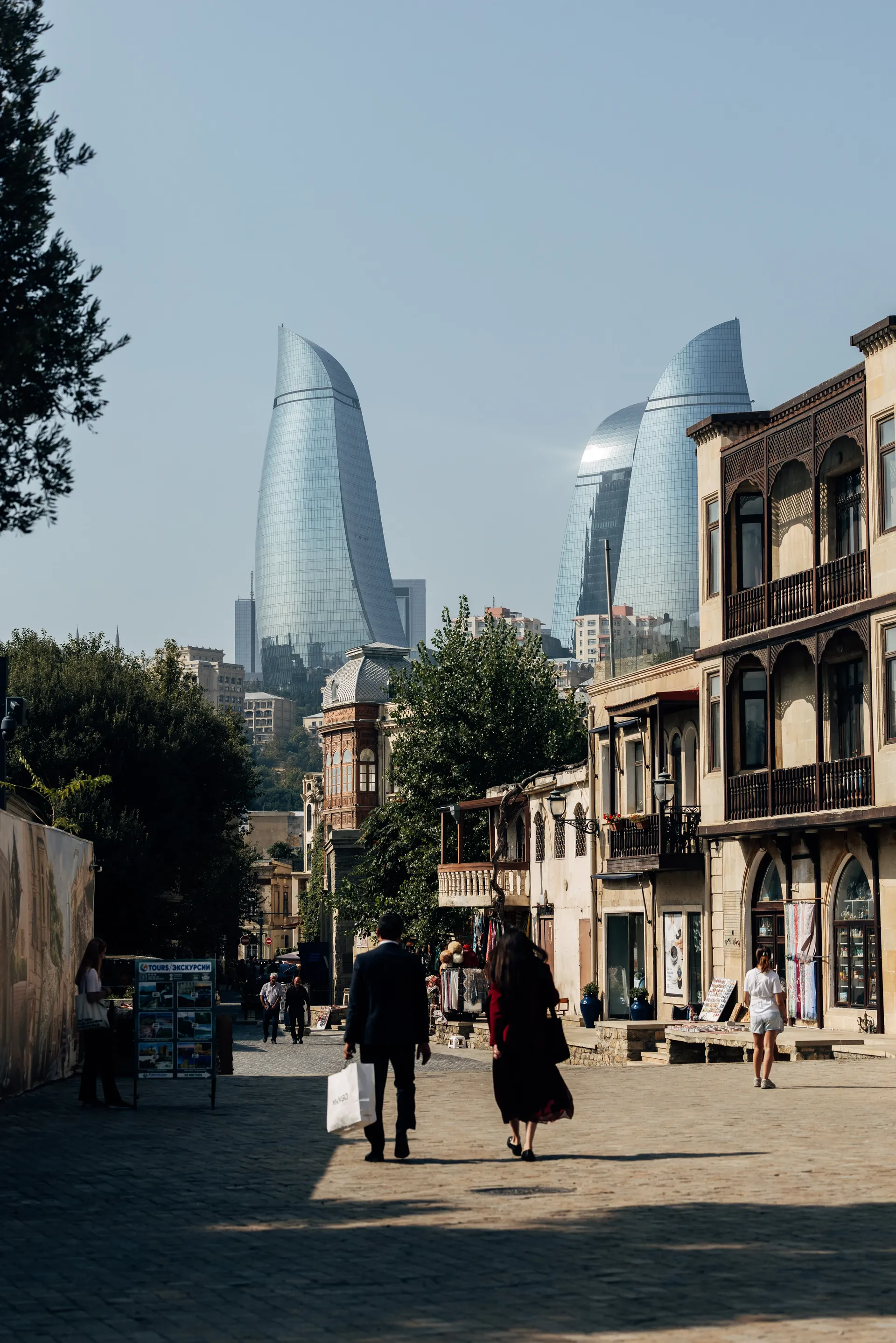
Azerbaijan GP
Azerbaijan GP
2027 Season
All for One

DDP
Spanish GP
Spanish GP
Spanish GP
Spanish GP

Spanish GP
Audi(o)
Spanish GP
Spanish GP
Italian GP
Italian GP
Italian GP
Italian GP
2026 season
Italian GP
Italian GP
All for One
Dutch GP
Dutch GP
Dutch GP
Dutch GP

Dutch GP
Dutch GP
2026 Season
F1® Insights
DDP

Season review

Interview

All for One
Breaking News
Hungarian GP
Hungarian GP
Hungarian GP
Hungarian GP

Challenge
Hungarian GP
Hungarian GP
Belgian GP
Belgian GP
Belgian GP
Belgian GP
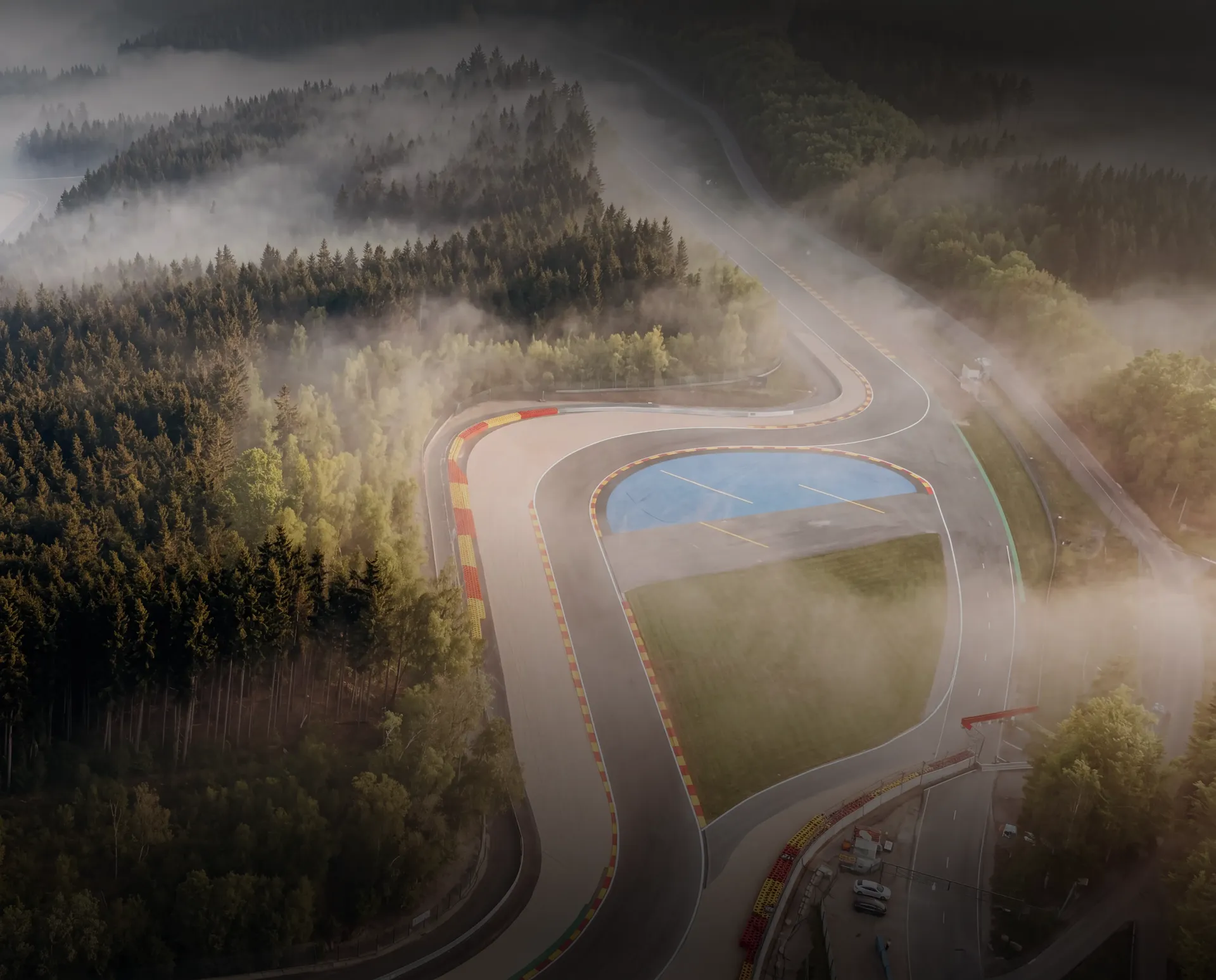
Belgian GP
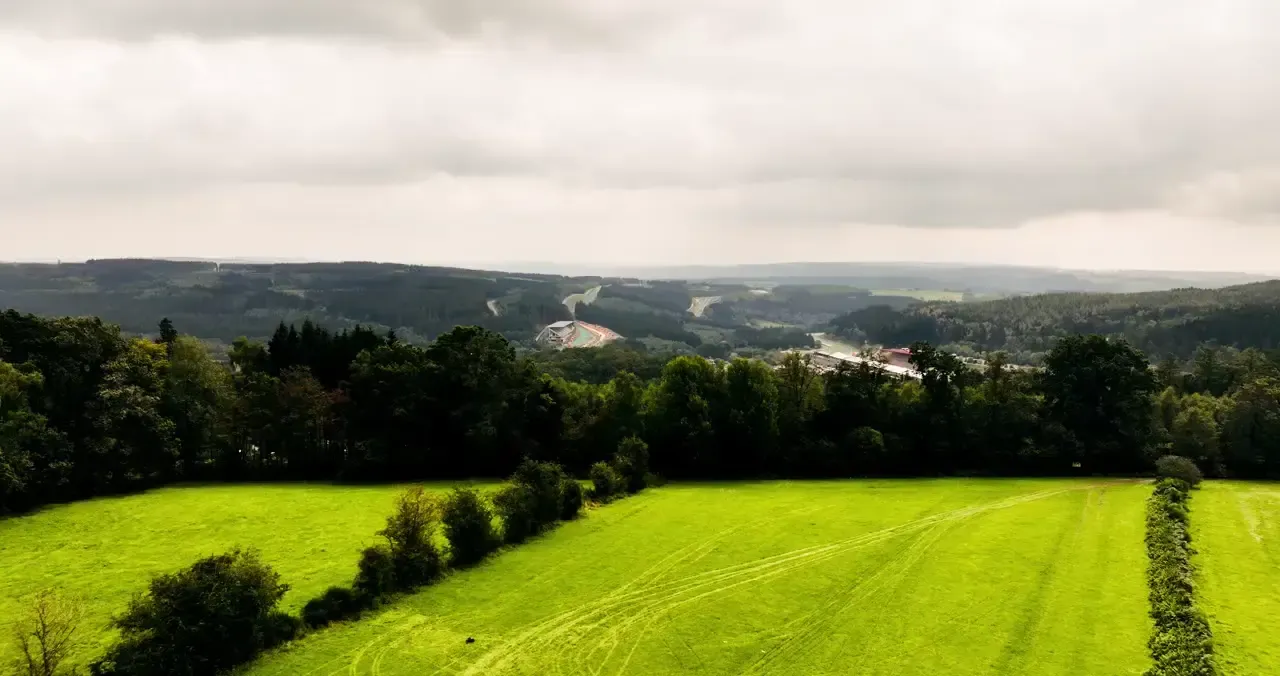
Belgian GP
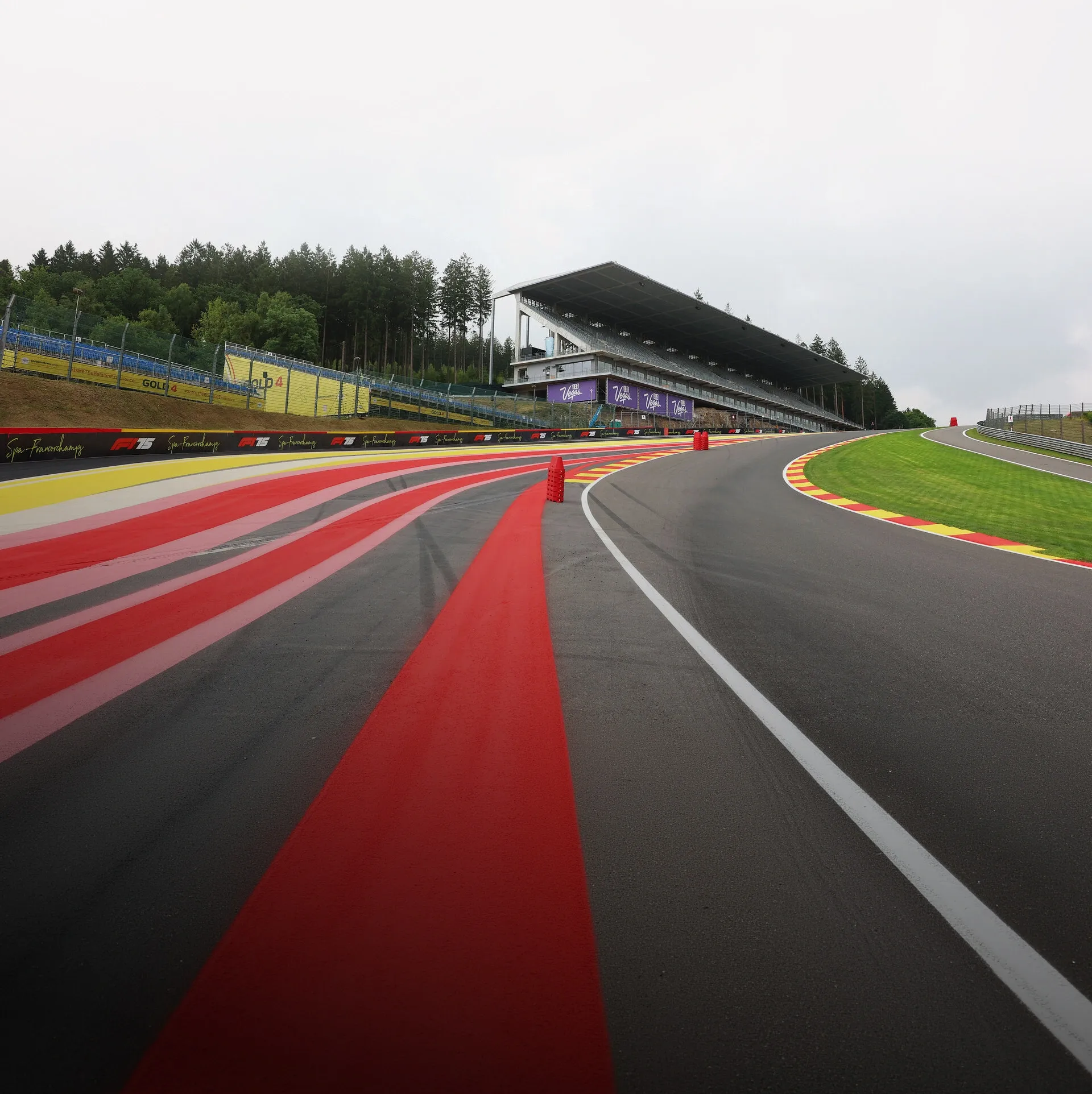
Belgian GP
All In
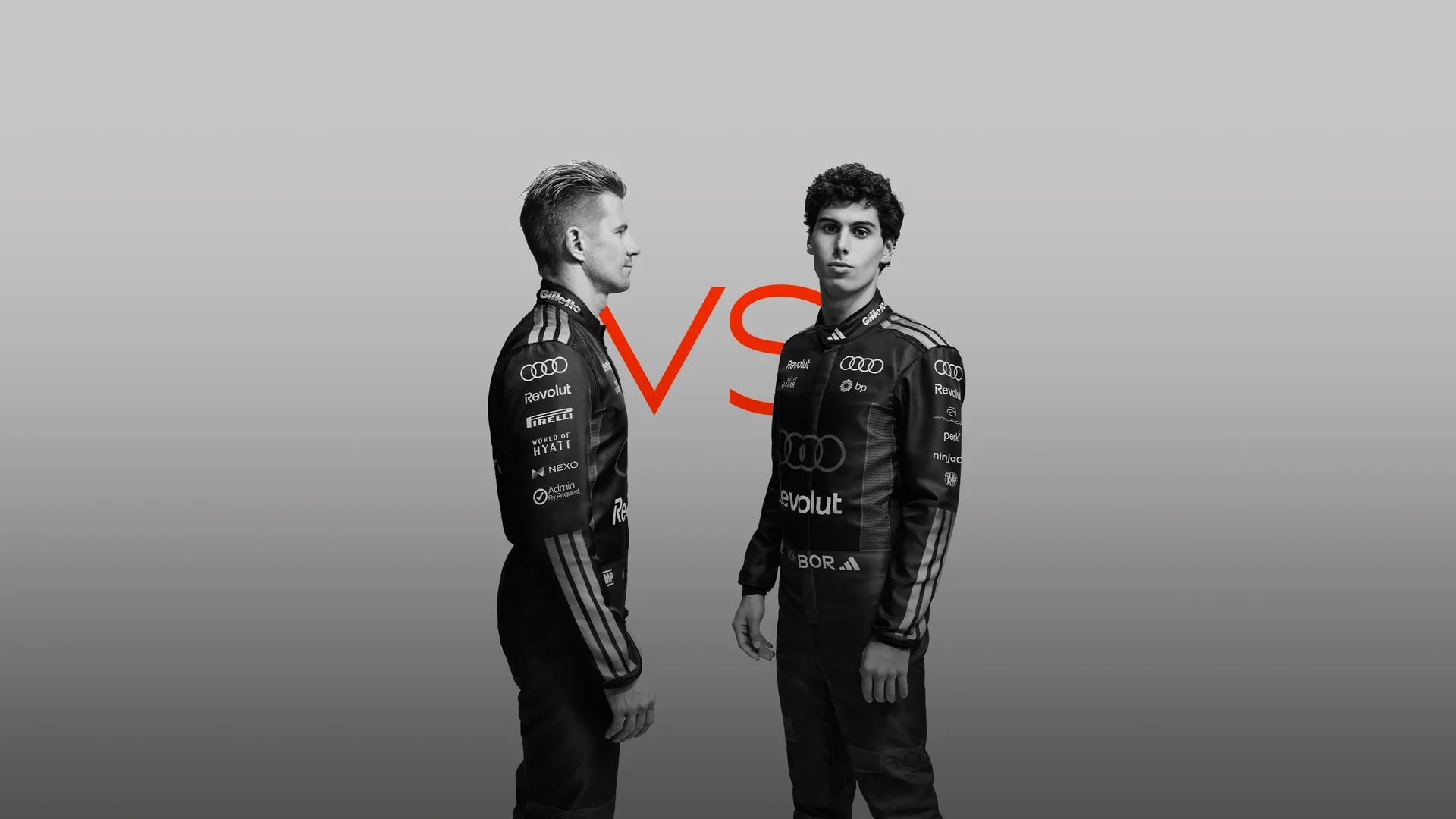
Nico vs. Gabi
View on the season
British GP
British GP

British GP
British GP
British GP
British GP
British GP
British GP
Austrian GP
Austrian GP

Austrian GP
Austrian GP
Austrian GP
Austrian GP

Community excklusive
Austrian GP