AUDI REVOLUT F1® TEAM
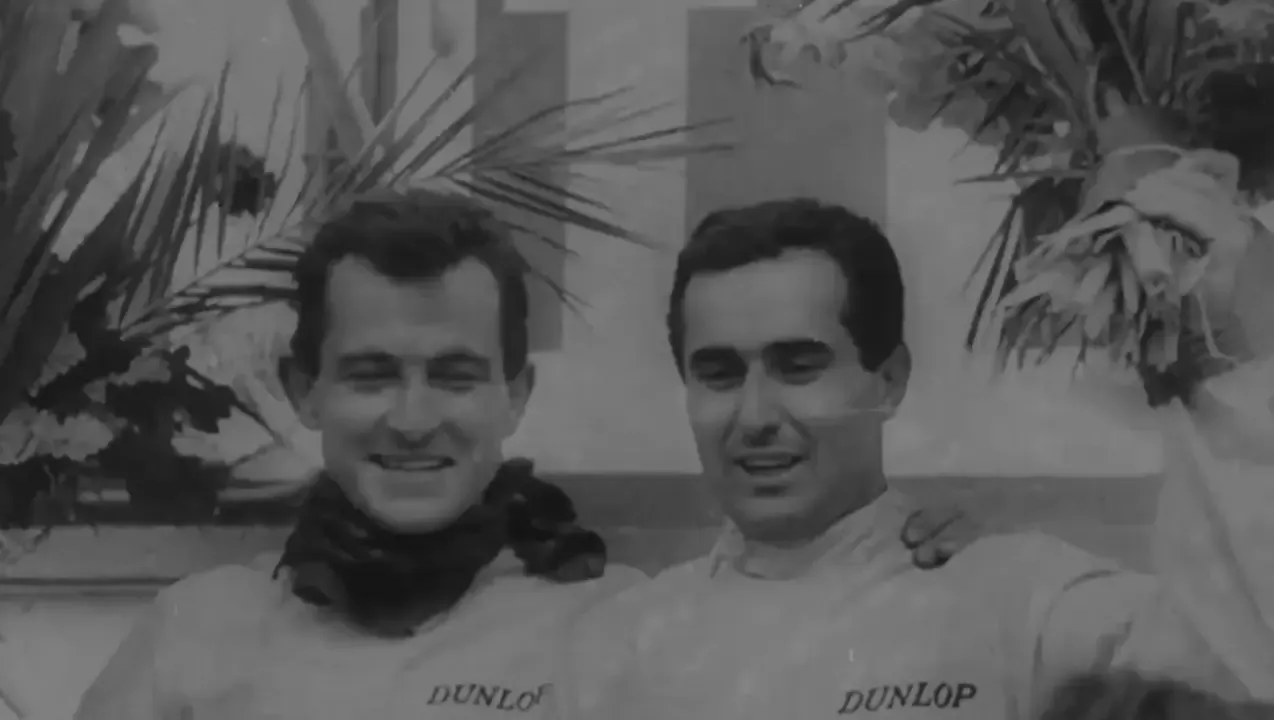
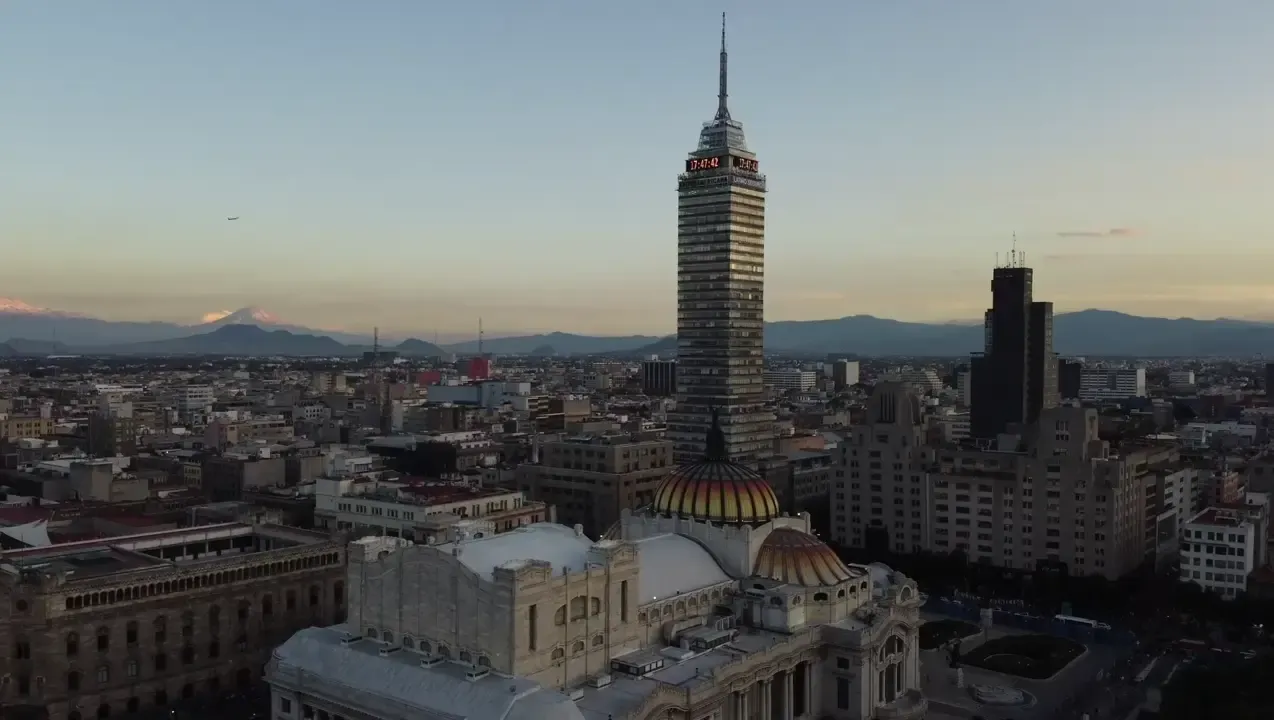
When Audi Revolut F1® Team races at the Mexico City Grand Prix for the first time this weekend, it does so on a track which honours the racing legacy of Mexico’s most famous racing brothers. This is their story.
In the early 1940s, two brothers who would ignite a nation’s passion for motorsport were born in the affluent Nueva Anzures neighbourhood in Mexico City. Pedro Rodriguez, the older of the two, was born in 1940. Younger brother Ricardo was born two years later, in 1942.
As kids, the pair grew up racing bikes – with plenty of success. Entering national bicycle races before reaching double digits, Pedro moved to motorbikes before too long – and his brother Ricardo soon followed. Both forged successful careers in their early racing years, all funded by their wealthy and well-connected father.
Winning national titles in motorbike racing would prove to be a stepping stone. The real destination was car racing. Naturally, they both excelled when they made the switch – even though Ricardo was just 15 years old when he made his international debut.
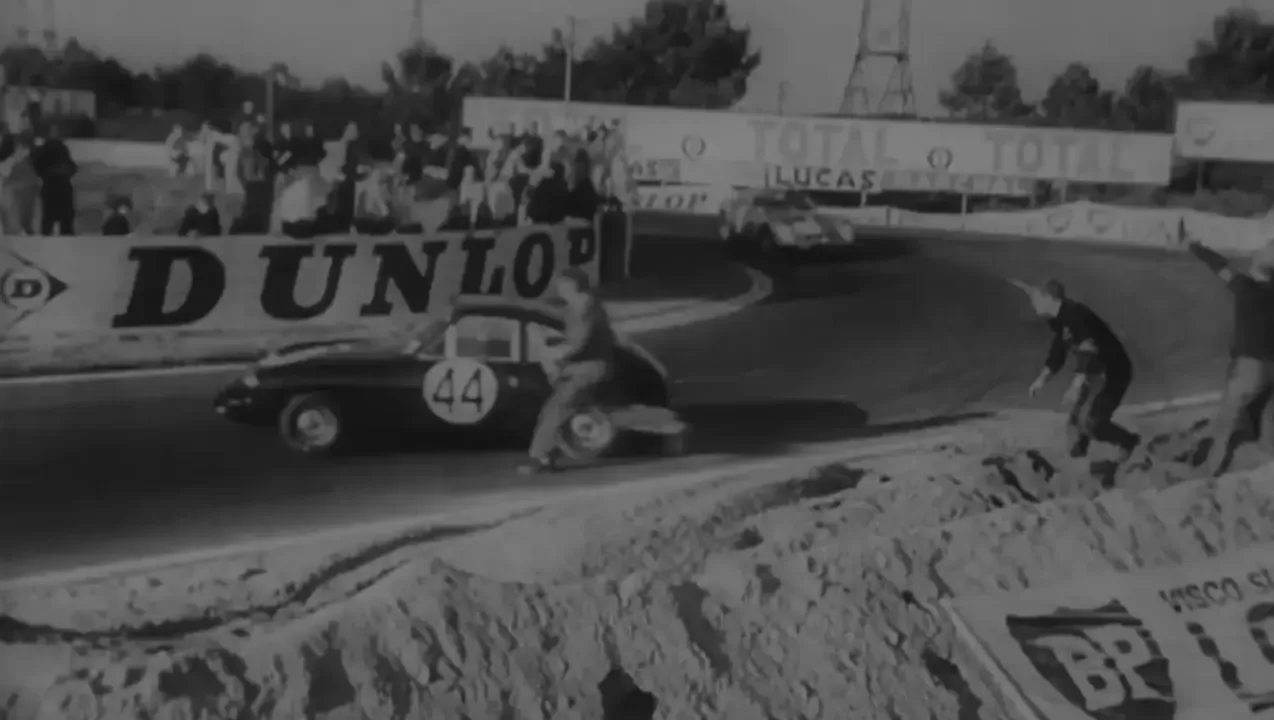
The duo almost raced together in the same car at the 24 Hours of Le Mans in 1958, but Ricardo was only 16 years old and was prevented from starting the race by the organisers. Pedro still raced and instead was partnered by Jose Behra, the brother of F1® driver Jean Behra, rather than his own brother.
The Rodriguez brothers would go on to race together on numerous occasions, including three times at Le Mans and notably finishing on the podium together in endurance races at the Nurburgring and Sebring.
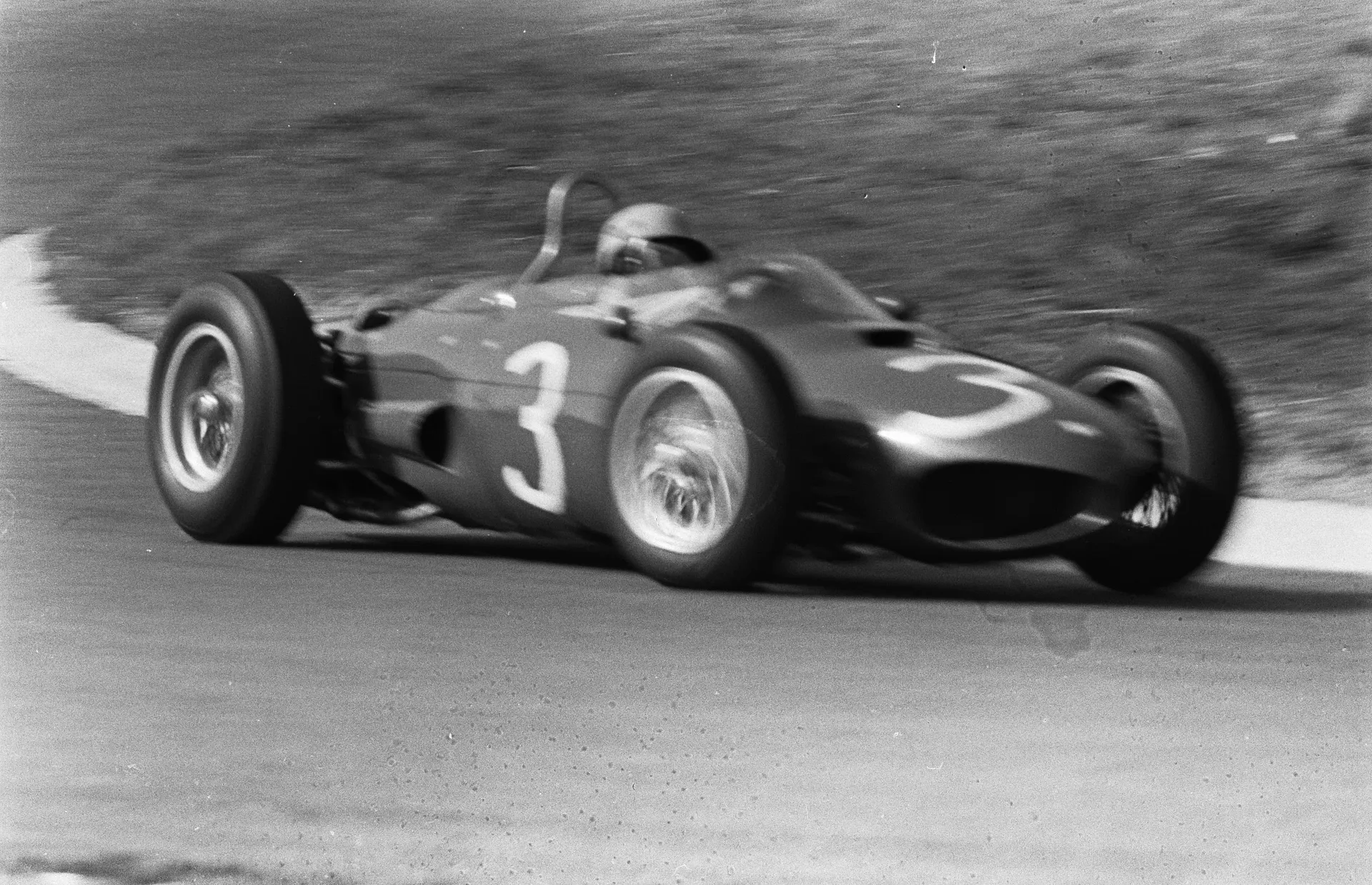
Despite Pedro being the older brother, it was Ricardo who would race in F1® first. His promising talent shone through when he made his Grand Prix debut with Ferrari. After a one-off appearance as the first Mexican driver to race in the sport in 1961, he returned the following year and produced two points-paying performances with fourth place and sixth place in the Belgian and German Grands Prix respectively.
That year, he became the youngest driver to start a Grand Prix, the youngest front-row qualifier and the youngest points scorer. Easily capable of mixing with the World Champions of the era, it seemed that big things were ahead for the young Mexican.
Ricardo’s story, however, would have a tragic ending. The first Mexican Grand Prix took place as a non-championship event in 1962 at Mexico City’s race track, which was then named Autodromo Magdalena Mixhuca. In what was supposed to be a celebration of motorsport, marking F1®’s first visit to Mexico, the event was overshadowed by the death of the nation’s racing superstar.
Ferrari did not enter the event, so Ricardo drove a Lotus 24 for the Rob Walker Racing Team. After setting the early practice pace at the event, Ricardo went out for one last run – determined to top the timesheet. Then, tragedy struck. A suspected suspension failure resulted in a high-speed crash at the famed and feared Peraltada corner. The rising star, just 20 years old, lost his life. He remains the youngest F1® driver to have died in the sport’s history.
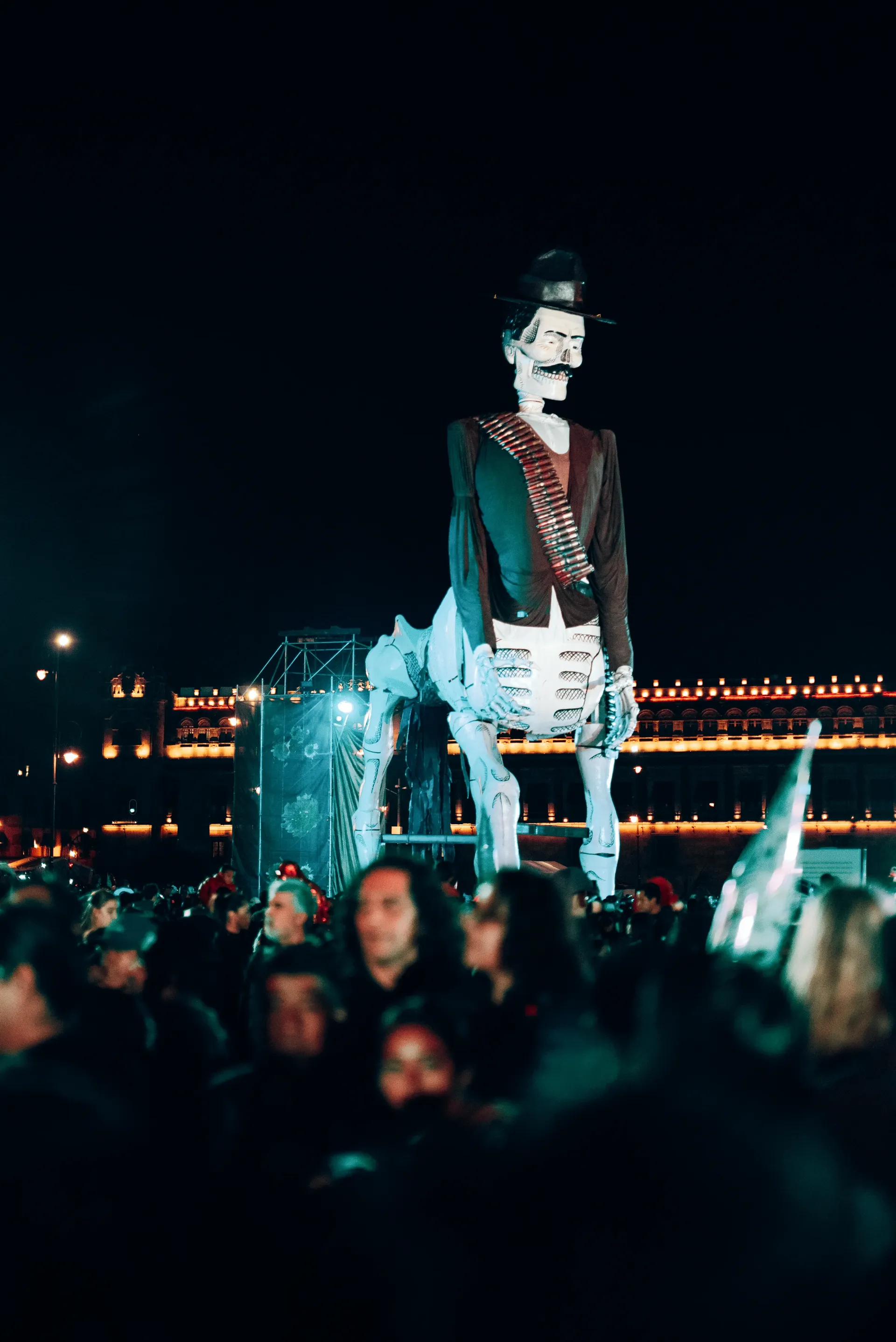
Poignantly, Ricardo died on November 1 – the day on which Día de los Muertos is celebrated across Mexico. There was an outpouring of public grief, as thousands lined the streets at the younger brother’s wake. But this was not the end of Mexico’s love affair with Formula 1®.
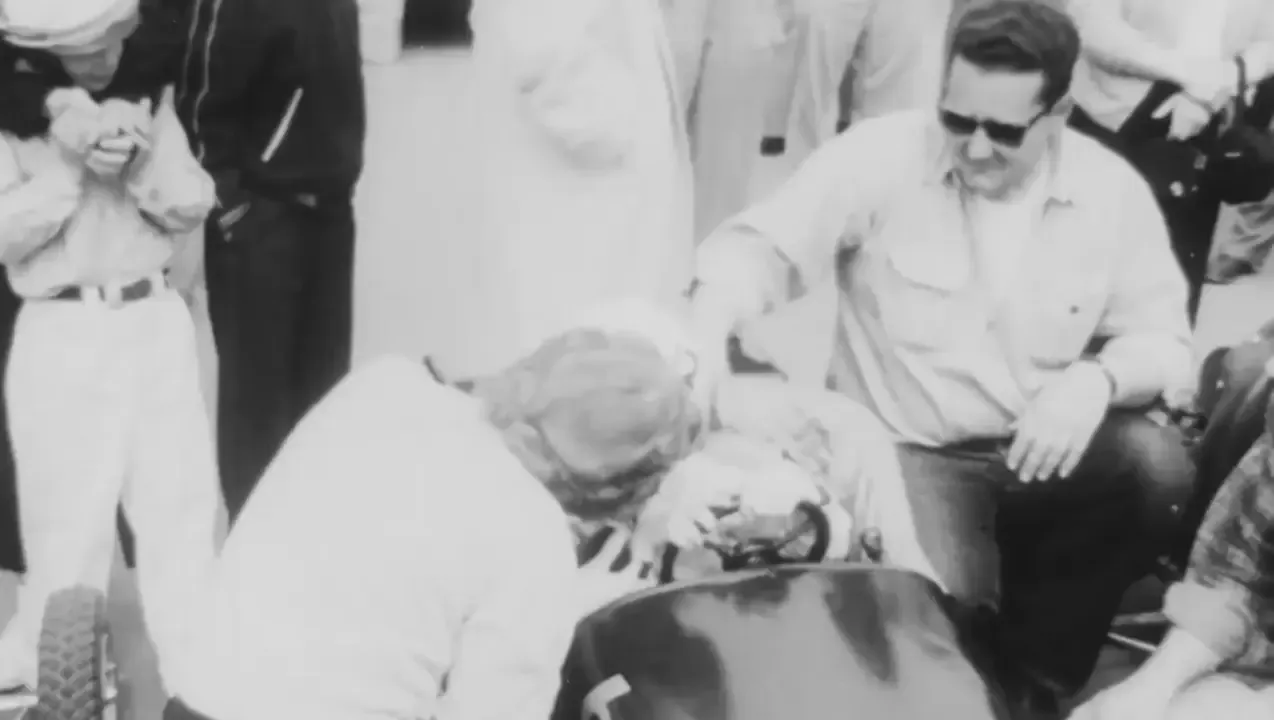
Pedro had also entered the 1962 Mexican Grand Prix but withdrew after his brother’s fatal crash. Understandably, Pedro considered quitting racing altogether but valiantly continued. Still somewhat uncertain of whether he should still be racing, he lined up on a Formula 1® grid for the first time just under a year later at the 1963 United States Grand Prix.
After making a handful of appearances from 1963 to 1966, Pedro became a regular on the grid in the 1967 season and secured his first victory at that year’s season-opening South African Grand Prix.
A proud countryman, Pedro was likely fuming – despite displaying professional grace – after his maiden win, when unprepared race organisers had no sheet music or recording available of the Mexican national anthem. Instead, the band played a rendition of the upbeat Jarabe Tapatío. To ensure there was no repeat of the awkward cliché stereotype podium mishap, from that race onward, Pedro carried a Mexican flag and a vinyl copy of the national anthem everywhere he went.
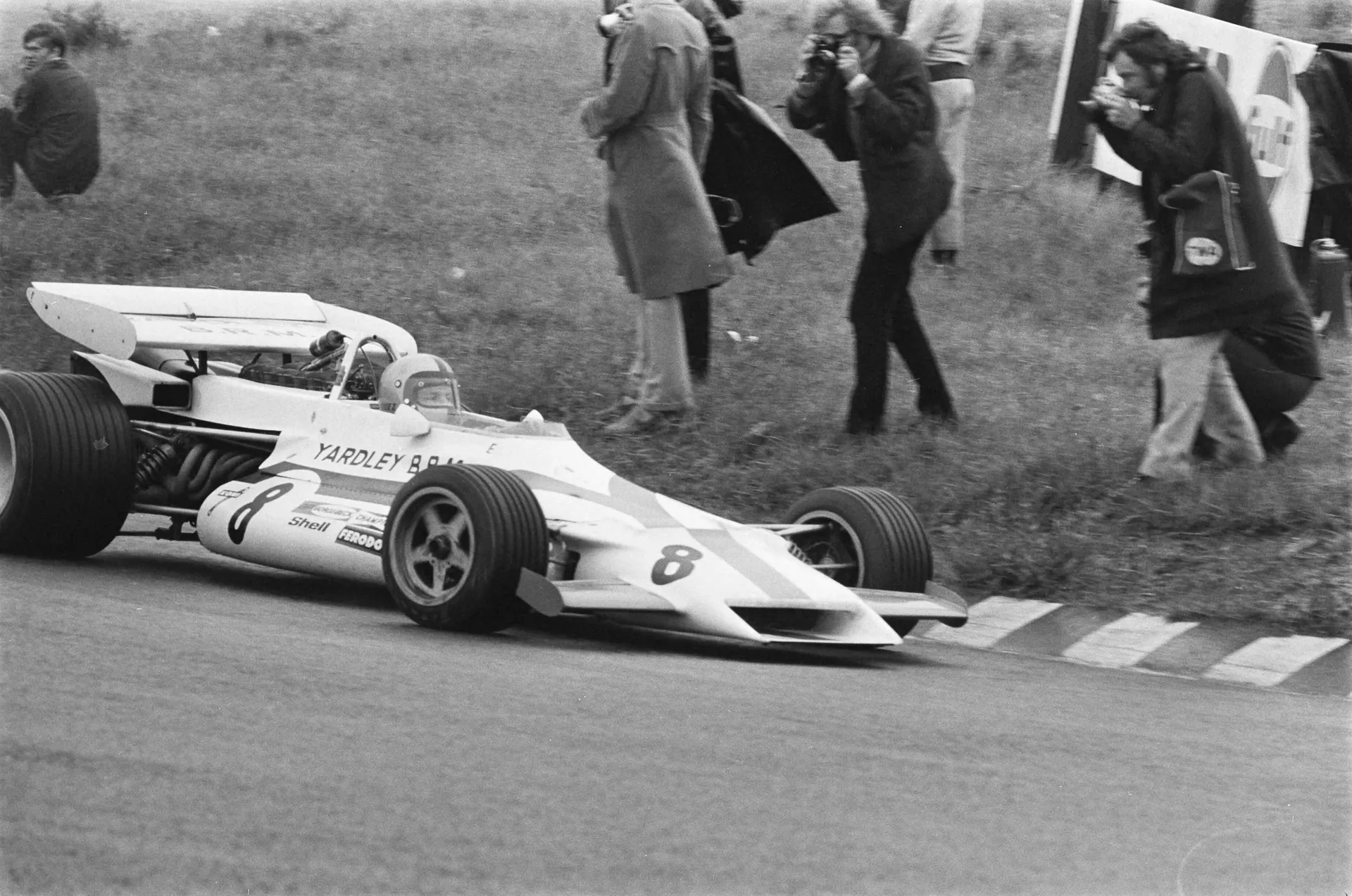
Mexico had a new star. Pedro moved to a more competitive drive at BRM in the following season. Three podium finishes would follow, but there would be no more wins until the 1970 Belgian Grand Prix. Ultimately, that would prove to be the last time a Mexican driver stood on the top step of the Formula 1® podium for over 50 years.
Pedro’s ongoing presence in Formula 1® and his success at Spa earlier that season meant that there was a mega crowd in place when the sport visited Mexico for the final race of the season. With an audience of around 200,000 fans, controlling the masses proved to be difficult.
The start of the race was delayed by almost two hours while drivers including reigning champion Jackie Stewart and Pedro himself pleaded with the fans – who had encroached into dangerous areas and moved beyond the circuit’s guard rails – to move back. The lack of control was one of the factors which led to this being the final Mexican Grand Prix for 16 years.
But there was to be another sting in the brothers’ tale. Less than eight months after fans had lined the track in Mexico hopeful of a home win, Pedro was killed in a sportscar race at the Norisring in Germany when a mechanical issue sent his Ferrari into a fiery crash. In under a decade, Mexico had lost both of its F1® stars, as well as its Grand Prix.
At the request of the Mexican president, in 1962, the track was renamed: Autódromo Ricardo Rodríguez. Ten years later, following the death of Pedro, it was renamed again: Autódromo Hermanos Rodríguez.
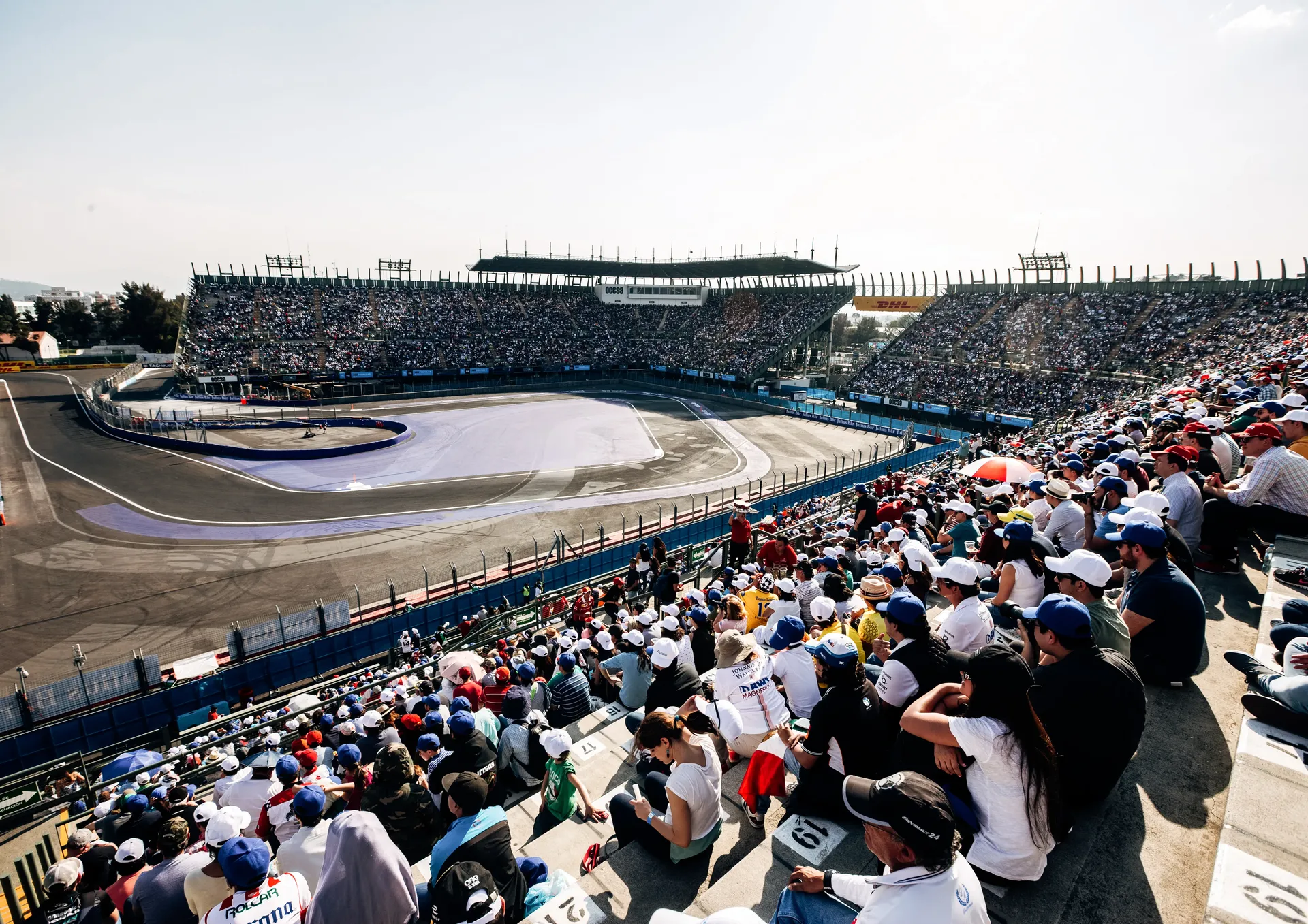
For those who know the legacy, the Rodriguez brothers were the starting point of serious motorsport interest in Mexico. Despite spells without a Mexican Grand Prix or without Mexican drivers on the grid, the interest has only grown. In recent years, around 400,000 fans across the Mexico City Grand Prix weekend pack into the circuit which bears the brothers’ name to see the latest generation of Formula 1®. The latest chapter of the brothers’ legacy is ready to be written.
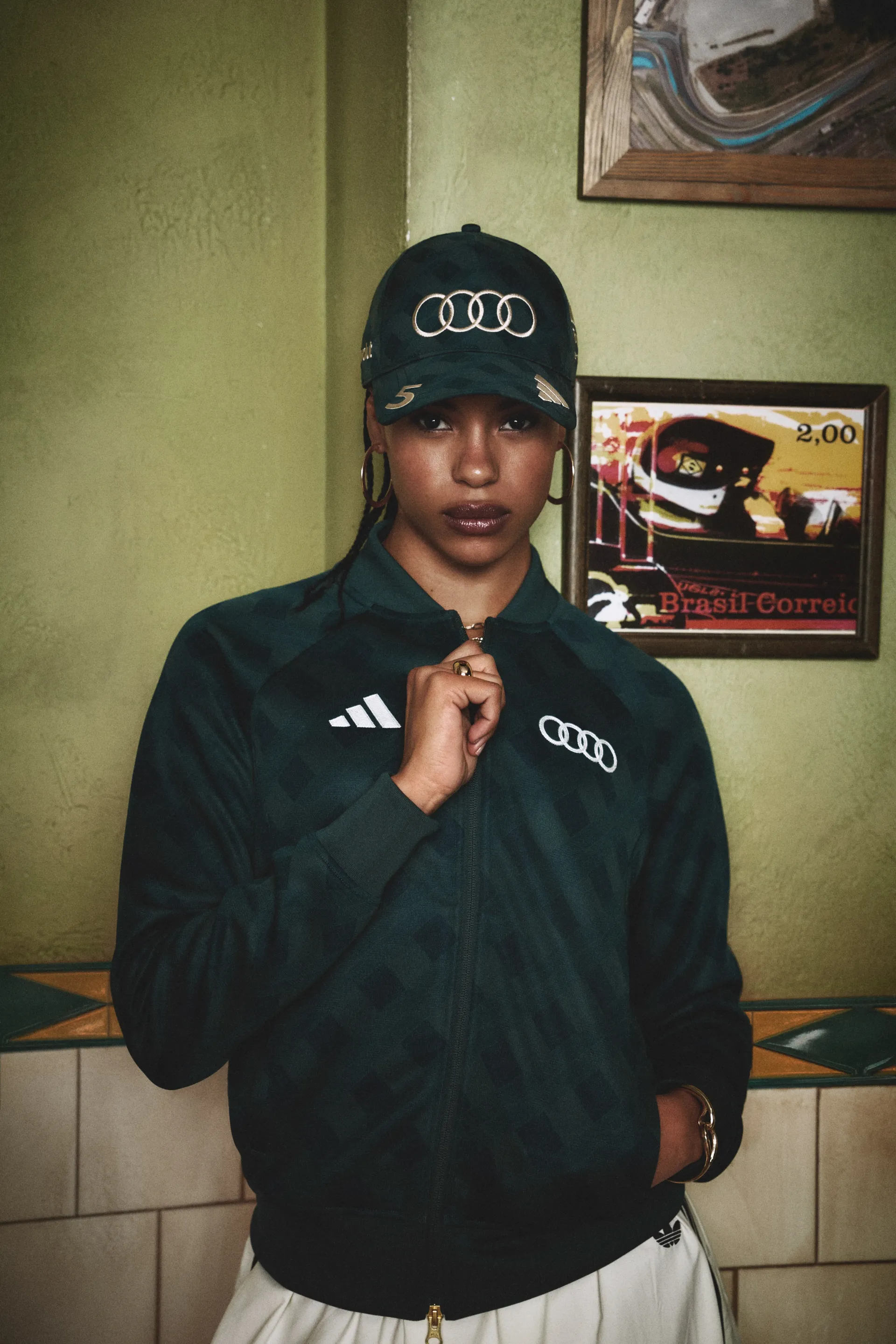
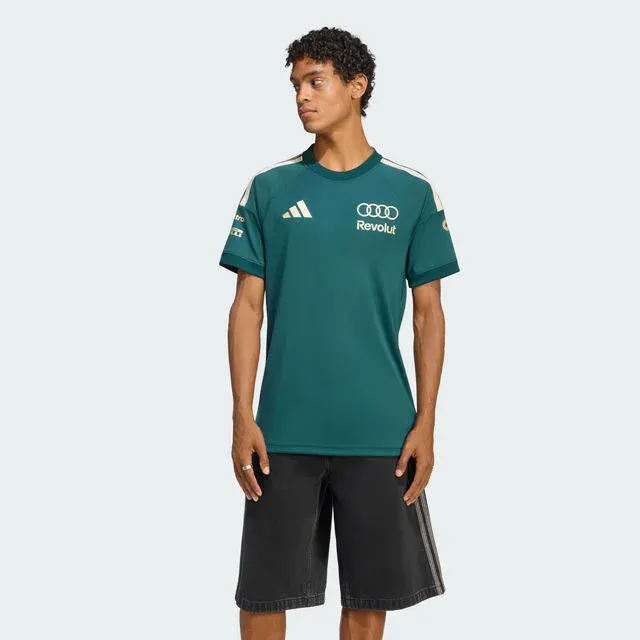
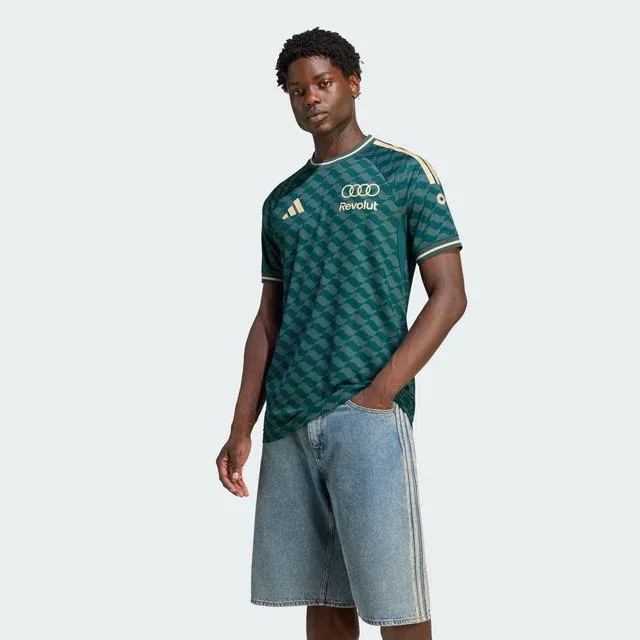
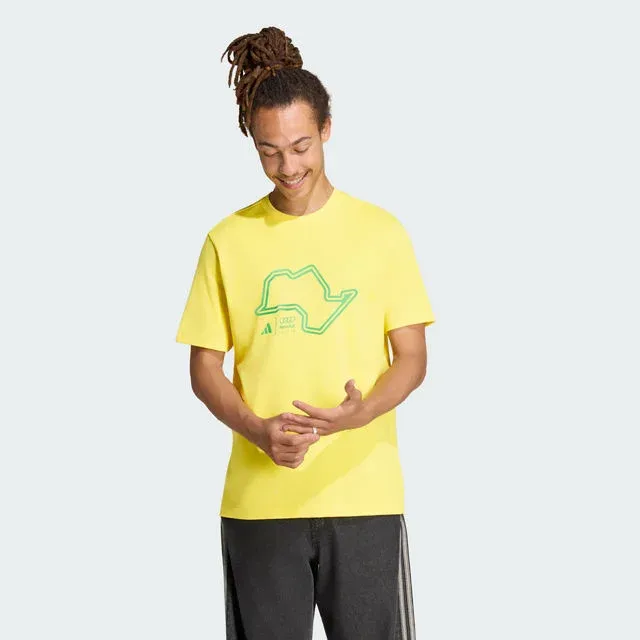
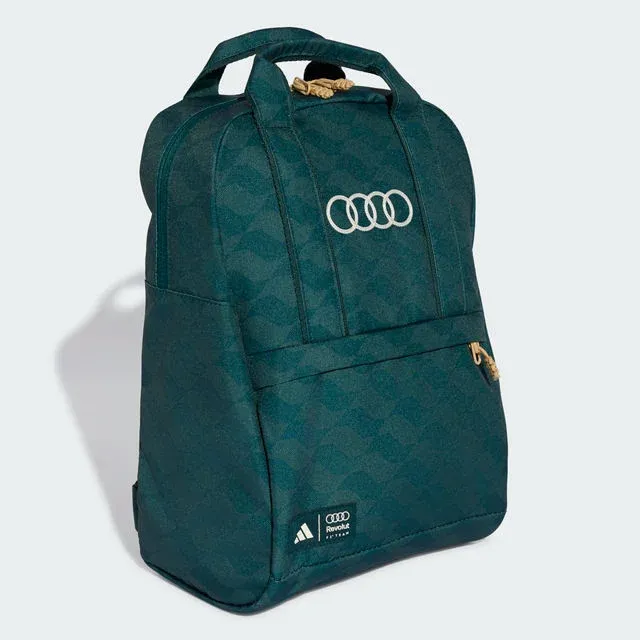
The adidas Sampa Soul collection channels the pulse of a movement that spans continents and city streets. Created for those who don’t just keep up, they set the pace.
AUDI REVOLUT F1® TEAM

AUDI REVOLUT F1® TEAM

AUDI REVOLUT F1® TEAM
AUDI REVOLUT F1® TEAM

AUDI REVOLUT F1® TEAM

AUDI REVOLUT F1® TEAM
AUDI REVOLUT F1® TEAM
AUDI REVOLUT F1® TEAM

AUDI REVOLUT F1® TEAM

AUDI REVOLUT F1® TEAM

AUDI REVOLUT F1® TEAM
AUDI REVOLUT F1® TEAM
AUDI REVOLUT F1® TEAM
Mexico City GP
Mexico City GP
Mexico City GP
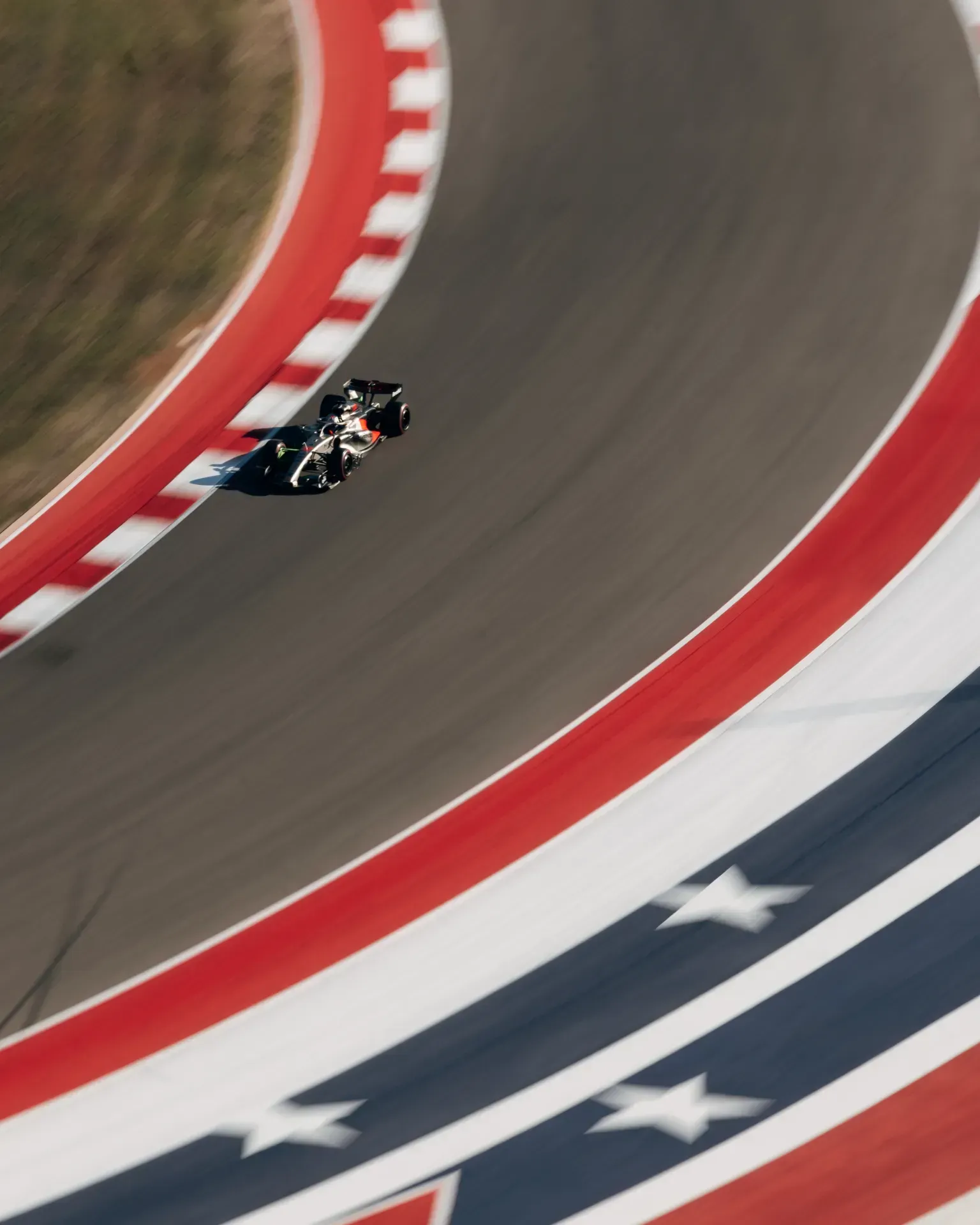
United States GP
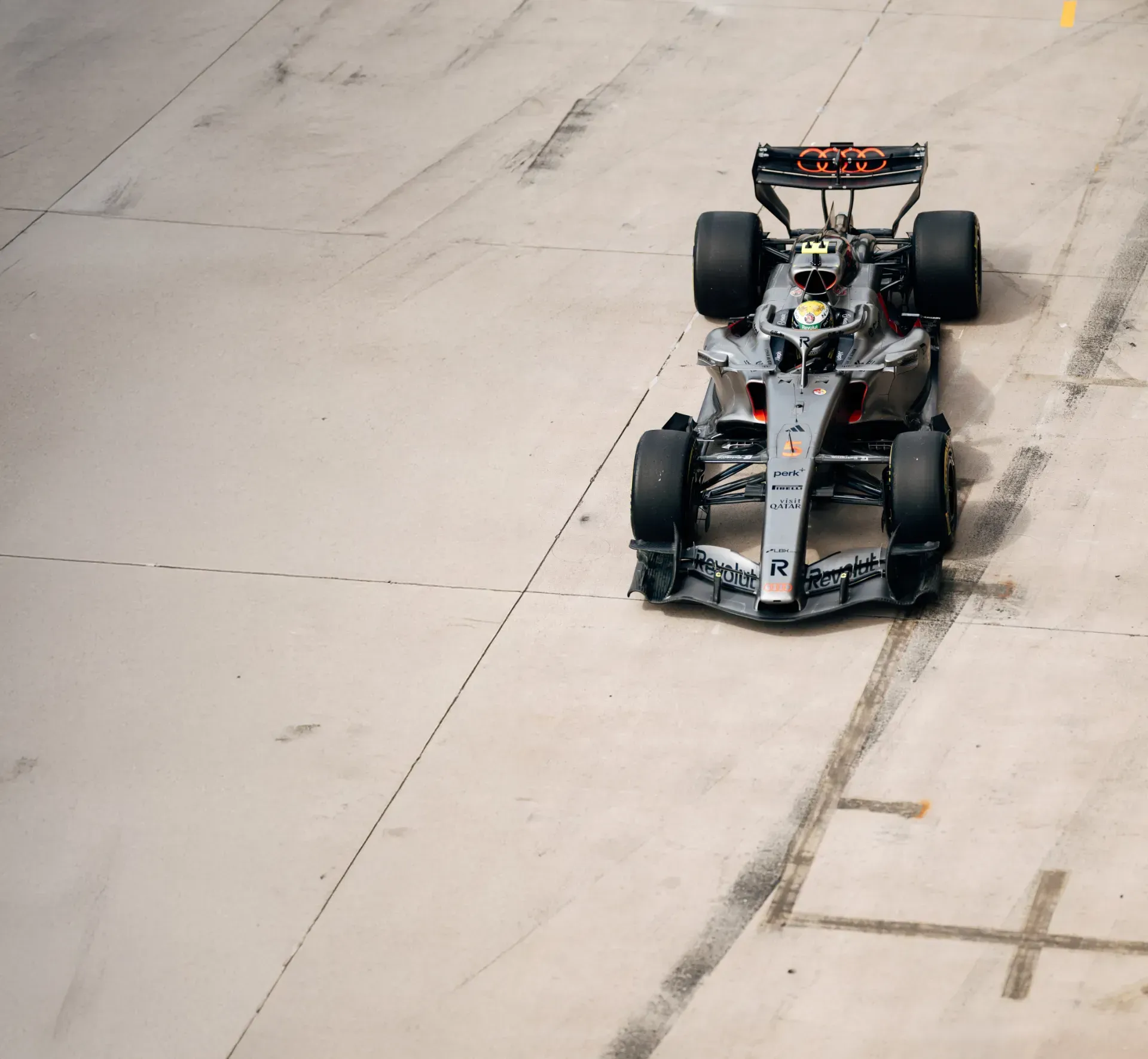
United States GP
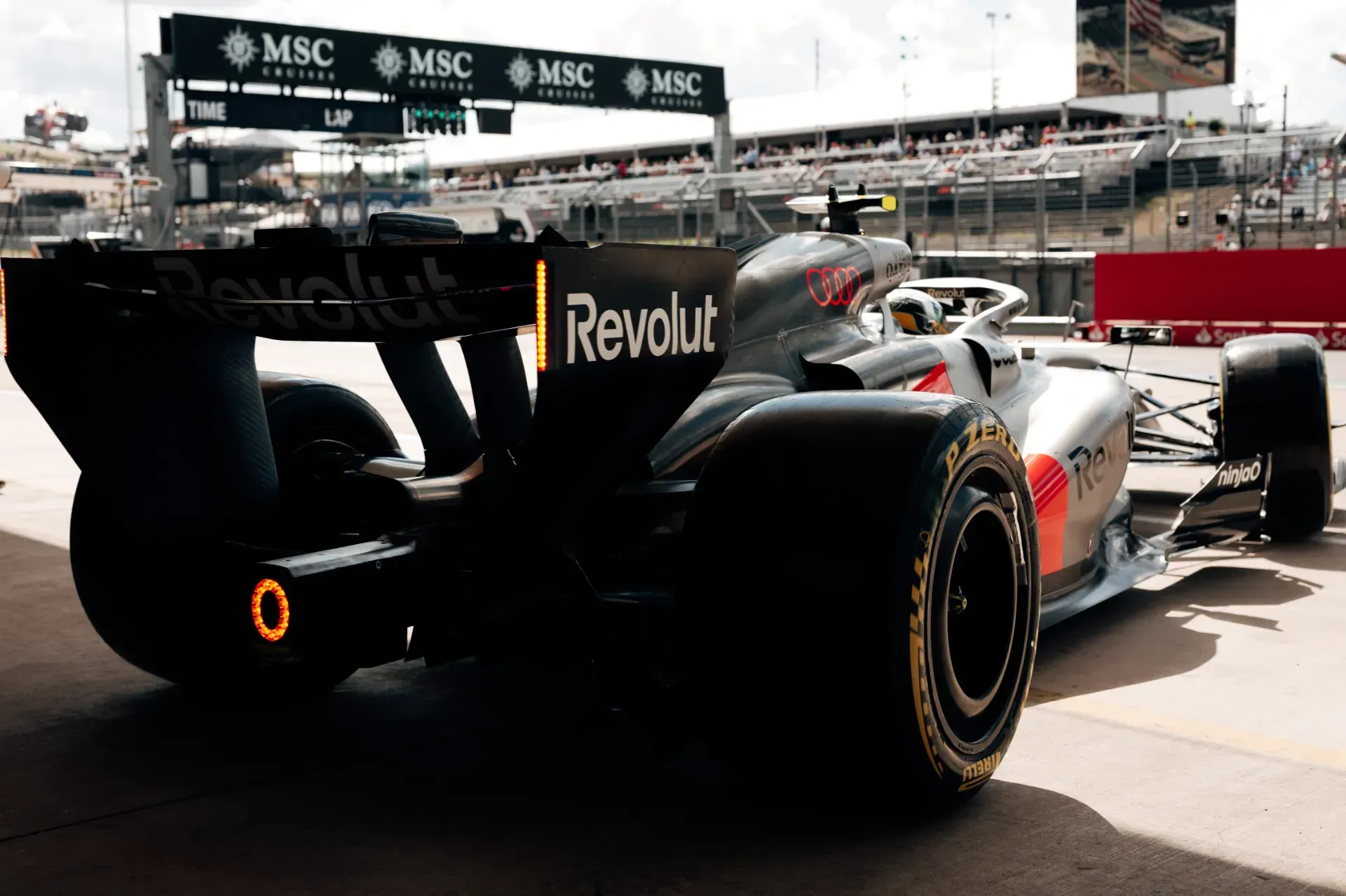
United States GP
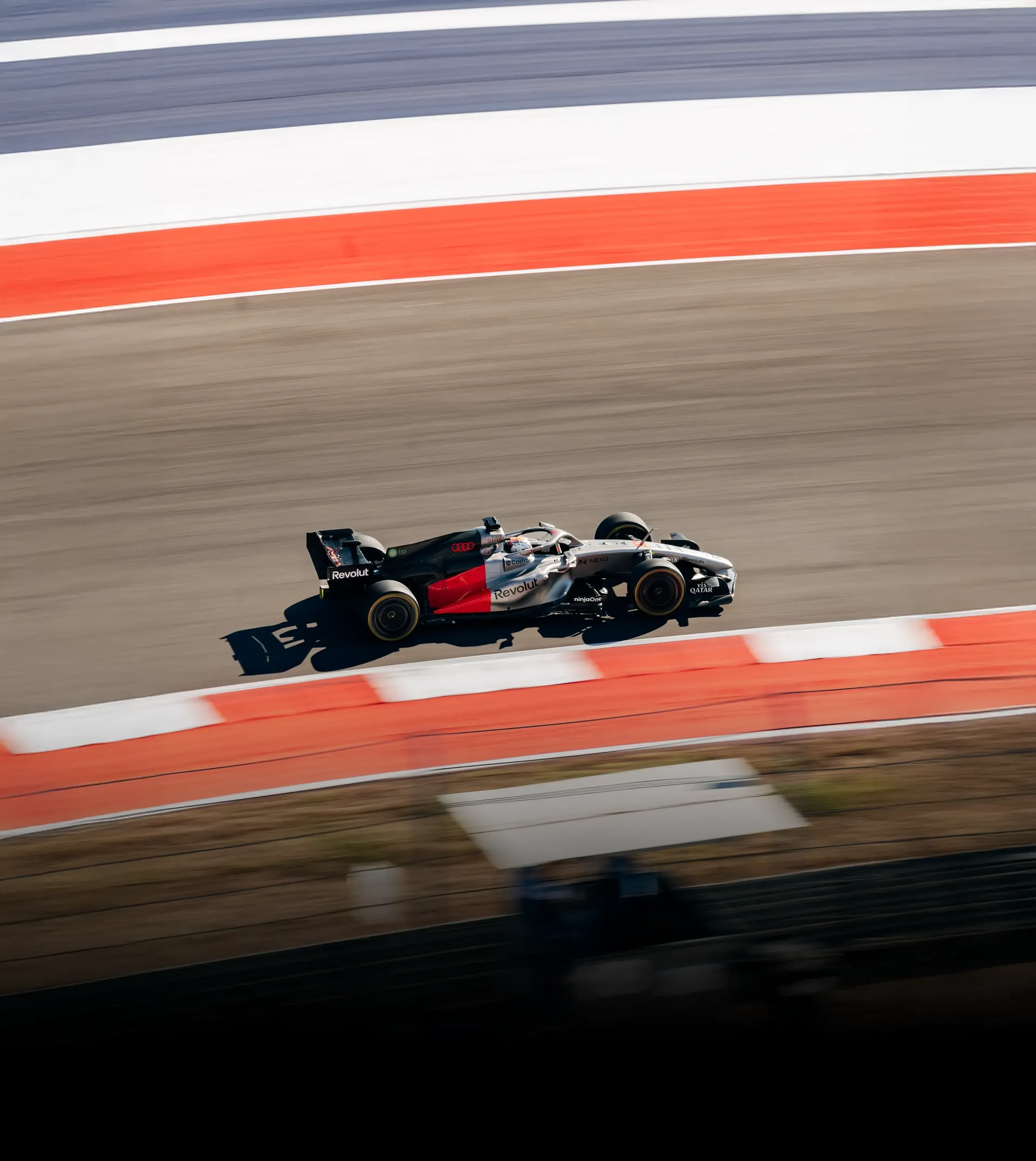
United States GP
DDP
United States GP
United States GP
United States GP
All for One
Singapore GP
Singapore GP
Singapore GP
Singapore GP
Singapore GP
Singapore GP
Singapore GP
Bahrain GP
Bahrain GP
Bahrain GP
Bahrain GP
Bahrain GP
Bahrain GP
Bahrain GP
Azerbaijan GP
Azerbaijan GP
Azerbaijan GP
Azerbaijan GP
Azerbaijan GP
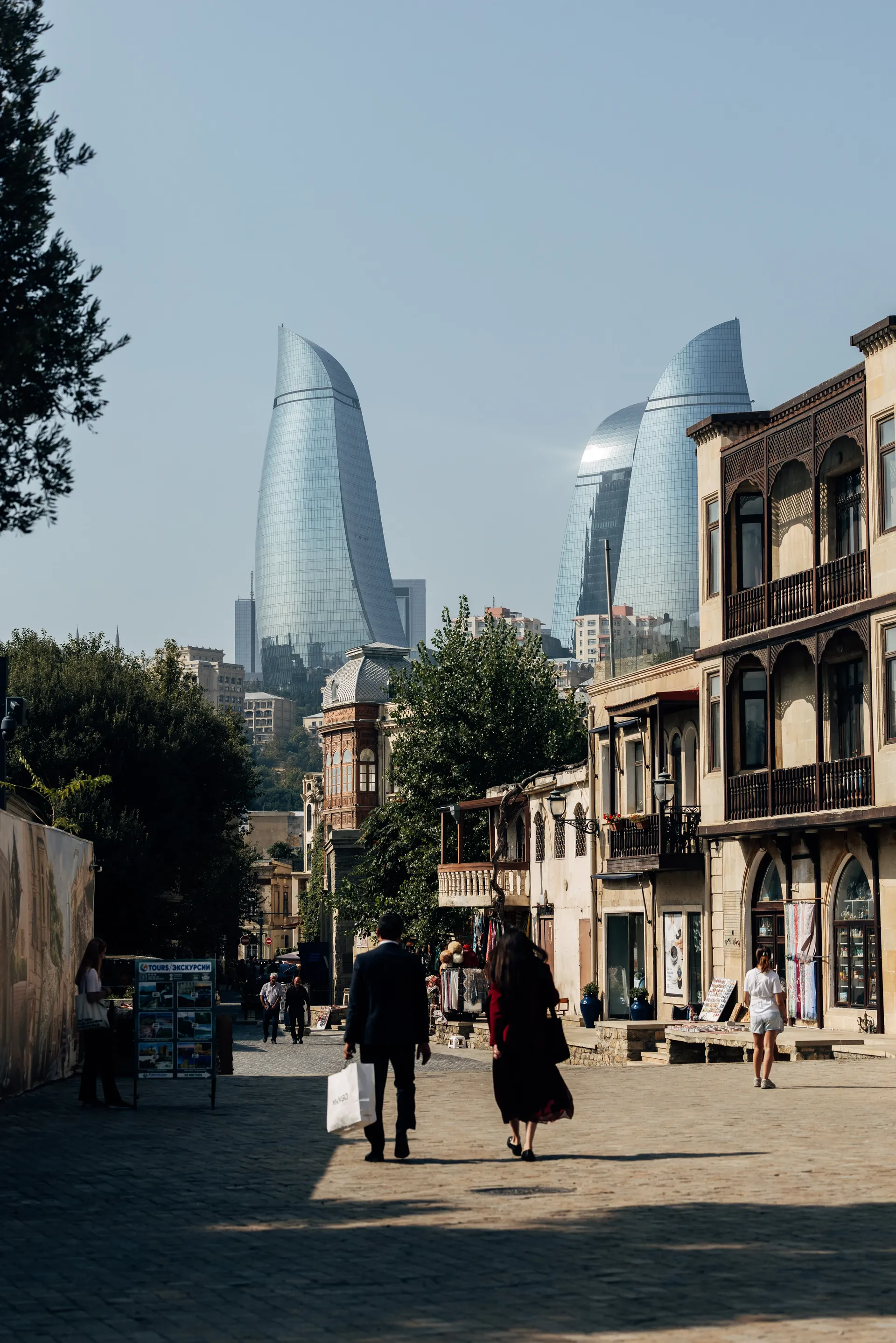
Azerbaijan GP
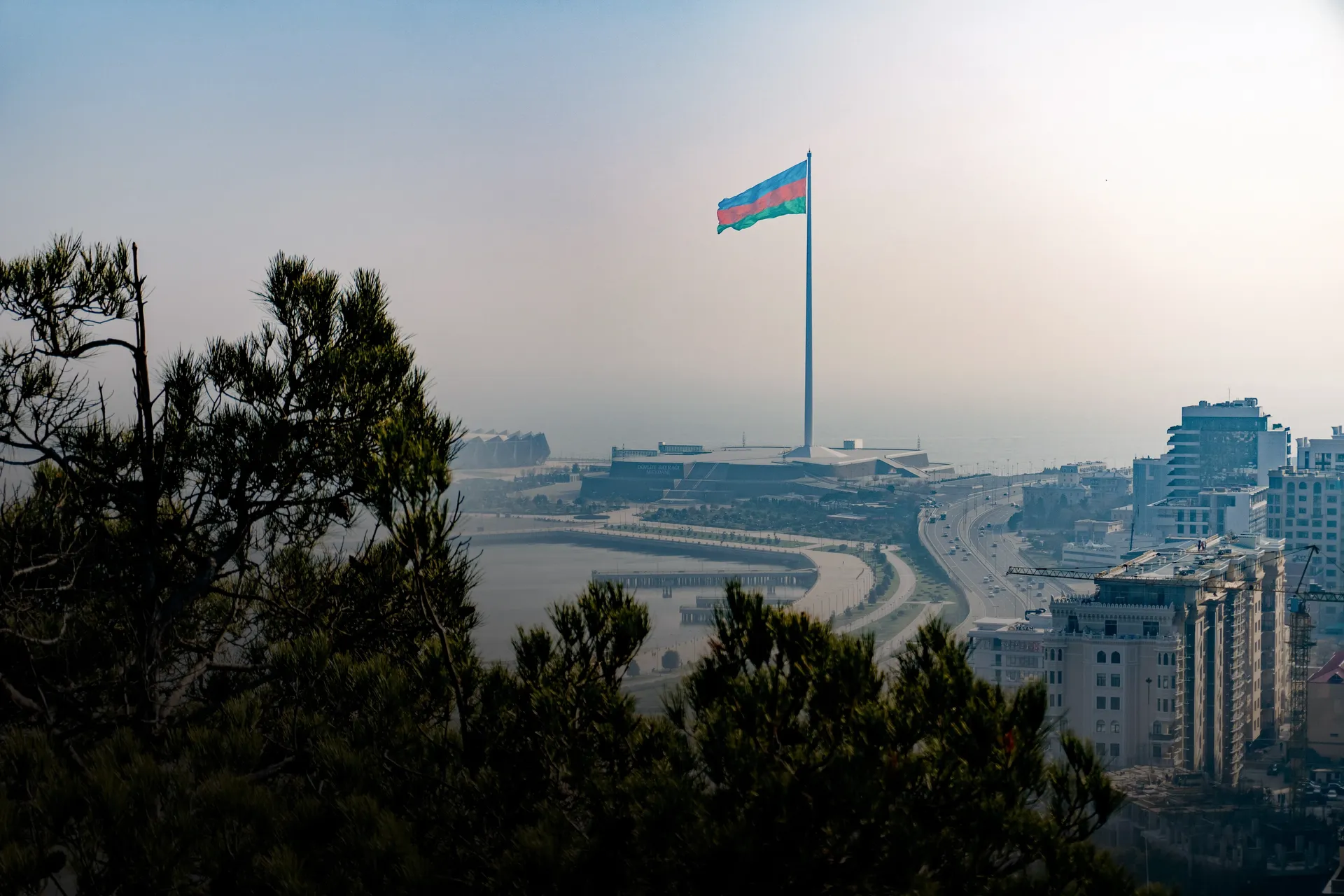
Azerbaijan GP
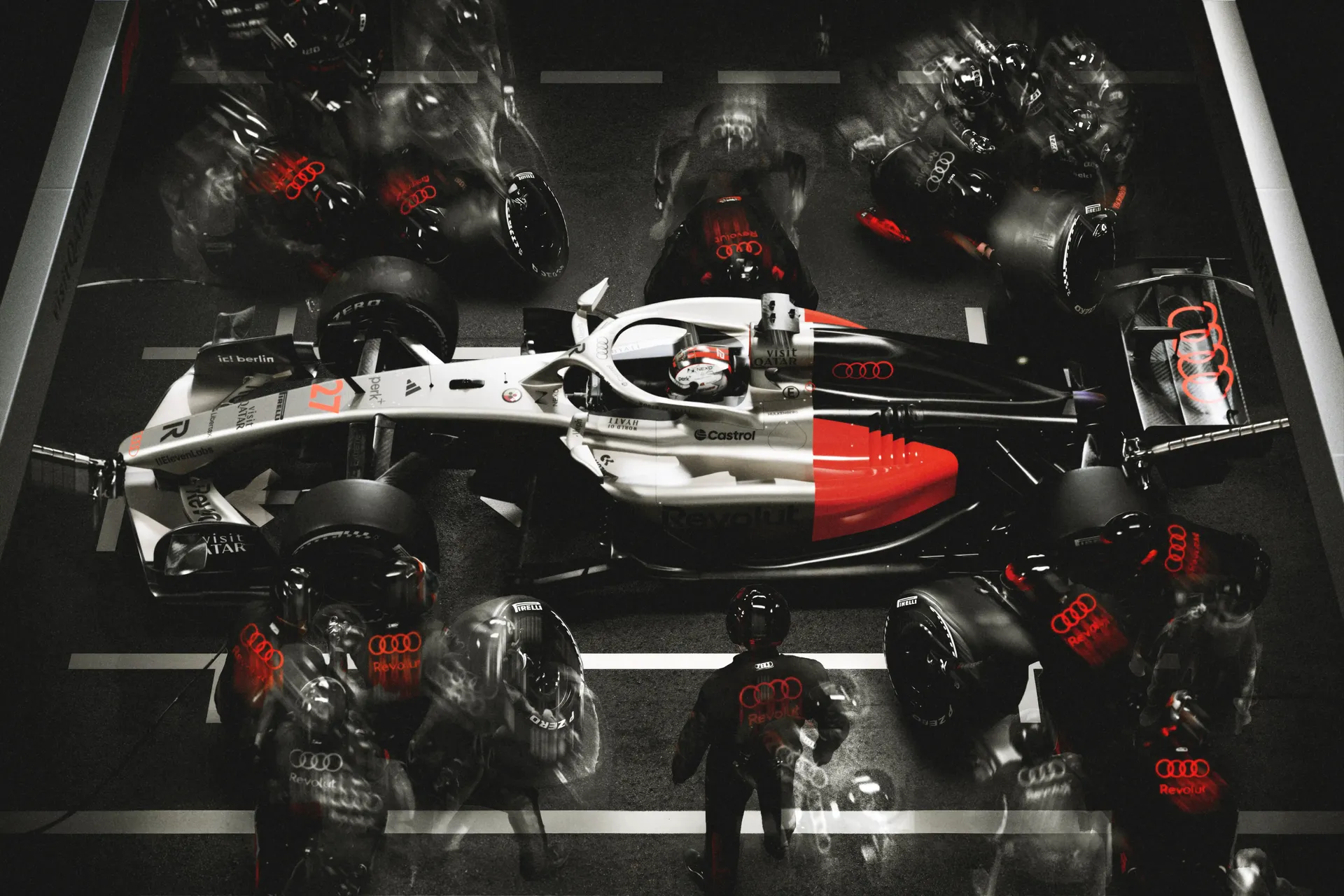
2027 Season
All for One
DDP
Spanish GP
Spanish GP
Spanish GP
Spanish GP

Spanish GP
Audi(o)
Spanish GP
Spanish GP
Italian GP
Italian GP
Italian GP
Italian GP
2026 season
Italian GP
Italian GP
All for One
Dutch GP
Dutch GP
Dutch GP
Dutch GP
Dutch GP
Dutch GP
2026 Season
F1® Insights
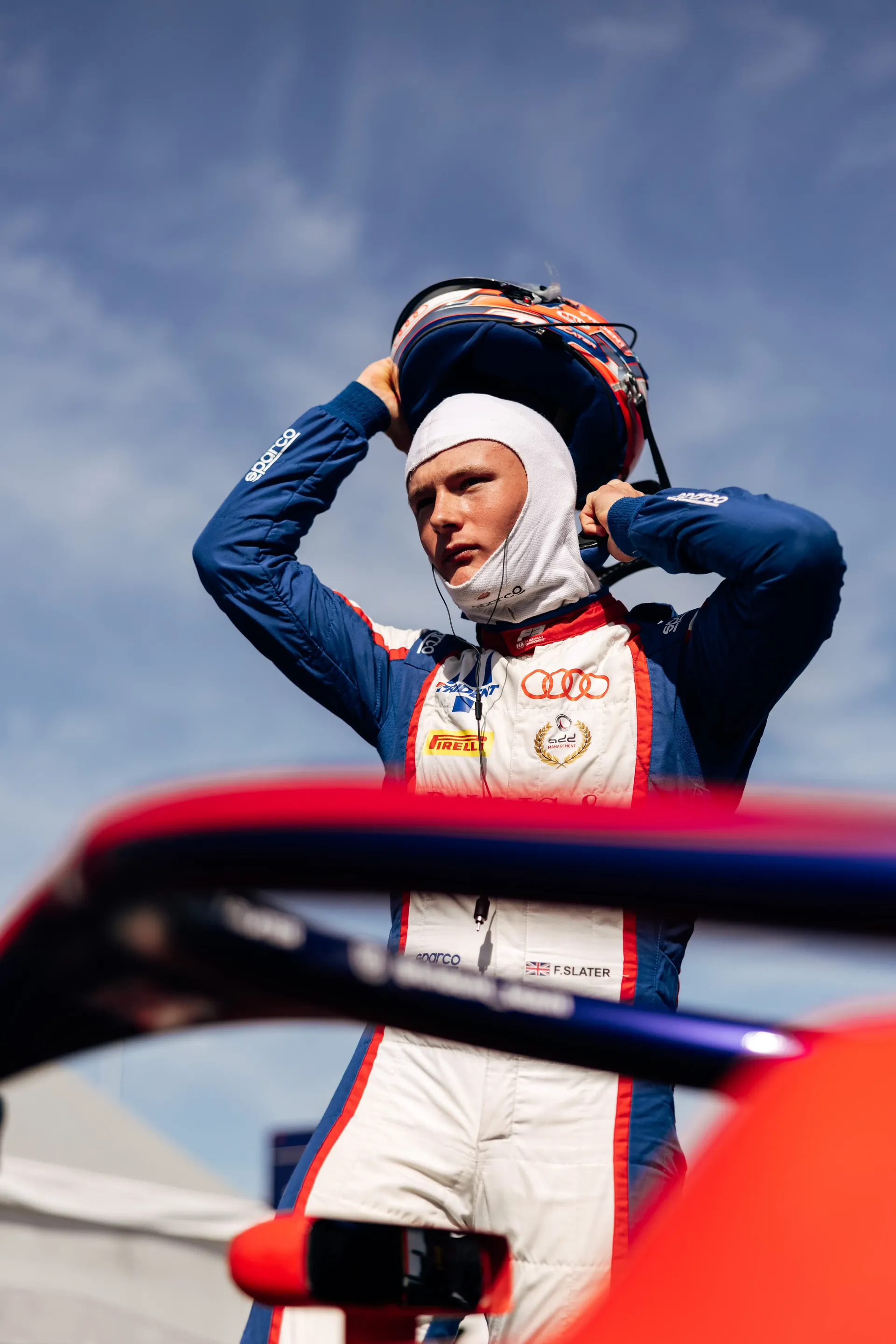
DDP
Season review
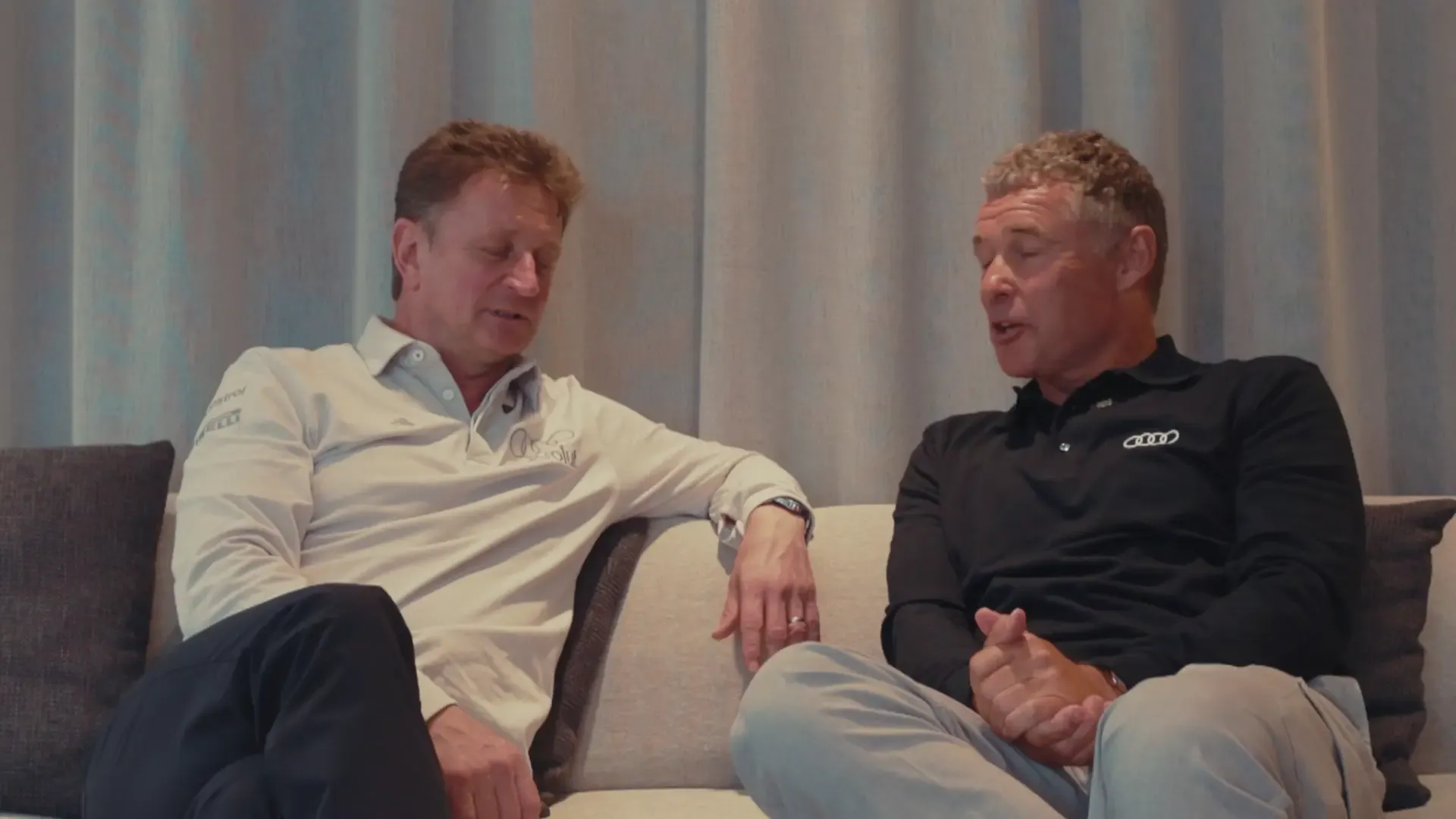
Interview
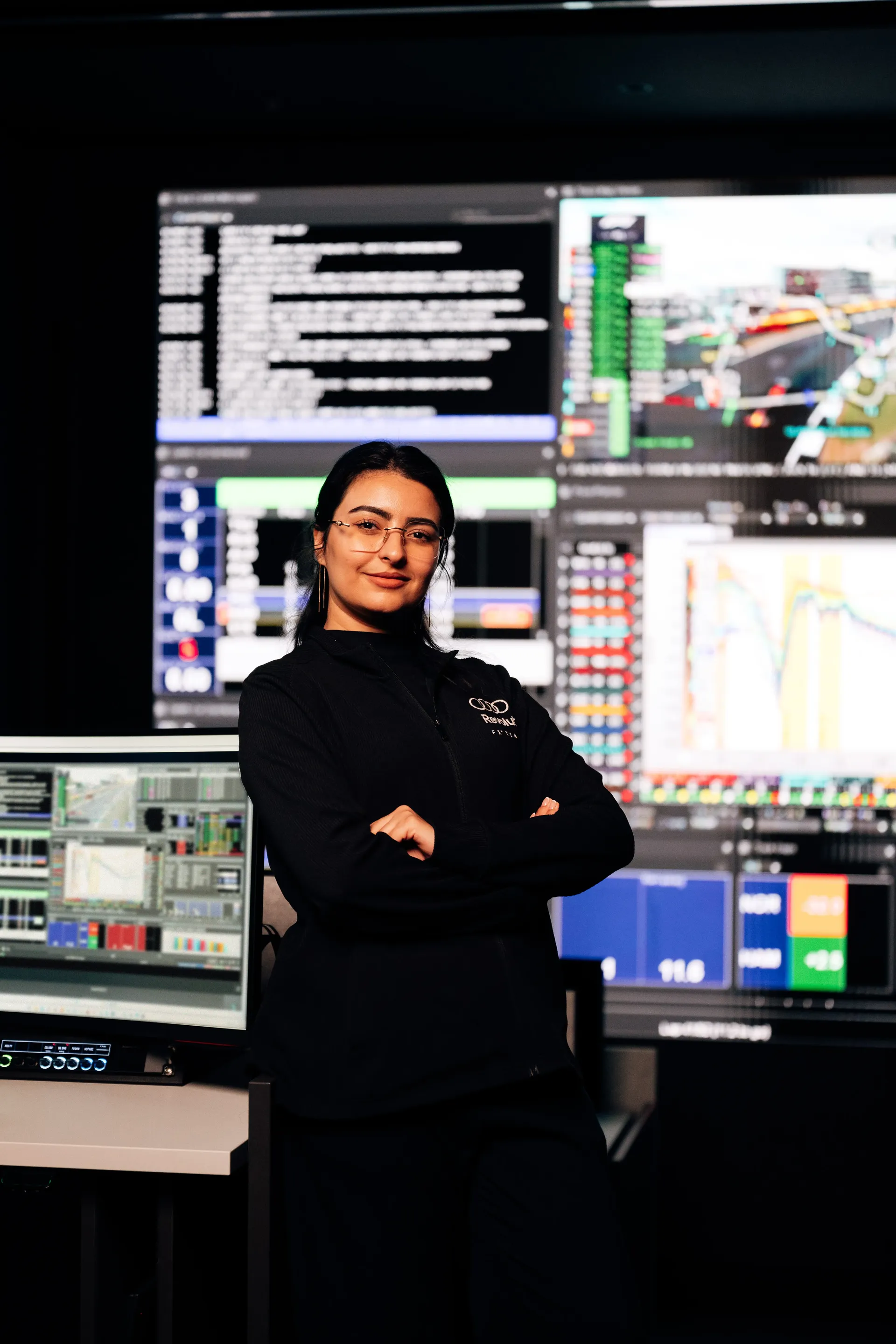
All for One
Breaking News
Hungarian GP
Hungarian GP
Hungarian GP
Hungarian GP
Challenge
Hungarian GP
Hungarian GP
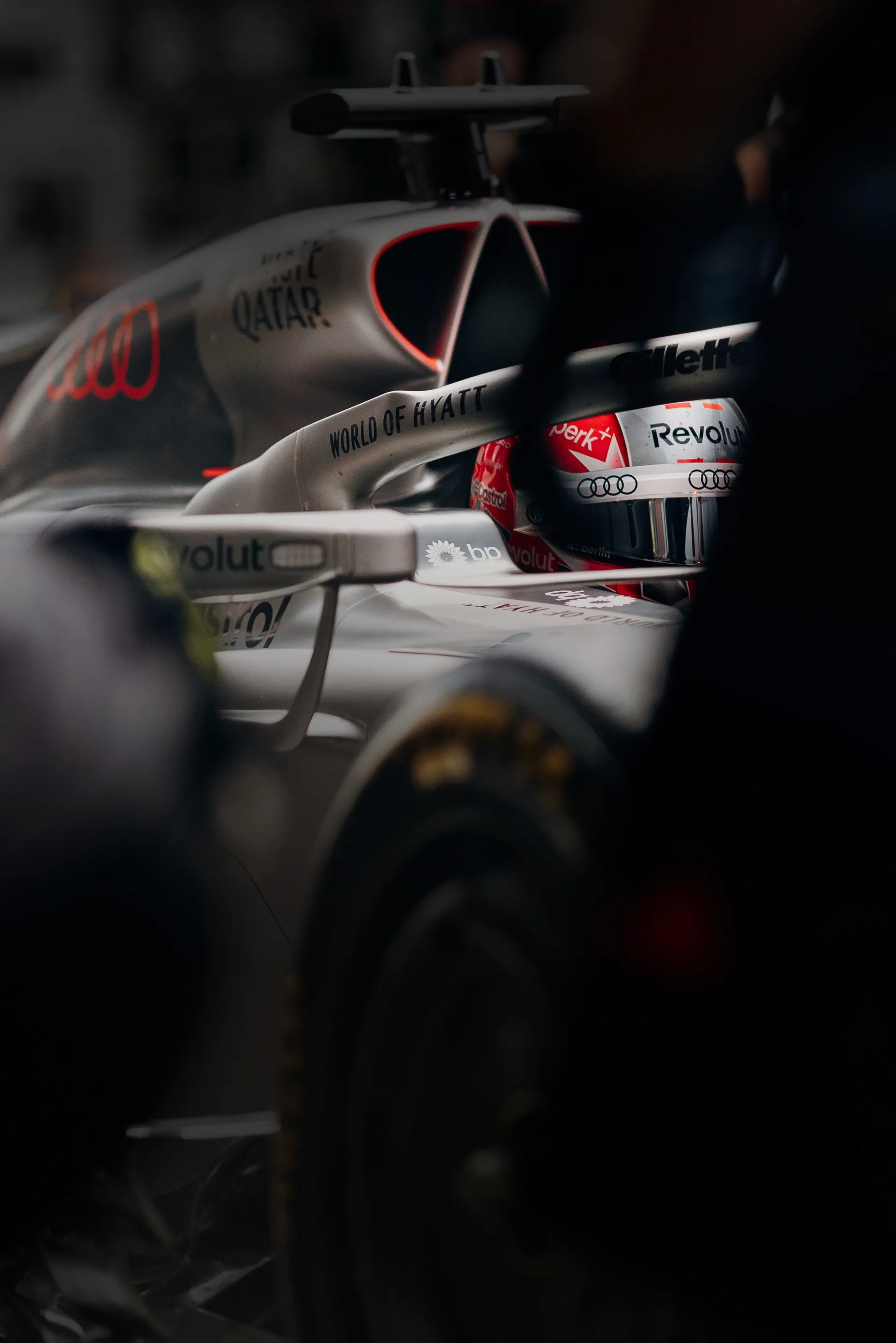
Belgian GP
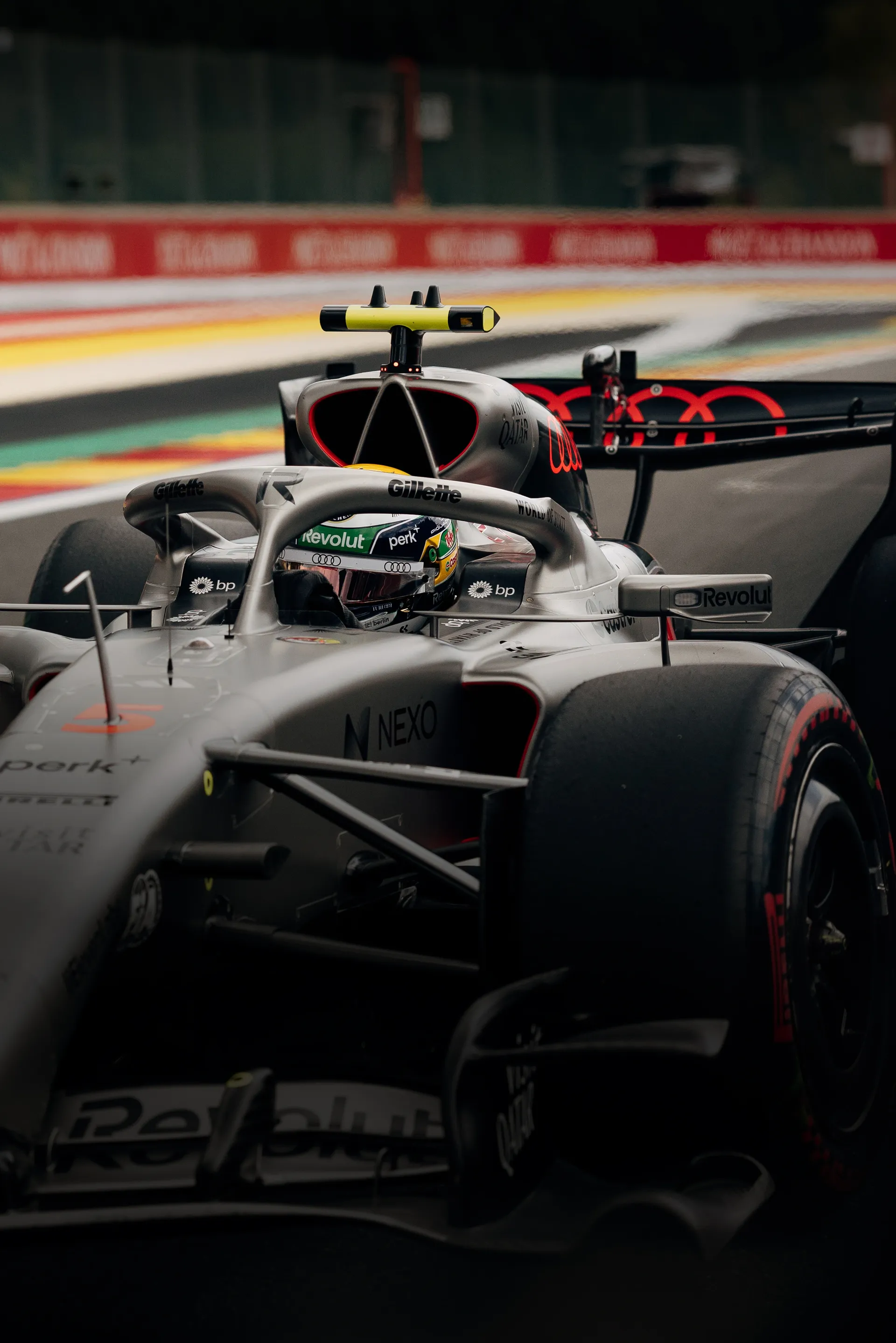
Belgian GP
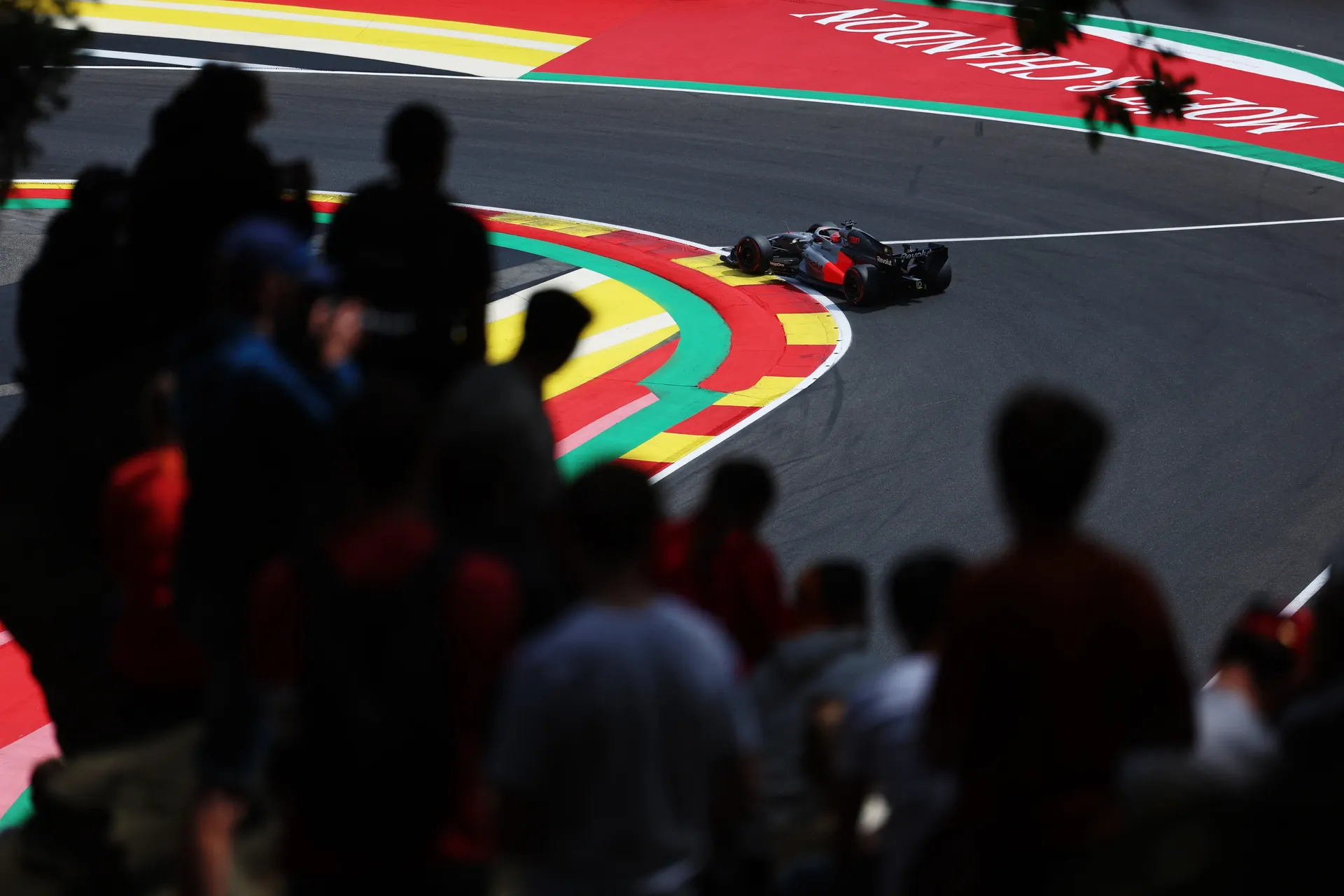
Belgian GP
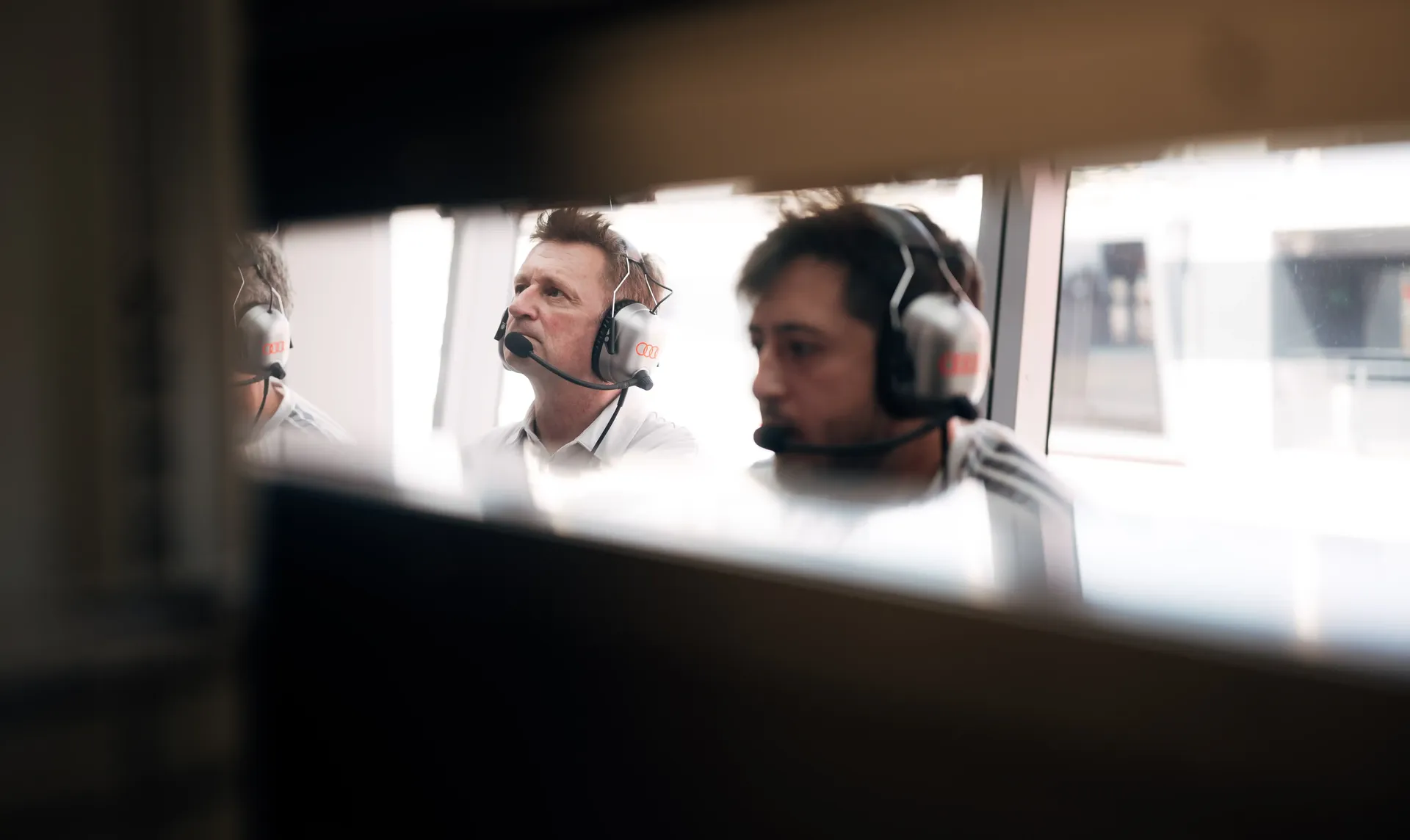
Belgian GP
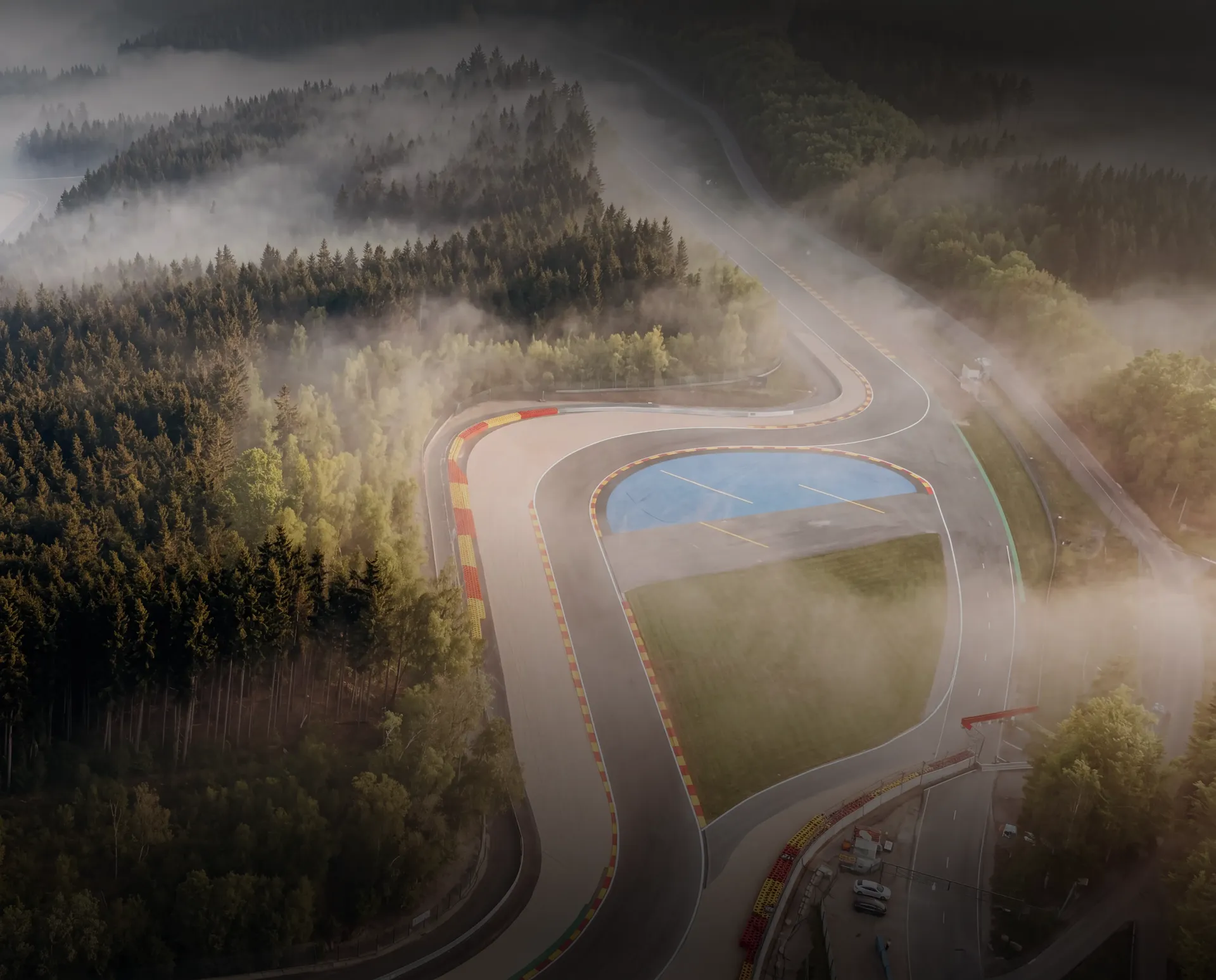
Belgian GP
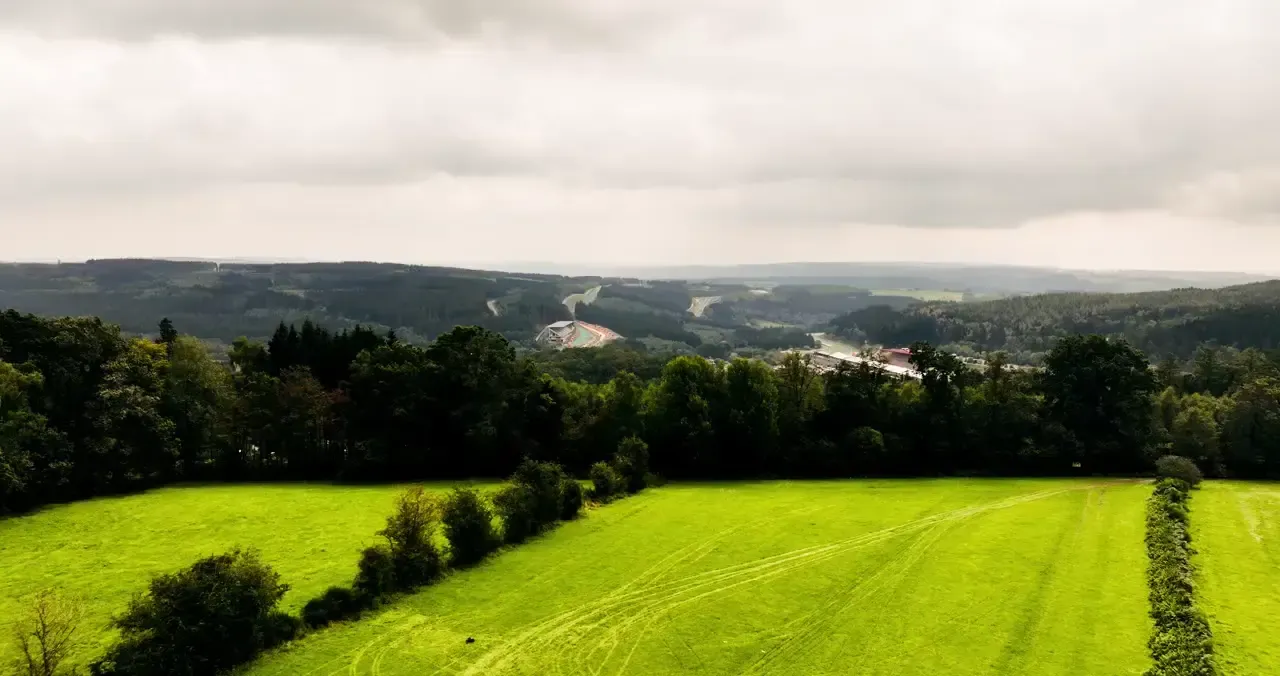
Belgian GP
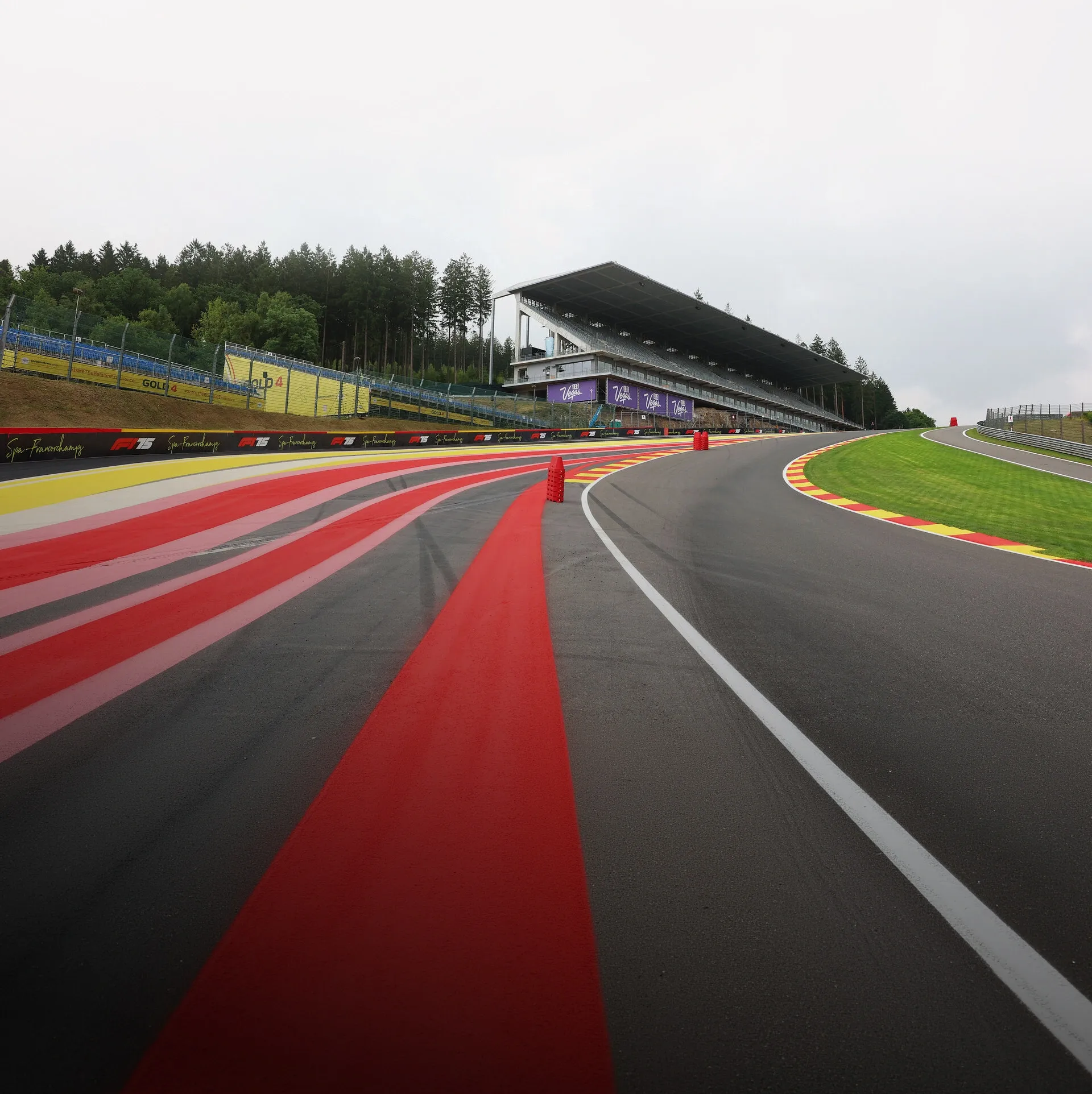
Belgian GP
All In
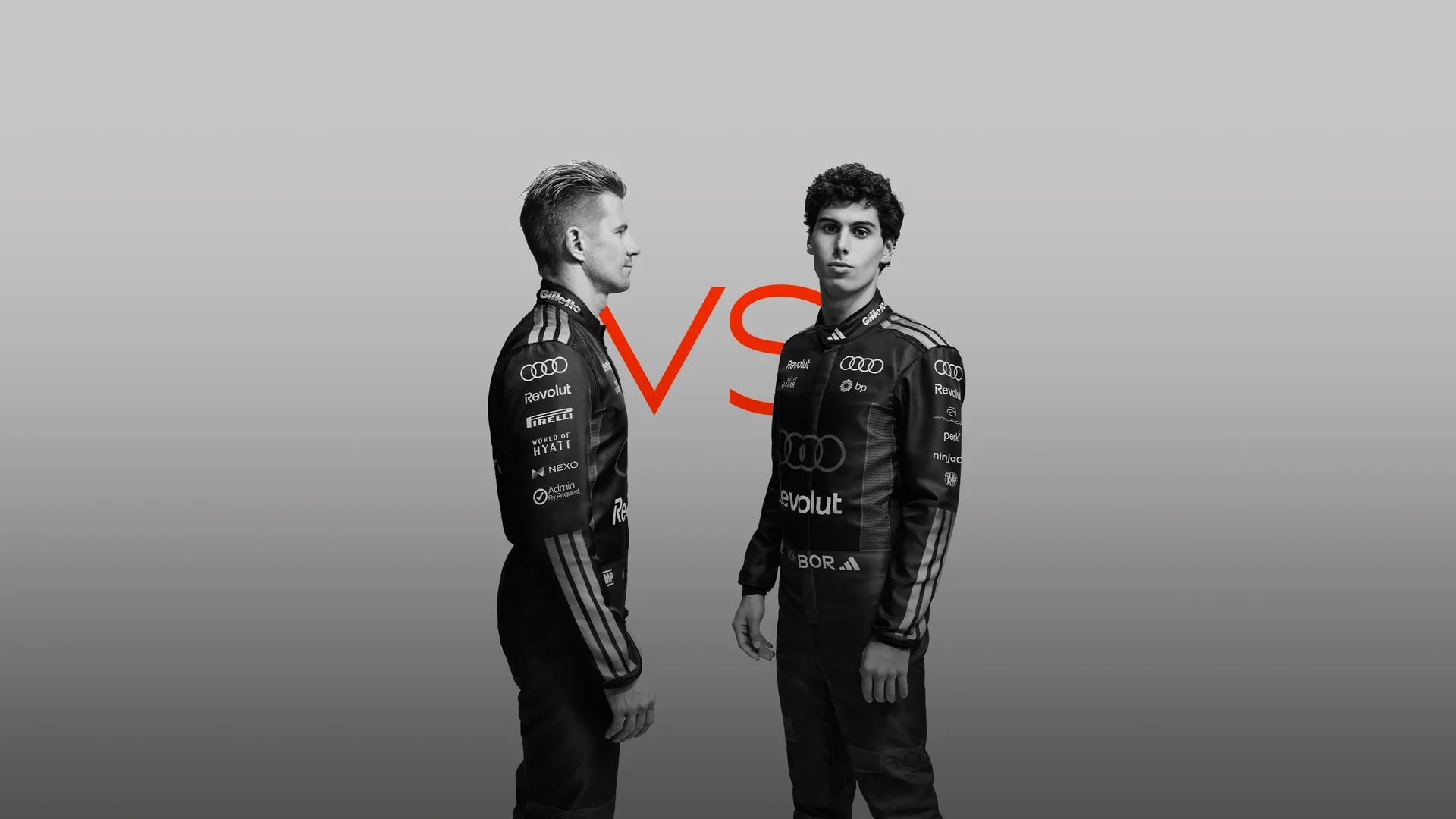
Nico vs. Gabi
View on the season
British GP
British GP
British GP
British GP
British GP
British GP
British GP
British GP
Austrian GP
Austrian GP

Austrian GP
Austrian GP
Austrian GP
Austrian GP
Community excklusive
Austrian GP
Austrian GP
Monaco GP