Qatar GP

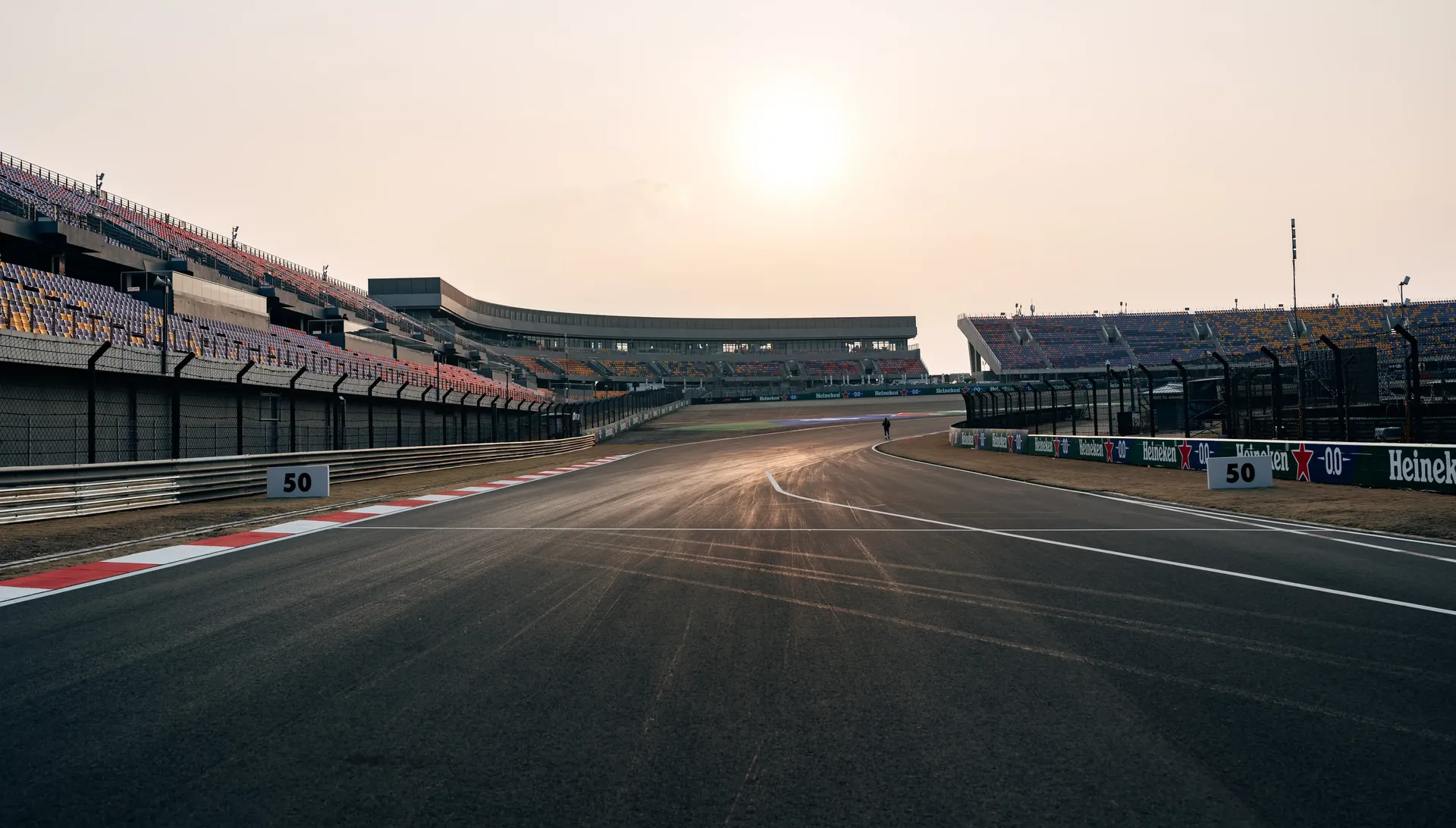
From unprecedented rule changes to an occurrence which hadn’t happened since the inaugural F1® season, here are six things you didn’t know about Lusail International Circuit, host of the Qatar Grand Prix!
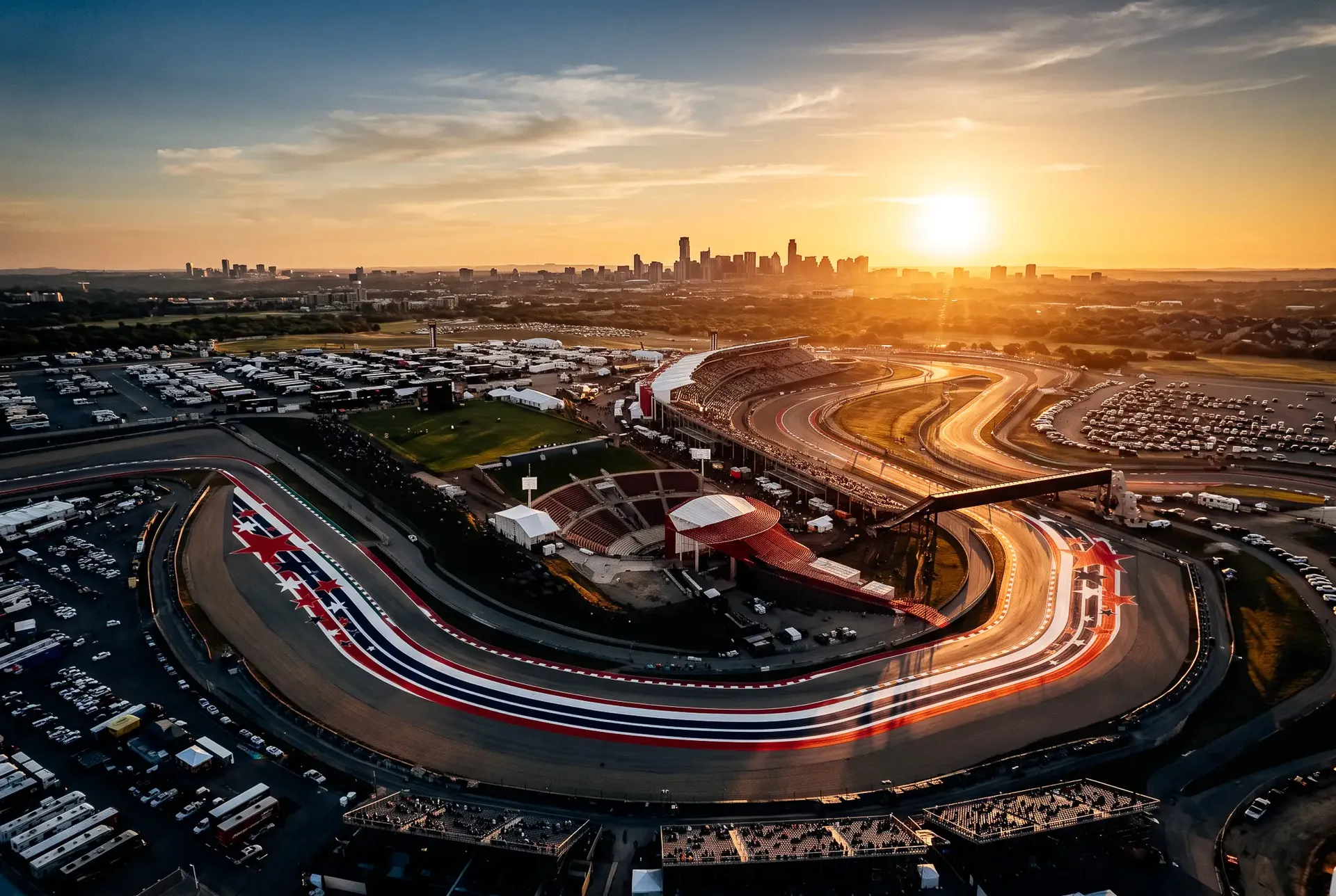
Lusail International Circuit joined the Formula 1® calendar only five years ago, but its racing history stretches back much further. Built in under a year, the circuit opened in 2004 and hosted MotoGP's inaugural Qatar Grand Prix, in daylight, that September.
In 2008, Lusail staged MotoGP's first-ever night race. The motorbikes beat Formula 1® to the first Grand Prix under lights: that year's Qatar MotoGP round took place in March, six months before the first floodlit F1® race, the 2008 Singapore Grand Prix.
At the time, Lusail was the largest permanent illuminated sports venue in the world, a title it held for a year before Yas Marina Circuit, host of the Abu Dhabi Grand Prix, took it over. The first single-seater night race at Lusail followed in February 2009, when the GP2 Asia Series visited. The winner of the Feature Race: a certain Nico Hulkenberg.
Lusail International Circuit first appeared on the Formula 1® calendar towards the end of the 2021 season, with the title battle between Lewis Hamilton and Max Verstappen at its height.
Two weeks later, F1® visited Jeddah Corniche Circuit for the inaugural Saudi Arabian Grand Prix. It was the first time since 1970 that two consecutive races were held at entirely new F1® venues. Back then, Hockenheim and the Österreichring made their debuts as hosts of the German and Austrian Grands Prix in August.
It was also the first time since the sport's inaugural season that two new countries joined the calendar at successive events.
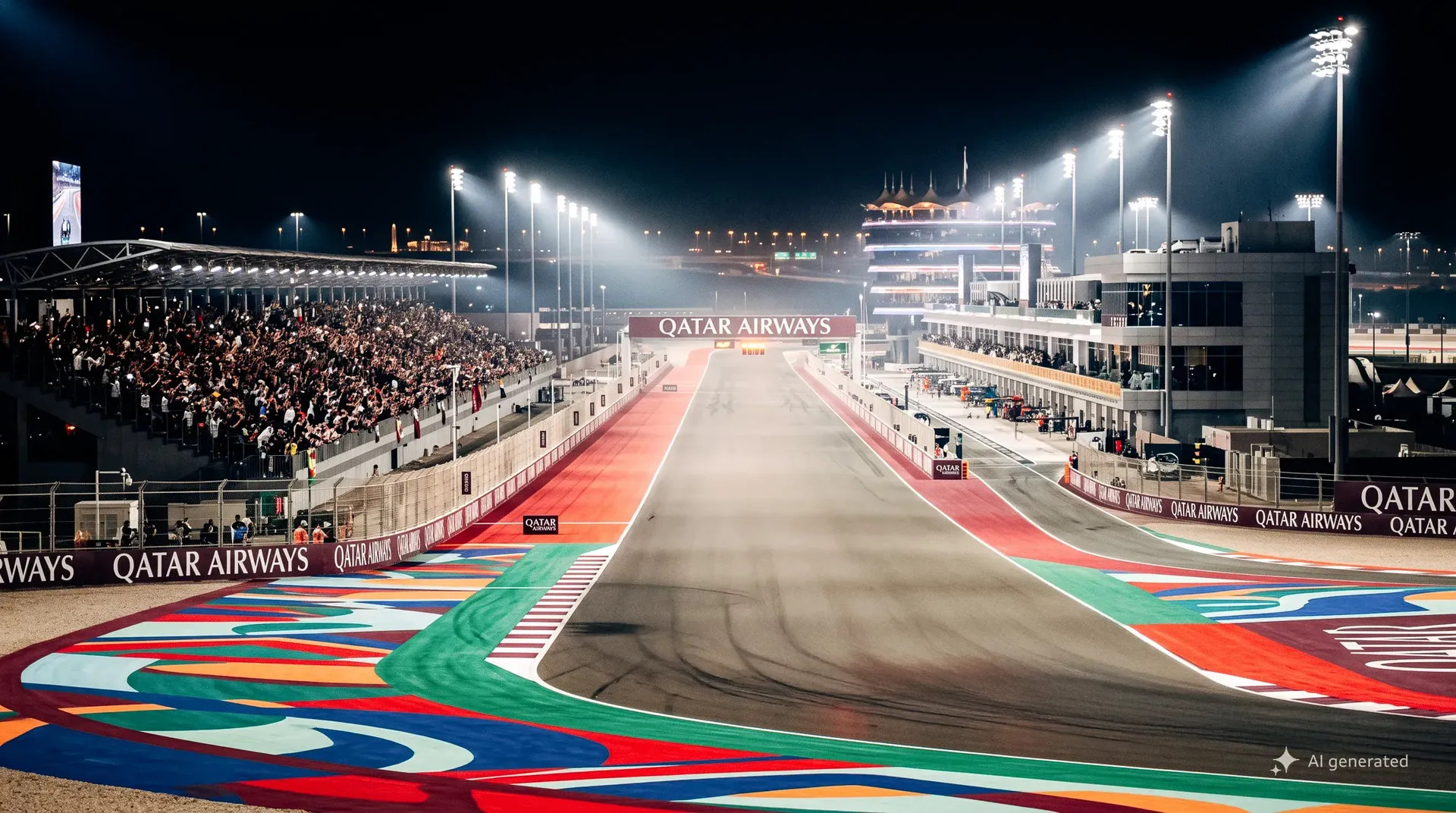
Lusail was built for motorbike racing. Ahead of F1®'s first visit in 2021, the circuit was adapted to meet the safety requirements of the pinnacle of motorsport. The work began little over a month before the sport arrived.
The pit lane entry moved from the main straight to before the final corner. More TecPro barriers went in, along with double kerbs and sausage kerbs, the latter to keep drivers within track limits.
And that was only the start of the changes.
There was no Qatar Grand Prix in 2022, as the country hosted the FIFA World Cup. The final took place at the nearby Lusail Stadium.
F1® fans benefited when the race returned in 2023 as the first of a new ten-year deal. Transport links built for football fans now carried race-goers, and the growth of the local hotel industry meant plenty of choice for accommodation.
Trackside, spectator capacity grew from 8,000 to over 50,000. A new pits and paddock complex was built, access routes improved and the track entirely resurfaced. Tyres, already a talking point on F1®'s first visit two years earlier, were about to make headlines again.
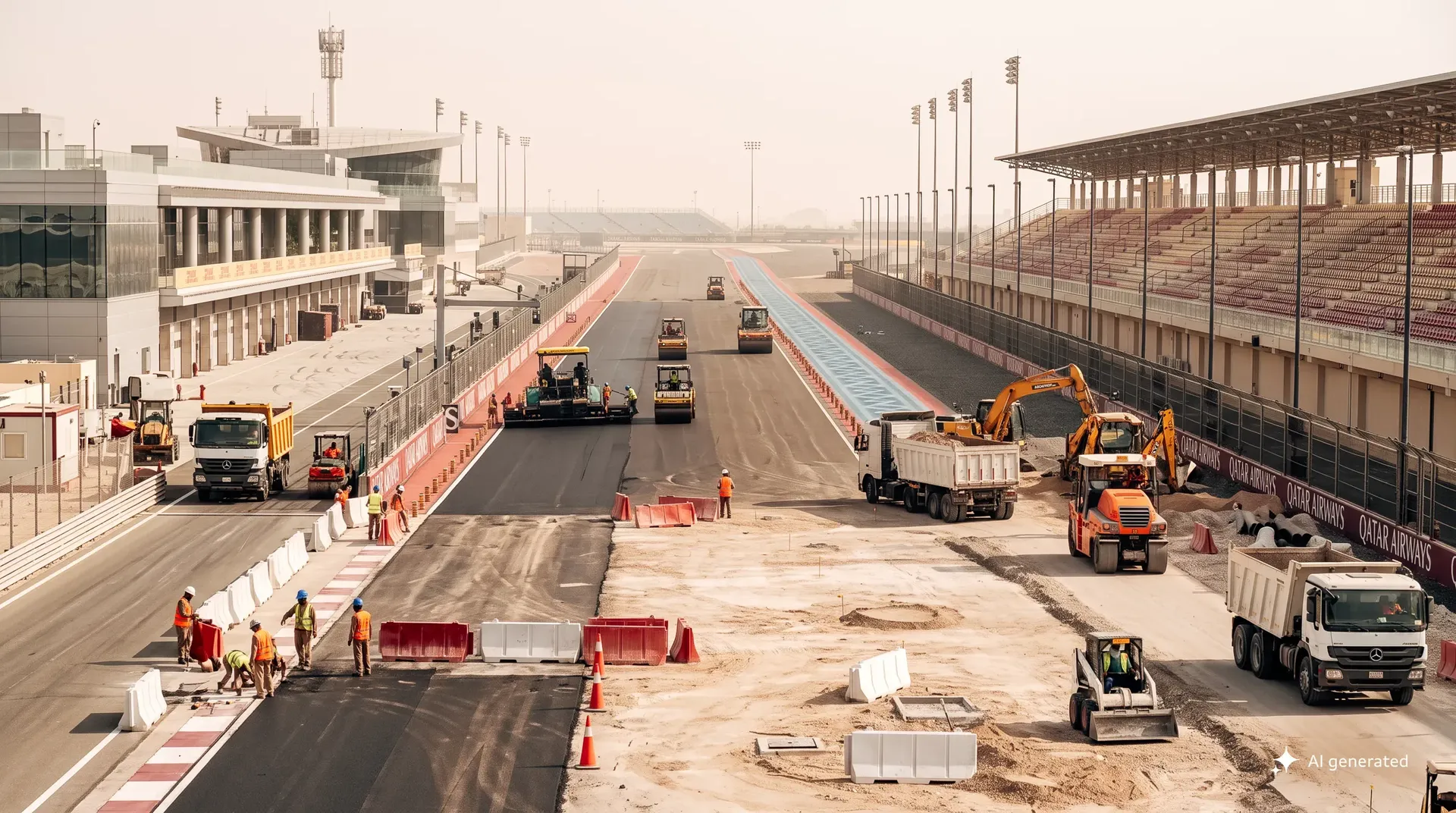
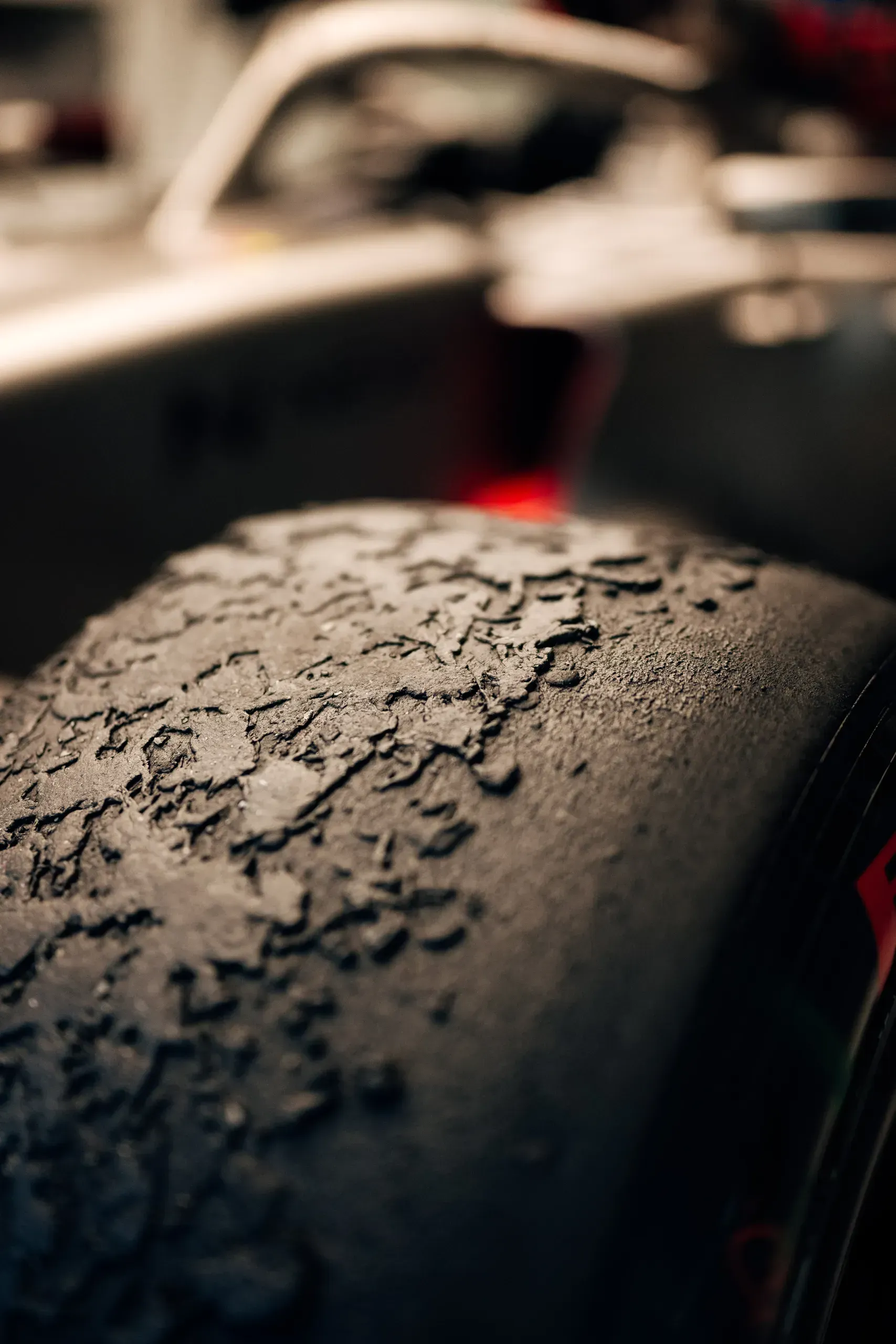
In 2021, several drivers suffered punctures after long, high-speed running over the circuit's harsh kerbs. The 50 mm "pyramid" kerbs introduced in 2023 added to the challenge and led to unprecedented rule changes for that year's Qatar Grand Prix.
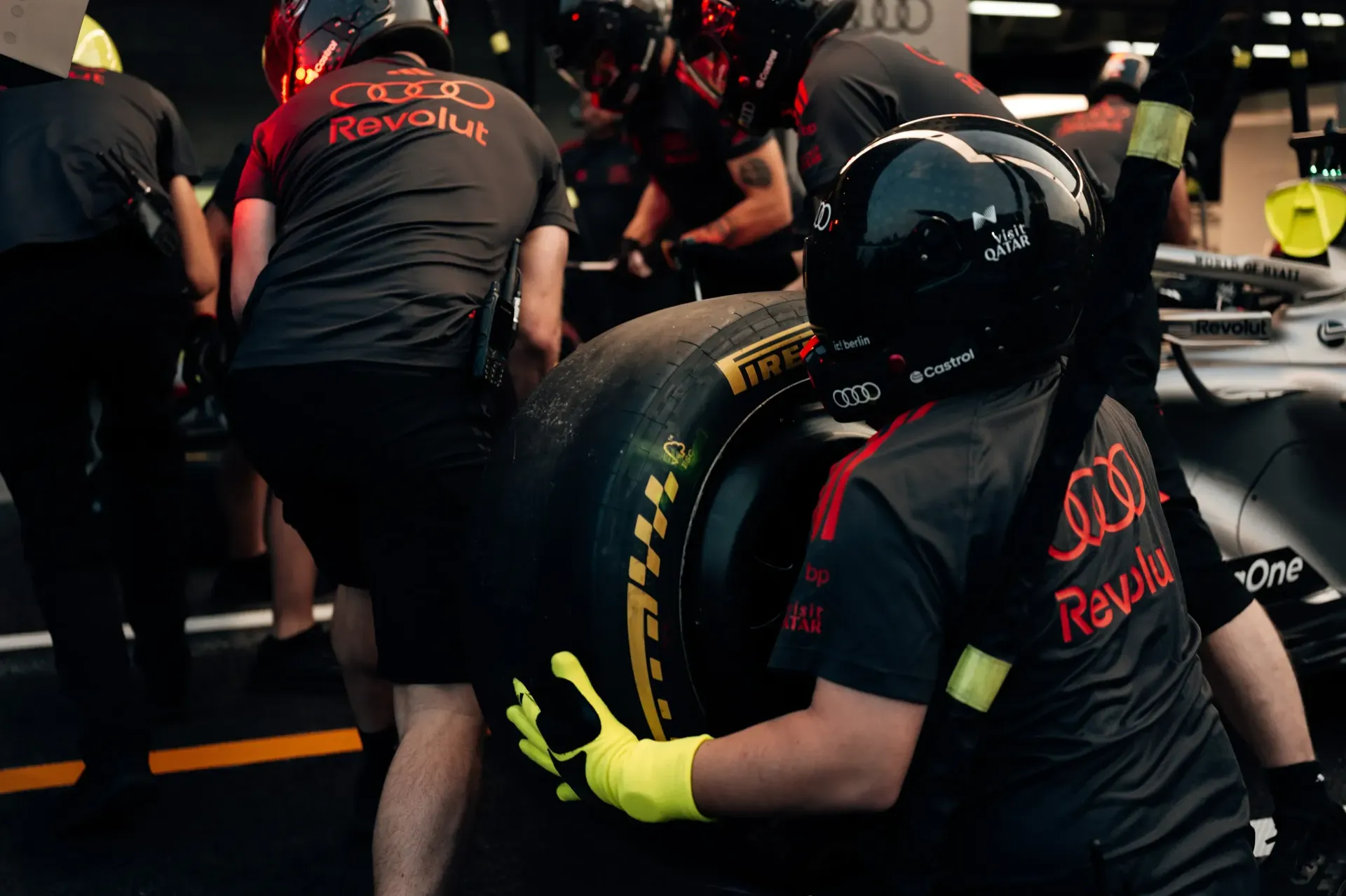
Pirelli's analysis after Friday's Free Practice showed that the new kerbs caused separation in the tyre sidewalls, pulling the topping compound away from the carcass cords underneath. The FIA responded with a maximum tyre life of 18 laps per set and stricter track limits at certain corners to keep the tyres away from the pyramid kerbs.
To let the drivers learn the revised track limits, an additional 10-minute Practice Familiarisation Session was added before Saturday's Sprint Shootout, an unfamiliar sight in modern F1®. The last familiarisation running dates back to the 1990s, when Thursday sessions helped drivers get up to speed at new venues such as Albert Park in 1996 and the A1-Ring in 1997.
The pyramid kerbs have since gone, but tyre management remains critical at Lusail. A tyre usage limit is in place again for 2026, with the maximum stint now 27 laps.
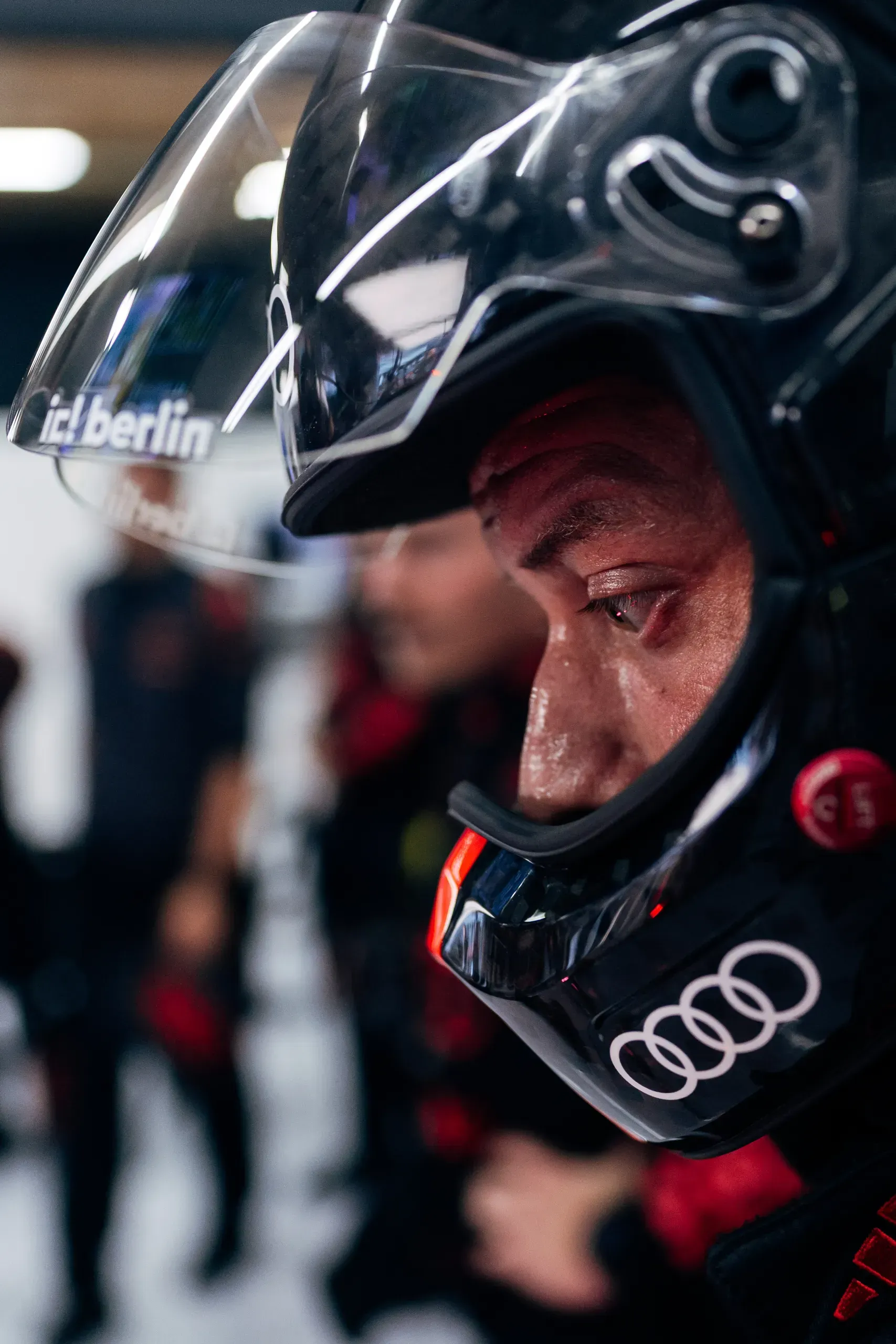
Tyres were not the only challenge at the 2023 Qatar Grand Prix. Held in early October, the night race brought extreme heat, and Logan Sargeant retired due to dehydration and the effects of the conditions.
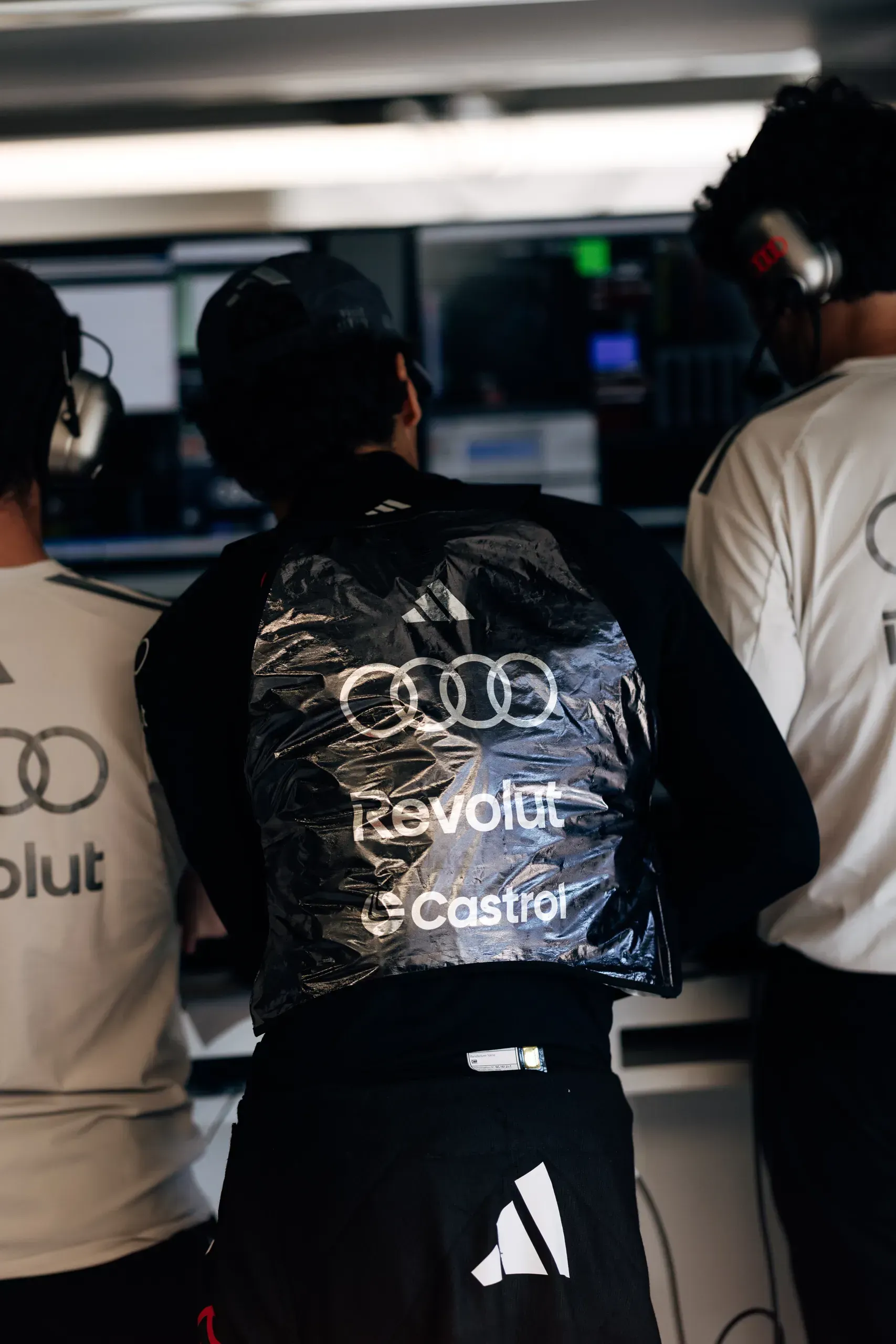
The experience prompted the FIA to review the regulations and introduce new provisions for driver cooling aids ahead of the 2025 season. The first official "heat hazard" was declared at the 2025 Singapore Grand Prix.
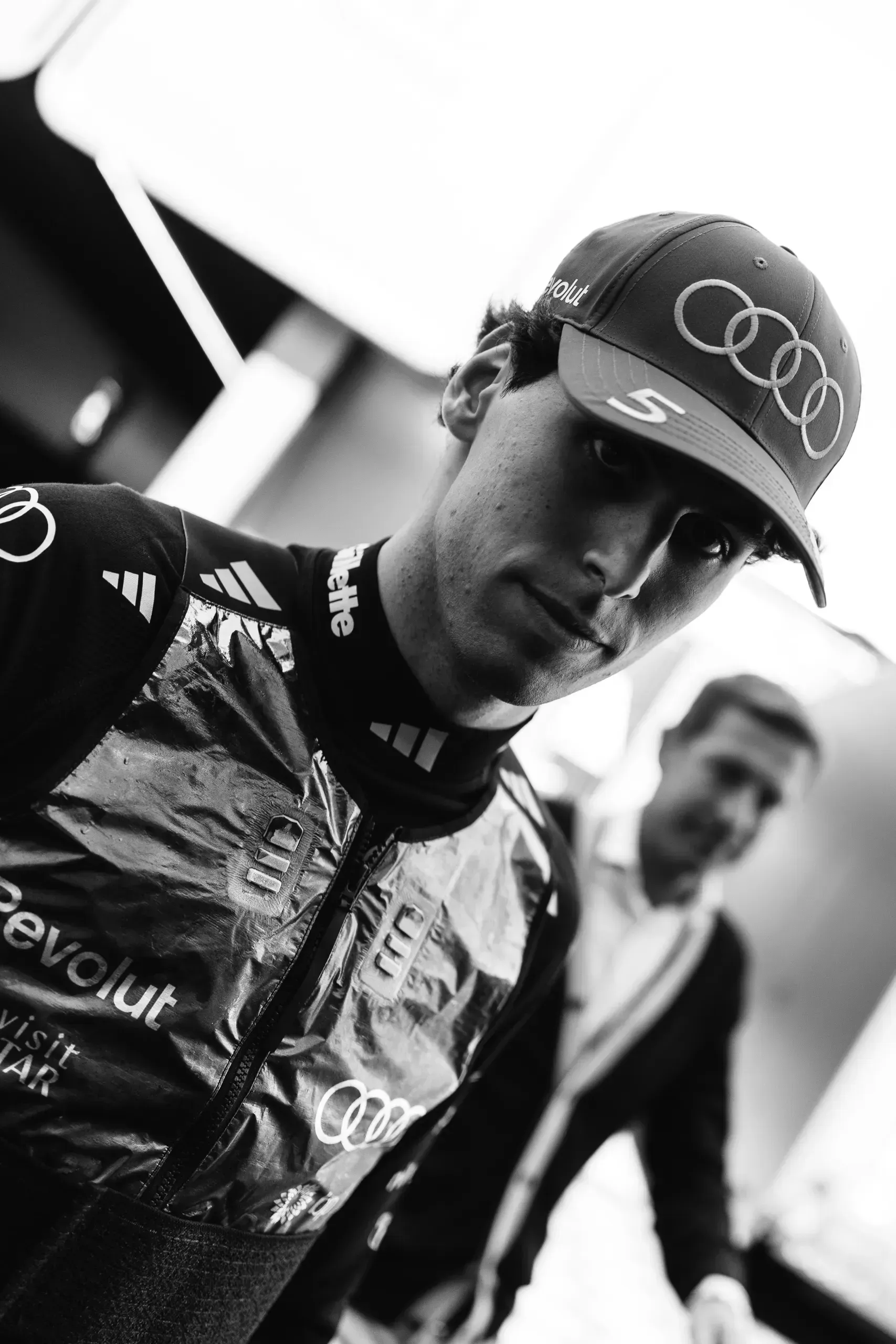
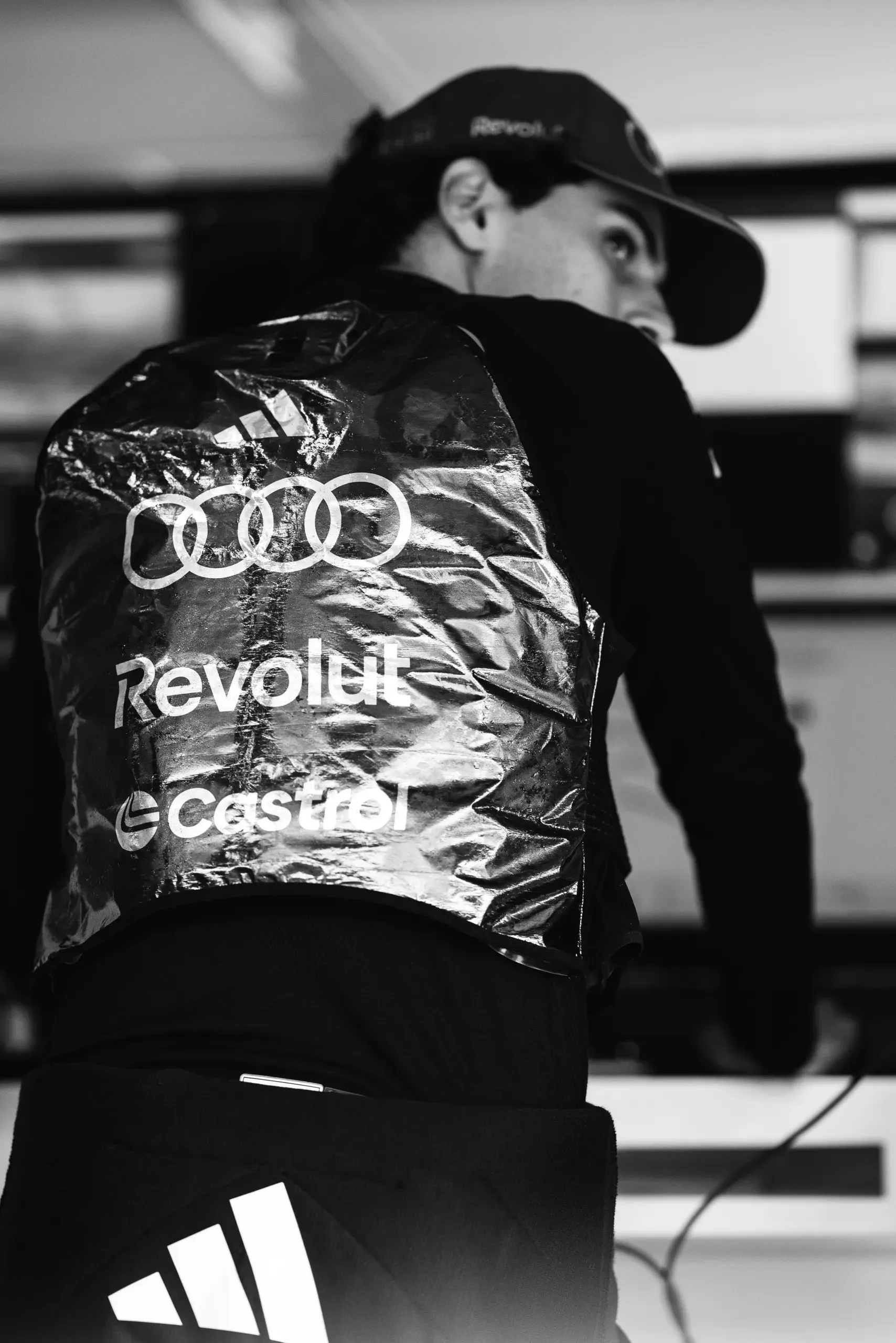
The Qatar Grand Prix has since moved later in the year, and conditions are cooler than in 2023. Driver fitness still counts here, with relatively high cockpit temperatures and a flowing layout that never lets up.
Qatar GP
All for One
Qatar Grand Prix
All In
DDP
Las Vegas GP
Las Vegas GP
Las Vegas GP
Las Vegas GP
DDP
Las Vegas GP
DDP
São Paulo GP
São Paulo GP
São Paulo GP
São Paulo GP
Mexico City GP
Mexico City GP
Mexico City GP
Mexico City GP
United States GP
United States GP
United States GP
United States GP
DDP
United States GP
United States GP
United States GP
All for One
Singapore GP
Singapore GP
Singapore GP
Singapore GP
Singapore GP
Singapore GP
Singapore GP
Bahrain GP
Bahrain GP
Bahrain GP
Bahrain GP
Bahrain GP
Bahrain GP
Bahrain GP
Azerbaijan GP
Azerbaijan GP
Azerbaijan GP
Azerbaijan GP
Azerbaijan GP
Azerbaijan GP
Azerbaijan GP
2027 Season
All for One
DDP
Spanish GP
Spanish GP
Spanish GP
Spanish GP

Spanish GP
Audi(o)
Spanish GP
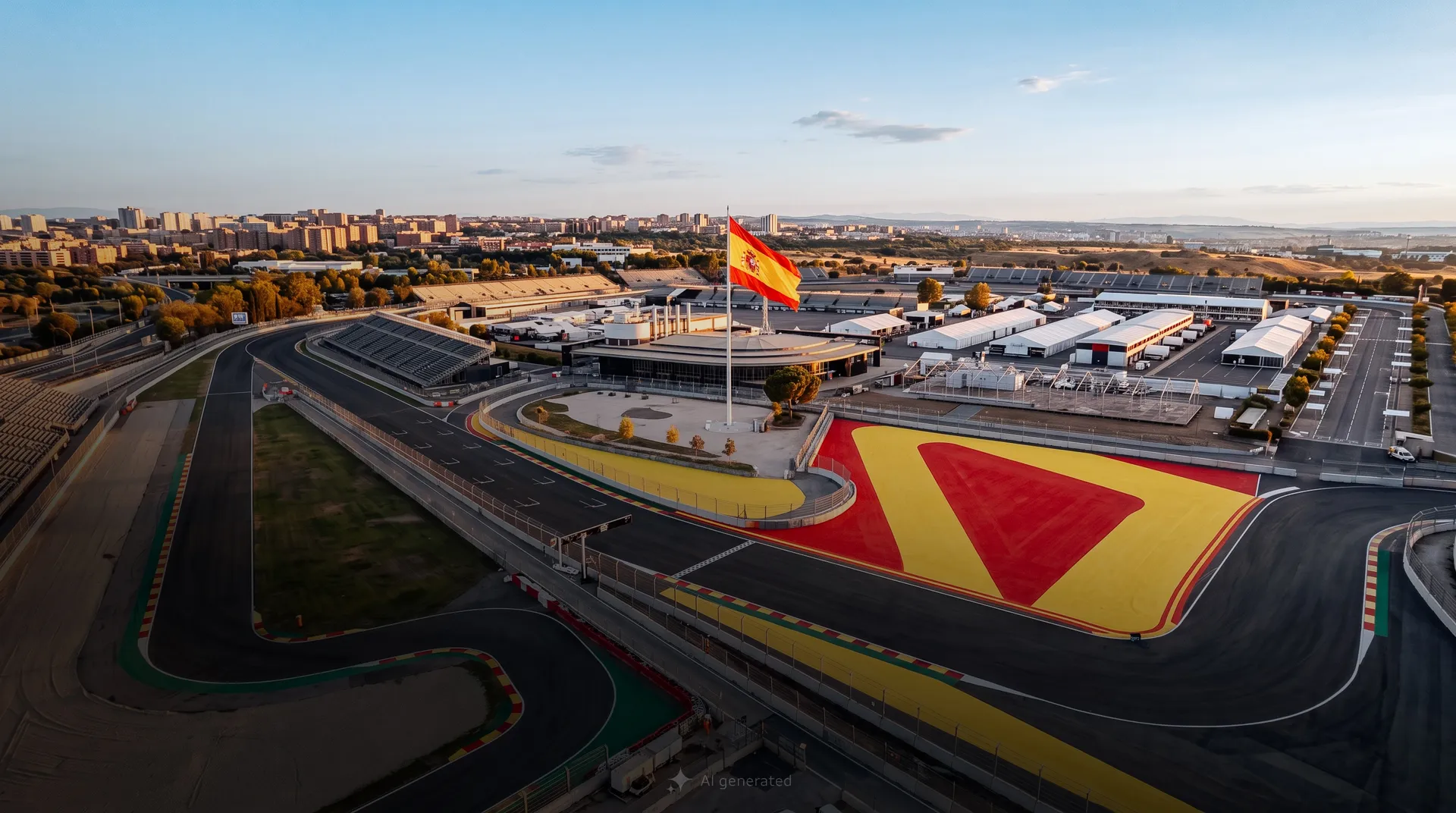
Spanish GP
Italian GP
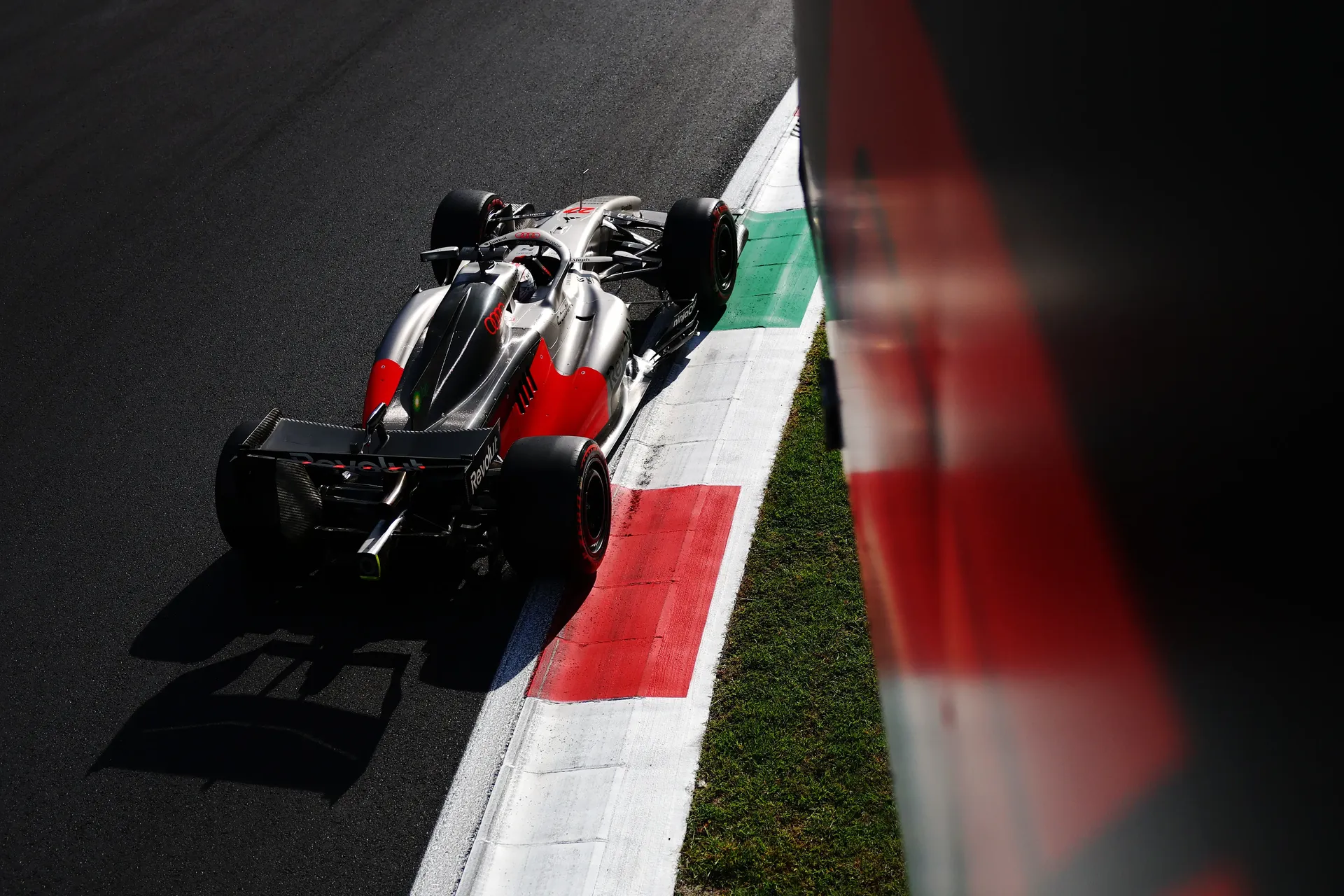
Italian GP
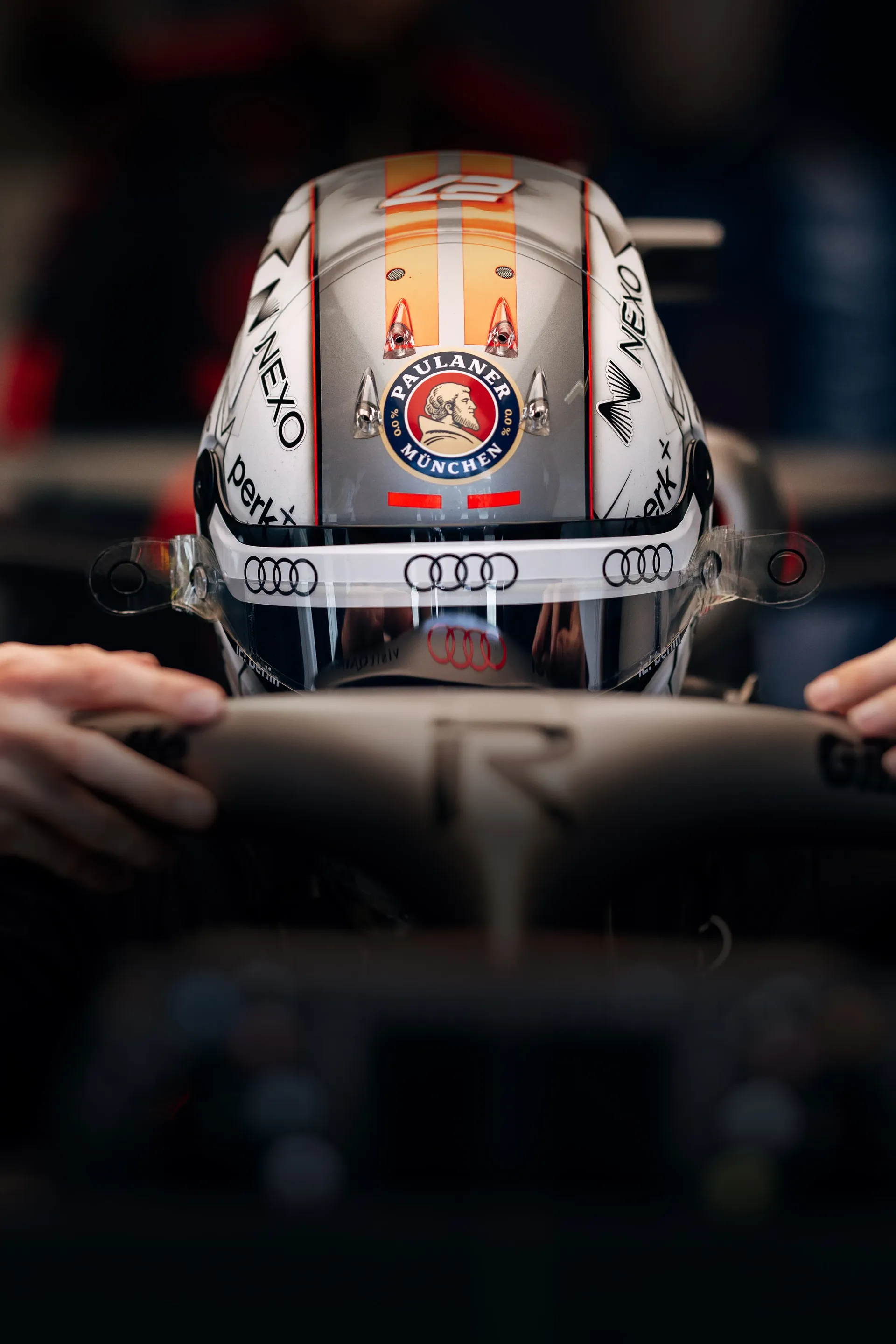
Italian GP
Italian GP
2026 season
Italian GP
Italian GP
All for One
Dutch GP
Dutch GP
Dutch GP
Dutch GP
Dutch GP
Dutch GP
2026 Season
F1® Insights
DDP
Season review
Interview
All for One
Breaking News
Hungarian GP
Hungarian GP
Hungarian GP
Hungarian GP
Challenge
Hungarian GP
Hungarian GP
Belgian GP
Belgian GP
Belgian GP
Belgian GP
Belgian GP
Belgian GP
Belgian GP
All In
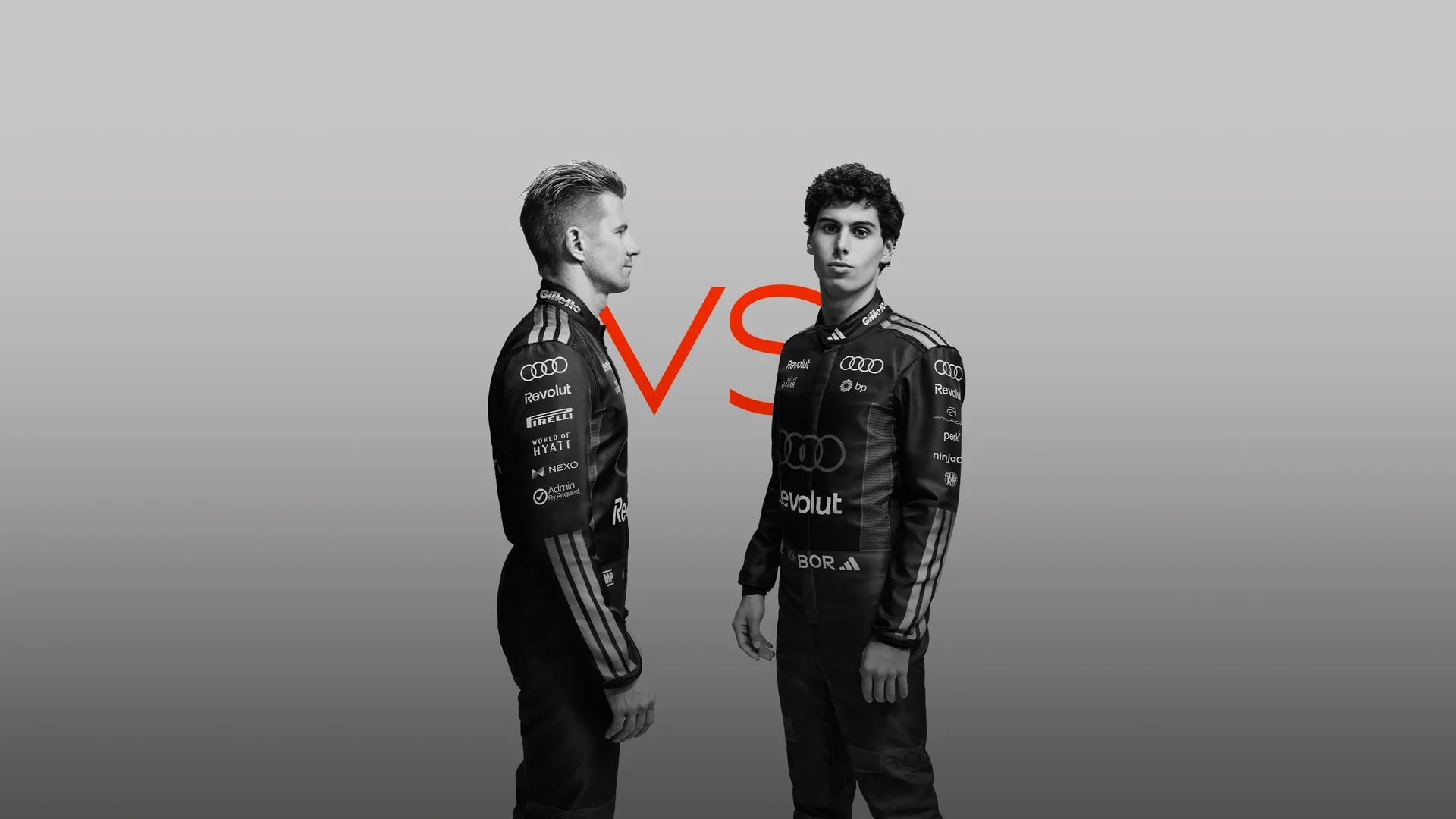
Nico vs. Gabi
View on the season
British GP