Azerbaijan GP
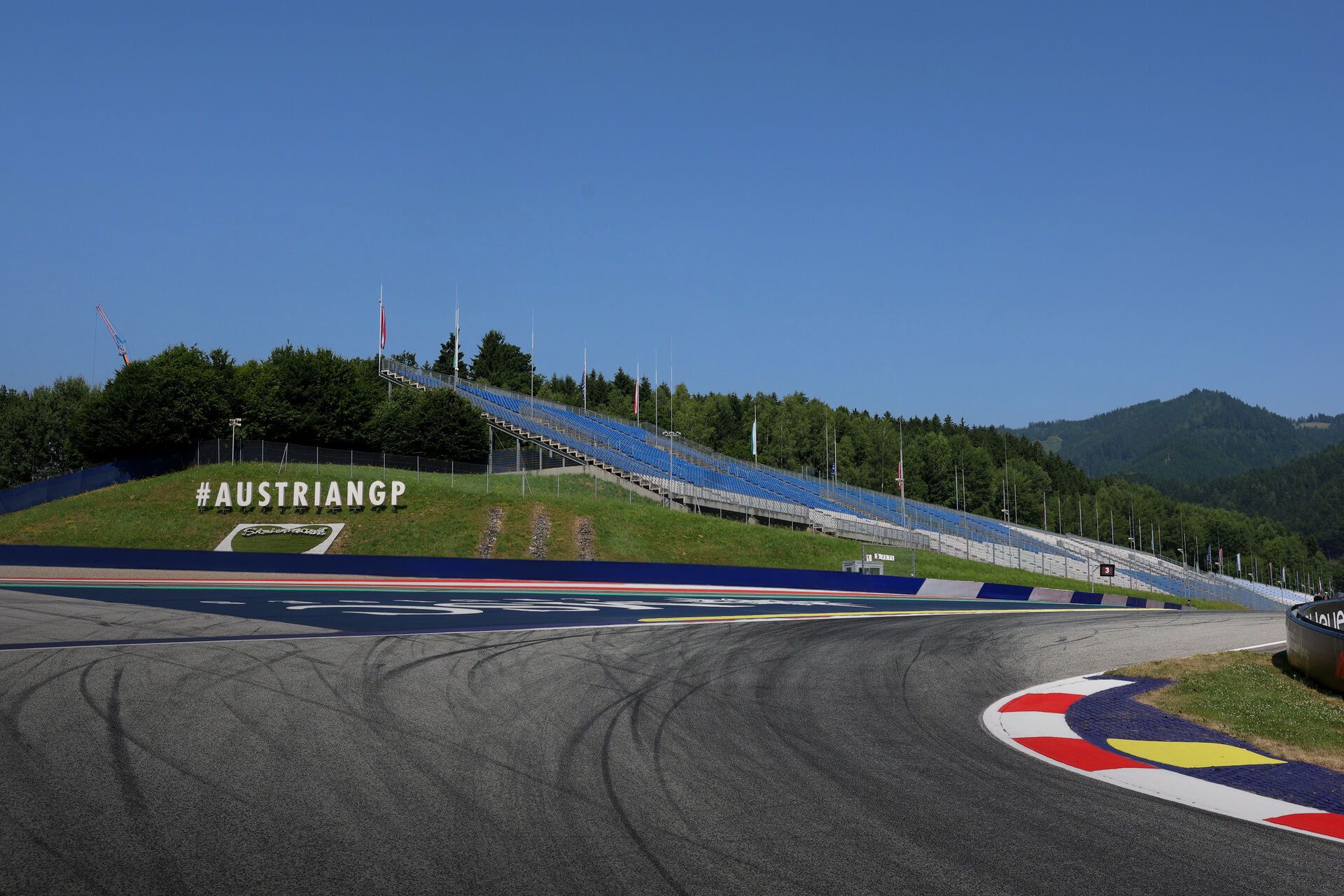
Audi Revolut F1® Team’s first visit to Spielberg will mark the 40th Grand Prix in this venue’s World Championship history. But before F1® established a permanent Austrian home, there was another circuit in Styria which made a single appearance on the World Championship calendar.
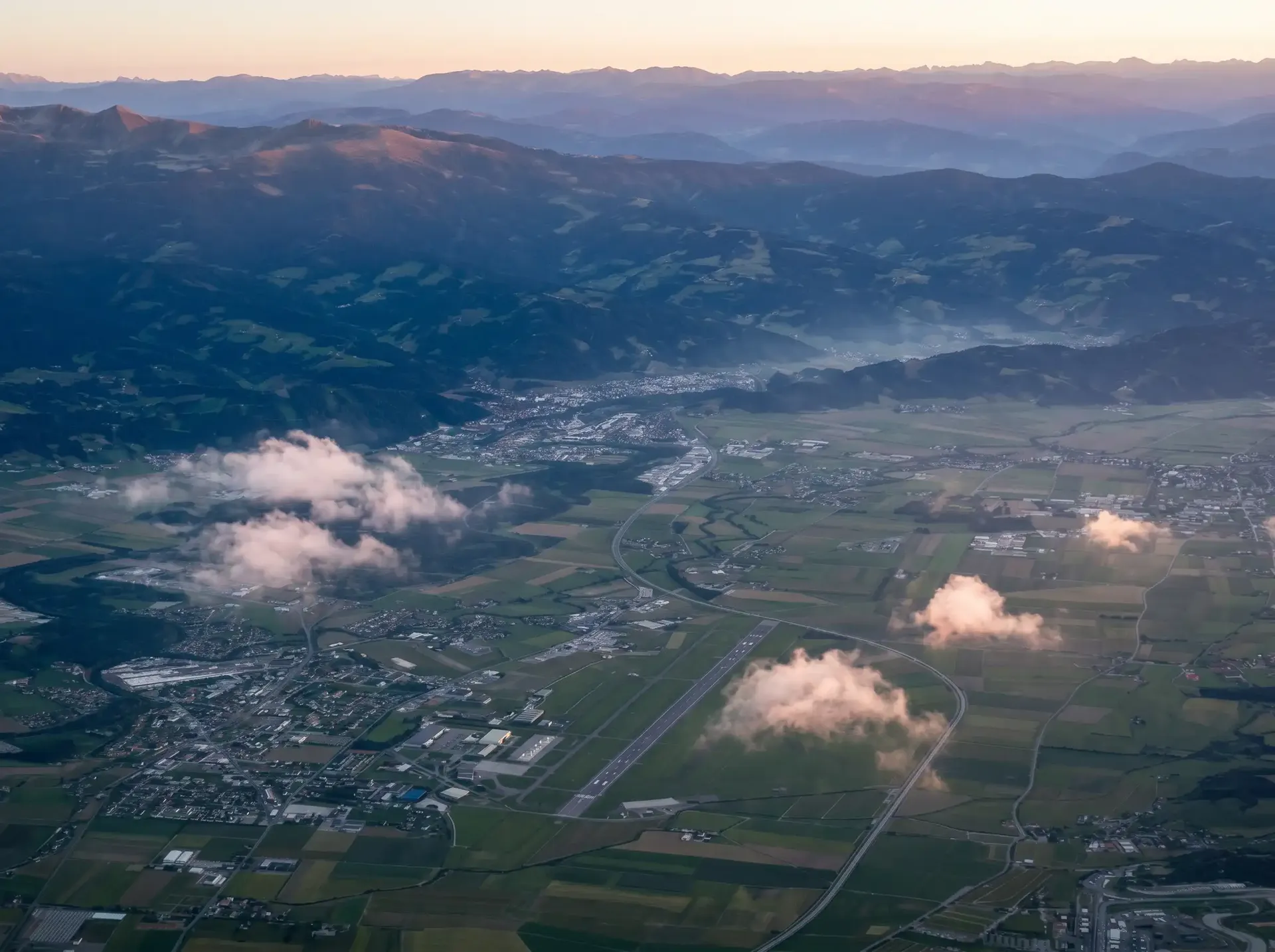
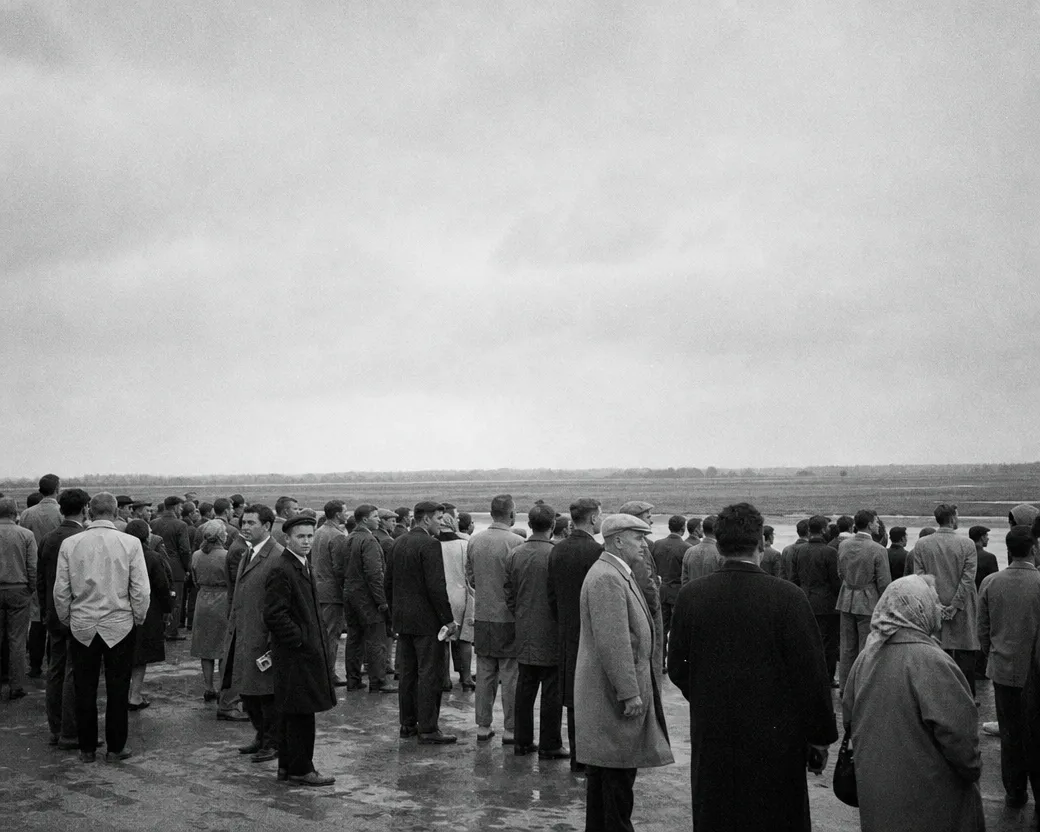
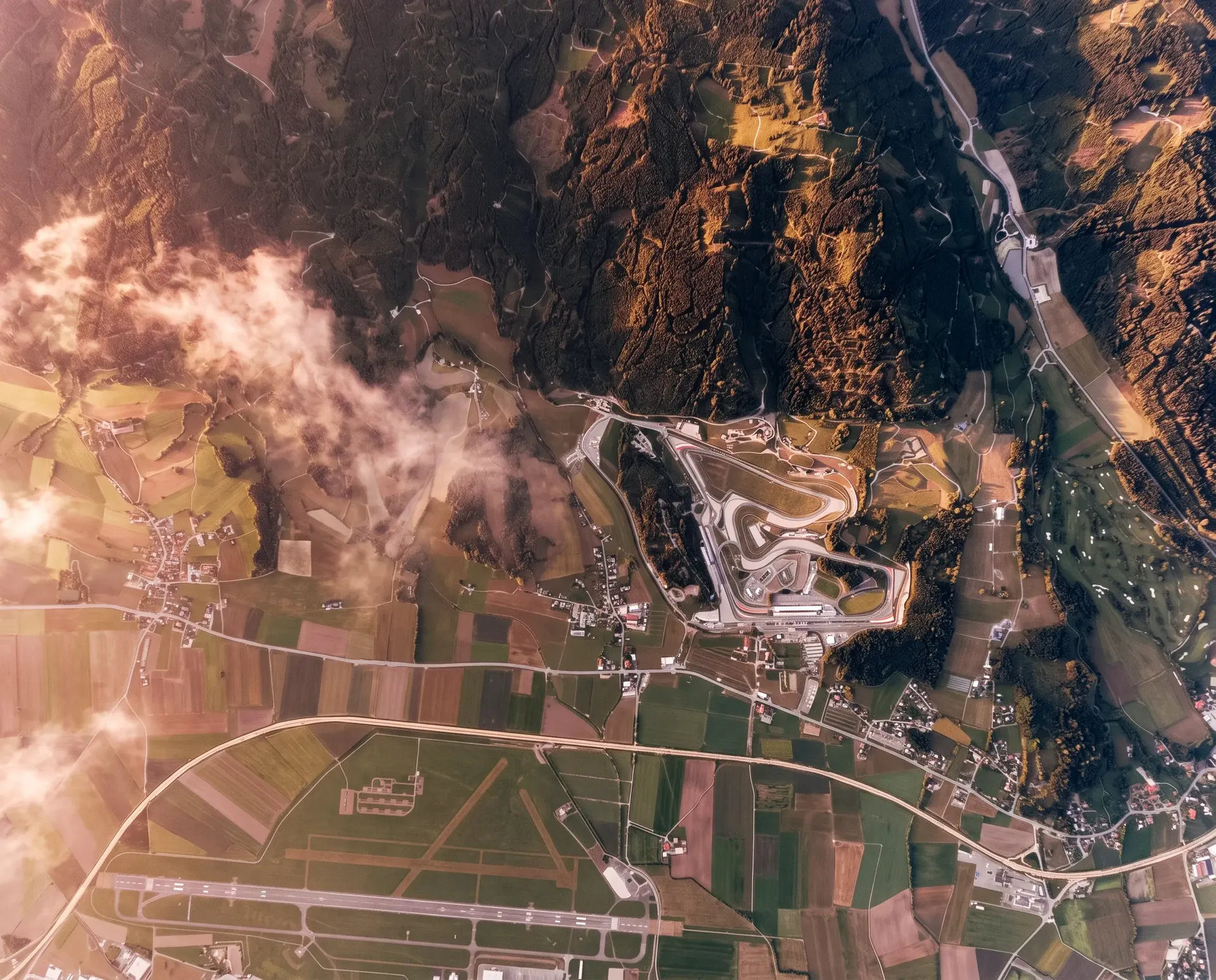
Just a few hundred metres outside of the Red Bull Ring’s circuit gates, in the valley of the River Mur, sits Zeltweg Air Base – the main airfield of the Austrian Air Force. Usually accustomed to the roar of fighter jets, the base once came alive with something rather different when Formula 1® arrived.
Inspired by Silverstone’s transformation from an Royal Airforce airfield to world-class motor racing track, the National Automobile Club had a similar idea for the Styrian base. The circuit’s layout was simple. Comprising just four turns, it followed an L-shape which made use of the airfield’s runways and perimeter roads.
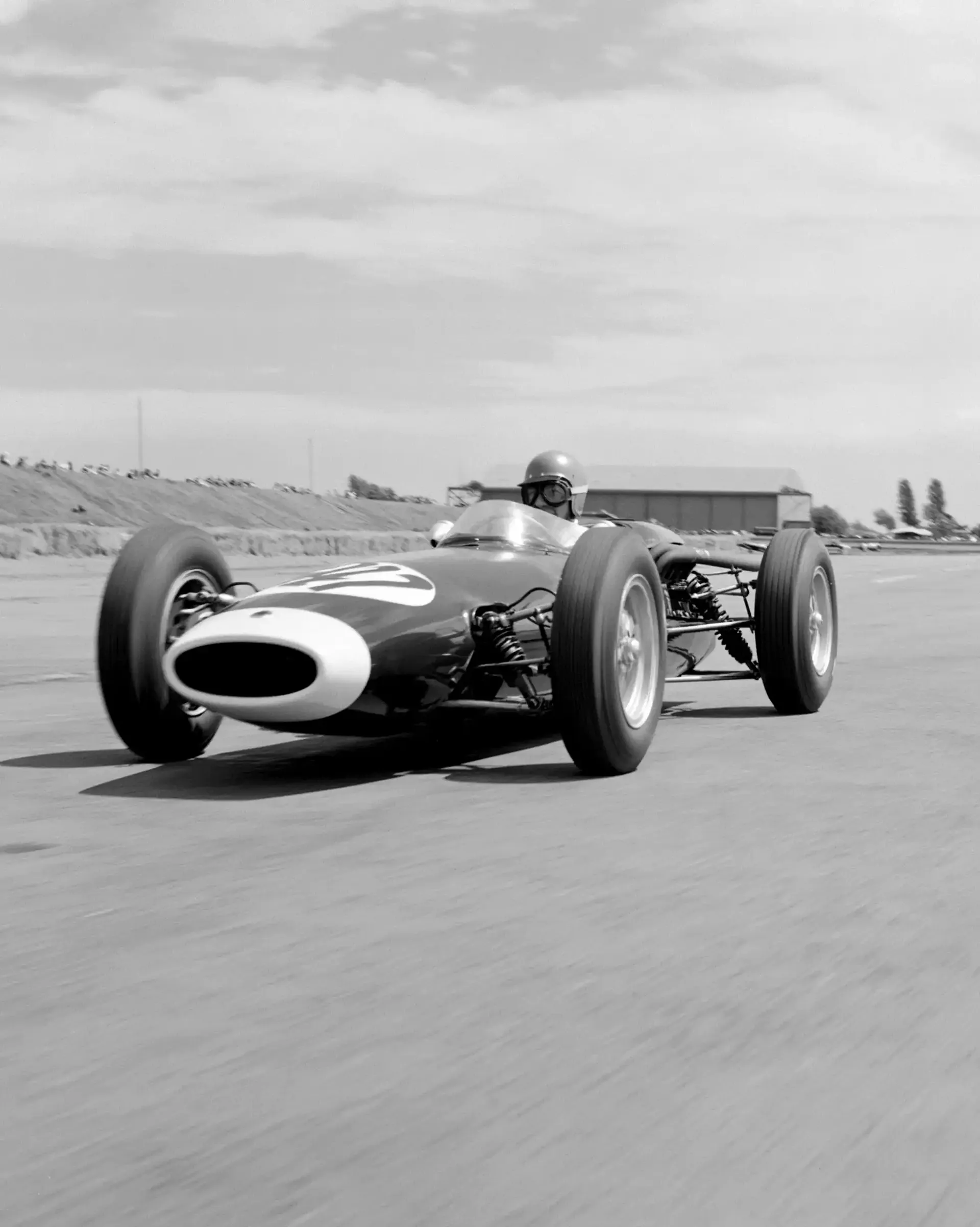
Zeltweg had been hosting races for some years prior to its only World Championship appearance. It had held non-championship events in both 1961 and 1963, where Formula 1® stars had their first taste of racing below the Austrian hills. Despite the track not being popular with the drivers, organisers pushed for it to join the pinnacle of motorsport on the F1® calendar.
And so it happened, in 1964 for the inaugural Austrian Grand Prix to count towards the Drivers’ Championship. There was just one small problem. Unlike the tarmac at Silverstone, the surface at Zeltweg was made up of concrete slabs, where large gaps appeared between each slab, creating an uneven and unforgiving surface. It had become even bumpier as a result of previous races at the makeshift track.
Following the non-championship event one year prior, in which only a handful of cars finished, it was feared that the forces exerted on the machinery would mean that the track would be, literally, a car-wrecker. It is unimaginable by modern day standards, where reliability and simulation tools allow the team to acquire a detailed understanding of the circuit months prior to the race weekend.
Those fears were confirmed within hours of the first cars taking to the circuit. Across two days of practice, superstar drivers of the era – the likes of Jim Clark, Jack Brabham and Phil Hill – were sidelined as their cars were torn apart by the uneven track surface.
Graham Hill’s car appeared the sturdiest of the bunch, while John Surtees – who’d go on to be crowned World Champion in 1964 – was one of the other few drivers who avoided trouble. The pair set the two fastest qualifying times and lined up on the four-wide front row, alongside Clark and Dan Gurney.
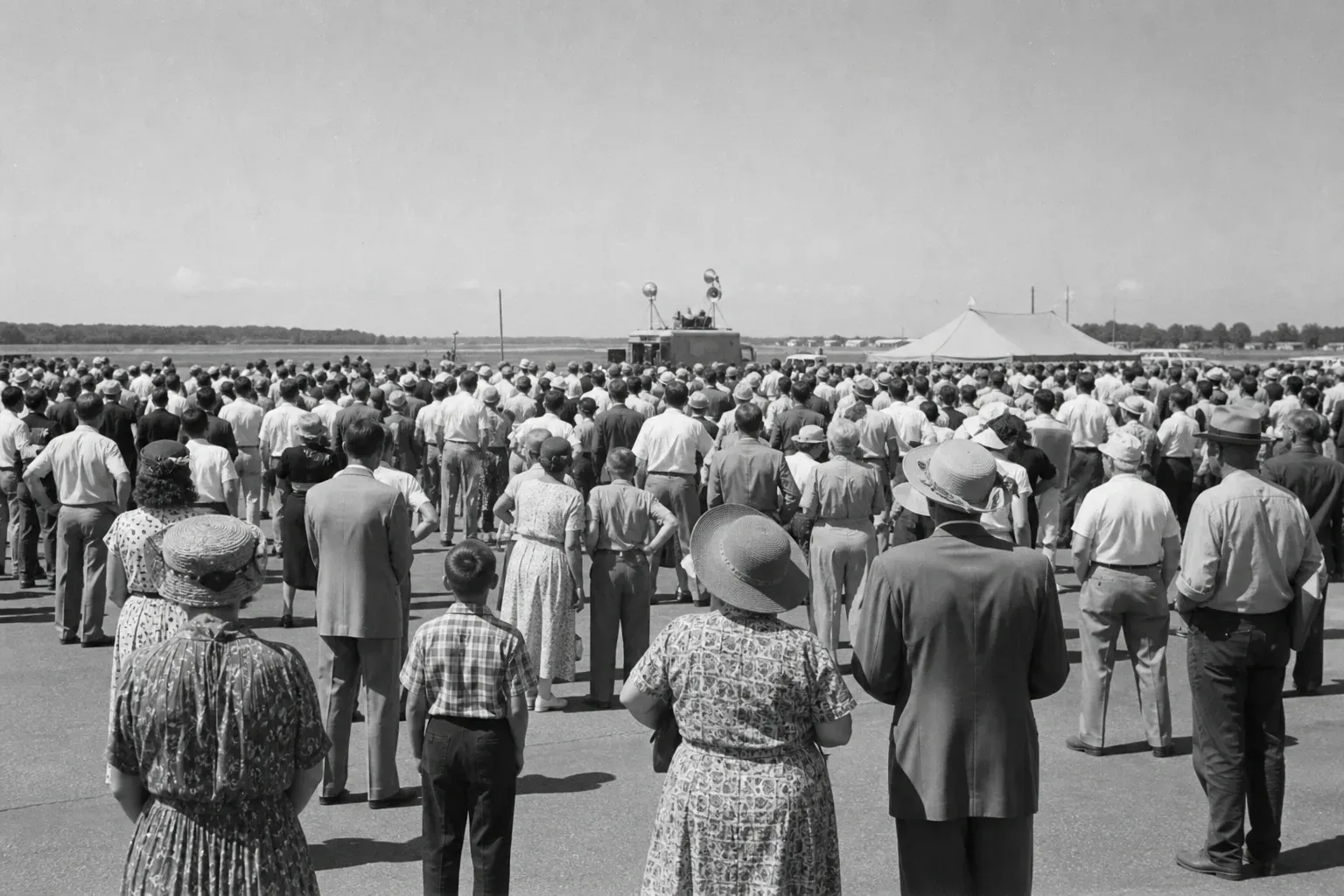
The rudimentary approach to motorsport was clear to see at the 1964 Austrian Grand Prix. A far cry from the state-of-the-art three-storey hospitality hub which follows Audi Revolut F1® Team around Europe, the paddock for this race was housed within a vast aircraft hangar. The arrangement worked well enough, until the drivers fired up their engines and the noise reverberated around the enclosed space.
In an era before our current day live telemetry and real-time data streams, officials resorted to hand-operated stopwatches to record qualifying lap times when the electronic timing beam at the circuit failed on the opening day of action. Meanwhile, in the days before curfews were implemented, overnight repairs became a race against time. Following close inspections of the cars and their parts for cracks brought about by the bumpy surface, last minute spares were transported across the continent as quickly as possible ahead of race day.
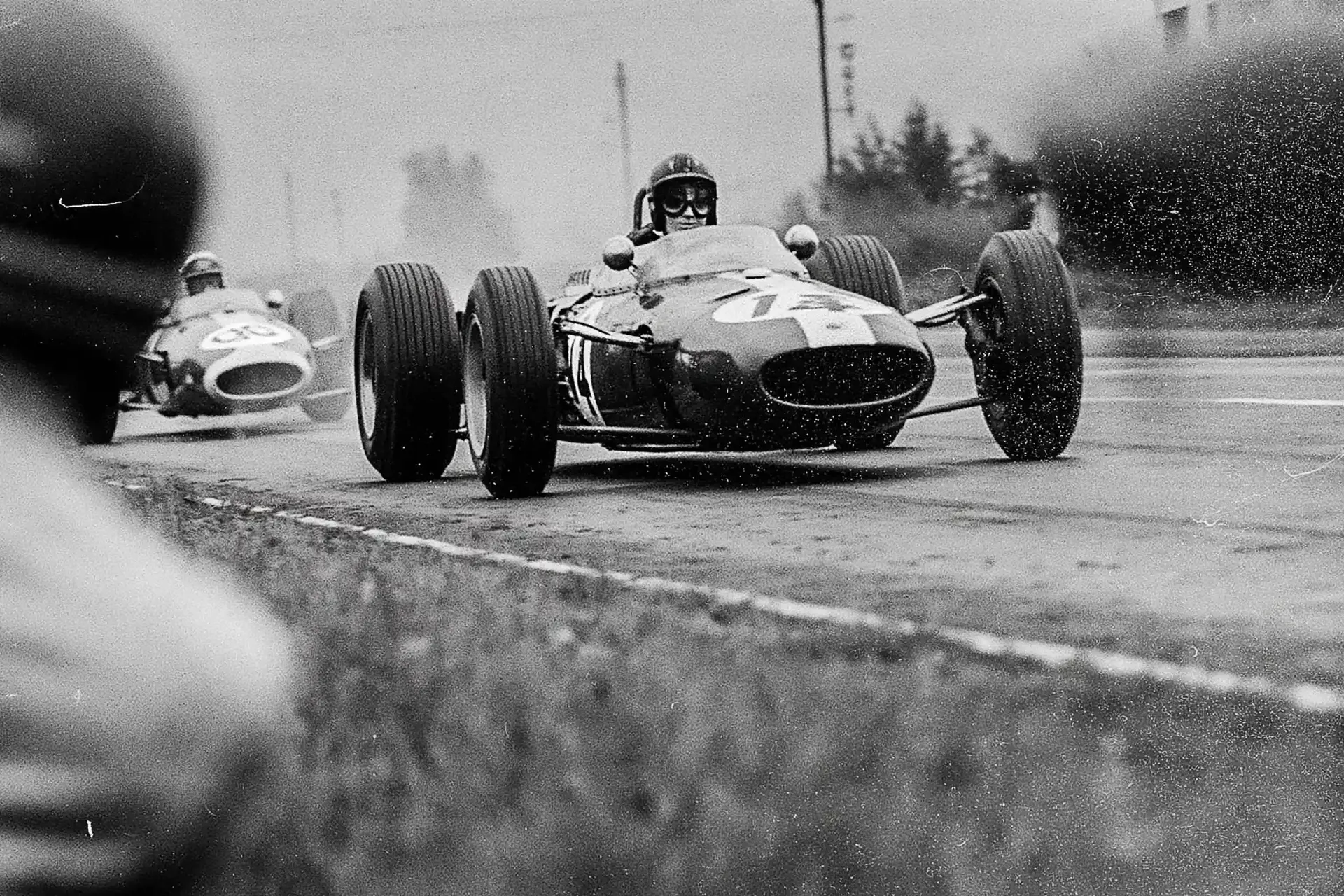
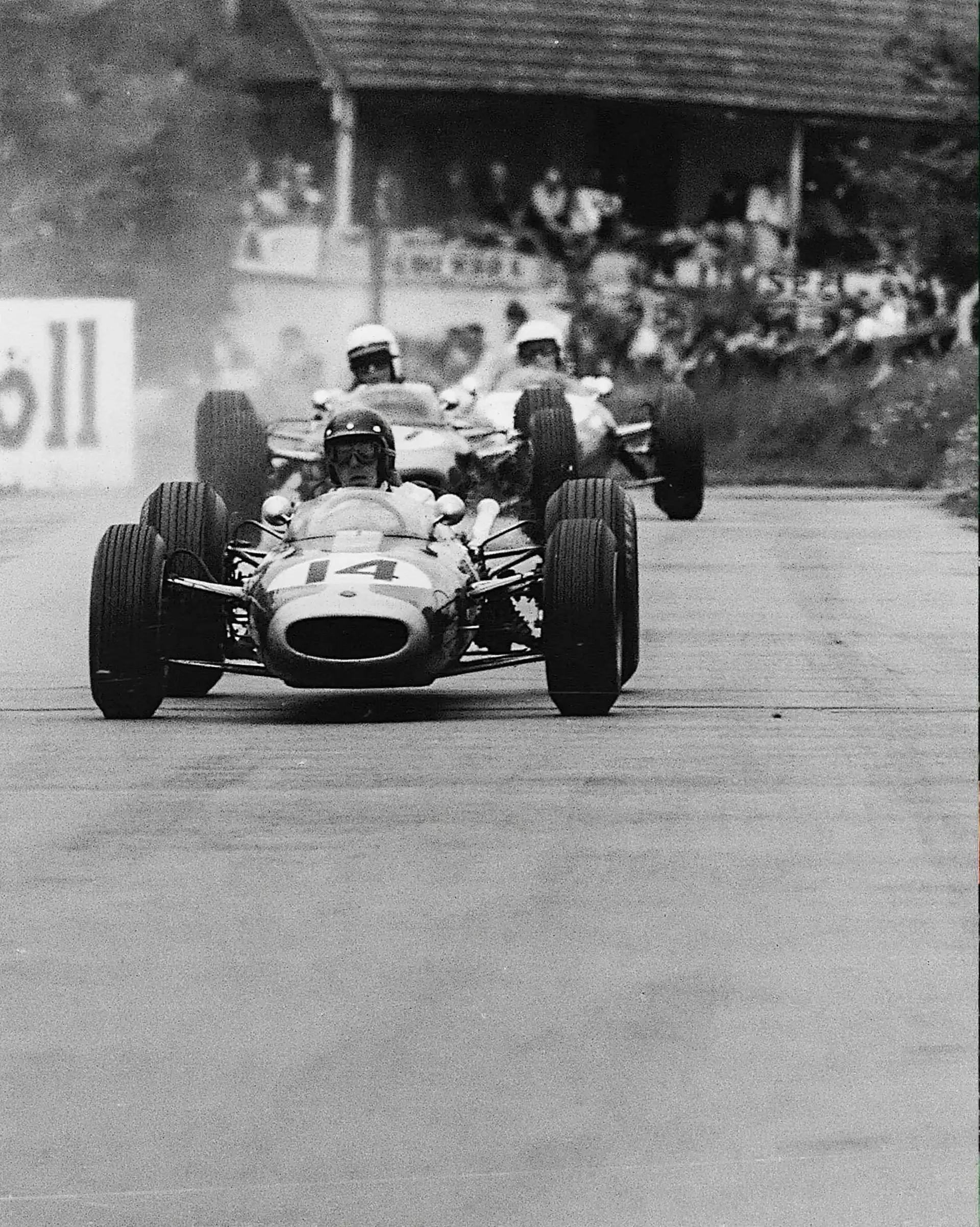
Havoc reigned once more on Sunday. All of the four drivers who began on the front row of the grid retired before half-distance of the 105-lap race. Of the 20 starters, just nine were still circulating at the end, with cars falling by the wayside one-by-one with suspension failures, handling issues and a range of other mechanical problems brought about by the nature of the track.
Issues for almost all of his competitors allowed Lorenzo Bandini to triumph at Zeltweg and claim the sole victory of his Formula 1® career. Richie Ginther finished six seconds behind – but they were the only two drivers to complete the full race distance. Bob Anderson, who recorded the only podium finish of his career in this race with third place, finished three laps down on the winner despite suffering two broken driveshafts.
Fittingly at the first round of the World Championship held in Austria, future World Champion Jochen Rindt made his F1® debut, becoming the first Austrian driver to compete in the sport. Despite an impressive performance among the back-markers, he too fell foul of the track, when steering issues put him out of proceedings just beyond half distance.
Narrow, bumpy and unsuitable for spectators, Zeltweg never returned to the F1® schedule after this race of attrition. It is one of only a handful of circuits to have made just a single appearance on the calendar, sitting alongside classic motorsport tracks, like Le Mans, Donington Park and Mugello.
Instead focus turned to the creation of a new, permanent circuit less than four kilometres away. Sturdier than F1® cars, sportscar racing was able to continue at Zeltweg until 1969, when the new venue – then called the Österreichring – opened. Formula 1® made its first visit to the new track in 1970. Almost sixty years on, Spielberg is set to welcome another debut.
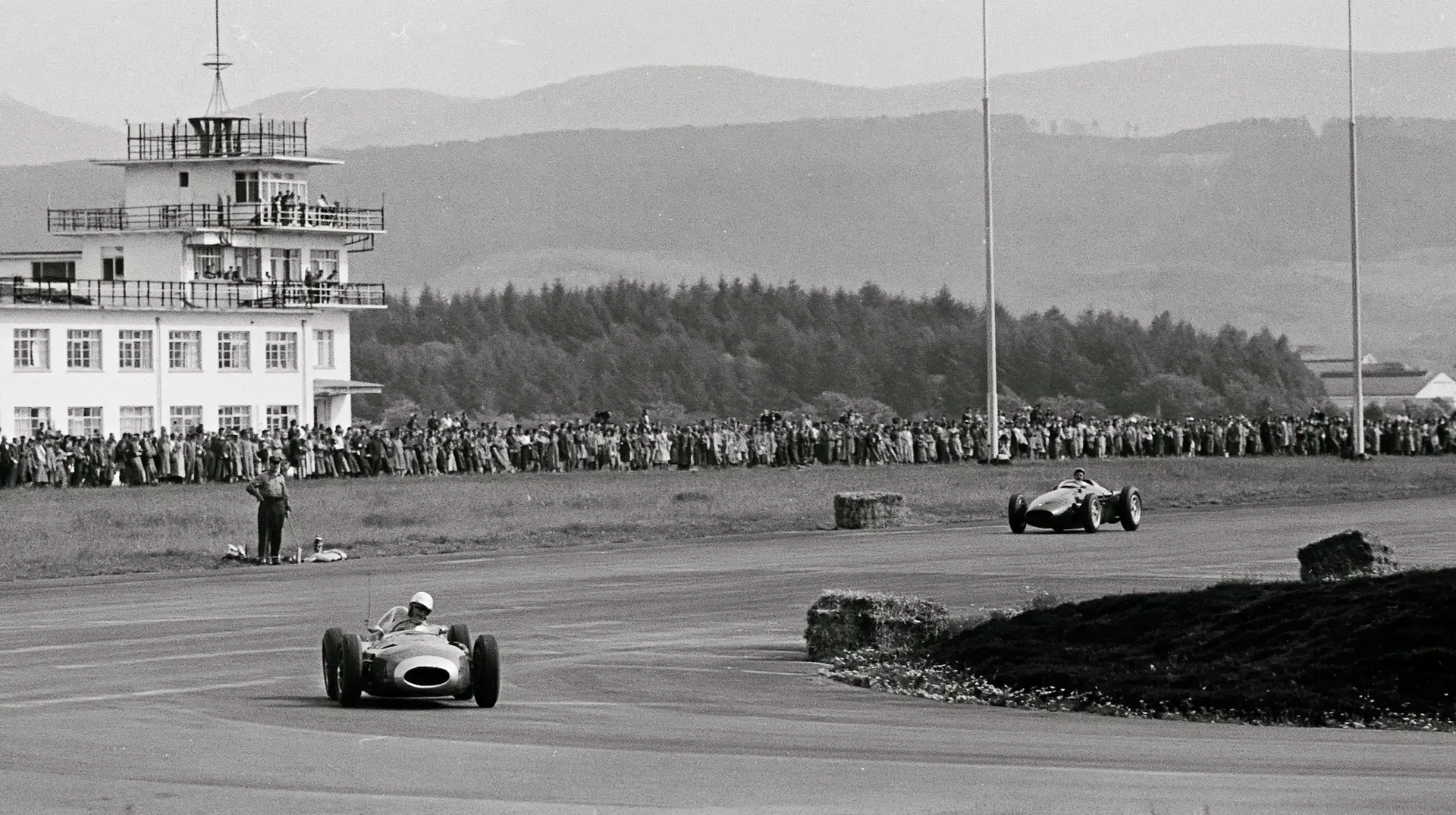
The rise of local heroes Jochen Rindt and Niki Lauda helped to popularise the sport in Austria. Zeltweg, meanwhile, remains an active airfield. Little evidence survives of the rough concrete surface that hosted Formula 1®'s first visit to Austria. A guarded facility, the area is now mostly used for training purposes, as well as a regular Airpower show, the next edition of which is set to take place in 2027.
Six decades separate Jochen Rindt's F1® debut from Audi Revolut F1® Team's first appearance at the Austrian Grand Prix. The circuit is different. The sport is unrecognisable. The ambition is the same. This weekend Audi Revolut F1® Team becomes a part of the latest chapter in Spielberg's rich F1® history.
Azerbaijan GP
Azerbaijan GP
Azerbaijan GP
Azerbaijan GP
2027 Season
All for One

DDP
Spanish GP
Spanish GP
Spanish GP
Spanish GP

Spanish GP
Audi(o)
Spanish GP
Spanish GP
Italian GP
Italian GP
Italian GP
Italian GP
2026 season
Italian GP
Italian GP
All for One
Dutch GP
Dutch GP
Dutch GP
Dutch GP
Dutch GP
Dutch GP
2026 Season
F1® Insights
DDP
Season review
Interview

All for One
Breaking News
Hungarian GP
Hungarian GP
Hungarian GP
Hungarian GP

Challenge
Hungarian GP
Hungarian GP
Belgian GP
Belgian GP
Belgian GP
Belgian GP
Belgian GP
Belgian GP
Belgian GP
All In
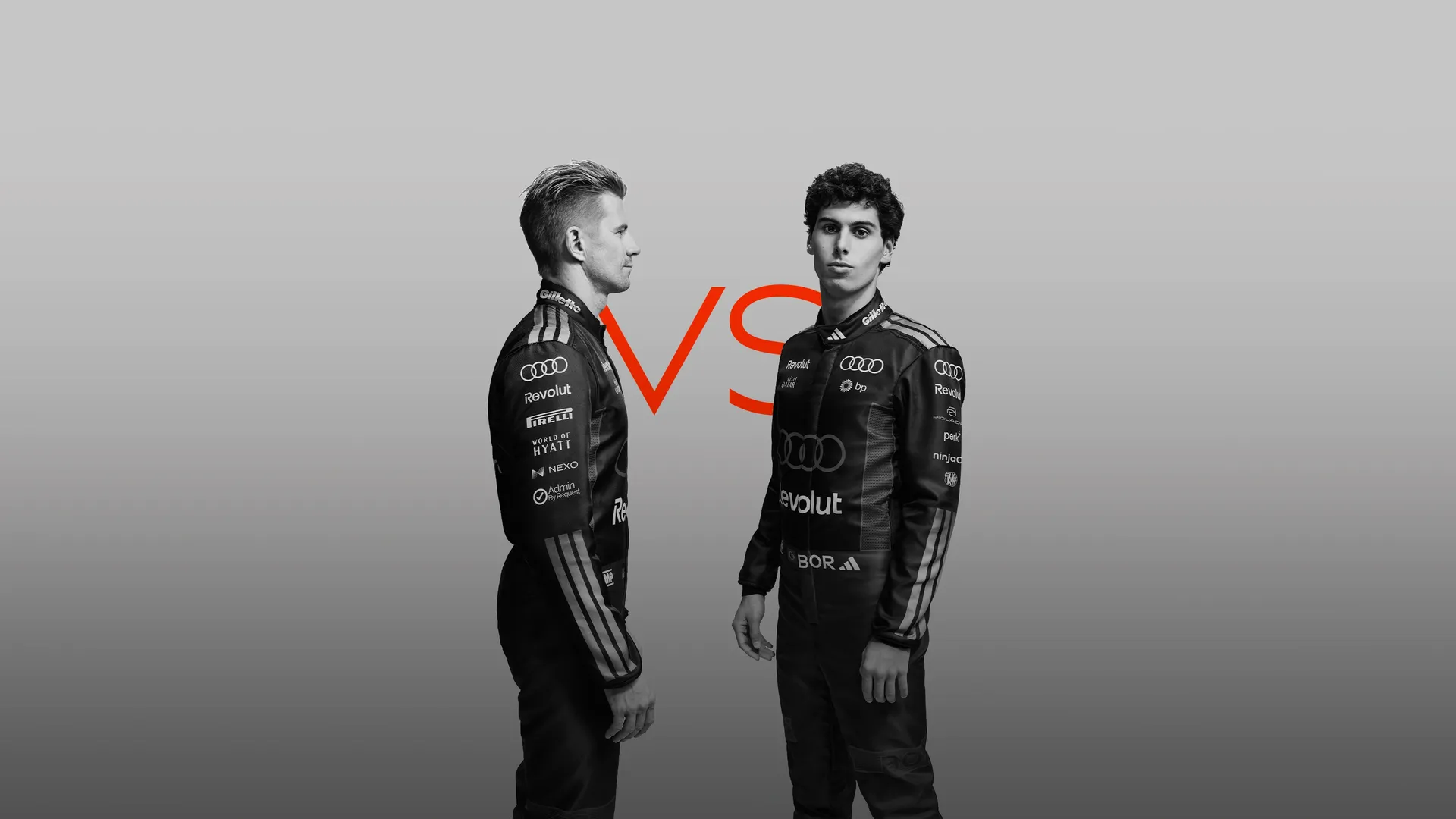
Nico vs. Gabi
View on the season
British GP
British GP

British GP
British GP
British GP
British GP
British GP
British GP
Austrian GP
Austrian GP

Austrian GP
Austrian GP
Austrian GP
Austrian GP

Community exklusive
Austrian GP
Austrian GP
Monaco GP
All for One
Barcelona GP
Barcelona GP
Barcelona GP
Barcelona GP
Barcelona GP
Barcelona GP
Barcelona GP
Barcelona GP
Barcelona GP
Barcelona GP
Monaco GP
Monaco GP
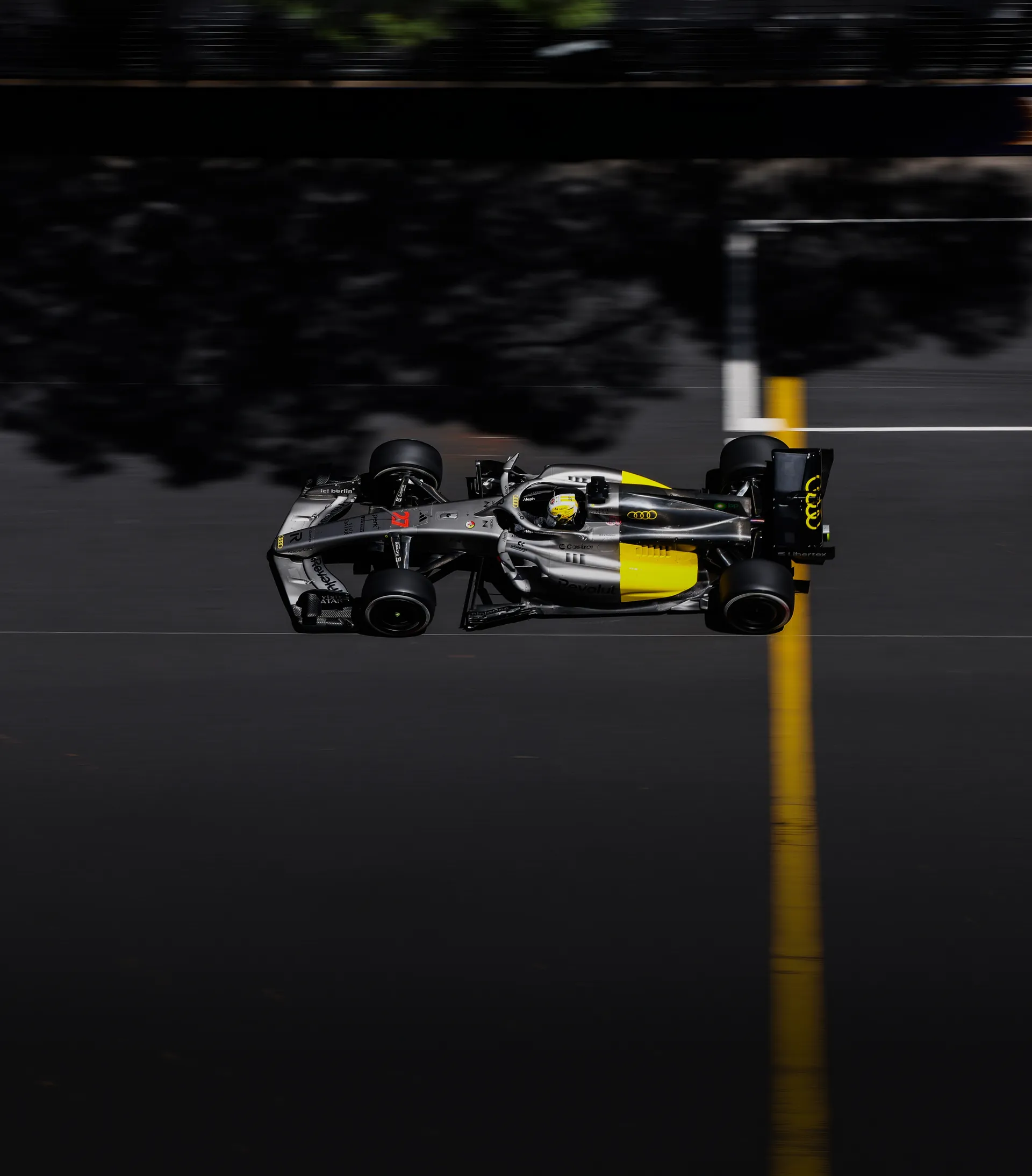
Monaco GP
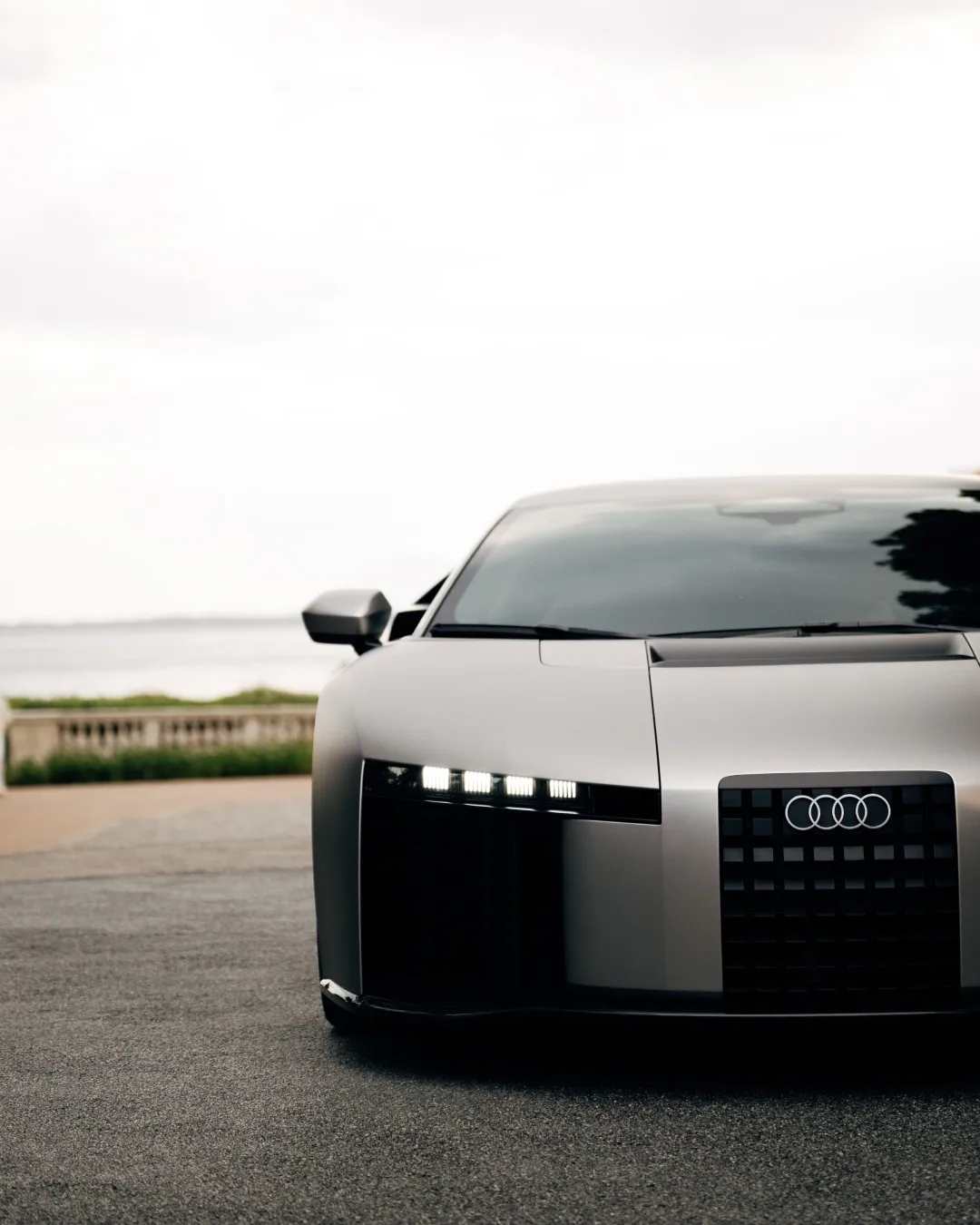
Audi
The Flying Mantuan
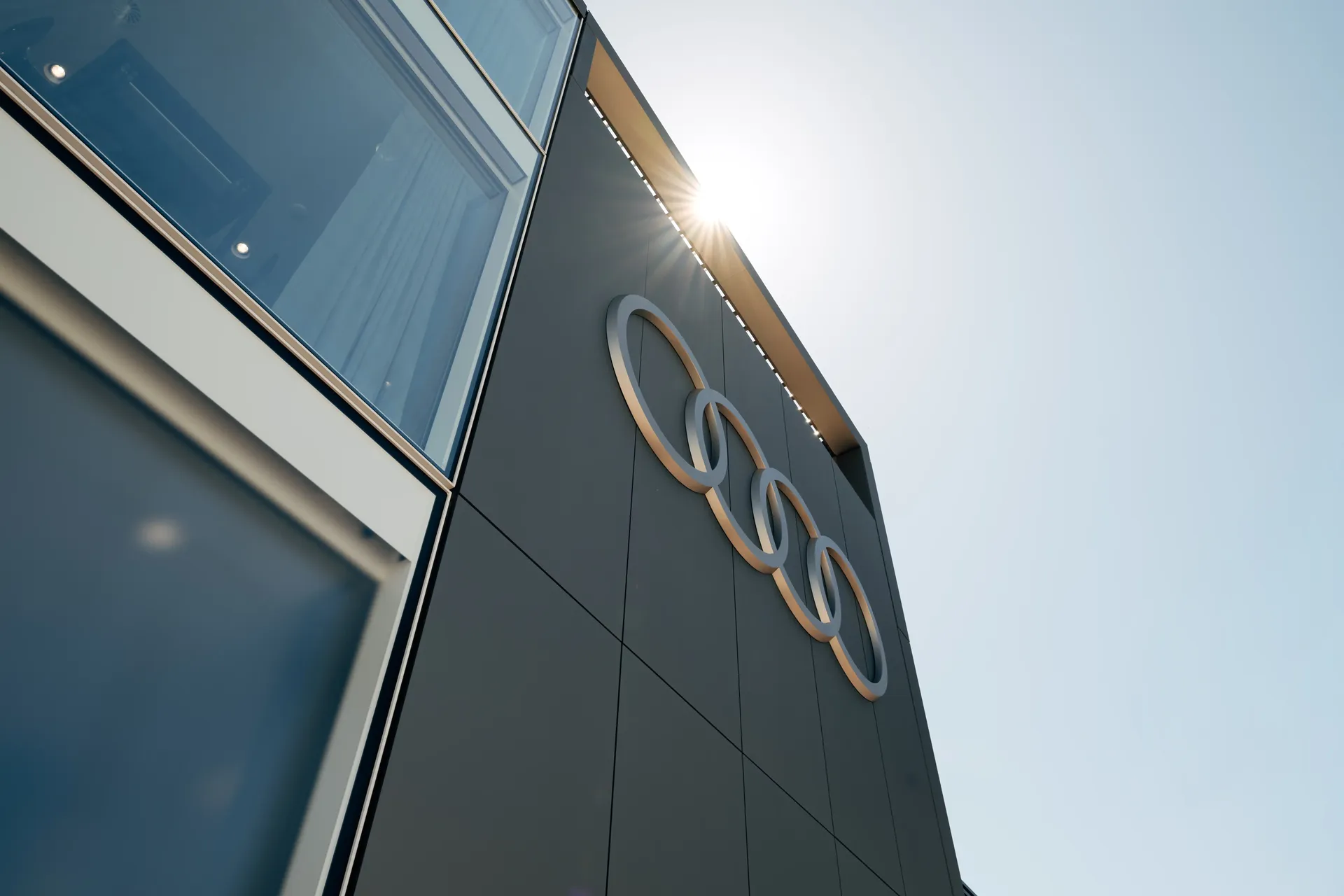
Hospitality

Monaco GP
Monaco GP
Monaco GP
Canada GP
Canada GP
Canada GP
Canada GP

DDP
Canada GP
Canada GP
Podcast
Miami GP