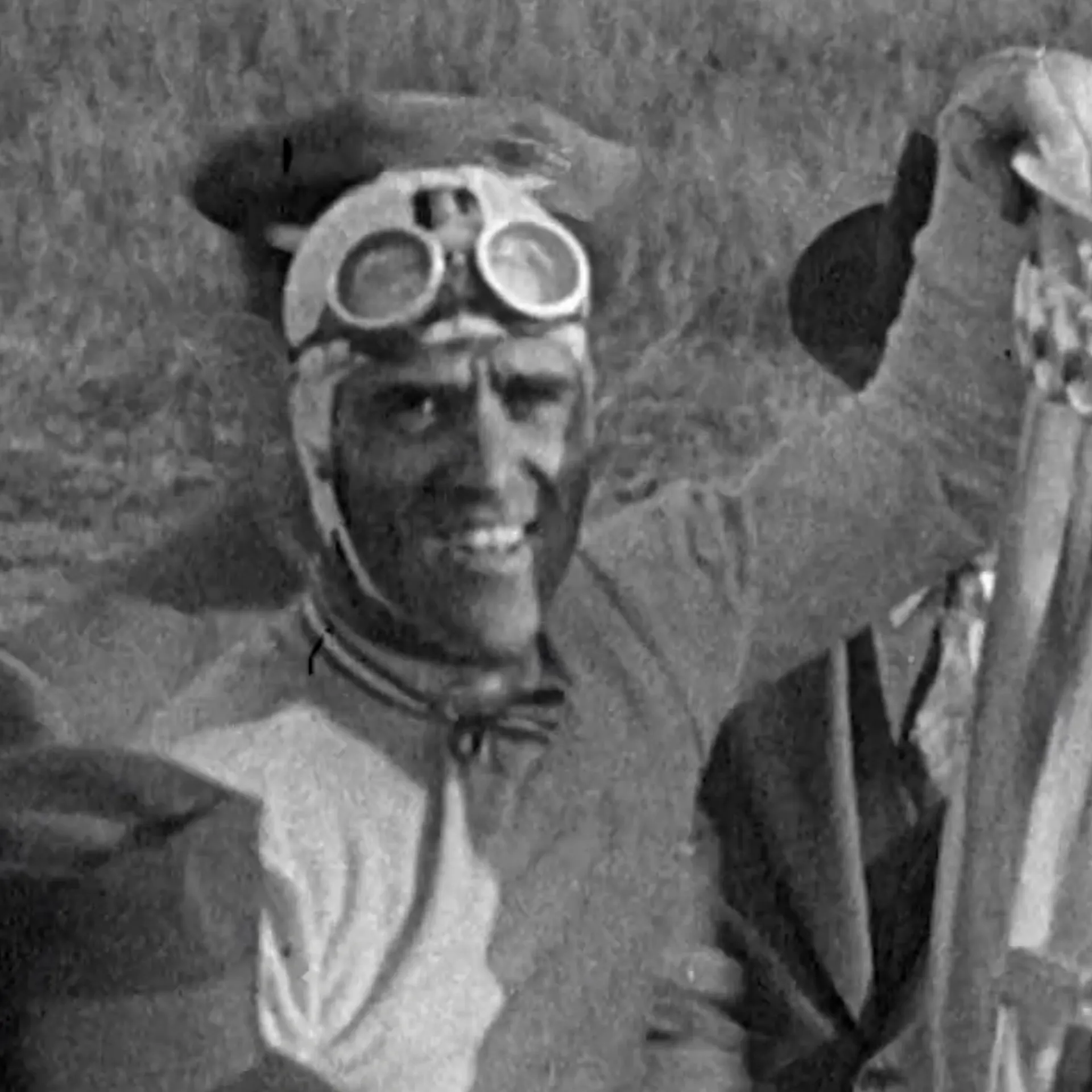
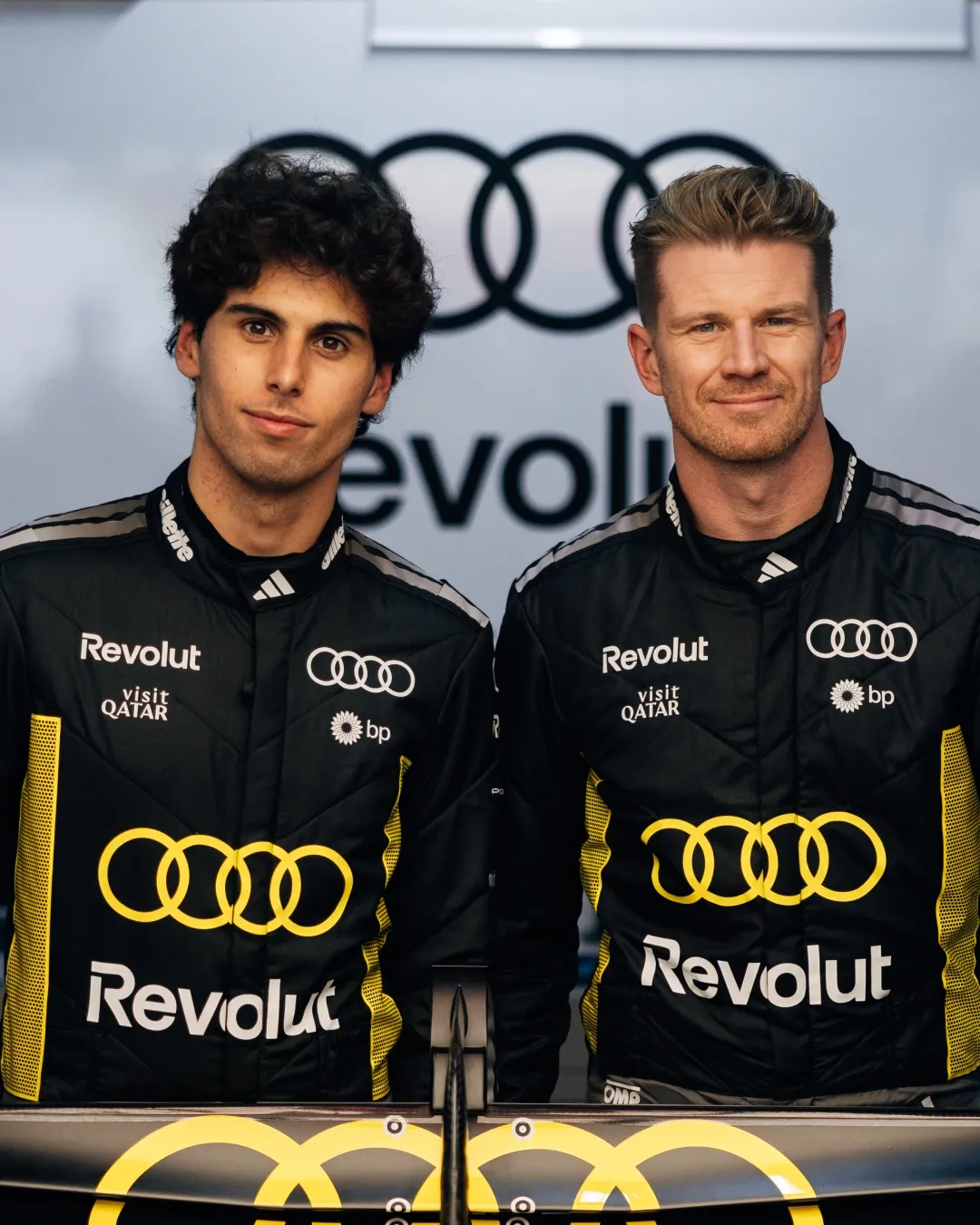
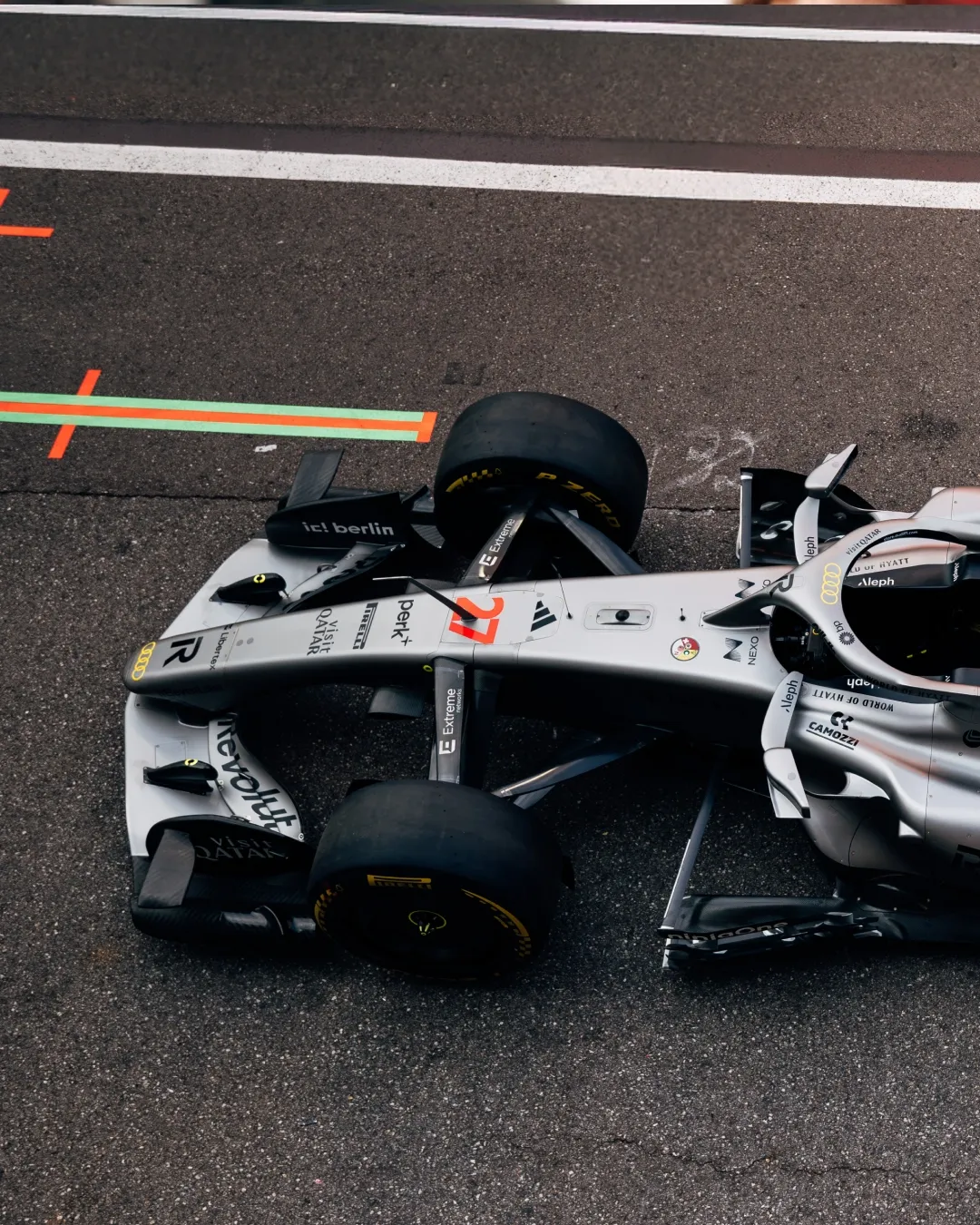
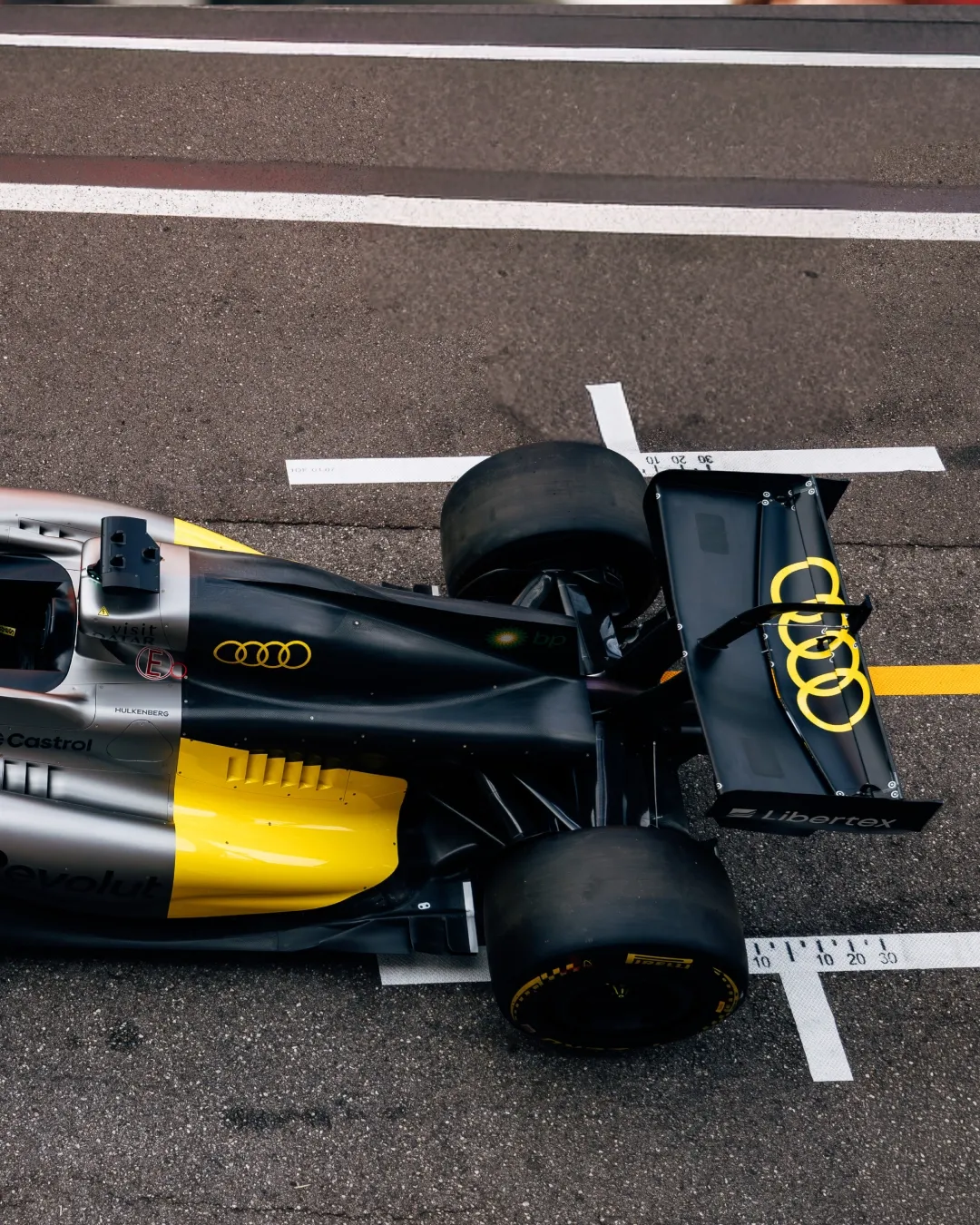
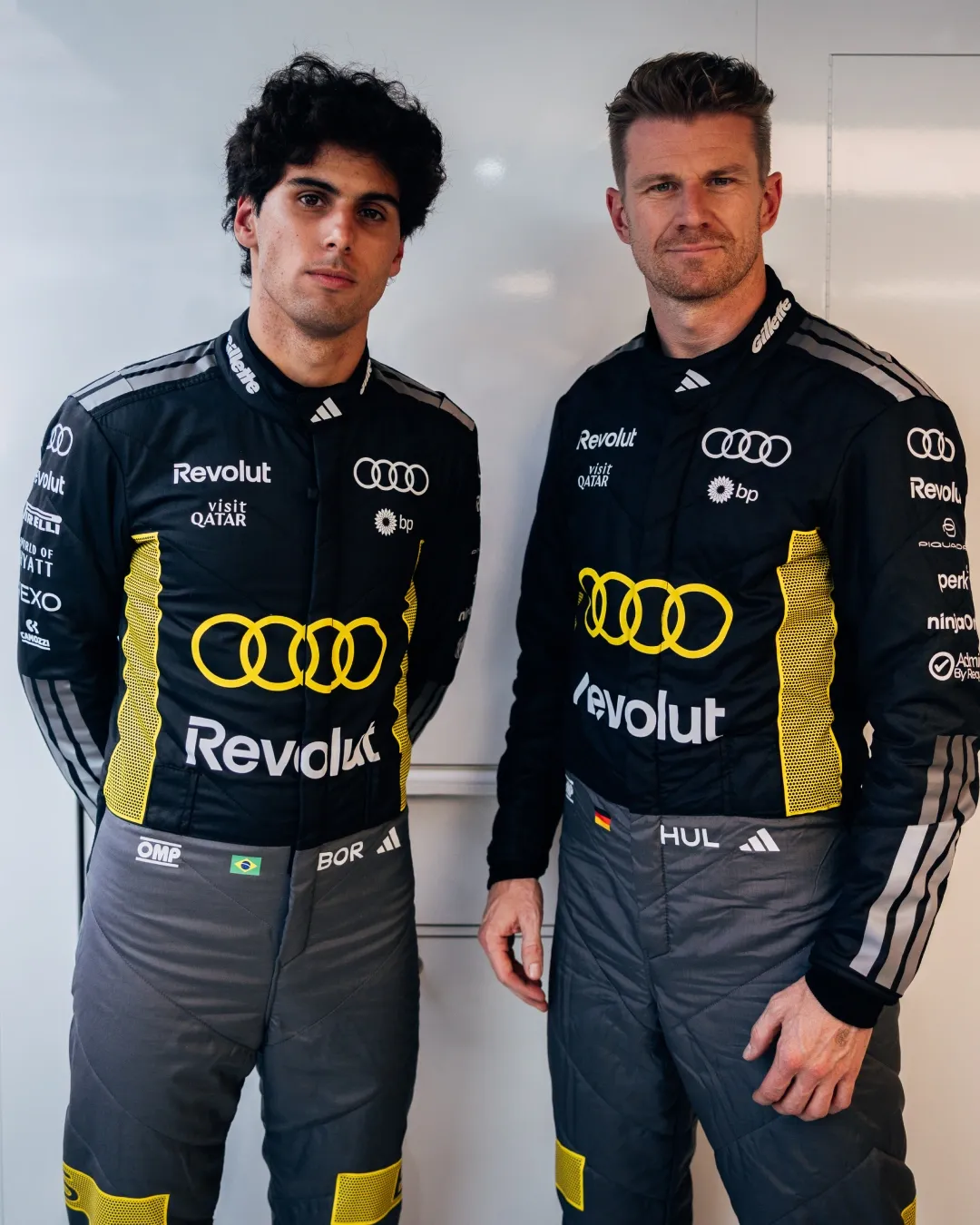
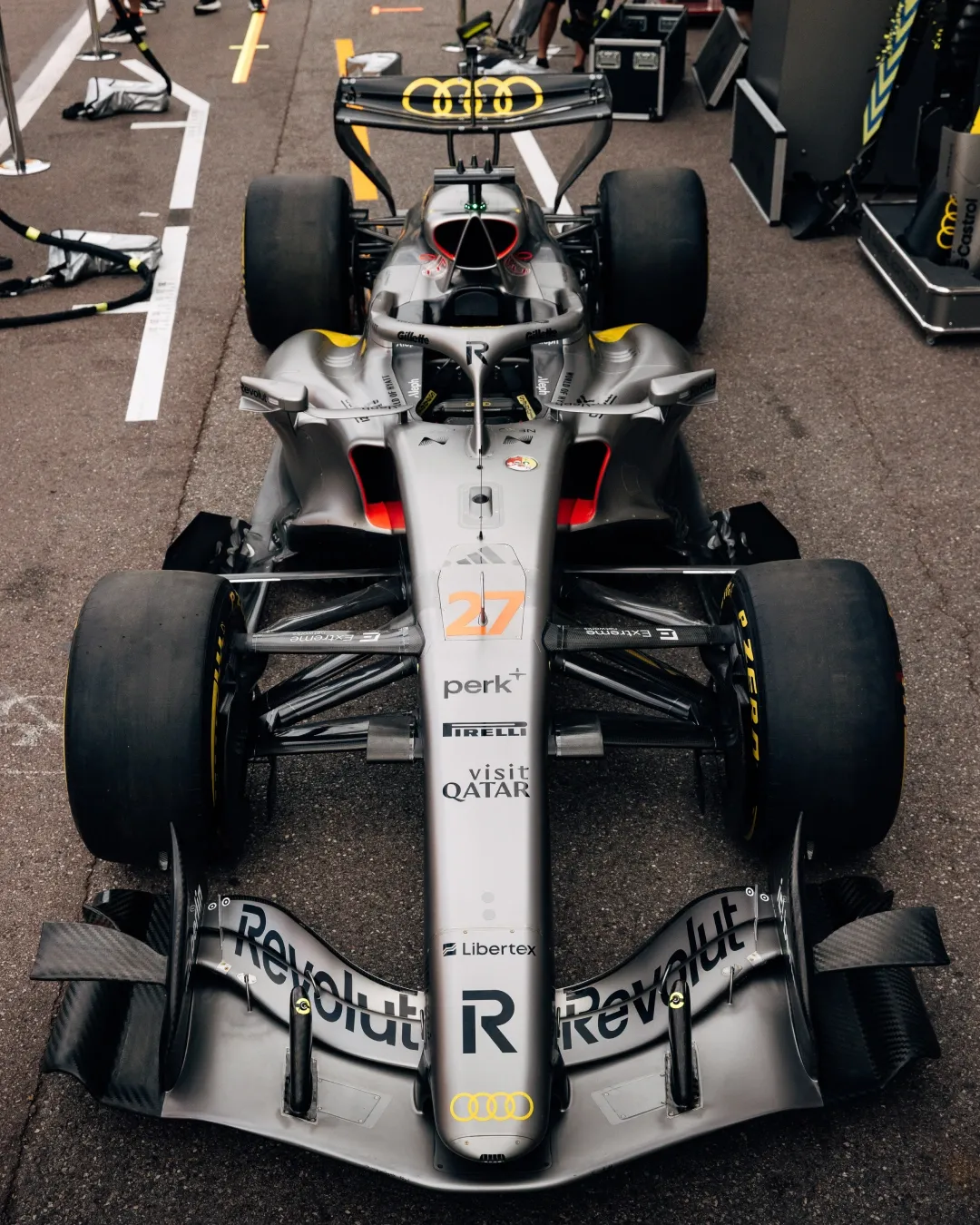
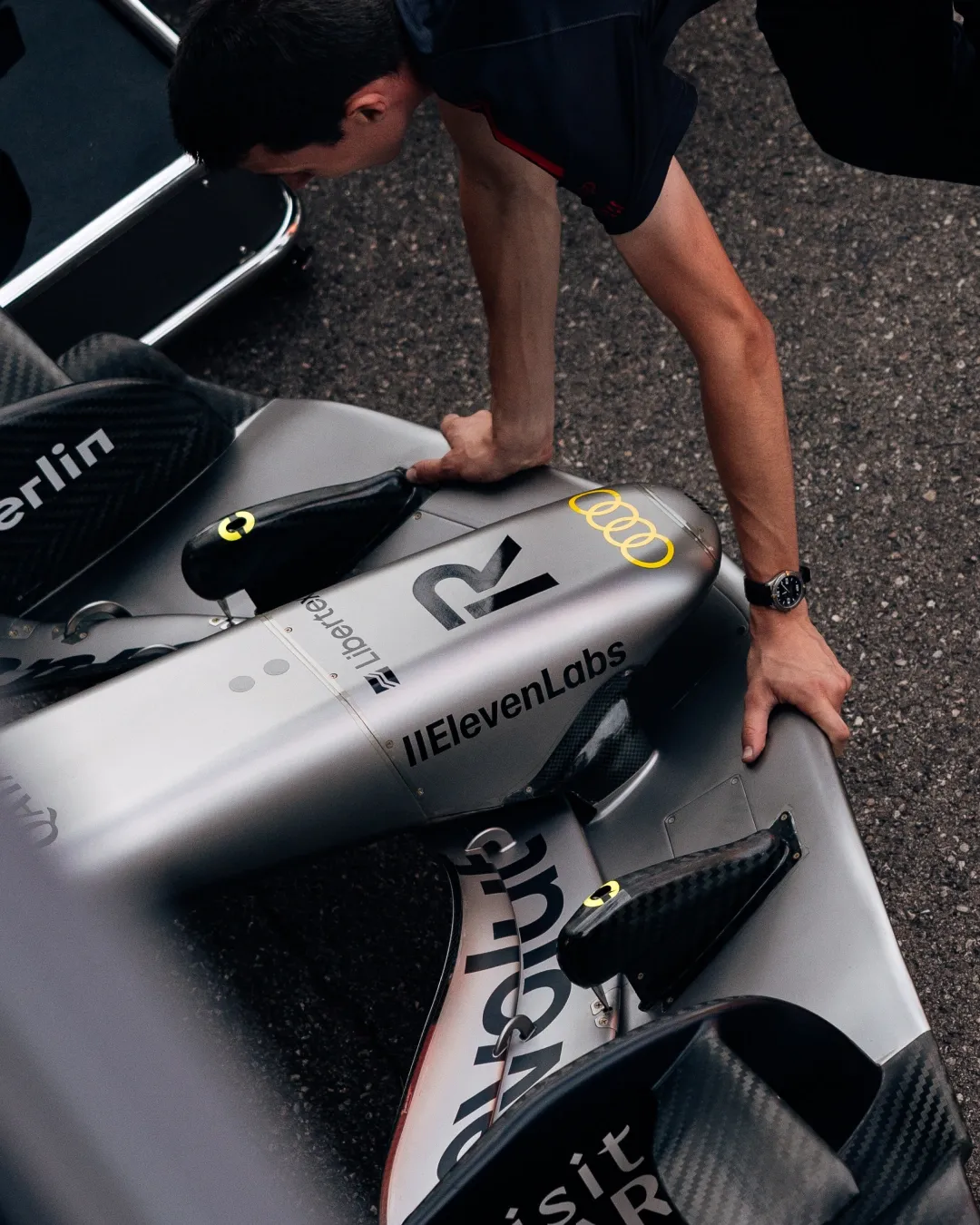
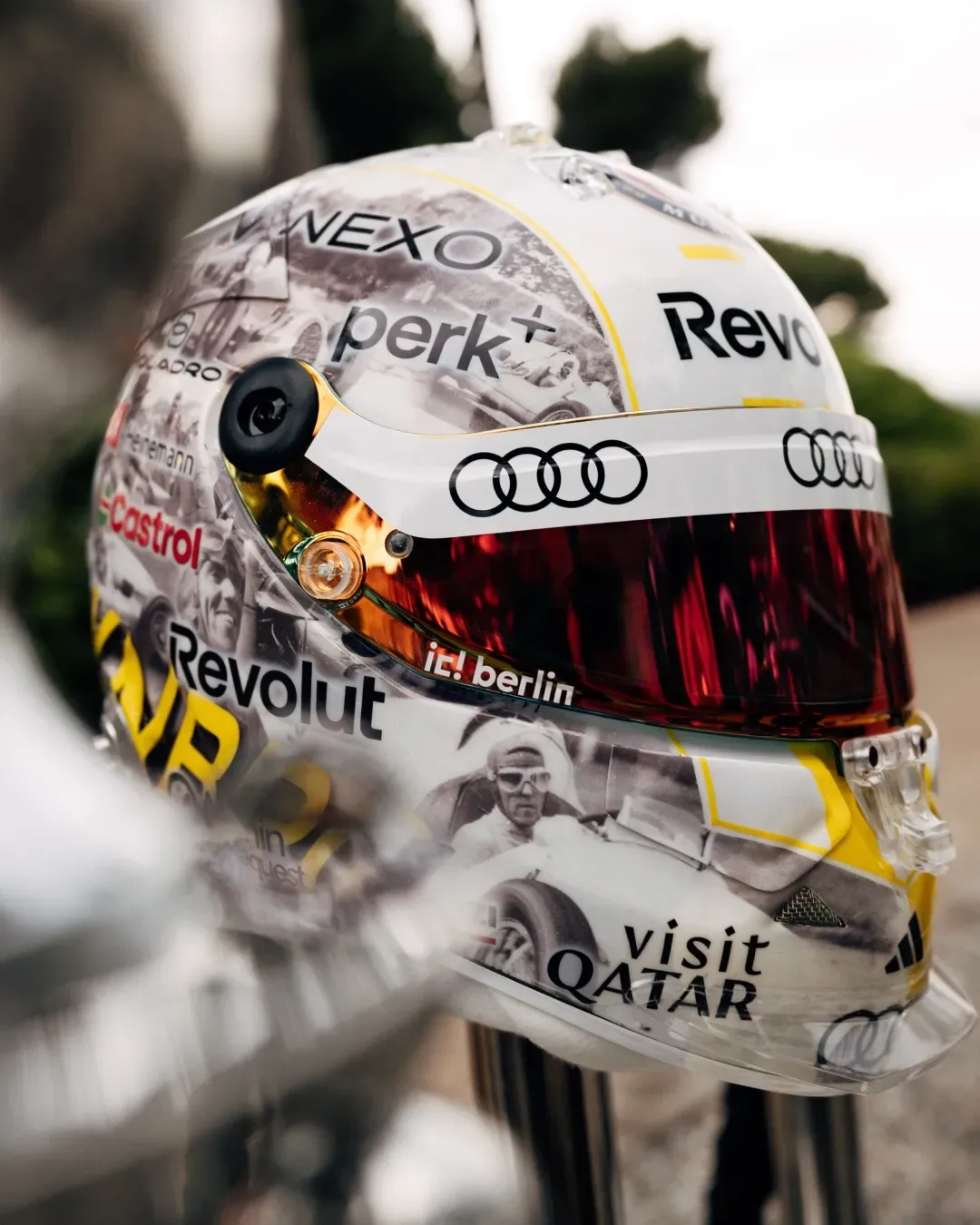
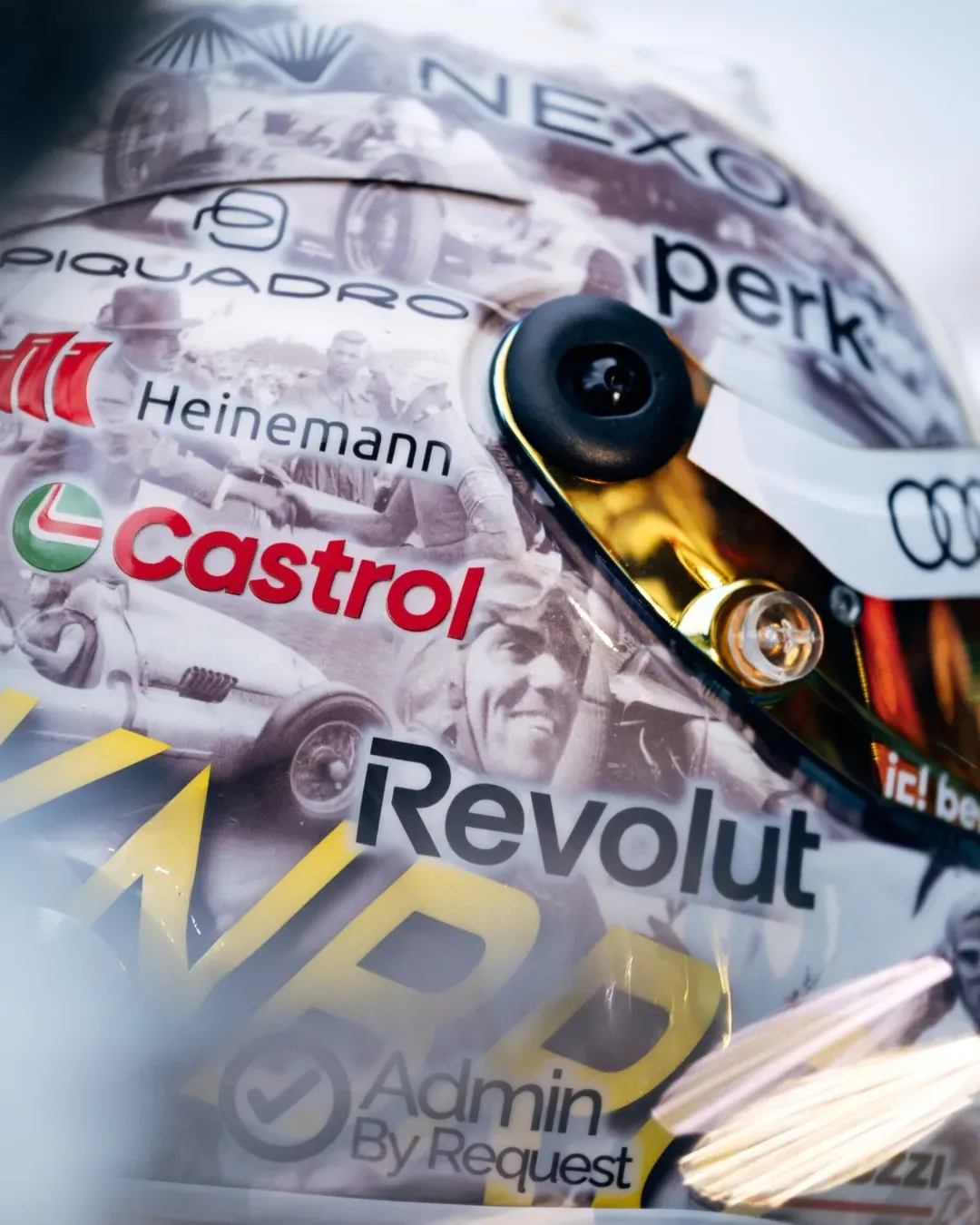
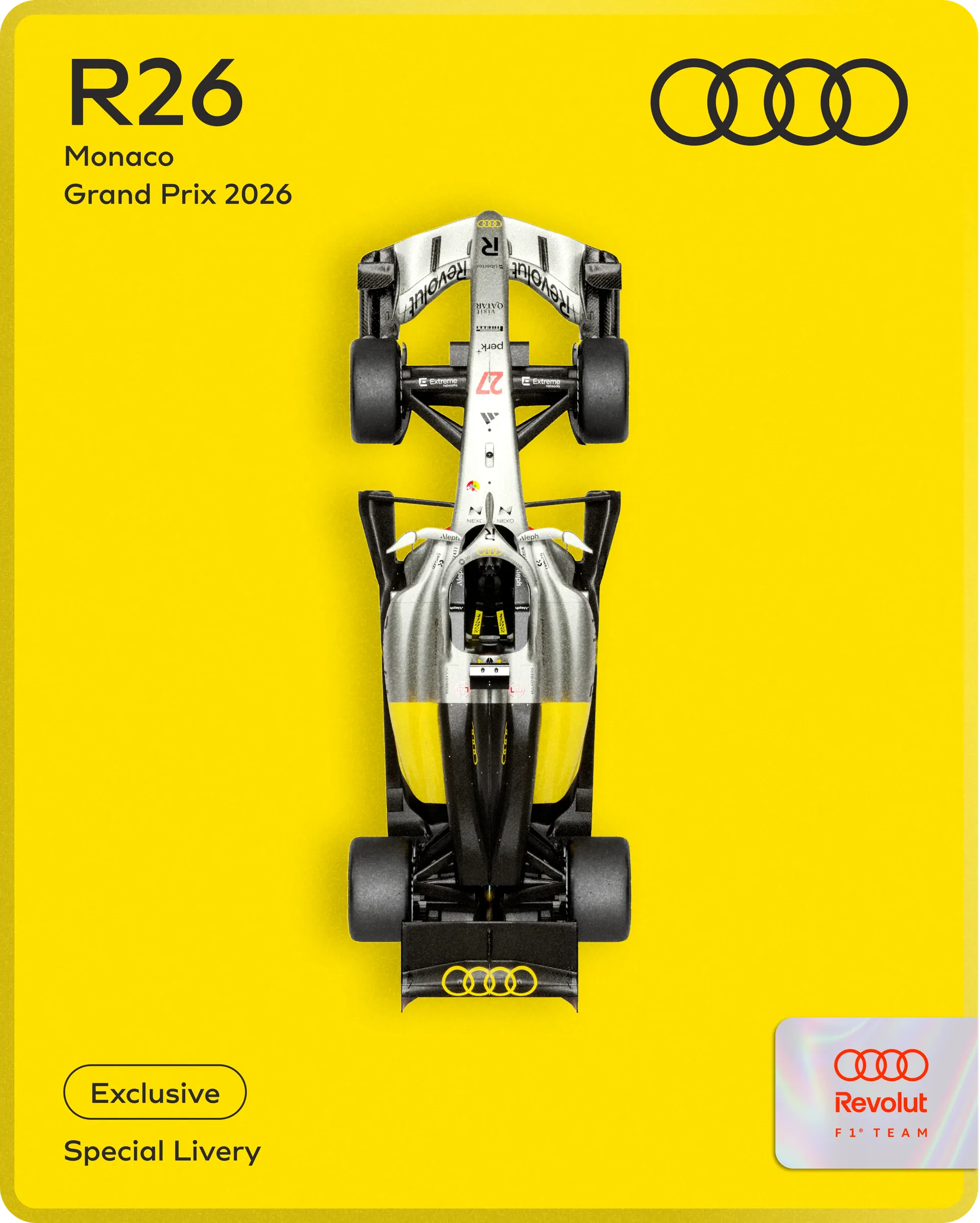
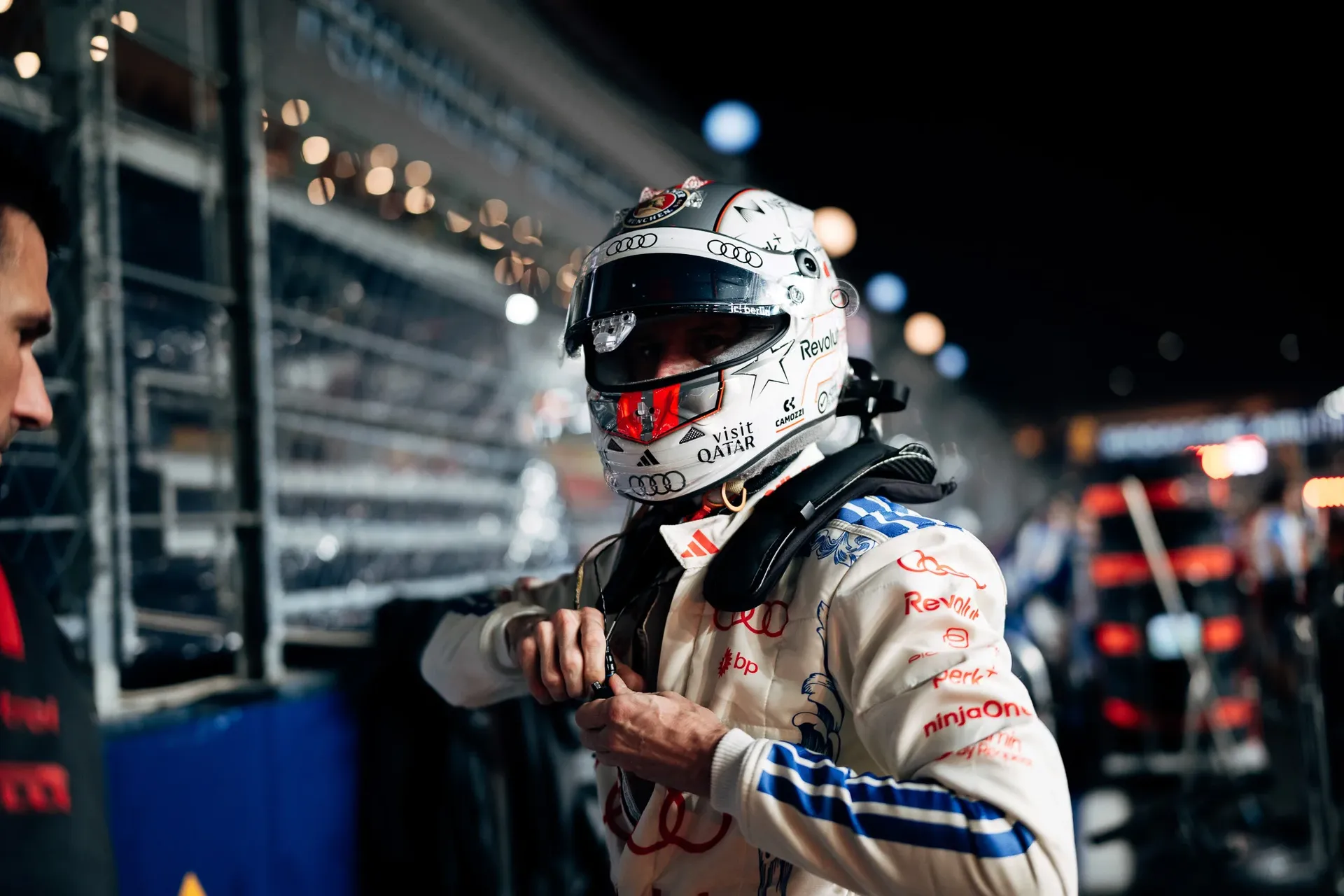
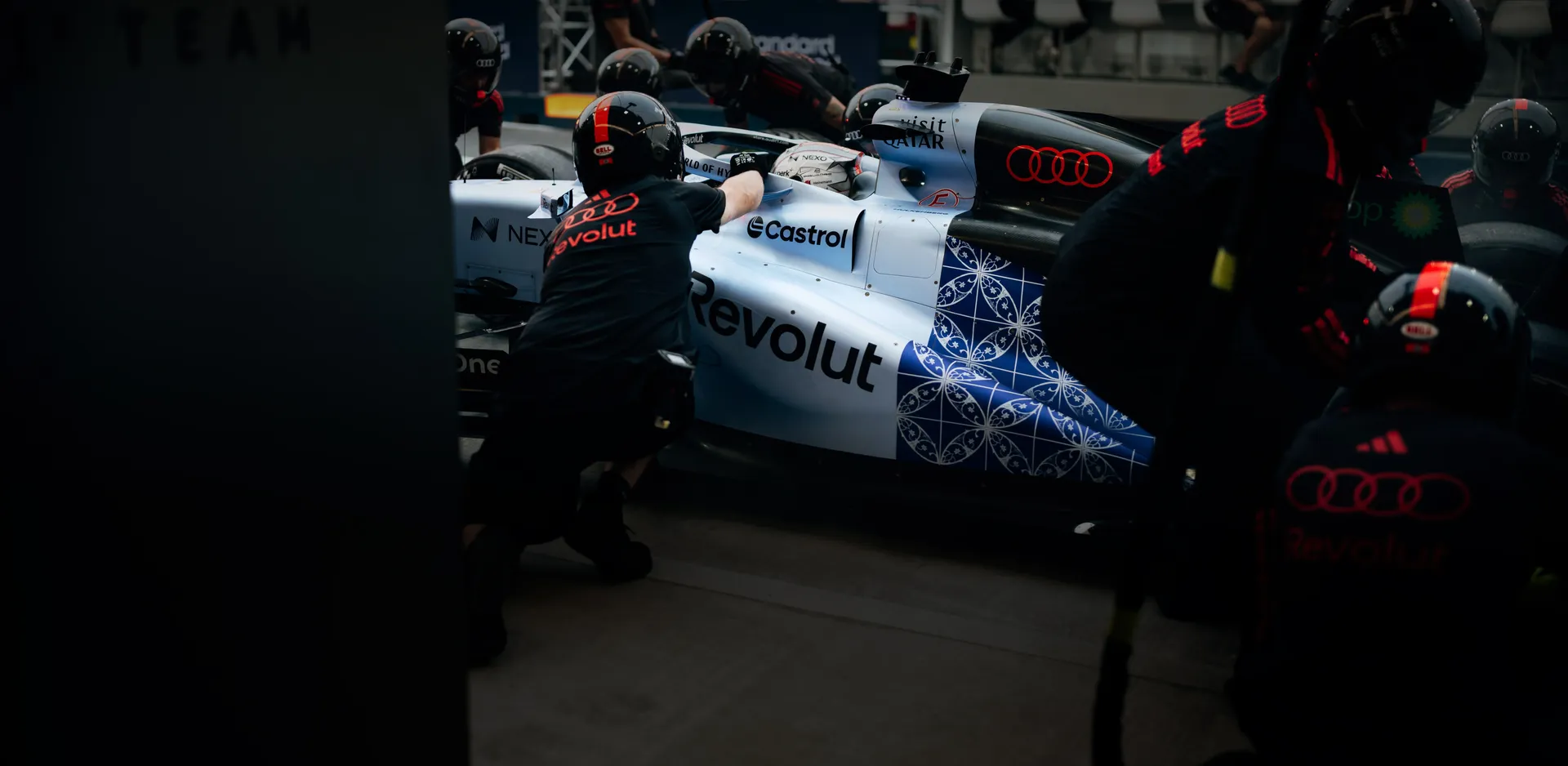
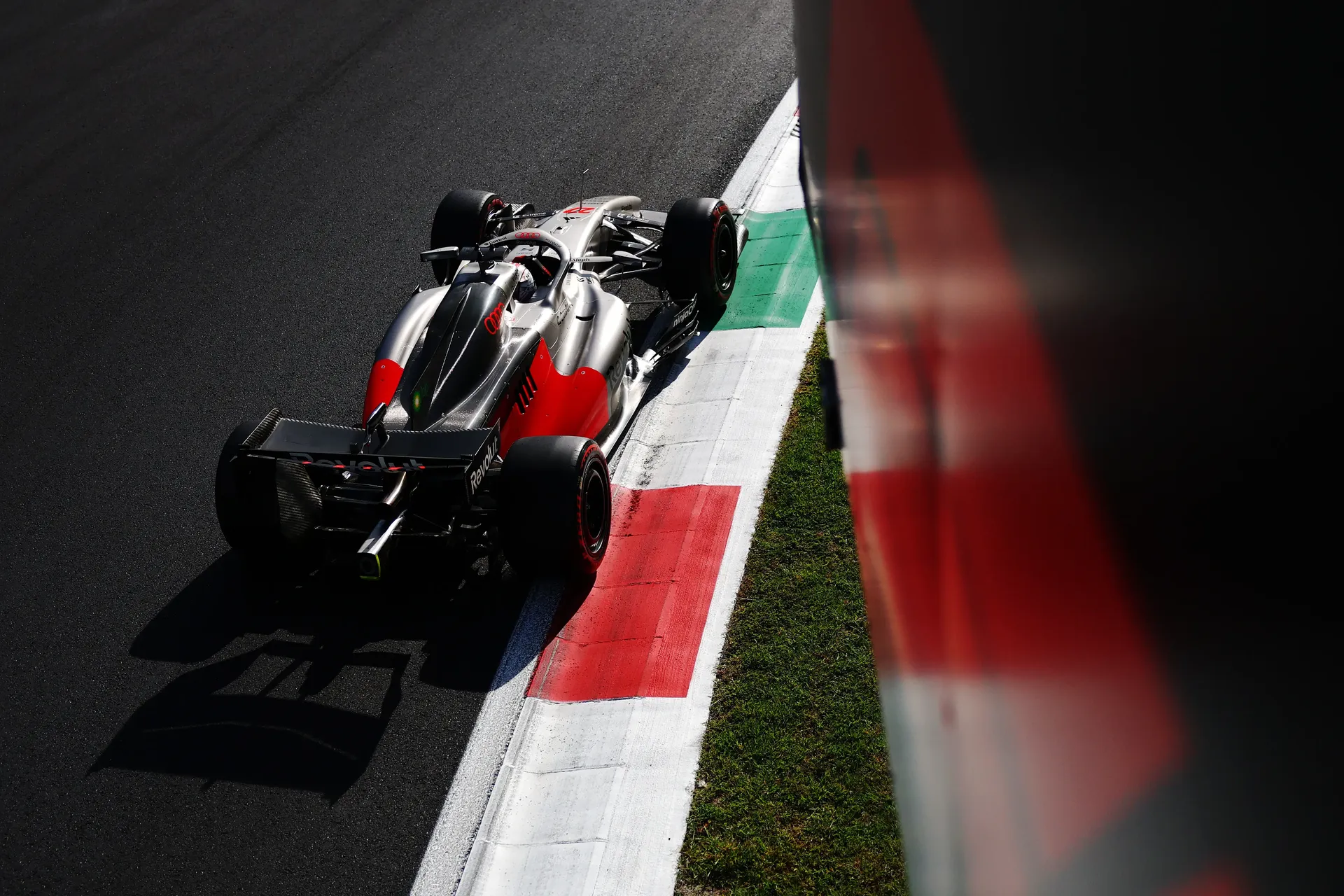
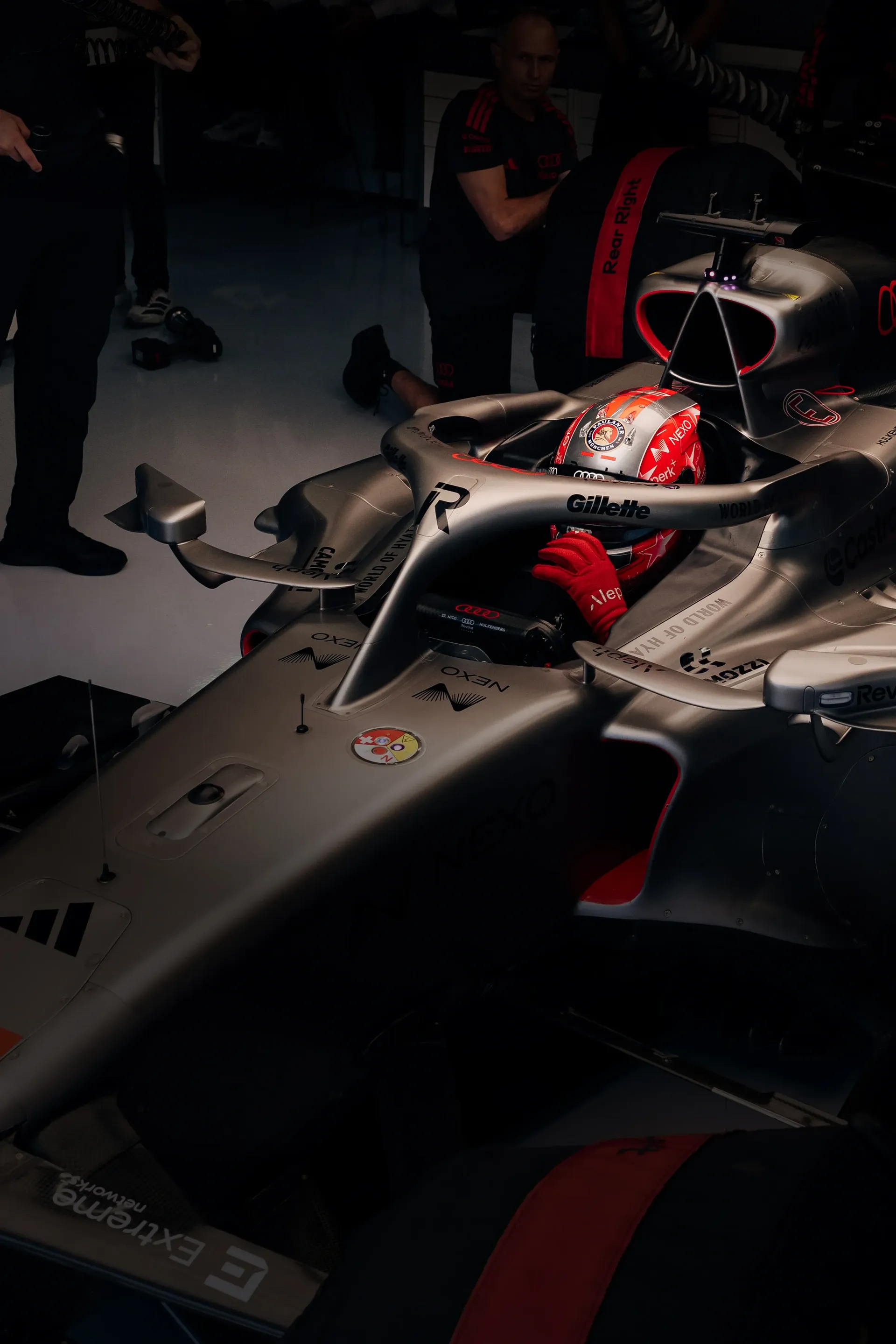
It is the late 1930s. Grand Prix racing is entering one of its most ambitious and dangerous eras, defined by speed, engineering courage and the pursuit of what had never been done before. Auto Union, the company whose four-ring emblem lives on in today’s Audi, had entered this world with radical ambition. Its Grand Prix cars were powerful, mid-engined and far ahead of their time. The team wanted not only to compete with the best, but to redefine what a racing car could be. But by 1938, Auto Union was facing a moment of crisis. The team had lost its great hero, Bernd Rosemeyer, and was navigating major technical and political change. What it needed was more than just another driver. It needed someone with the instinct, bravery and experience to carry the story forward.