
09 March 2026
How Shanghai can turn early learning into progress.
A circuit that asks a question from the very first turn.
How Shanghai can turn early learning into progress.
A circuit that asks a question from the very first turn.
Welcome to Shanghai International Circuit.
As the second race of the season, the Chinese Grand Prix offers an early chance to understand more about the competitive picture in 2026. Shanghai is no ordinary stop on the calendar. Its unusual opening sequence, long back straight and technical layout place both driver control and car balance under pressure.
For Audi Revolut F1® Team, that makes this weekend particularly interesting in its first season. Not because it provides all the answers, but because it begins to show how the team, the car and the rhythm of race weekends are starting to take shape.
CHINA
13 - 15 March 2026

The Track
Shanghai International Circuit
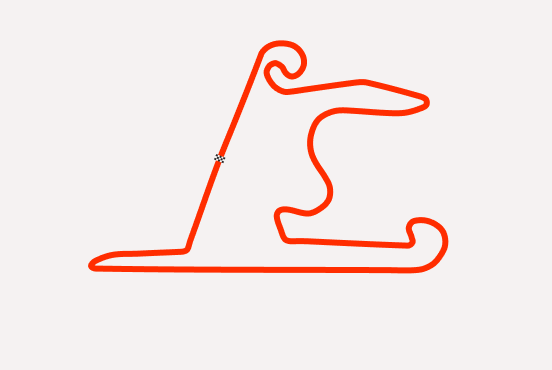
Track details
Track details
| Race distance (F1): | 305.066km |
|---|---|
| First F1 race | 2004 |
| Length | 5.451 km |
| Number of Laps | 56 |
| Race lap record | 1:32.238 |

Gallery
1 / 0
New season.
New terminology.
The second race begins to shape how the season is understood.
The first right-hand corner continues to tighten as the car moves through it, forcing drivers to commit early while remaining patient. It rewards balance, control and confidence rather than aggression. That makes it a useful place to begin understanding the circuit and an early reference point for Audi Revolut F1® Team in its first season. Through this long opening sequence, it becomes easier to observe several key elements.
The second race of a Formula 1® season often brings the first clearer read.
By this point, teams have moved beyond testing and the opening race weekend. There is more data, more feedback and a stronger sense of which early signals matter. Shanghai therefore works well as an early season measuring stick. It does not define the year, but it can begin to reveal patterns.
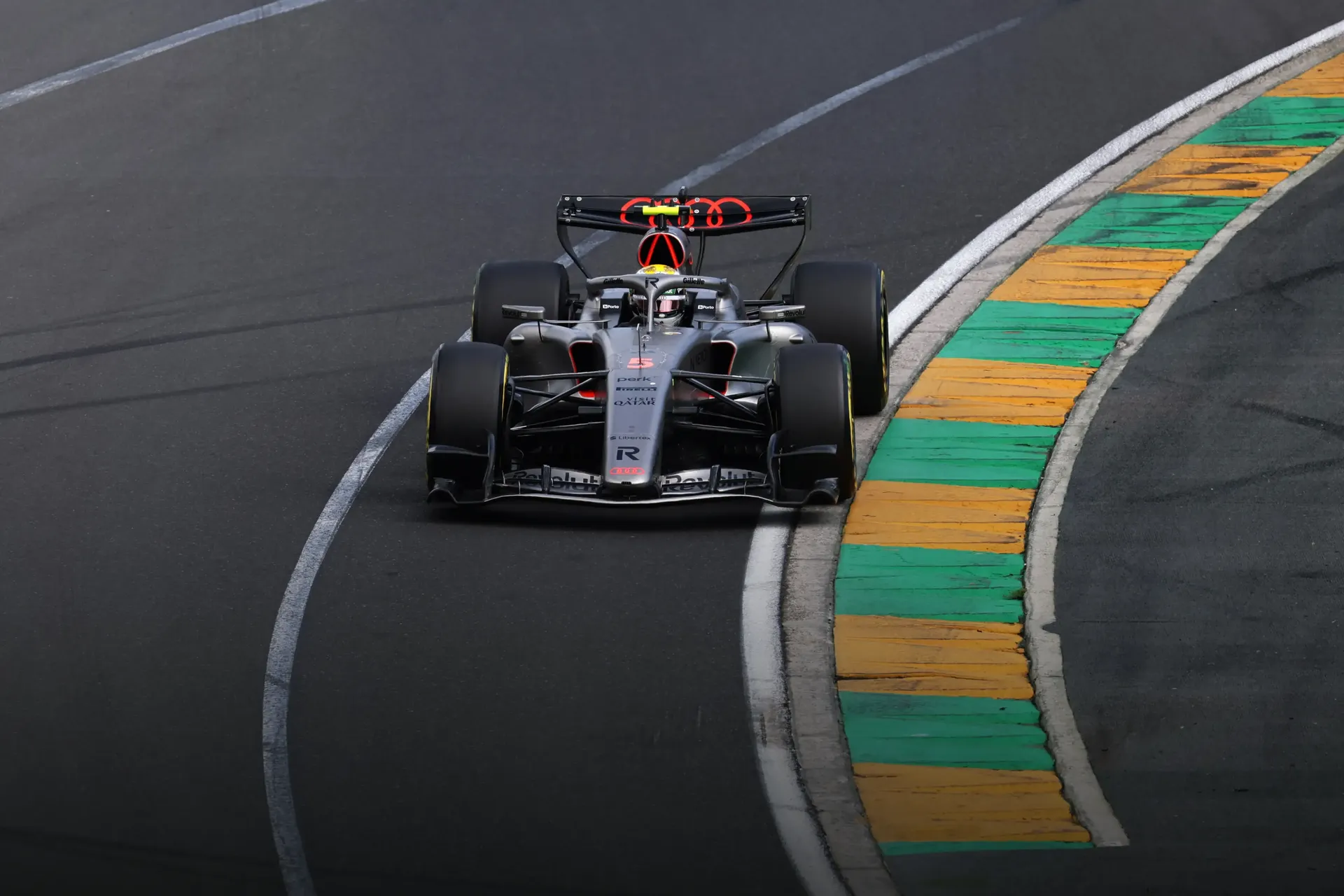
Audi Revolut F1 Team on track.
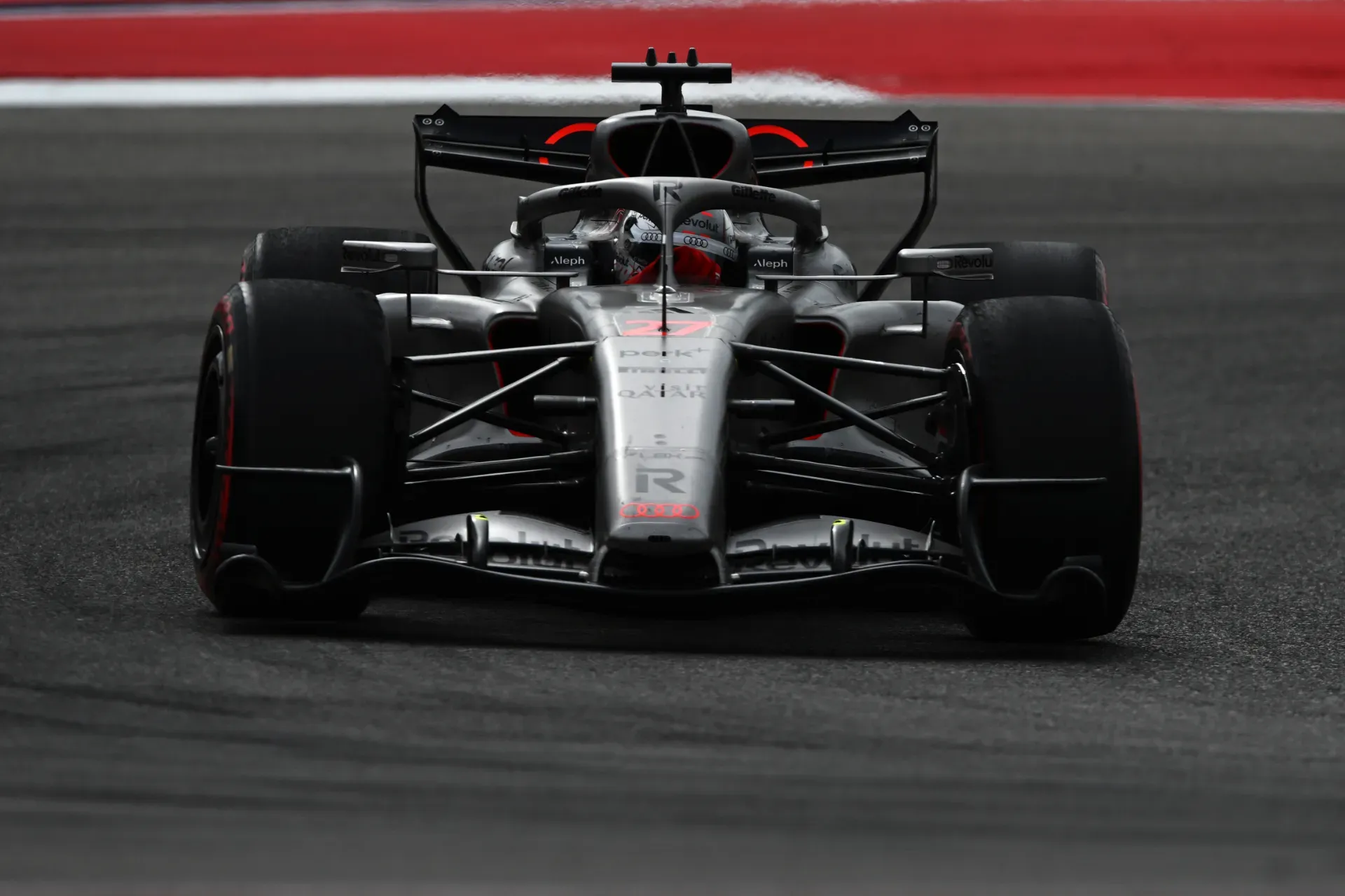
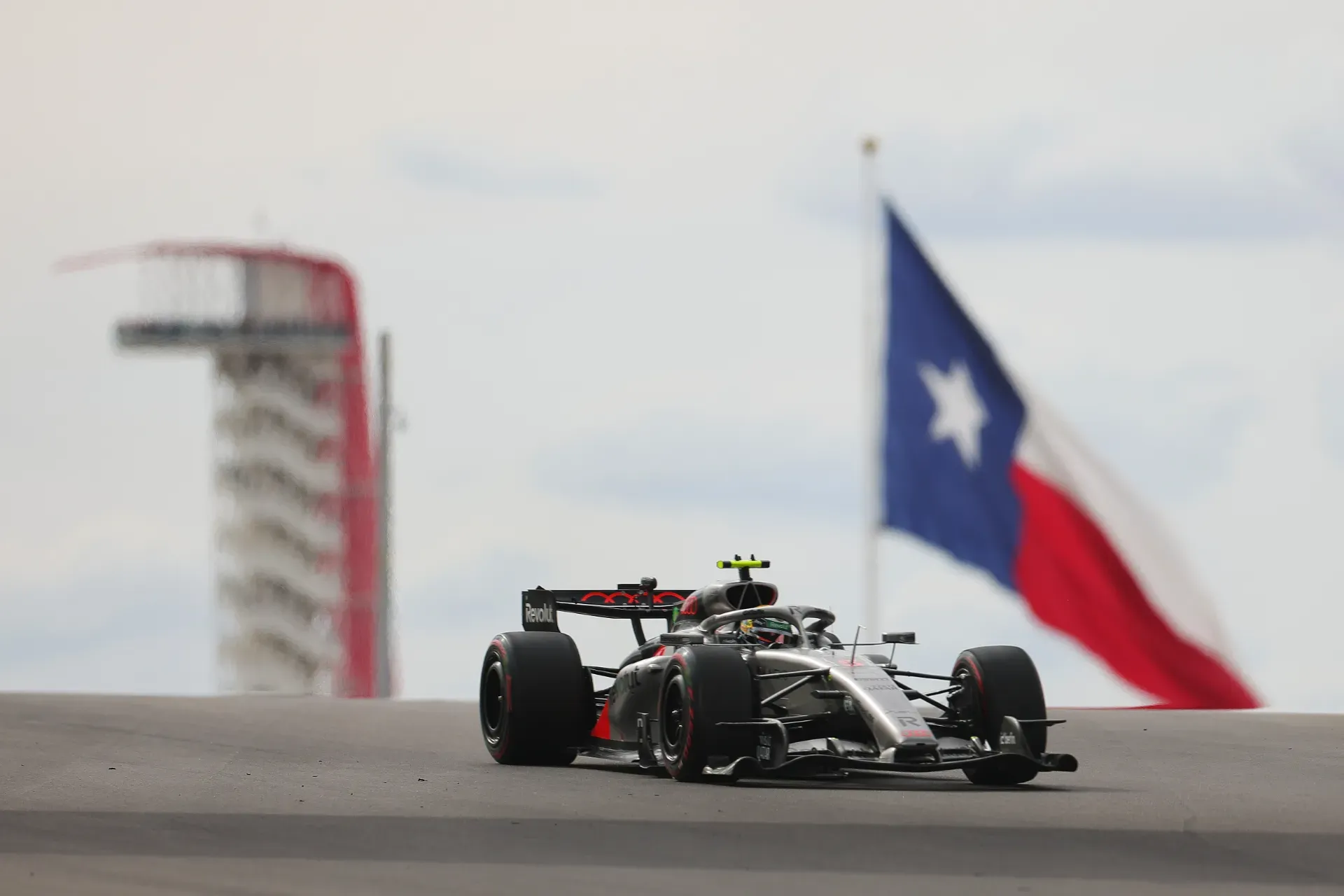
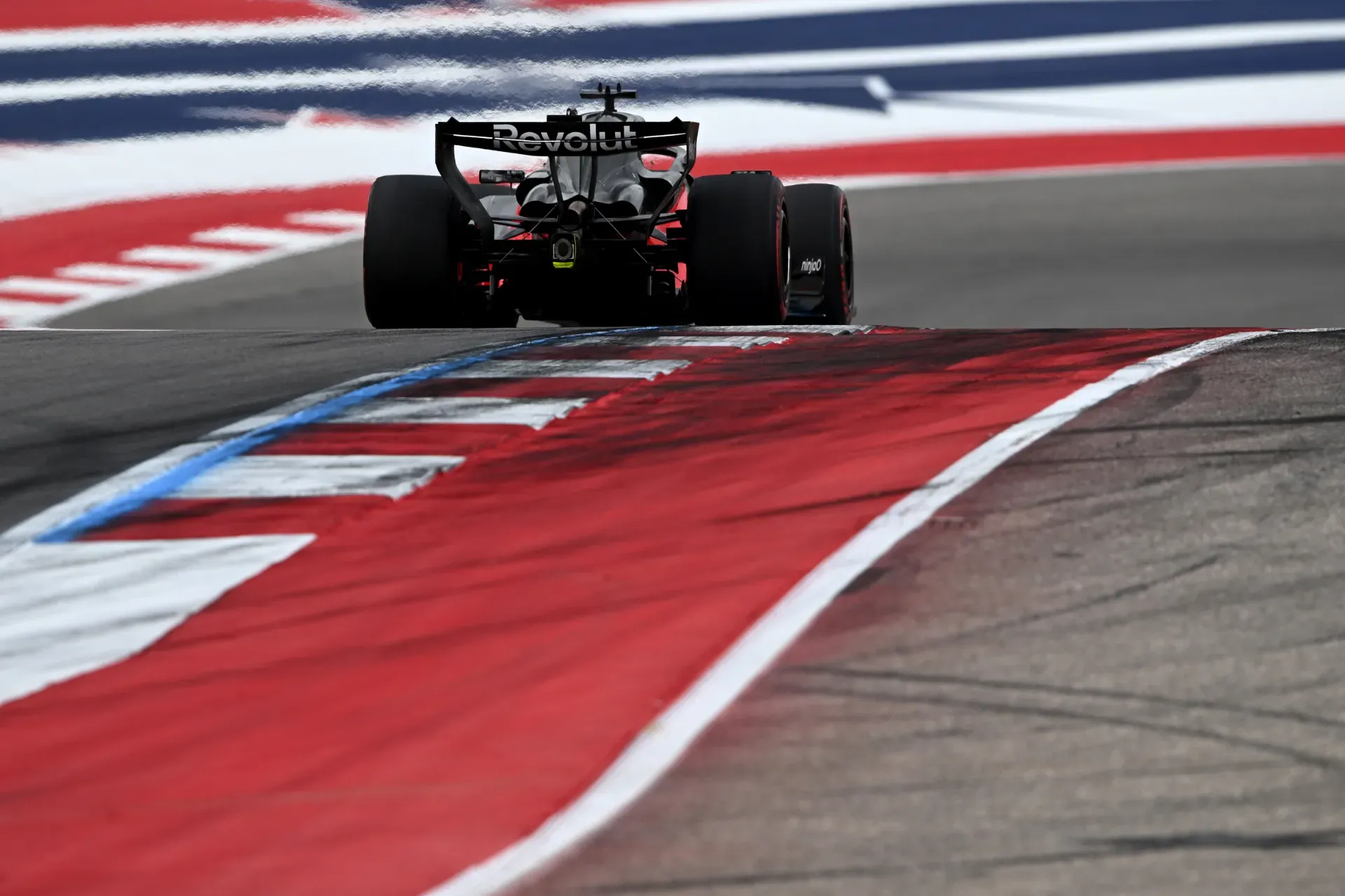

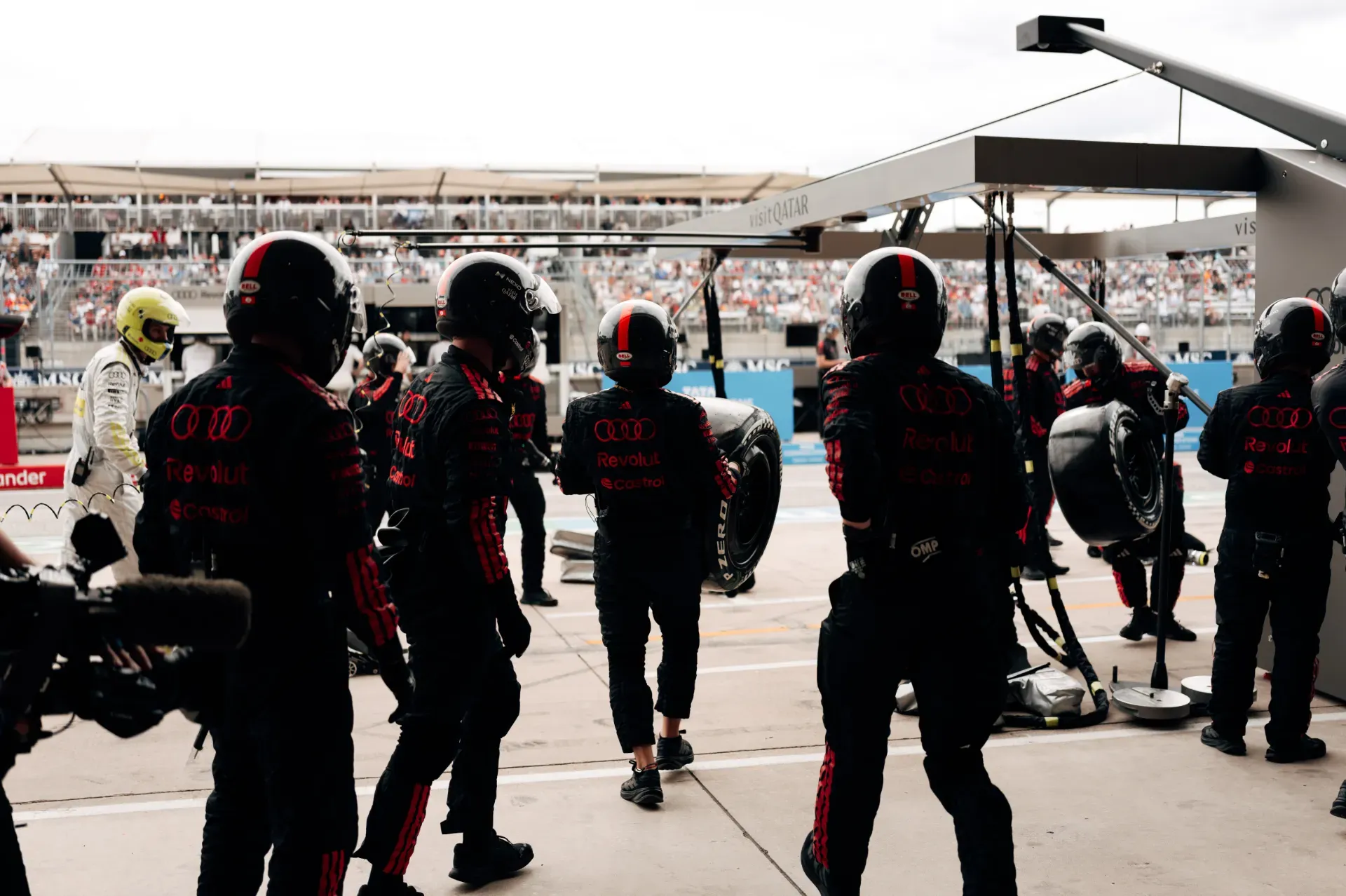
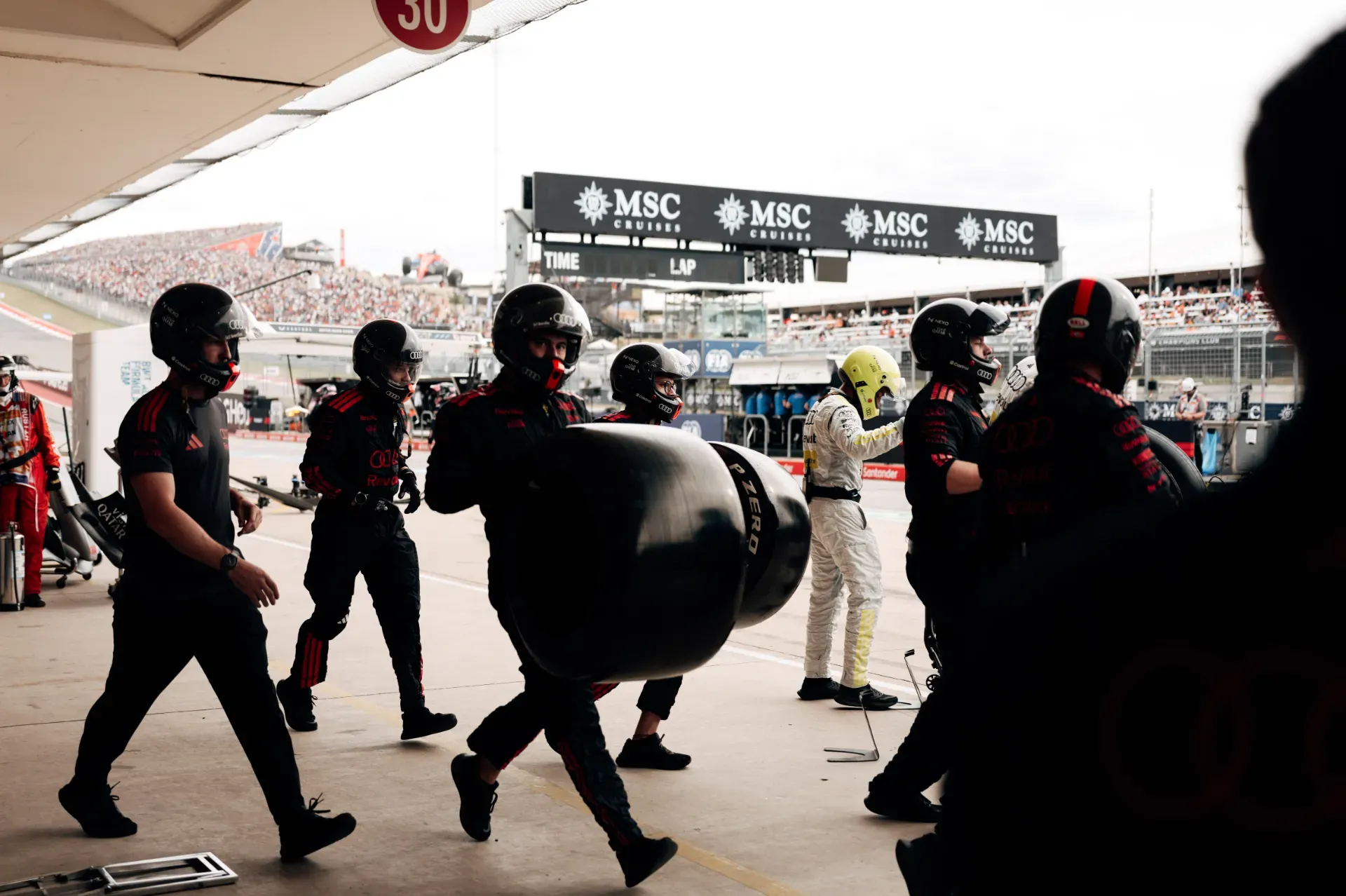
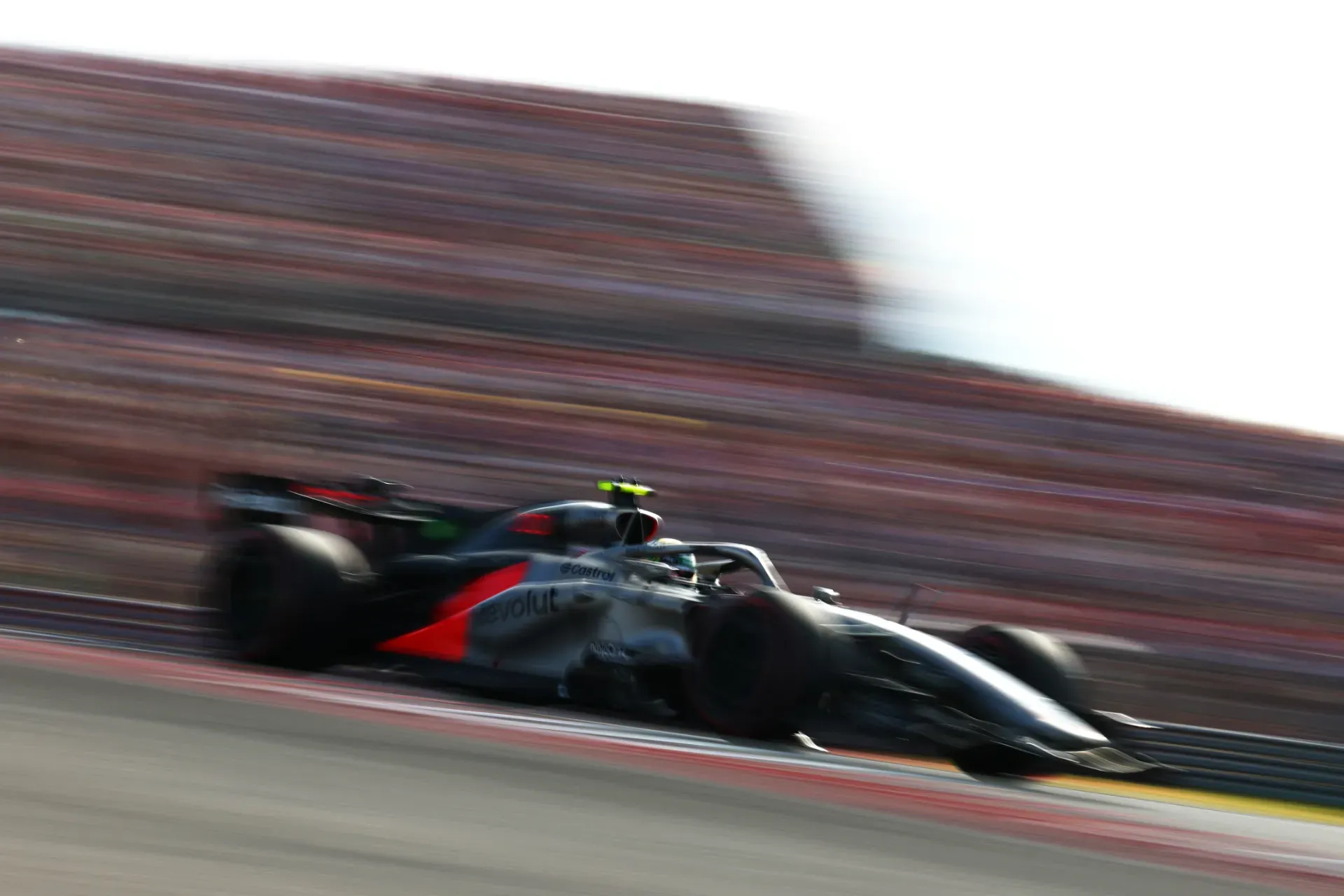
Our driver's focus.
Commitment on entry
The tightening radius of Turn 1 forces the driver to commit to the entry speed early while still leaving enough margin to manage the car as the corner continues to close.
Car stability through a loaded corner
Because the corner keeps tightening, the car remains under sustained lateral load for an extended period, revealing how stable the chassis and balance are through a long high-stress phase.
How rhythm carries into the rest of the sector
A smooth and controlled exit from the opening sequence allows the driver to carry momentum through the following corners, setting the rhythm for the remainder of the first sector.
Shanghai’s long back straight
is one of the circuit’s defining features.
It naturally draws attention because it creates speed, slipstreaming and overtaking opportunities. But the straight does not begin where it appears to. Its story starts in the corner before it. A clean exit determines the speed that follows. A strong launch onto the straight can open the door to an attack. A weaker one can leave a driver vulnerable before the braking zone even arrives.
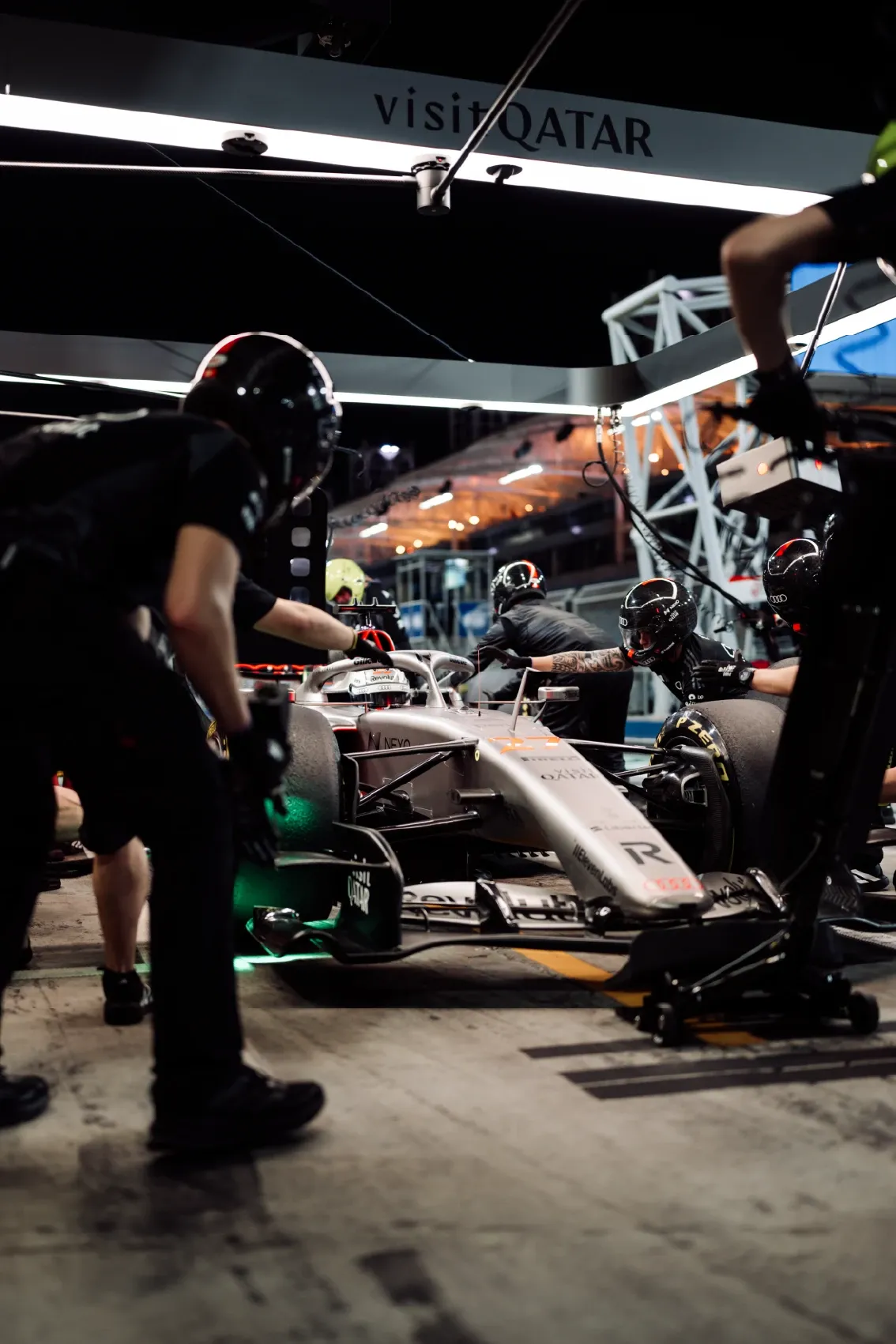
Shanghai International Circuit
Shanghai: Built for speed.
Shanghai: Built for speed.
Shanghai International Circuit
The Shanghai International Circuit joined Formula 1® in 2004 on a purpose built layout constructed on reclaimed marshland. Its 5.4 kilometre design, inspired by the Chinese character “Shang,” combines technical corners with one of the longest straights in the championship.
1 / 0
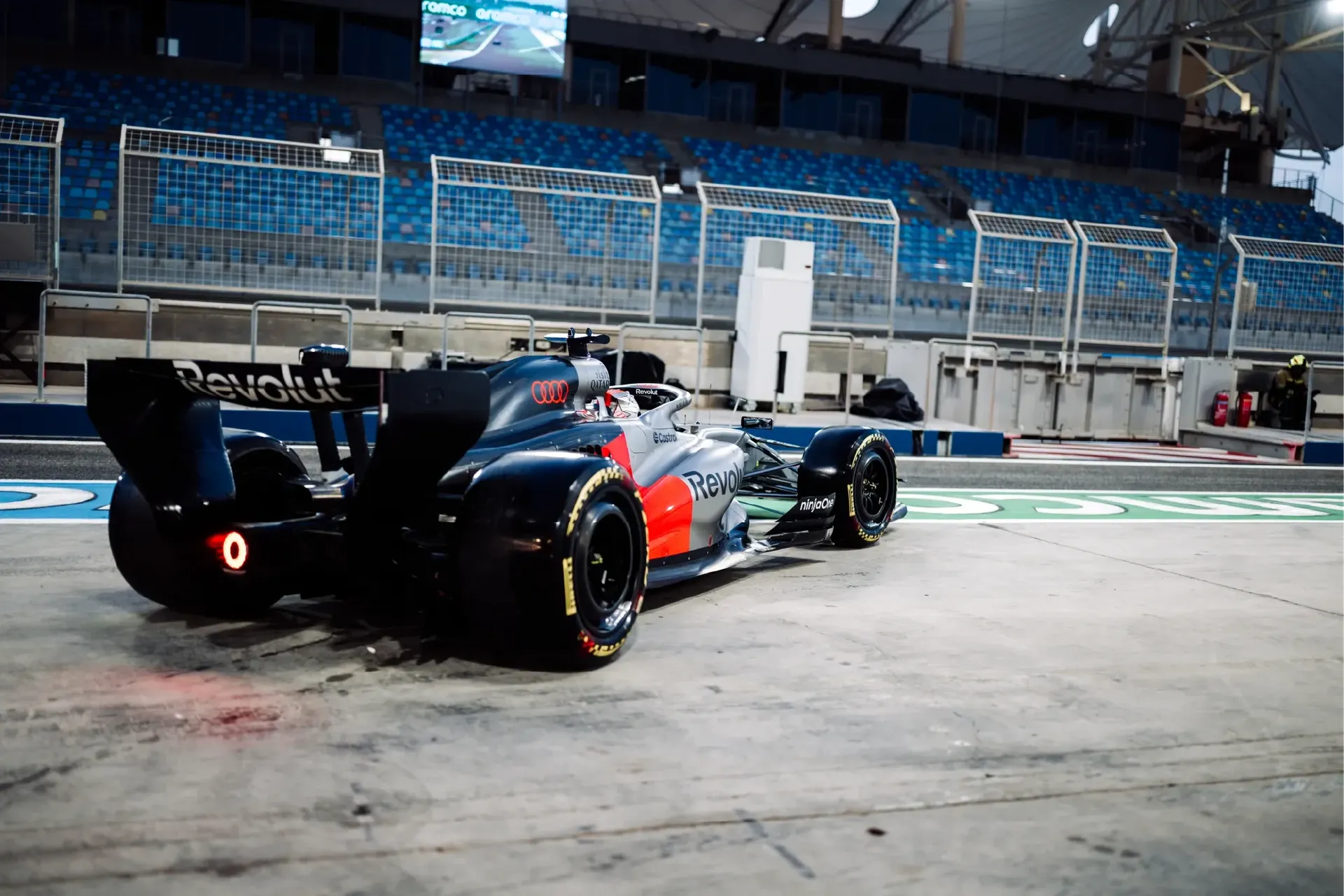
Shanghai International Circuit
Long straight, heavy braking.
Long straight, heavy braking.
Shanghai International Circuit
Efficiency on the long back straight and strong braking into the tight hairpin define the challenge in Shanghai. For Audi Revolut F1® Team, energy recovery and traction out of slow corners will be central to defending and creating opportunities.
1 / 0
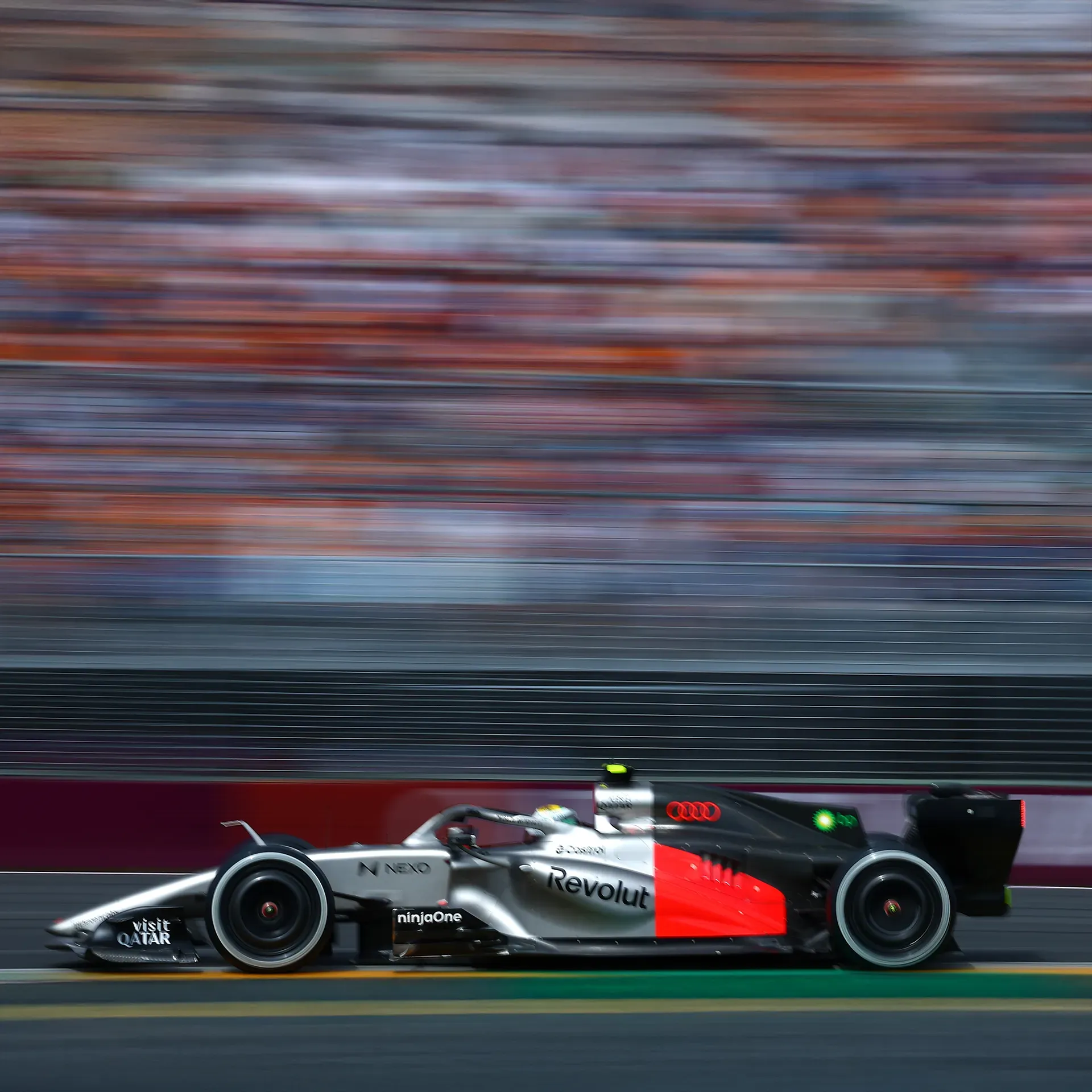
Shanghai and the F1®.
Shanghai has developed a clear identity within modern Formula 1®.
The Chinese Grand Prix is a relatively newer stop compared with some of the sport’s historic venues, but it has become one of the most recognisable circuits of the modern era. The scale of the venue, the layout of the track and the atmosphere around the race give it a distinct presence on the calendar.
Shanghai combines the visual scale of a major event with a layout that demands precision across the lap. It offers the theatre of a global race weekend while still exposing strengths and weaknesses on track.
News & Updates
Make sure you're the first to know.